Heat 1 tablespoon of the oil in a large stockpot. Saute the onion until soft and translucent.: As the oil warms you will notice a soft sheen appear on the surface and a faint fragrance, signaling readiness. The sound is subtle, a gentle hiss when you add the onion . This preheating step matters because it ensures an even sweat rather than steaming, which yields a sweeter, more developed base. If the oil smokes, your pan is too hot, and you should lower the heat immediately to avoid bitter notes.
Add garlic and saute just until fragrant, do not brown. Remove to a medium bowl.: You will see the edges of the onion turn glossy and the aroma shift from sharp to mellow and sweet. This is where foundational flavor builds, and patience pays off. Stir frequently to prevent browning, which would introduce different caramelized flavors. A common mistake is turning up the heat to rush this step, which risks uneven cooking and burnt bits.
Add the rest of the oil to the pan, then the celery and carrots, and cook until tender. Add stock and thyme and let simmer.: The moment you add the minced garlic , the kitchen will fill with a warm, inviting scent. Let it cook only a few seconds until fragrant because browned garlic becomes bitter. The 'why' here is that gentle cooking releases aromatic oils without creating harsh flavors. If you notice dark specks, remove the pan from heat immediately to cool it down.
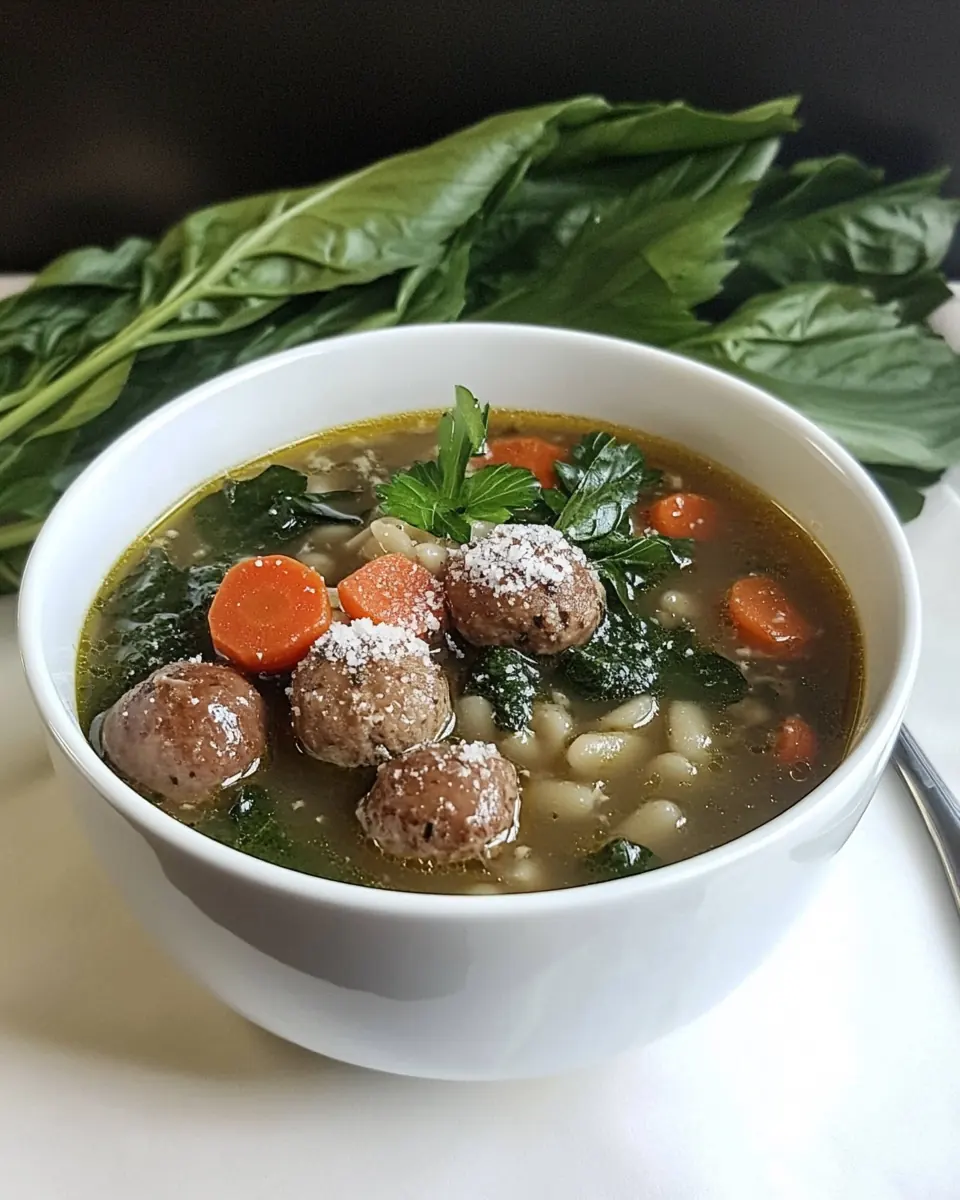
Make meatballs by combining cooked minced onion, ground beef, salt, bread crumbs, and egg. When well combined, make meatballs (1/2-1 inch in diameter).: As you take the softened aromatics off the heat, their residual warmth will carry flavor forward without overcooking, which keeps them vibrant in the finishing soup. This pause also prevents them from continuing to cook and potentially burn while you start other components. Avoid leaving them in the hot pan, because they can darken quickly when the pan is already warm.
At this point, you may saute them or drop them raw into simmering soup.: You will hear a gentle sizzle as the vegetables hit the pan and see edges become glossy. The scent will deepen into a savory, slightly sweet vegetable base. Cooking until tender but not mushy preserves texture, giving pleasant contrast to the meat and pasta . A common trap is overcrowding the pan, which causes steaming rather than sauteing, so give the vegetables room to brown slightly.
Simmer until the meat is cooked through.: When you pour in the chicken stock you will notice steam and a sudden melding of aromas. The simmer should be gentle enough that small bubbles rise steadily, extracting flavor without aggressive evaporation. The thyme infuses slowly, releasing earthy notes that harmonize with the meat . If the pot boils vigorously, reduce the heat to avoid toughening the meatballs later.
Add pasta and cook until done.: As you mix the components, the texture becomes cohesive and slightly tacky, which helps the balls hold together. The cooked onion folded in gives both flavor and moisture. Be careful not to overwork the mixture, because compacted meatballs can become dense. A common error is adding too many breadcrumbs, which yields dry meatballs.
Right before serving, stir in spinach until wilted.: Rolling to a consistent size ensures even cooking and a pleasing bite, and the small diameter lets them cook quickly through while staying tender. You will feel the mixture spring slightly as each ball forms. If the mixture feels too loose, chill briefly; if too firm, a splash of stock or a beaten egg can help bind.
At this point, you may saute them or drop them raw into simmering soup: Sauteing gives a browned crust and an extra layer of flavor, while dropping them raw keeps the interior softer and the broth purer. If you saute, watch for a golden sear and a fragrant, meaty aroma. If adding raw, the simmer will poach them gently and infuse the broth. Avoid overbrowning during sauteing, because burnt bits will impart bitterness.
Simmer until the meat is cooked through: You will see the meatballs turn from a raw red to a cooked brown and feel firmer to the touch when they are done. The broth will pick up savory juices from the meat , deepening the overall flavor. Simmering gently preserves tenderness; an aggressive boil can toughen the meat. A mistake to watch for is undercooking, so cut one open to check if unsure.
Add pasta and cook until done: As the tiny pasta cooks, the broth will smell fuller and you may notice the liquid thicken slightly from released starch. Stir occasionally to prevent sticking and taste to find the ideal al dente texture. Overcooked pasta becomes mushy and will absorb too much broth, so time this step carefully.
Right before serving, stir in spinach until wilted: The spinach will collapse in moments, turning bright green and releasing a fresh, vegetal scent. Adding it last preserves color and nutrients and gives a lively finish to the bowl. If added too early, the greens will become dull and lose texture. A common oversight is not seasoning after the greens go in, since they can mute flavors slightly.