Italian Wedding Soup
Italian Wedding Soup has been my cozy fallback on damp winter evenings when I want something that tastes like a hug in a bowl. The first time I made it I was short on time but long on hunger, and the way the savory meatballs mingled with bright spinach and tiny pasta felt instantly classic. I remember stirring the pot and thinking how humble ingredients can transform into something unforgettable.
Over the years I have tweaked textures, learned when to salt, and discovered the little cues that tell you this soup is done, like the way the aroma changes when the garlic blooms and the broth takes on a richer tone. Friends always ask for seconds, and I love serving it when company drops by because it warms a room and sparks conversation. Each spoonful feels homey yet elegant, a combination that keeps me coming back to this recipe.
Recipe Snapshot
45 mins
15 mins
30 mins
Medium
300 kcal
Italian
Paleo, Whole30
Soups
Large stockpot, Medium bowl, Spoon
What We Adore About This Italian Wedding Soup
Comfort that actually comforts
I cherish Italian Wedding Soup because it delivers immediate warmth without fuss. The combination of a savory broth, tender meat in the meatballs, and tiny pasta creates a balanced mouthfeel that is both filling and light. When you are tired after a long day, a bowl of this brings comfort without weighing you down.
Speed without sacrificing depth
I often lean on recipes that taste like they took hours but are actually quick. With only a few smart moves you extract deep flavor from simple steps, which is why I keep this in my weeknight rotation. The quick saute of onion and garlic followed by a simmer gives you a rich, rounded broth in far less time than you would expect.
Versatility on the stove
This soup is forgiving. You can make the meatballs ahead, simmer the broth longer if you like, or toss everything together last minute. I love that it adapts to what you have on hand while still offering a consistent, satisfying result. The structure of the recipe lets you tweak texture and timing easily.
Bright, nourishing finish
Adding the spinach at the end keeps it vivid and fresh, and it brightens both flavor and color. I appreciate recipes that include greens in a way that feels intentional, not obligatory. The quick wilt preserves nutrients and adds a slightly earthy note that lifts the whole bowl.
Kid friendly, crowd ready
I’ve served Italian Wedding Soup at casual dinners and family gatherings, and it consistently wins over picky eaters. The tiny pasta and tender meat are familiar while the broth introduces them to a subtle herb note. It’s an ideal blend of comforting and approachable, which is why I keep this in rotation.
What to Gather for Italian Wedding Soup
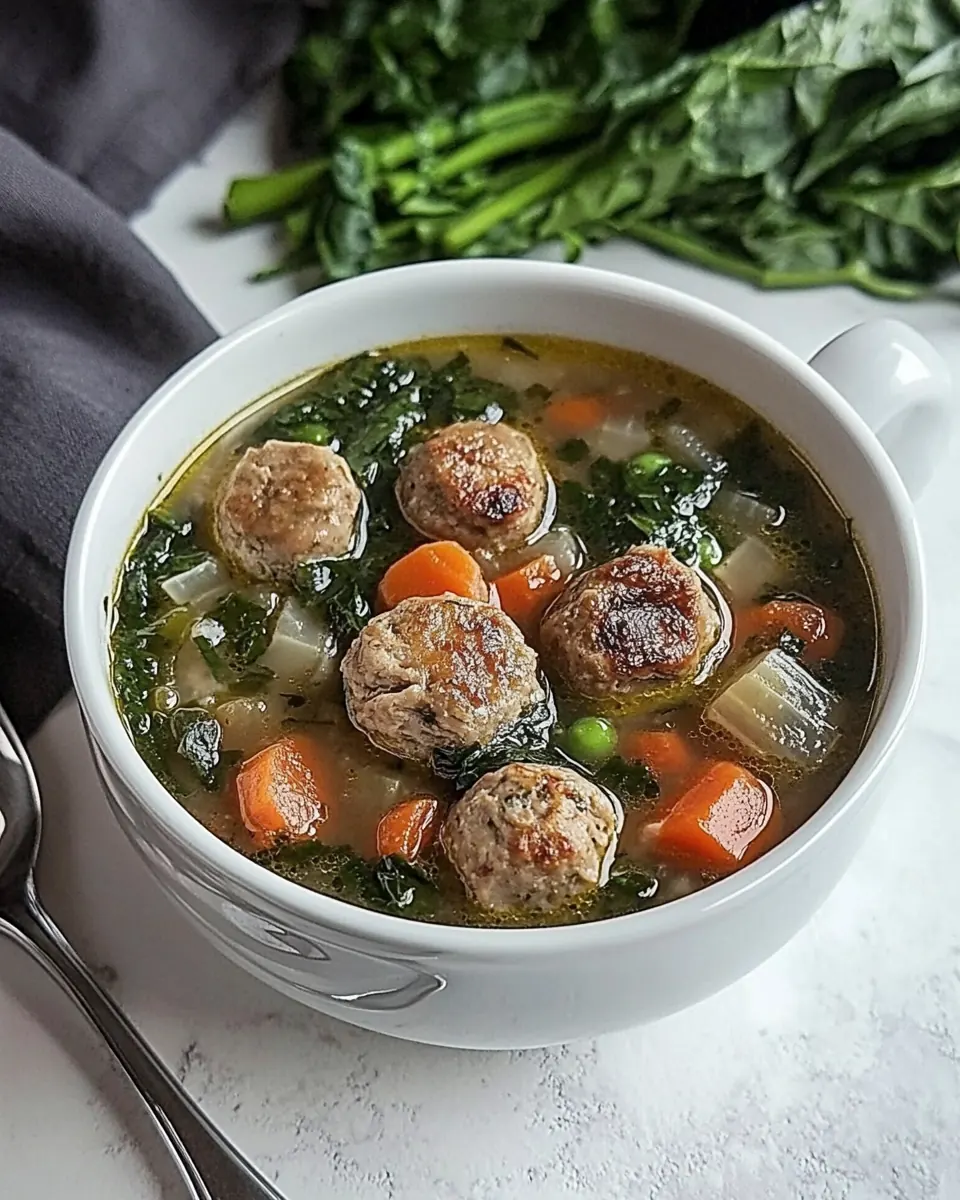
These ingredients work in concert to build a classic, balanced bowl. The broth forms the backbone, while the sauteed aromatics add depth. Tender vegetables bring texture, the small pasta adds body, and leafy spinach finishes the soup with freshness. The tiny meatballs are the star, grounding the dish and providing savory richness that melds with the herbs and stock.
- 2 tablespoons olive oil: Provide a fruity, savory base for sautéeing aromatics and browning other ingredients; helps distribute heat and prevents sticking while contributing subtle richness to the broth.
- 1 medium onion, diced: Add aromatic sweetness and body when diced and softened; builds savory depth and balances sharper flavors as it gently caramelizes during cooking.
- 1 2 cloves garlic: Impart pungent, aromatic heat and complexity when minced or crushed; brightens the soup and layers flavor without overpowering when used sparingly.
- 1 cup chopped carrots: Contribute natural sweetness, texture, and bite when chopped; add color and a tender, slightly firm mouthfeel that complements the meat and pasta.
- 1 cup chopped celery: Offer a crisp, aromatic backbone and savory freshness when chopped; blend with carrots and onion to create a balanced mirepoix for the soup.
- 1 teaspoon dried thyme: Provide warm, herbal notes and subtle earthiness when sprinkled in; help unify the broth’s flavors and enhance the overall savory profile.
- 2 quarts chicken stock: Supply the primary liquid and savory foundation for the soup; deliver rich chicken flavor and a cooking medium for pasta, vegetables, and meatballs.
- 1/2 cup small pasta, I used orzo: Introduce tender, starchy texture and body when cooked; small shapes like orzo integrate well into the broth and add comforting substance.
- 1 bag baby spinach: Bring bright, leafy freshness and a mild, slightly earthy flavor when added; wilts quickly into the hot broth and boosts nutrition and color.
- Salt and freshly ground black pepper, to taste: Season the soup to personal taste and enhance all other flavors; adjust gradually to avoid over-salting and finish with freshly ground pepper for balance.
Recipe Directions for Italian Wedding Soup
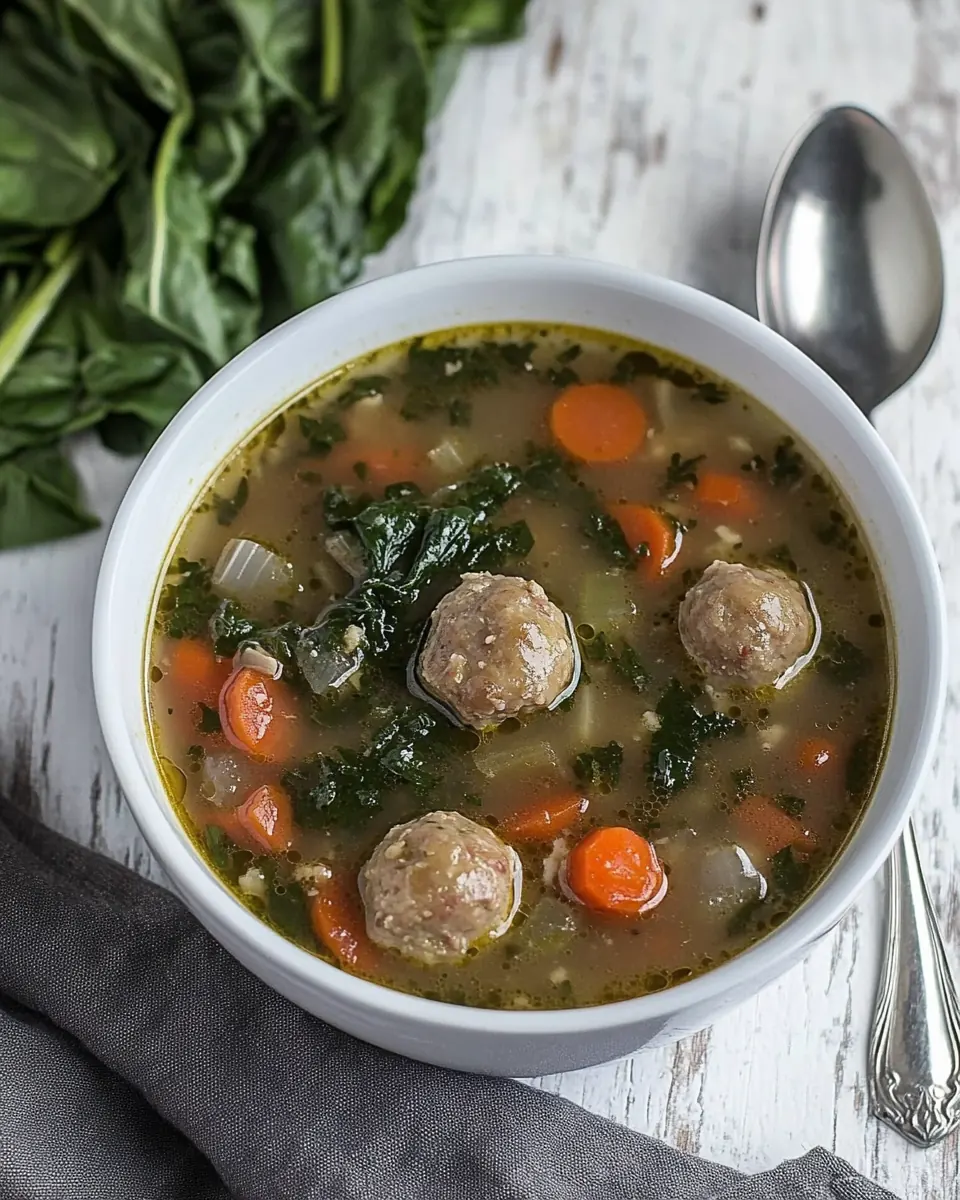
I like to move through these steps with attention to pace and aroma. Take a breath and enjoy the little changes you will notice, like the way the pan fills with savory scent and the broth clarifies. Keep your tools handy and taste as you go.
- Heat 1 tablespoon of the oil in a large stockpot. Saute the onion until soft and translucent.: As the oil warms you will notice a soft sheen appear on the surface and a faint fragrance, signaling readiness. The sound is subtle, a gentle hiss when you add the onion . This preheating step matters because it ensures an even sweat rather than steaming, which yields a sweeter, more developed base. If the oil smokes, your pan is too hot, and you should lower the heat immediately to avoid bitter notes.
- Add garlic and saute just until fragrant, do not brown. Remove to a medium bowl.: You will see the edges of the onion turn glossy and the aroma shift from sharp to mellow and sweet. This is where foundational flavor builds, and patience pays off. Stir frequently to prevent browning, which would introduce different caramelized flavors. A common mistake is turning up the heat to rush this step, which risks uneven cooking and burnt bits.
- Add the rest of the oil to the pan, then the celery and carrots, and cook until tender. Add stock and thyme and let simmer.: The moment you add the minced garlic , the kitchen will fill with a warm, inviting scent. Let it cook only a few seconds until fragrant because browned garlic becomes bitter. The 'why' here is that gentle cooking releases aromatic oils without creating harsh flavors. If you notice dark specks, remove the pan from heat immediately to cool it down.
- Make meatballs by combining cooked minced onion, ground beef, salt, bread crumbs, and egg. When well combined, make meatballs (1/2-1 inch in diameter).: As you take the softened aromatics off the heat, their residual warmth will carry flavor forward without overcooking, which keeps them vibrant in the finishing soup. This pause also prevents them from continuing to cook and potentially burn while you start other components. Avoid leaving them in the hot pan, because they can darken quickly when the pan is already warm.
- At this point, you may saute them or drop them raw into simmering soup.: You will hear a gentle sizzle as the vegetables hit the pan and see edges become glossy. The scent will deepen into a savory, slightly sweet vegetable base. Cooking until tender but not mushy preserves texture, giving pleasant contrast to the meat and pasta . A common trap is overcrowding the pan, which causes steaming rather than sauteing, so give the vegetables room to brown slightly.
- Simmer until the meat is cooked through.: When you pour in the chicken stock you will notice steam and a sudden melding of aromas. The simmer should be gentle enough that small bubbles rise steadily, extracting flavor without aggressive evaporation. The thyme infuses slowly, releasing earthy notes that harmonize with the meat . If the pot boils vigorously, reduce the heat to avoid toughening the meatballs later.
- Add pasta and cook until done.: As you mix the components, the texture becomes cohesive and slightly tacky, which helps the balls hold together. The cooked onion folded in gives both flavor and moisture. Be careful not to overwork the mixture, because compacted meatballs can become dense. A common error is adding too many breadcrumbs, which yields dry meatballs.
- Right before serving, stir in spinach until wilted.: Rolling to a consistent size ensures even cooking and a pleasing bite, and the small diameter lets them cook quickly through while staying tender. You will feel the mixture spring slightly as each ball forms. If the mixture feels too loose, chill briefly; if too firm, a splash of stock or a beaten egg can help bind.
- At this point, you may saute them or drop them raw into simmering soup: Sauteing gives a browned crust and an extra layer of flavor, while dropping them raw keeps the interior softer and the broth purer. If you saute, watch for a golden sear and a fragrant, meaty aroma. If adding raw, the simmer will poach them gently and infuse the broth. Avoid overbrowning during sauteing, because burnt bits will impart bitterness.
- Simmer until the meat is cooked through: You will see the meatballs turn from a raw red to a cooked brown and feel firmer to the touch when they are done. The broth will pick up savory juices from the meat , deepening the overall flavor. Simmering gently preserves tenderness; an aggressive boil can toughen the meat. A mistake to watch for is undercooking, so cut one open to check if unsure.
- Add pasta and cook until done: As the tiny pasta cooks, the broth will smell fuller and you may notice the liquid thicken slightly from released starch. Stir occasionally to prevent sticking and taste to find the ideal al dente texture. Overcooked pasta becomes mushy and will absorb too much broth, so time this step carefully.
- Right before serving, stir in spinach until wilted: The spinach will collapse in moments, turning bright green and releasing a fresh, vegetal scent. Adding it last preserves color and nutrients and gives a lively finish to the bowl. If added too early, the greens will become dull and lose texture. A common oversight is not seasoning after the greens go in, since they can mute flavors slightly.
Pro Tips and Tweaks
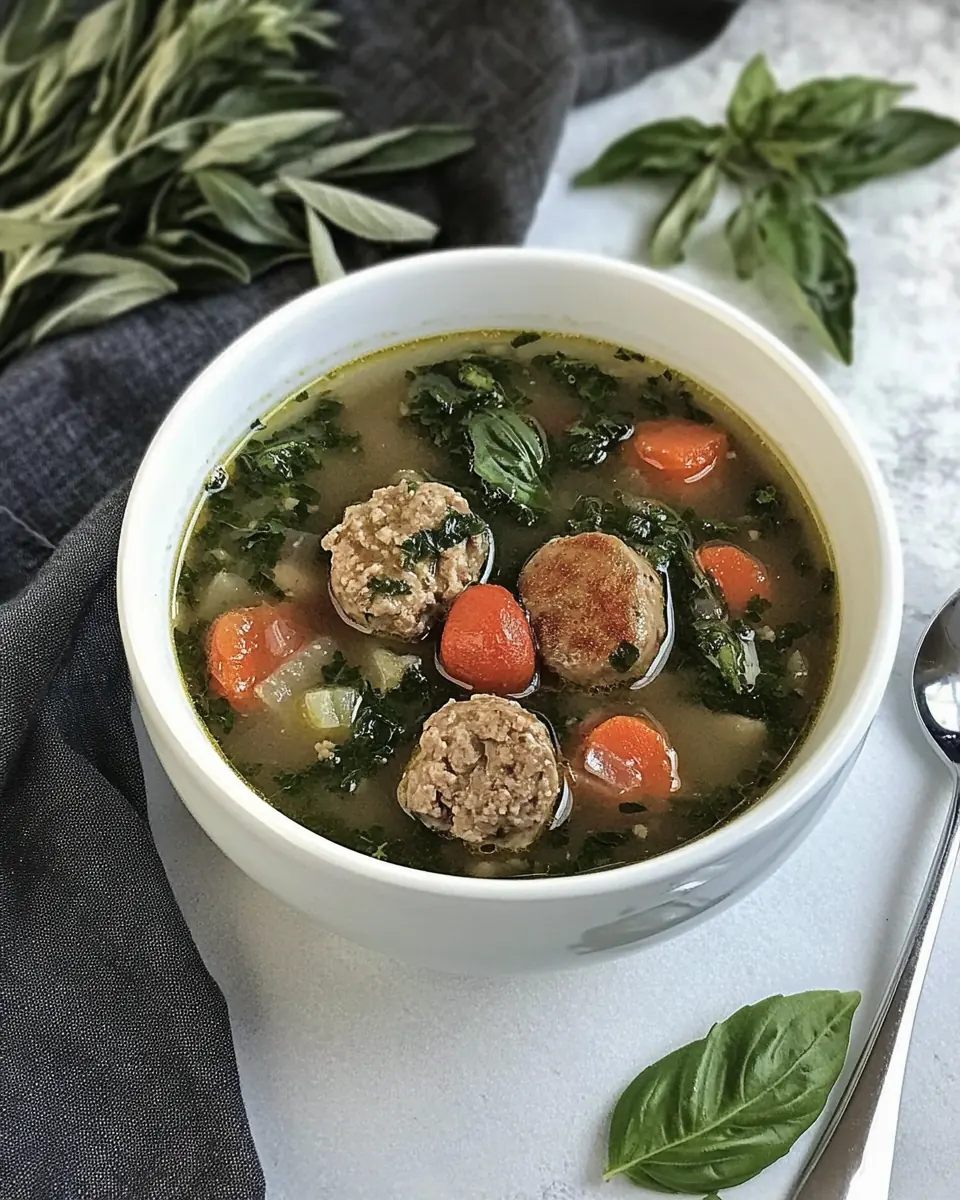
I find that a few focused adjustments elevate this soup from good to memorable. Below I share practical tips that cover timing, texture, and flavor balance so you can make a reliably delicious pot every time.
- Boost broth flavor by simmering the chicken stock with the sautéed aromatics a bit longer to extract maximum depth before adding the meatballs.
- Keep meatballs tender by mixing gently and not overworking the meat, and by choosing a small size so they cook quickly and remain juicy.
- Prevent mushy pasta by timing the pasta addition so it finishes cooking just as you are ready to serve, and consider undercooking by a minute if you plan leftovers.
- Control salt by tasting after the broth has simmered and after the pasta is added, since starch and reduction can concentrate saltiness.
- Finish with fresh greens like the spinach at the end for color and brightness, stirring just until wilted to preserve texture.
What to Serve Alongside Italian Wedding Soup
This soup is flexible enough to anchor a simple weeknight meal or to shine as part of a more elaborate dinner. Below are thoughtful pairings and serving ideas to make the most of each bowl during different occasions.
- Crusty bread or rolls: A warm crusty loaf is ideal for sopping up the savory chicken stock, and it pairs perfectly when you want something rustic and satisfying.
- Light green salad: A crisp salad with a bright vinaigrette offers a refreshing counterpoint to the warm, savory bowl, making it a great option for a balanced lunch or dinner.
- Grated cheese on the side: Place grated cheese at the table for guests to sprinkle as they like, adding a nutty, savory finish without overpowering the soup.
- Family dinners: Serve this soup as the main course for a cozy family meal, pairing it with simple sides so everyone can enjoy second helpings.
- Entertaining: For casual entertaining, offer bowls of soup with small plates of antipasti or olives to create a relaxed Italian inspired spread.
- Make ahead and store: Keep components like the meatballs and stock separate if you plan to store leftovers, and add the pasta fresh when reheating to avoid sogginess.
- Seasonal pairing: This recipe is ideal in colder months when a warm, nourishing bowl feels especially welcome, making it a winter favorite.
FAQ
Conclusion
This Italian Wedding Soup stands out for its comforting balance of savory meatballs, tender vegetables, tiny pasta, and bright greens. It’s a bowl that warms from the inside out, perfect for gatherings or a simple weeknight meal. Give it a try and notice the small details like the aroma of sautéed garlic and the pop of bright spinach; these are what make it so satisfying. I hope you enjoy serving it as much as I do, and that it becomes a dependable favorite in your kitchen.
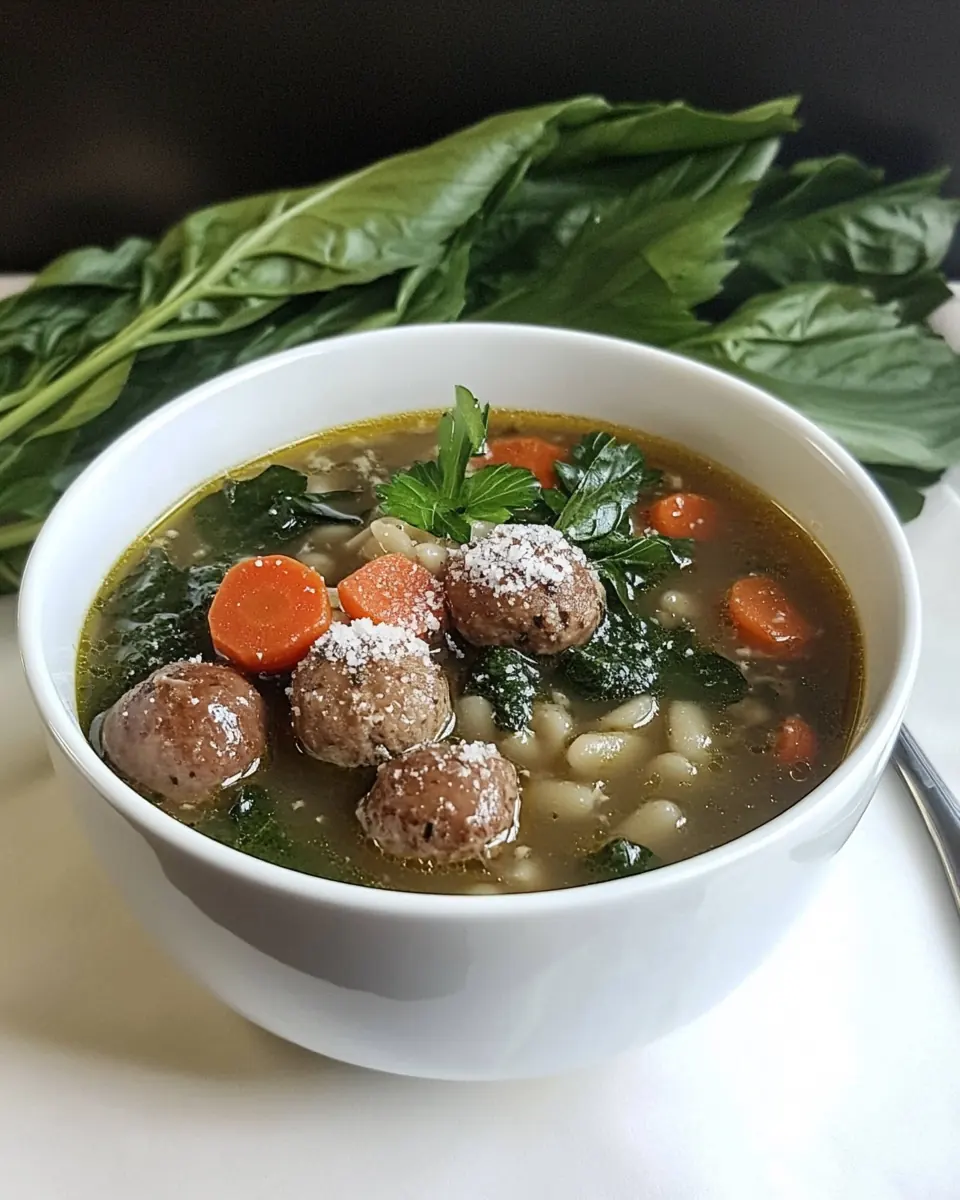
Italian Wedding Soup
Ingredients
Equipment
Method
- Heat 1 tablespoon of the oil in a large stockpot. Saute the onion until soft and translucent.: As the oil warms you will notice a soft sheen appear on the surface and a faint fragrance, signaling readiness. The sound is subtle, a gentle hiss when you add the onion . This preheating step matters because it ensures an even sweat rather than steaming, which yields a sweeter, more developed base. If the oil smokes, your pan is too hot, and you should lower the heat immediately to avoid bitter notes.
- Add garlic and saute just until fragrant, do not brown. Remove to a medium bowl.: You will see the edges of the onion turn glossy and the aroma shift from sharp to mellow and sweet. This is where foundational flavor builds, and patience pays off. Stir frequently to prevent browning, which would introduce different caramelized flavors. A common mistake is turning up the heat to rush this step, which risks uneven cooking and burnt bits.
- Add the rest of the oil to the pan, then the celery and carrots, and cook until tender. Add stock and thyme and let simmer.: The moment you add the minced garlic , the kitchen will fill with a warm, inviting scent. Let it cook only a few seconds until fragrant because browned garlic becomes bitter. The 'why' here is that gentle cooking releases aromatic oils without creating harsh flavors. If you notice dark specks, remove the pan from heat immediately to cool it down.
- Make meatballs by combining cooked minced onion, ground beef, salt, bread crumbs, and egg. When well combined, make meatballs (1/2-1 inch in diameter).: As you take the softened aromatics off the heat, their residual warmth will carry flavor forward without overcooking, which keeps them vibrant in the finishing soup. This pause also prevents them from continuing to cook and potentially burn while you start other components. Avoid leaving them in the hot pan, because they can darken quickly when the pan is already warm.
- At this point, you may saute them or drop them raw into simmering soup.: You will hear a gentle sizzle as the vegetables hit the pan and see edges become glossy. The scent will deepen into a savory, slightly sweet vegetable base. Cooking until tender but not mushy preserves texture, giving pleasant contrast to the meat and pasta . A common trap is overcrowding the pan, which causes steaming rather than sauteing, so give the vegetables room to brown slightly.
- Simmer until the meat is cooked through.: When you pour in the chicken stock you will notice steam and a sudden melding of aromas. The simmer should be gentle enough that small bubbles rise steadily, extracting flavor without aggressive evaporation. The thyme infuses slowly, releasing earthy notes that harmonize with the meat . If the pot boils vigorously, reduce the heat to avoid toughening the meatballs later.
- Add pasta and cook until done.: As you mix the components, the texture becomes cohesive and slightly tacky, which helps the balls hold together. The cooked onion folded in gives both flavor and moisture. Be careful not to overwork the mixture, because compacted meatballs can become dense. A common error is adding too many breadcrumbs, which yields dry meatballs.
- Right before serving, stir in spinach until wilted.: Rolling to a consistent size ensures even cooking and a pleasing bite, and the small diameter lets them cook quickly through while staying tender. You will feel the mixture spring slightly as each ball forms. If the mixture feels too loose, chill briefly; if too firm, a splash of stock or a beaten egg can help bind.
- At this point, you may saute them or drop them raw into simmering soup: Sauteing gives a browned crust and an extra layer of flavor, while dropping them raw keeps the interior softer and the broth purer. If you saute, watch for a golden sear and a fragrant, meaty aroma. If adding raw, the simmer will poach them gently and infuse the broth. Avoid overbrowning during sauteing, because burnt bits will impart bitterness.
- Simmer until the meat is cooked through: You will see the meatballs turn from a raw red to a cooked brown and feel firmer to the touch when they are done. The broth will pick up savory juices from the meat , deepening the overall flavor. Simmering gently preserves tenderness; an aggressive boil can toughen the meat. A mistake to watch for is undercooking, so cut one open to check if unsure.
- Add pasta and cook until done: As the tiny pasta cooks, the broth will smell fuller and you may notice the liquid thicken slightly from released starch. Stir occasionally to prevent sticking and taste to find the ideal al dente texture. Overcooked pasta becomes mushy and will absorb too much broth, so time this step carefully.
- Right before serving, stir in spinach until wilted: The spinach will collapse in moments, turning bright green and releasing a fresh, vegetal scent. Adding it last preserves color and nutrients and gives a lively finish to the bowl. If added too early, the greens will become dull and lose texture. A common oversight is not seasoning after the greens go in, since they can mute flavors slightly.
Notes
- Boost broth flavor by simmering the chicken stock with the sautéed aromatics a bit longer to extract maximum depth before adding the meatballs.
- Keep meatballs tender by mixing gently and not overworking the meat, and by choosing a small size so they cook quickly and remain juicy.
- Prevent mushy pasta by timing the pasta addition so it finishes cooking just as you are ready to serve, and consider undercooking by a minute if you plan leftovers.
- Control salt by tasting after the broth has simmered and after the pasta is added, since starch and reduction can concentrate saltiness.
- Finish with fresh greens like the spinach at the end for color and brightness, stirring just until wilted to preserve texture.