Preheat oven to 350 F. Combine butter, 1 1/2 cup almond flour, 1/4 cup erythritol, vanilla, and a pinch of salt. Press evenly into a 9 x 9" parchment paper-lined baking dish. Bake for 15 minutes or until crust starts to become golden on the edges.: As the oven warms you will notice a faint rising oven smell and a steady hum, which signals a stable baking environment. Preheating ensures the crust begins to set immediately, helping it become crisp at the edges while remaining tender inside. If you skip preheating you risk an underbaked, dense crust. Place a rack in the center so heat circulates evenly.
While the crust is baking, in a large bowl, combine the ingredients for the filling and beat or whisk until lump free and fully incorporated.: The mixture should feel slightly sandy and cohesive when your fingers press it together, with the butter coating the almond flour particles. This coating helps produce a crumbly yet compact crust that will brown attractively. If the mixture seems too dry, a touch more softened butter can help, but add sparingly to avoid greasiness.
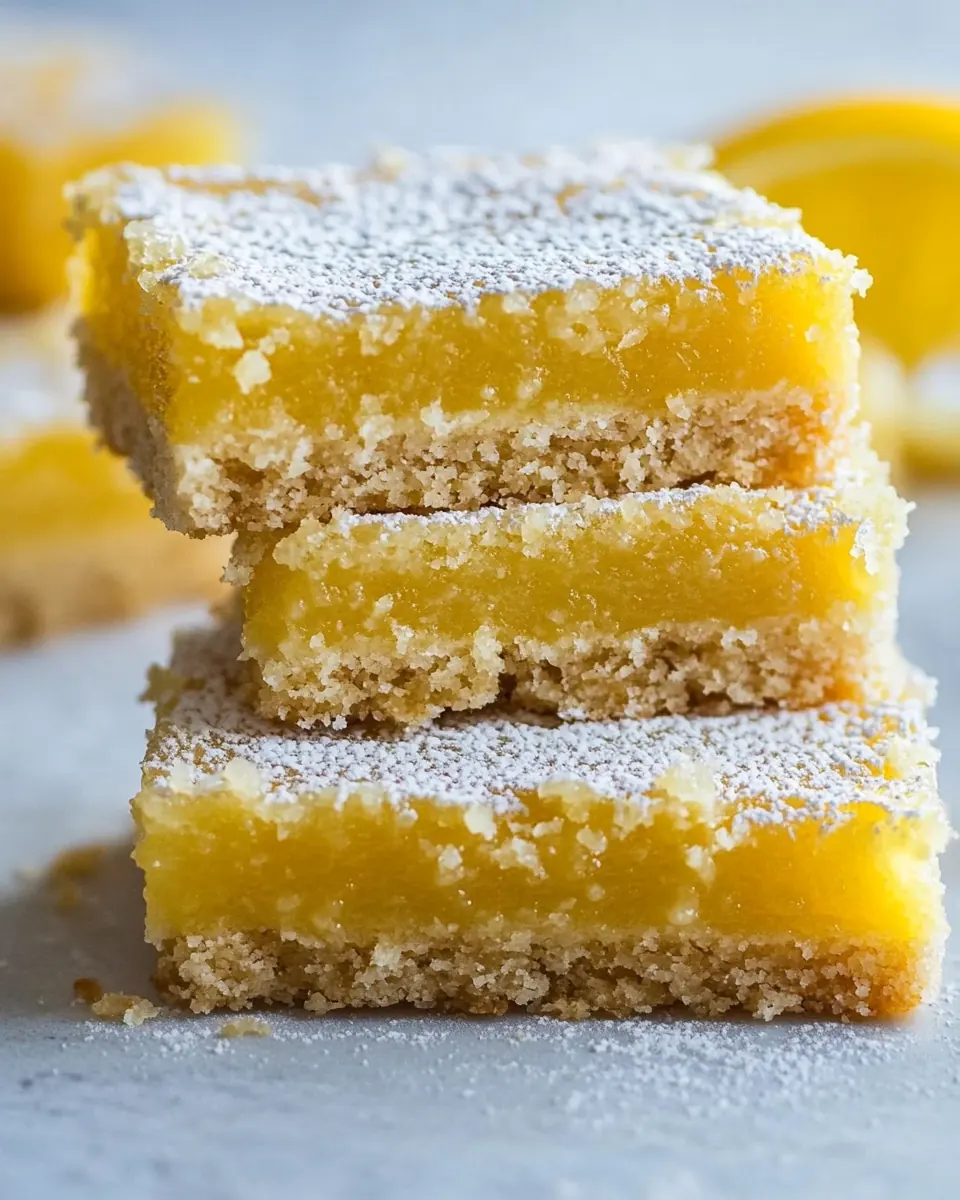
Pour the filling onto the pre-baked crust & bake for 25 minutes. Cool for at least 30 minutes, cut into 12-16 small squares and sprinkle with powdered erythritol if desired.: Press with the flat bottom of a measuring cup for an even, compact layer, paying attention to the corners where thickness can vary. An even press ensures uniform baking and a consistent bite across the pan. Avoid overworking the dough, as this can make the crust dense instead of tender.
Bake for 15 minutes or until crust starts to become golden on the edges: You will see the edges take on a warm golden hue and smell a toasty, buttery note. These cues indicate the crust's moisture has reduced and it will hold up under the filling. If the center still looks pale after 15 minutes, give it a few more minutes, watching closely to prevent burning.
While the crust is baking, in a large bowl, combine the ingredients for the filling and beat or whisk until lump free and fully incorporated: The filling should become smooth, glossy, and slightly thickened, with the eggs fully emulsified into the sweetened almond flour and lemon juice . This smooth texture ensures even setting and avoids curdled pockets. Strain the mixture if small lumps persist for a silkier finish.
Pour the filling onto the pre-baked crust & bake for 25 minutes: As the filling bakes you will notice it puff slightly and the surface may change from glossy to a more matte finish, often with tiny set edges around the pan. That visual change means the proteins in the eggs are coagulating and the filling is setting. Avoid opening the oven too frequently, as sudden temperature shifts can cause the filling to crack.
Cool for at least 30 minutes: Cooling lets residual heat finish the setting process and prevents the bars from crumbling when sliced. During cooling you may smell a concentrated lemon aroma and notice the bars firm from warm and wobbly to stable and sliceable. Cutting too soon is a common mistake, leading to sloppy slices.
Cut into 12-16 small squares and sprinkle with powdered erythritol if desired: Use a sharp knife wiped between cuts for clean edges, and press gently to avoid crumbling the crust. The powdered erythritol adds a delicate sweet finish and a pretty presentation without overpowering the lemon. If you see crumbling, return the pan to the fridge briefly to firm up before slicing.