In a large mixing bowl, use your fingertips to rub together the sugar and orange zest until all of the sugar is evenly moistened with the zest.: The moment you rub the granulated sugar with the orange zest, you will smell a sudden burst of citrus oils, bright and sharp, which signals the aroma has transferred. This fragrant step perfumes the base of the dough, ensuring orange essence in every bite. Use gentle pressure so the sugar grains absorb the oils rather than becoming pasty. If you press too hard, you risk releasing bitter pith or creating a clumpy mixture that will not fold smoothly into the butter. A common mistake is rushing this step, which results in uneven flavor distribution; take your time to coax out the oils for an even, aromatic foundation.
Add the butter and beat on medium-high speed for 5 minutes, stopping to scrape the sides of the bowl occasionally, until the mixture is pale, light and fluffy.: As the unsalted butter incorporates with the citrus-scented sugar, the mixture will transition to a pale, creamy texture and a lighter color, showing that air has been trapped. You should hear a slight change in the mixer sound as the mixture loosens and becomes aerated. Scrape the bowl periodically so pockets of butter or sugar do not remain unincorporated. This aeration is why the cookies finish with a delicate crumb; skipping adequate beating can cause dense cookies. Avoid overheating the butter; if it appears greasy or liquid, chill briefly before continuing.
Add the eggs one at a time, beating for a full minute on medium speed after each addition. Add the milk and vanilla extract and beat to combine.: After each egg , the batter will become silkier and glossier, and the beaters will move more smoothly through the mixture, indicating a stable emulsion. The milk and vanilla extract round out the liquid phase, softening the batter and adding depth. If you add eggs too fast, the mixture may break or separate, creating a curdled appearance that will flatten the cookies. If curdling occurs, a few seconds of brisk beating or a brief addition of a tablespoon of flour can help bring it back together, but prevention by paced egg addition is best.
Sift the flour, baking powder and salt into the dough a little at a time, and beat on low speed until just combined. Use a rubber spatula to give the dough a final mix and incorporate any pockets of flour. The dough should be soft, but not sticky. Cover with plastic wrap and allow to rest for 20 minutes.: As you add the sifted all purpose flour , baking powder , and salt , the dry ingredients will disappear into the batter and the sound of the mixer will change to a deeper, slower thrum. The dough should come together into a soft mass that holds shape without clinging to your fingers. Resting the dough allows the gluten to relax, which makes shaping easier and prevents spring back. If the dough is sticky after resting, sprinkle a tablespoon of flour and gently fold; too much extra flour will dry out the cookie. A common misstep is skipping the rest, which can make ropes difficult to shape and result in misshapen cookies.
Preheat oven to 400 degrees F. Line two baking sheets with parchment paper or silicone baking mats.: As the oven warms to 400 degrees F , you will hear the faint hum of preheating and the kitchen will start to carry a neutral warmth. Proper preheating ensures even browning and that the cookies begin setting immediately upon entering the oven, preserving shape and texture. Use parchment or silicone to prevent sticking and to promote even bottoms. If the oven is not fully preheated, cookies may spread too much or bake unevenly. Ovens vary; consider using an oven thermometer to confirm accurate temperature.
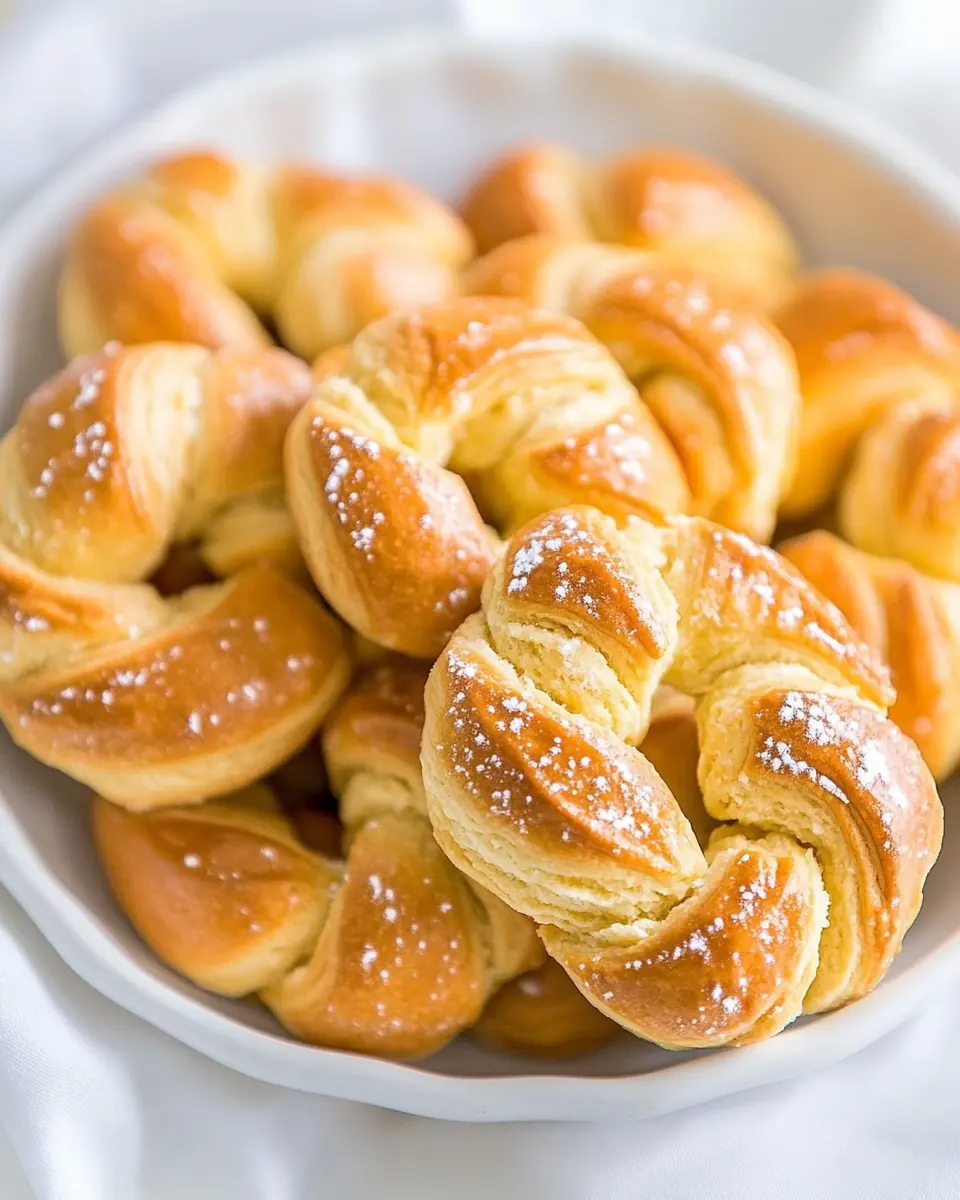
Using about 2 tablespoons of dough at a time (or a medium cookie scoop), roll the dough into 7-inch ropes and then shape as desired: braids, circles, pinwheels, "S"s, etc. Place at least 2 inches apart on the prepared baking sheet.: braids, circles, pinwheels, "S"s, etc. Place at least 2 inches apart on the prepared baking sheet : When you roll each 2 tablespoon portion into a 7 inch rope, you will feel the dough become silky and pliable, slightly cooling under your hands. The dough should hold its shape well when shaped into braids or coils, and the tension you create while rolling helps produce a smooth exterior that bakes to a lovely surface. Spacing is important so that cookies have room to expand and brown; cramped cookies will touch and lose definition. A common error is making ropes too thin or too thick, which will change baking time and texture; aim for consistent thickness for even baking.
In a small bowl, whisk together the egg yolk and water for the egg wash. Brush over the shaped cookies.: The egg yolk mixed with water becomes a glossy glaze that deepens color and highlights shapes. Whisk until smooth and slightly frothy; brush lightly and evenly so the wash does not pool. The wash will give a shiny, attractive finish and encourage gentle browning. Too heavy an application can drip and create dark patches, so tap off excess from your brush. If your brush has bristles that shed, use a silicone brush to avoid stray fibers.
Bake, one sheet at a time, until golden brown, about 20 minutes. Allow to cool on the baking sheet, then store in an airtight container for up to 2 weeks.: As you brush the wash, you will notice the dough gleam immediately, and the brush strokes help define braided edges and creases. The thin, even coating ensures uniform browning without altering the cookie interior. If the dough surface seems tacky or the wash beads, you may have added too much water; blot lightly with a paper towel. A common oversight is brushing after the cookies are already on a very warm sheet, which can cause uneven spreading of the wash; aim to brush before they hit the oven.
Bake, one sheet at a time, until golden brown, about 20 minutes. Allow to cool on the baking sheet, then store in an airtight container for up to 2 weeks: The aroma in the kitchen will shift from citrus to a warm, buttery bread scent as the edges begin to turn golden. Listen for a faint, gentle crackle as steam escapes; visually, you want an even golden brown all over. Baking one sheet at a time helps maintain oven temperature, ensuring consistent results. Removing them too early can yield doughy centers, while leaving them too long produces dryness. Letting them cool on the sheet lets the cookie finish setting; transferring too soon risks breakage. Stored properly in an airtight container, they retain texture for days, but humidity can soften them over time, so keep them in a cool, dry place.