Preheat the oven to 425 degrees. Line two baking sheets with parchment paper and set aside.: The moment the oven finishes preheating, you will notice a warm, dry air that helps the shells set quickly; that initial high heat creates a burst of steam inside the dough, which is essential for achieving tall, hollow puffs. A properly preheated oven also prevents the dough from spreading and encourages an even rise. One common mistake is not letting the oven fully reach temperature, which can lead to flat or dense shells. Ensure racks are centered so heat circulates evenly, and have your sheets ready to avoid delays.
Pastry: When you start the pastry stage you will smell the sweet butter melding with water and salt, and the dough will transition from watery to a glossy mass as you stir in all purpose flour . This sensory change is a key cue that gluten has developed just enough to hold structure yet remain tender. If the dough seems limp instead of forming a ball, it likely needs a touch more heat to evaporate excess moisture. Avoid adding extra flour except a teaspoon at a time; too much will give dense shells.
In a medium saucepan, add the water, butter and salt. Stir and bring to a boil.: You will hear the gentle simmer then a quick rise to boil, and the butter should be fully melted, producing a glossy surface. This boiling step ensures the water to fat ratio is correct so the dough will puff. A common error is simmering too gently, which prevents proper mixing when flour is added, so bring it to a rolling boil before the next step.
Remove the pan from the heat and add the flour. Stir vigorously.: As soon as the flour touches the hot liquid, you'll feel the mixture thicken rapidly; stirring vigorously helps hydrate the flour evenly and prevents lumps. The dough will form into a rough mass that smooths as you continue to work it; this is the point where you transform wet ingredients into a cohesive batter. Avoid under stirring, which leaves pockets of dry flour, or over stirring, which can overdevelop gluten and toughen the shells.
Return the pan to the burner and cook while constantly stirring until a ball of dough forms. The dough should be smooth with a bit of shine.: On the heat, the dough will lose surface moisture and take on a glossy sheen, releasing from the pan into a ball. This step cooks out excess moisture, and that helps the pastry hold its shape while baking. If the dough remains wet and paste like, the shells may collapse in the oven. Stir continuously to avoid scorching on the pan bottom.
Remove the pan from the heat and let the dough cool for about 10 minutes.: Cooling lets the dough temperature drop so the eggs do not scramble when added, and you will notice the surface steam subside. Waiting is tempting to skip, but rushing can ruin the texture. If you add eggs too soon the mixture will separate or curdle, so be patient and allow the indicated cool down.
Add the dough to a mixing bowl and beat in the eggs one at a time. The dough should be smooth, thick and sticky.: Each time you add an egg , the dough will loosen slightly and then come back together with a shiny finish; this helps create a pipeable consistency that puffs properly. The rhythm of adding eggs ensures even incorporation and prevents a runny batter. A frequent mistake is adding all eggs at once, which can make the dough too loose and hinder rise. Beat thoroughly until the texture is cohesive and glossy.
Drop about 1/4 cup mound of dough onto the prepared baking sheets, 6 per sheet.: As you drop each mound, you will see a small peak that smooths a bit before baking; spacing them well allows air to circulate and prevents merging. This portion size yields nicely shaped puffs that bake evenly. If mounds are uneven, some may brown faster than others, so try to keep them consistent. Use a spoon or piping bag for uniformity, and space them to allow expansion.
Bake for 15 minutes, and then reduce the temperature to 350 degrees and bake for an additional 20-25 minutes or until the puffs are golden brown.: The initial high heat creates steam to lift the shells, and reducing the temperature finishes the cooking without burning. You will notice a deepening golden color and hear a faint crackle as moisture escapes. Opening the oven too early can collapse the shells, so resist the urge to peek frequently. If they are pale after the total time, give a few more minutes, watching closely to avoid overbrowning.
Remove from oven and let cool on a wire rack. With a sharp knife split the puffs in half. Remove soft center dough and let cool completely.: Cooling on a rack prevents steam from softening the bottoms, and splitting the puffs while warm makes it easier to hollow out the soft interior. You will feel the difference between crisp shell and tender interior as you remove the soft dough. A common mistake is stacking hot puffs, which traps steam and softens them. Let them cool fully before filling to preserve texture.
Whipped Cream: The whipped cream stage is about temperature and rhythm. Cold heavy whipping cream whips to volume quickly, producing a silky stability that holds inside the shells. You will hear the mixer change pitch as peaks develop, and the texture goes from glossy to billowy. Overwhipping can cause graininess, so stop when you reach a stable, spoonable peak.
Add cream and vanilla to a mixing bowl and whip on high speed adding the sugar slowly. Whip until thickened.: As granulated sugar dissolves into the cold cream, the mixture sweetens and gains structure; vanilla brightens the flavor. The sound of the mixer will shift, and the cream should form soft to medium peaks that hold shape but still feel light. Adding sugar too quickly can deflate the cream, and overbeating will break the emulsion, so watch for texture rather than strictly time.
Lavender Glaze: Making the glaze is a small ritual that yields big impact. Warming the milk and steeping the lavender buds releases aromatic oils that perfume the glaze. The resulting mixture should be fragrant but not bitter; careful timing preserves that balance. Straining removes buds so the glaze is smooth, and whisking in powdered sugar thickens it to a glossy pourable finish.
In a small saucepan add milk and heat until small bubbles begin to form. Remove from heat and add lavender buds and let steep for 10 minutes.: Gentle bubbles indicate the milk is hot enough to extract fragrance without scalding. After removing from heat, the steep releases floral notes into the liquid; keep the steep to the recommended time to avoid bitterness. Oversteeping is the usual trap here, so set a timer and strain promptly into a bowl.
Strain the milk in a small bowl. Add the powdered sugar a tablespoon at a time whisking until smooth and desired consistency.: Straining ensures a silky glaze free of bits, and adding powdered sugar gradually helps you control thickness. The final glaze should coat the back of a spoon and pour in a ribbon. If it becomes too thin add more powdered sugar sparingly, and if too thick, a few drops of warm milk will loosen it.
Assemble: Assembly is where flavor and texture meet. Filling the hollowed shells with chilled whipped cream gives temperature contrast, and the floral glaze ties each bite together. Work gently to preserve the crisp exterior and present the puffs neatly. A rushed assembly can flatten the shells, so take a calm, steady approach.
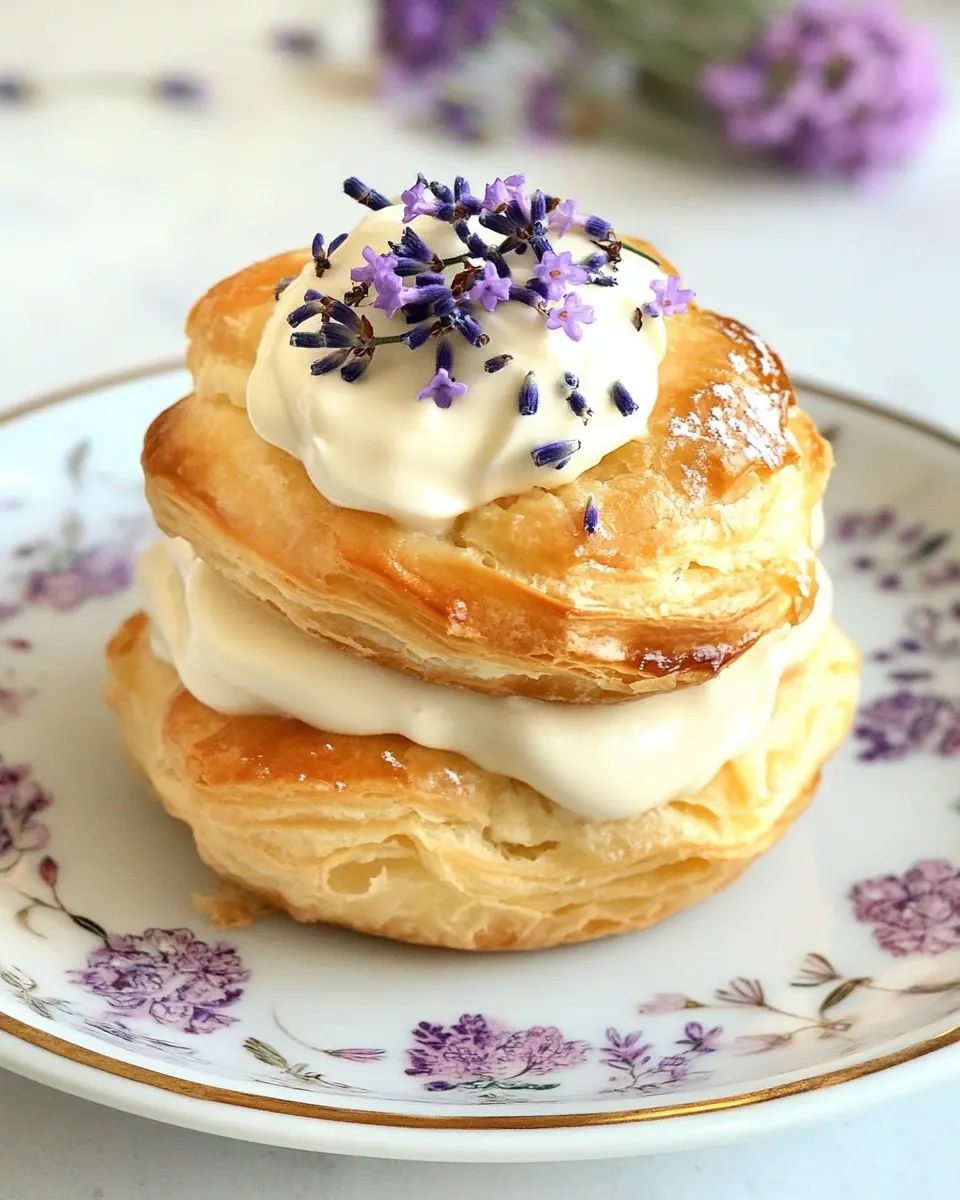
Fill the bottom half of the cream puff with whipped cream. Cover with tops and drizzle glaze on top. If desired, sprinkle with additional lavender buds and powdered sugar.: When you add the chilled whipped cream , you will notice a cool softness against the warm shell if not fully cooled, which is why complete cooling matters. Drizzling the glaze creates a glossy finish and the extra lavender buds add visual charm and a hint of extra aroma. Avoid overfilling which can make them soggy, and serve soon for the best textural contrast.