Preheat oven to 350 degrees F.: When you preheat the oven, you should feel warmth radiating from the oven as it reaches temperature and the interior light often peppers the racks with a soft glow. This step ensures even rise and set, because placing batter into a fully heated oven creates immediate steam that helps the cupcakes bloom. A common mistake is not waiting for the oven to reach temperature, which can cause uneven rise and a dense center. If your oven runs cool, use an oven thermometer to verify it's hitting 350 degrees F .
Mix the cake mix, lemonade, greek yogurt, and eggs on low speed for 30 seconds, then medium speed for 2 minutes. Fill cupcake liners 2/3 full and bake for 20 minutes. Remove from muffin tins to let cool on wire racks.: You will notice the dry mix begin to hydrate and the batter pull together into a thick yet pourable consistency, and the paddle or whisk will make a low humming sound as it folds ingredients. This mixing sequence allows the liquids to evenly incorporate without overdeveloping gluten, which keeps the crumb tender. A common pitfall is overmixing, which can create a gummy texture, so stop when the batter is smooth and homogenous. Visual cues include no streaks of dry mix and a slightly glossy batter surface.
Beat the butter until light and fluffy, add the marshmallow fluff, vanilla, 2 tbsp of lemonade and lemon zest. Beat until fully incorporated, scraping sides of bowl when needed. Gradually add the powdered sugar, again scraping sides of bowl when needed. Add more lemonade if you desire the frosting to be thinner consistency.: As you fill liners, the batter should hold a soft peak then settle, and placing them in the oven will start the cozy scent of baking cake almost immediately. During baking, watch the tops change from glossy to matte and the edges pull slightly away from liners; this signals doneness. If you tap gently on a cupcake, it should spring back, and a toothpick inserted in the center should come out clean or with a few moist crumbs. A frequent error is overfilling cups, which causes batter to spill and form domes that crack, so stick to two thirds full for even baking.
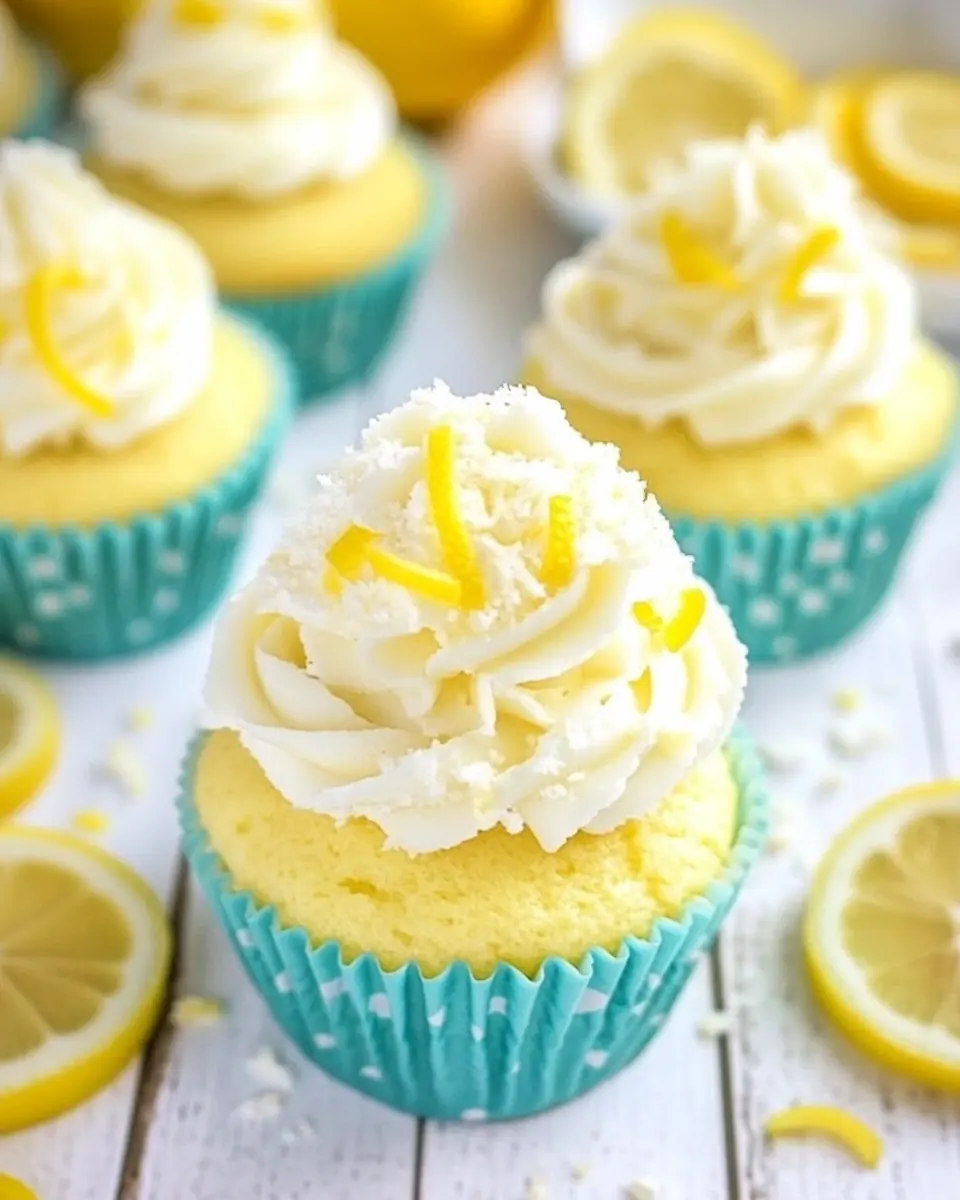
Drop 1/2 tsp of lemon curd on top of each cooled cupcake, pipe the frosting around the lemon curd and swirl on top to cover. Decorate with yellow sprinkles or extra lemon zest if desired. Enjoy!: Cooling on a wire rack lets air circulate underneath, preventing sogginess and helping the cupcakes set properly; you should hear the faint clink of racks as you move the pan. The tops will relax and the aroma of citrus will become more pronounced as steam escapes. Leaving cupcakes in the tin too long traps steam and softens the base, so transfer them after a few minutes when they can be handled without tearing. If you skip this, you might end up with bottoms that stick or become overly moist.
Beat the butter until light and fluffy, add the marshmallow fluff, vanilla, 2 tbsp of lemonade and lemon zest.: Whipping softened butter starts a process where air is incorporated, giving the frosting body and silkiness; you will see the color lighten and texture become whipped. Adding marshmallow fluff and lemonade next creates a glossy, billowy base with bright citrus aroma from the lemon zest . This combination produces a frosting that pipes cleanly while remaining tender to the bite. A common issue is working with butter that is too cold or too warm, which prevents proper aeration; aim for room temperature butter that yields when pressed lightly.
Beat until fully incorporated, scraping sides of bowl when needed.: As you mix, listen for a steady even sound, and pause to scrape the bowl so no pockets of unmixed marshmallow fluff or butter remain; this keeps the texture uniform. Proper scraping prevents streaks and ensures consistent flavor across the batch. A mistake here is skipping scraping, which leads to uneven frosting with lumps or overly sweet pockets, so use a rubber spatula to gather everything into the paddle and continue mixing until smooth.
Gradually add the powdered sugar, again scraping sides of bowl when needed.: Slowly sifting or adding powdered sugar prevents the frosting from becoming gritty or too dry at once, and it allows you to gauge texture. As you incorporate, the frosting will thicken and gain structure, and you can hear the motor lighten as the mixture becomes denser. If the frosting gets too stiff, add a bit more lemonade to loosen it. One common error is dumping the sugar too quickly, which can cause clouds of dust and uneven texture, so add a little at a time and blend thoroughly.
Add more lemonade if you desire the frosting to be thinner consistency.: Adjusting consistency with small amounts of lemonade allows you to control how the frosting sets on the cupcake; a thinner frosting will spread and create softer swirls, while a thicker one holds sharp peaks. You can tell it's the right texture when the frosting forms soft ridges but still holds shape when piped. Over thinning will make it slide off, so add liquid sparingly. If your frosting splits or becomes too loose, chill briefly and then re-whip to restore structure.
Drop 1/2 tsp of lemon curd on top of each cooled cupcake, pipe the frosting around the lemon curd and swirl on top to cover.: The moment you add a dollop of lemon curd , you will see a glossy, jewel like center that attracts the eye, and piping the frosting around it frames that tart burst. As you pipe, you should feel gentle resistance in the bag and see smooth ribbons of frosting form, creating a pleasing spiral. A common mistake is piping before the curd is set, which can cause it to ooze; ensure the cupcakes are fully cool so the curd stays put. The swirl should fully encase the curd so each bite has both creamy frosting and that tart heart.
Decorate with yellow sprinkles or extra lemon zest if desired.: Finishing touches like a shower of yellow sprinkles or a dusting of fresh lemon zest add both visual charm and a boost of aroma. The zest releases citrus oils as you grate it, producing an immediate bright scent, while sprinkles add playful color and a hint of crunch. Avoid overdoing toppings which can distract from the lemon curd center; a light sprinkle is usually enough. If you use zest, grate it finely to avoid bitter pith and to ensure a pleasant texture.
Enjoy!: The final sensory payoff is the combination of soft cake, tart curd, and airy frosting; with each bite you will notice the interplay of textures and flavors. Serve at room temperature so the frosting is soft and the curd is slightly yielding. A typical oversight is refrigerating too early which can harden the frosting and mute the lemon aroma, so let them rest briefly at room temperature before serving.