Preheat oven to 350° F and line a cupcake pan with cupcake liners.: The oven warming fills the kitchen with a faint dry warmth and readies the metal for even heat transfer, which is crucial for uniform rise. Preheating prevents the batter from sitting too long at room temperature, which can alter the chemical reactions of leaveners. Check that the oven rack sits in the center so the cupcakes brown evenly. A common mistake is skipping full preheat, which often yields uneven or underbaked centers.
In a medium mixing bowl, whisk in the flour, baking powder, and baking soda until fully combined.: You should hear a soft rustle as the whisk moves through the dry mix, and visually the flour will look uniformly pale with tiny specs of leavening dispersed. This step ensures pockets of baking powder or soda do not create sudden domes or odd textures in individual cupcakes. If you notice clumps, sift or press them through a fine sieve; lumps lead to uneven rise.
In a separate bowl, using either a hand or a stand mixer, cream the butter and sugar together until it is light and creamy. Crack the room temperature eggs into the butter mixture one at a time, and beat together until smooth. Stir in the vegetable oil, fresh lemon juice, milk and lemon zest to the butter mixture.: As you beat, the mixture will change from dense to pale and airy, and you will feel a lighter texture on the beaters. This trapped air gives the cupcakes lift. If the butter is too cold you will have a grainy mix, and if it is too warm it will become oily and not hold air. Aim for a ribbon like consistency to signal readiness.
Slowly begin to pour in the dry ingredients to the wet ingredients and mix it together. Mix this until it is only just combined, do not over mix.: Each egg should be incorporated fully before adding the next, and you will notice the batter become silkier and glossy. Adding eggs slowly prevents the batter from separating, which can cause curdling and textural issues. If the batter looks curdled, a spoonful of flour can sometimes stabilize it, but gentle mixing usually repairs the emulsion.
Spoon the batter into the cupcake liners and fill the liners until they are a little over halfway full. Pop them in the oven and bake for about 15 to 20 minutes, or until the top of the cupcake bounces back when you press on it.: Once combined, the batter will emit a bright lemon aroma and appear slightly looser, signaling the balance of fat and liquid needed for tenderness. The oil helps keep the cupcake moist over time, while the milk softens the crumb. Overmixing here can develop gluten, so fold gently for tenderness.
Allow the cupcakes to cool completely. Once cooled, use a cupcake scoop or spoon to remove the middle of the cupcake. Using either a spoon or a piping bag, fill the centers of the cupcake with the premade lemon curd.: When the dry components meet the wet, you should see the mixture adopt a uniform color and texture, with no streaks of flour. Mixing slowly prevents overdevelopment of gluten and keeps the crumb delicate. Stir only until the last fleck of flour disappears, because excess mixing leads to toughness and tunnels inside the cupcake.
In a clean and dry medium sized bowl using a hand or stand mixer, beat together the egg whites and cream of tartar until you see soft peaks starting to form.: At this stage you want the batter to be slightly thick but pourable, with a few air bubbles visible. The sound of the spoon will be thicker and smoother. Overworking will tighten the structure and yield denser cupcakes, so stop as soon as homogenous. A common sign of over mixing is a glossy, elastic batter texture that pulls back when stirred.
Add the vanilla extract to the soft peaks and continue to beat this together until the peaks are stiff. This will take about 5 minutes.: Portioning creates a satisfying plop sound as the batter settles, and the surface should look smooth and slightly domed at the top of the liner. Filling them a little over halfway gives room for rise without overflow. If you overfill, cupcakes can spill and bake unevenly, so use a scoop or measuring cup for consistency.
After that, gradually add the sugar until it’s all combined. Put the meringue in a piping bag and frost the tops of the cupcakes. This part is optional, but you can toast the meringue with a kitchen torch if you’d like.: During baking you will notice the aroma intensify as the batter caramelizes slightly at the edges and lemon notes bloom. The surface should spring gently under a fingertip and show a pale golden color. Avoid opening the oven repeatedly, as sudden temperature shifts can cause sinking. If a toothpick comes out with wet batter, they need more time; if it comes out clean earlier, check oven calibration.
Allow the cupcakes to cool completely.: Cooling lets the steam escape and the crumb settle, ensuring the center does not collapse when filled. The tops will firm and become easier to handle, and the aroma mellows slightly into a balanced lemon profile. Rushing this step and filling warm cupcakes can cause the curd to loosen and run, so patience preserves the texture.
Once cooled, use a cupcake scoop or spoon to remove the middle of the cupcake.: Removing the core produces a small hollow that will hold the lemon curd , and the exposed interior should look tender and moist. Use a circular motion to make a neat pocket that helps the curd sit securely. If you cut too deep, you may weaken the structure; keep the cavity shallow for best support.
Using either a spoon or a piping bag, fill the centers of the cupcake with the premade lemon curd.: The curd should be thick and glossy, and as you pipe it the curd will nestle into the cavity with a satisfying sheen. The tartness of the curd contrasts the sweet crumb, and a small dollop is enough to provide a burst without overpowering the bite. If the curd is too warm it can seep into the cake, so ensure it is cooled and slightly set.
In a clean and dry medium sized bowl using a hand or stand mixer, beat together the egg whites and cream of tartar until you see soft peaks starting to form.: The whites will foam and increase in volume, making gentle swooshing sounds as air is incorporated. Cream of tartar stabilizes the proteins so they hold structure. Any grease in the bowl or traces of yolk will prevent whipping, so ensure equipment is pristine.
Add the vanilla extract to the soft peaks and continue to beat this together until the peaks are stiff.: As you whip further, the meringue becomes glossy and holds shape, and the beaters will leave firm trails. Stiff peaks should stand straight without drooping, indicating readiness for piping. Over whipping can make the meringue dry and grainy, so stop once you achieve a glossy stiffness.
After that, gradually add the sugar until it’s all combined.: Adding sugar slowly creates a stable, shiny meringue that is sweet and resilient under light heat if you choose to toast it. The sound will shift to a smoother, lower pitch as the mixture thickens. If sugar is added too quickly, it can deflate the foam, so patience gives the best volume.
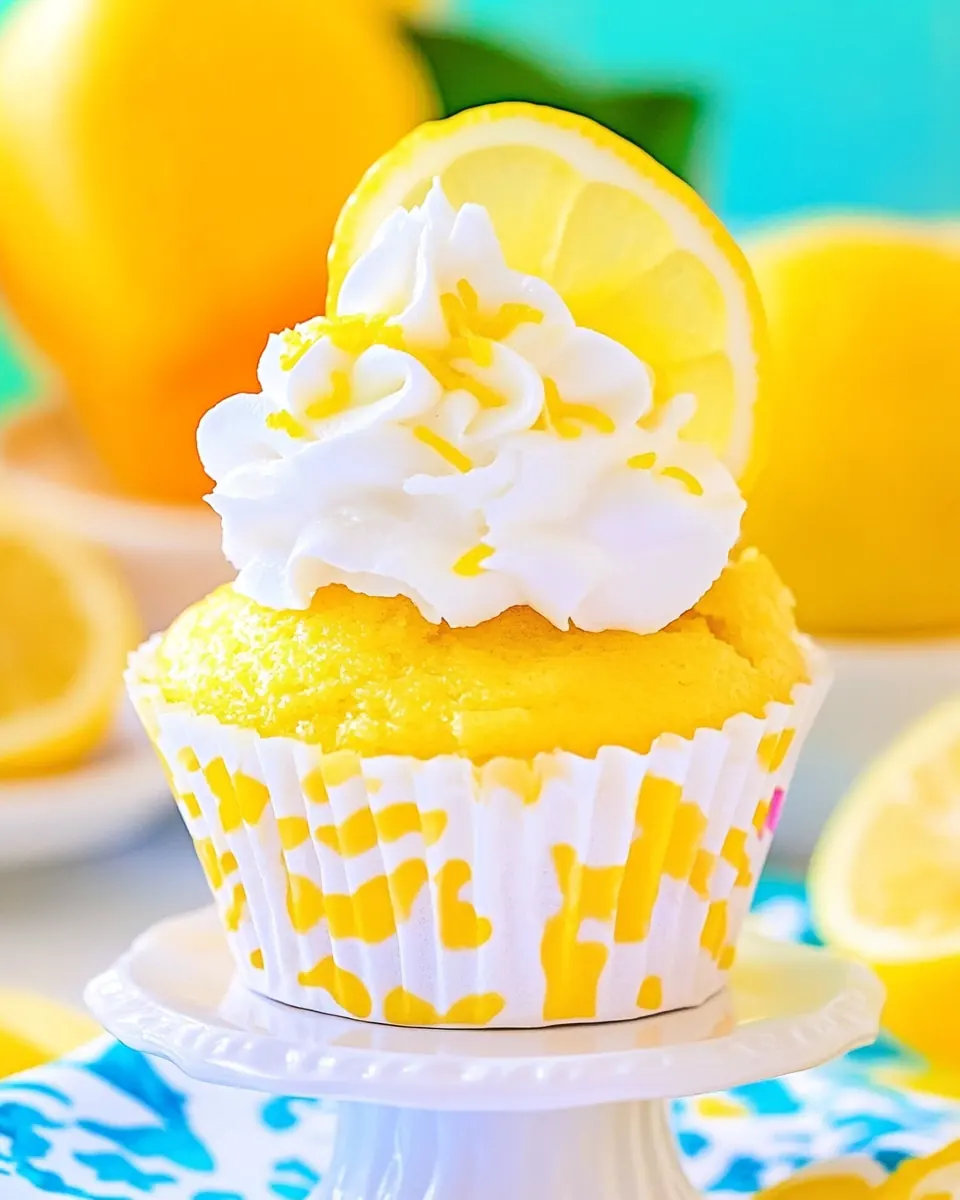
Put the meringue in a piping bag and frost the tops of the cupcakes.: Piping creates a sculptural swirl that adds height and drama, and the meringue will glisten under light. The contrast between airy meringue and dense curd center is delightful. If the meringue droops after piping, it may need a bit more whipping to firm up.
This part is optional, but you can toast the meringue with a kitchen torch if you’d like.: A quick pass with the torch creates caramelized beads of sugar, adding smoky notes and a golden cap that crackles slightly when cut. The visual payoff is big for minimal effort, but be cautious not to overheat a single spot, which can scorch the meringue. If you do not have a torch, a few minutes under a broiler works, but watch closely to avoid burning.