Place a large pot of salted water on the stove. Bring to a boil then add linguine pasta to the pot. Boil the pasta for 8-10 minutes or until al dente according to the package. Drain pasta and set to the side.: You will notice the water glinting as it warms and small bubbles forming along the base of the pot, which signals you are building heat efficiently. Salting the water early seasons the linguine pasta from the inside, enhancing its flavor, and it should taste like the sea when you test a drop. A common mistake is under salting, which leads to bland pasta, so be generous but measured. Avoid adding oil, as that can prevent the sauce from clinging later. Keep the pot covered to reach a boil faster, then uncover before adding the pasta to prevent overflows.
While the pasta is boiling, place a second large pot on the stove over medium heat. Add the butter allowing it to melt, then add the garlic and cook for one minute until fragrant.: As the water reaches a rolling boil you will see vigorous movement and hear a lively roar. Add the linguine pasta and stir gently so the strands separate and do not stick. The bubbling subsides slightly as the pasta takes up heat, and the surface will look busier with floating strands. Stir occasionally while cooking to prevent clumping. A common error is crowding the pot, which causes uneven cooking, so use a pot that gives the pasta room to move freely.
Slowly add the heavy cream and then the garlic salt. Allow the heavy cream to just begin to simmer. Add the grated parmesan by the handful, stirring continuously between handfuls to melt.: The pasta will transition from raw to soft, and al dente means it resists gently under the teeth while still tender. Taste a strand around eight minutes, noting the subtle chew and faint white core if it needs more time. Remove just before it feels fully soft, because it will continue to cook slightly when tossed with the warm sauce. Overcooking leads to a mushy texture that cannot be recovered, so err on the side of slightly undercooked for best results.
Remove the sauce from the heat. Add the grated parmesan and stir well to finish the alfredo sauce.: When the linguine pasta reaches the right texture, drain it quickly and reserve about half a cup of the hot pasta water. You will feel the steam as you lift the colander, and the hot starchy water is a secret tool for smoothing the sauce later. Let the pasta sit briefly in the pot or bowl; avoid rinsing, because rinsing removes the starch that helps the sauce cling. A frequent slip up is discarding the pasta water, which may be needed to rescue a sauce that seems tight or clumpy.
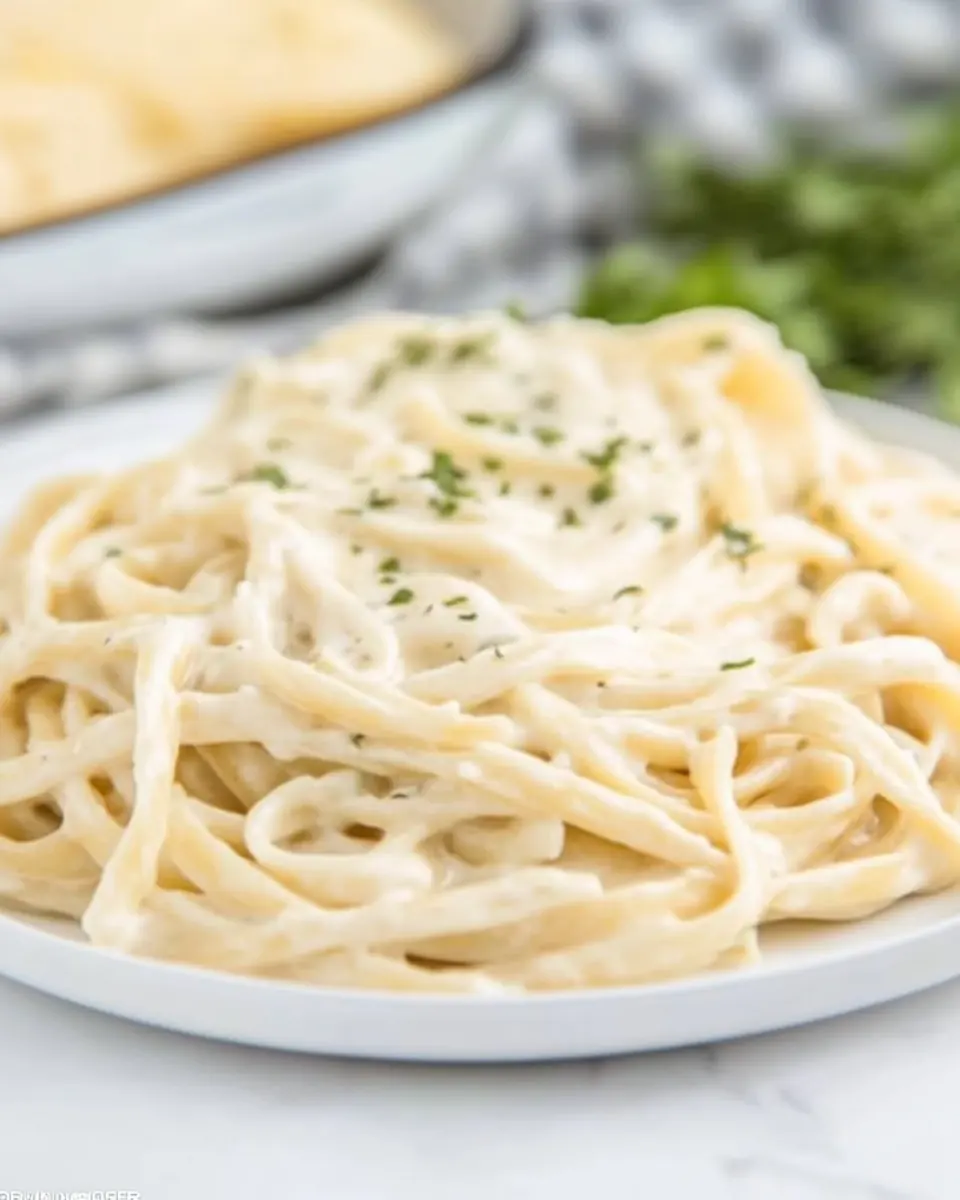
Add the warm linguine to the creamy alfredo sauce, with tongs, coating completely. Sprinkle with parsley if desired, then serve and enjoy!: Set the pot where you can comfortably stir, and allow it to warm so the butter melts evenly. You should sense gentle radiating heat before adding ingredients, which prevents the butter from browning too quickly. Using medium heat helps the sauce develop slowly and prevents separation. Avoid cranking the flame high, which can scorch dairy and ruin the silky finish.
Add the butter allowing it to melt, then add the garlic and cook for one minute until fragrant: Watch the butter soften and become glossy, then add minced garlic and stir until you smell a warm, savory perfume. That aroma is a cue that the oils have been released and are ready to flavor the sauce. Cook briefly, because burnt garlic will introduce harsh bitterness. If the garlic begins to brown, reduce the heat immediately and scrape those bits to prevent off flavors.
Slowly add the heavy cream and then the garlic salt: Pour the half and half or heavy cream in a steady stream while whisking to combine with the melted butter . You will see the liquid transform from separated fats to a unified silky pool as heat integrates them. Add the garlic salt cautiously, tasting as you go, because the cheese will contribute additional salt. Let the mixture come to a gentle simmer where small bubbles gather at the edges, this helps the sauce thicken without boiling aggressively which can cause separation.
Allow the heavy cream to just begin to simmer: At this stage the surface will show soft, rising bubbles and a faint steam, signaling the right temperature for adding cheese. The gentle heat encourages the sauce to reduce slightly and concentrate flavor, which creates a clingy texture. Avoid a rapid boil, because intense agitation can make a cream based sauce split. If the sauce shows signs of separation, remove from heat and whisk in a splash of reserved pasta water to bring it back together.
Add the grated parmesan by the handful, stirring continuously between handfuls to melt: As you drop in pieces of parmesan cheese you will hear a soft settling and see the cheese melt into the warm cream, thickening it gradually. Stirring between additions helps the cheese incorporate evenly and prevents clumping. If you add too much at once the cheese can clump and grain the sauce, so patience is key. If clumping occurs, a tablespoon of the reserved hot pasta water whisked in will usually revive the emulsion.
Remove the sauce from the heat: With the sauce glossy and slightly thickened, lifting the pot off the burner preserves its creamy texture and prevents overcooking. Residual heat will finish melting any remaining cheese. This pause also stops the sauce from developing a cooked dairy edge that dulls flavor. A typical mistake is keeping the sauce on high heat too long, which can separate fats and produce a greasy mouthfeel.
Add the grated parmesan and stir well to finish the alfredo sauce: Finishing with the remaining parmesan and a final stir creates a cohesive, silky sauce that is evenly seasoned. The surface will sheen and the sauce should be thick enough to coat the back of a spoon. If it feels too thick, whisk in small amounts of the reserved pasta water to reach the desired consistency. Over thinning will make the sauce watery, so add water cautiously.
Add the warm linguine to the creamy alfredo sauce, with tongs, coating completely: Toss the hot linguine pasta with the sauce using tongs, feeling each strand become slick and glossy. The sound is a soft clinking as strands move, and visually you will see each ribbon transform from pale to lustrous. Tossing right away helps the pasta absorb flavor and temperature evenly. A common error is pouring sauce over cold pasta, which prevents it from coating properly and cools the sauce too quickly.
Sprinkle with parsley if desired, then serve and enjoy: Adding chopped parsley introduces color and a fresh aroma that contrasts the creamy sauce. Serve immediately while steam rises and the sauce is still fluid, so each forkful is warm and cohesive. Letting the dish sit too long causes the sauce to set and thicken, so serve promptly. If the sauce firms up while resting, stir in a splash of warm pasta water to loosen it before plating.