Preheat oven to 350 degrees F. Grease and flour a 9 x 5-inch loaf pan; set aside.: The heat of the oven creates immediate lift and sets the cake edges, so you will hear nothing dramatic, but you will notice the warm oven air and the faint scent of heat once preheated. Greasing and flouring the pan prevents sticking and encourages a clean release with an even crust. When you press the greased pan surface, it should feel slick, not greasy, and the flour should coat evenly without clumps. A common error is insufficient grease or too much flour, which can either cause sticking or leave a floury residue on the crust. I recommend tapping out excess flour so the surface is even, which helps the loaf rise with a smooth exterior.
In a medium bowl, whisk together the flour, baking powder, and salt; set aside.: As you whisk, you will see the pale, powdery mixture become uniform, and the whisk will stir up a faint dust cloud that smells of raw flour. This step distributes the baking powder and salt so pockets of leavening do not cause uneven rise. The reason for doing this separately is to avoid overmixing later; when these dry components are sifted or whisked, they will settle into the batter more gently. Mistakes here include skipping the whisk which can leave lumps or concentrated leavening, resulting in odd bulges in the loaf. A fine, even mix is the quiet foundation of a fine crumb.
Add the sugar and lemon zest to the bowl of a food processor; process until combined, about five 1-second pulses. Add the eggs, lemon juice and vanilla; process until combined, about 5 seconds. With the machine running, add the melted butter through feed tube in a steady stream. Transfer the mixture to large bowl. Sift the flour mixture over eggs in three additions, whisking gently after each addition until just combined.: The initial pulsing releases the fragrant oils from the Meyer lemon zest into the granulated sugar , creating a perfumed sugar that will infuse the batter. When you add the eggs , you will notice the mixture thicken and become glossy, the aroma intensifying. Pouring the warm melted butter slowly while processing helps emulsify the fat into the eggs and sugar, resulting in a silky batter rather than one that separates. As you sift the dry ingredients in three parts, you will see the batter change from loose to slightly thicker, and you should stop mixing when streaks of flour mostly disappear, leaving a homogeneous, pale yellow batter. The sensory cue is a smooth sheen and lack of dry pockets. Overmixing at this stage develops gluten and can produce a denser loaf, so be gentle. If the butter is too hot, it can cook the eggs; let it cool slightly before adding to avoid curdling.
Pour the batter into the prepared pan and bake for 15 minutes. Reduce the oven temperature to 325 degrees F and continue to bake until deep golden brown and a skewer inserted into the center comes out clean, about 35 minutes, rotating the pan halfway through baking time. Cool in pan on a wire rack for 10 minutes.: At first you will notice the batter puff and the top set, often with a faint glossy sheen. Reducing the oven temperature after the initial bake prevents the crust from overbrowning while allowing the center to finish cooking evenly. The aroma will change from raw batter to a warm, buttery lemon scent, and the top should develop a deep, even golden brown. Insert a skewer into the center to check doneness; it should come out clean or with a few moist crumbs, not raw batter. Rotating the pan helps even heat exposure if your oven has hot spots. A common mistake is opening the oven door too often which releases heat and can cause the loaf to sink. Cooling in the pan for 10 minutes lets the crumb set so the loaf does not break when turned out.
Meanwhile, bring the sugar and lemon juice for the glaze to a boil in a small saucepan, stirring occasionally to dissolve the sugar. Reduce the heat to low and simmer until thickened slightly, about 2 minutes.: As the mixture heats, you will hear a gentle simmer and see the sugar dissolve into a glossy syrup, the air filling with bright citrus steam. Boiling briefly concentrates the flavors and helps the glaze thicken enough to cling to the cake. Simmering for the recommended time reduces the watery edge without becoming syrupy. Avoid boiling too long which can caramelize the sugar and alter the flavor. Stir occasionally to prevent scorching, and remove from heat once it has slightly thickened so it remains pourable for glazing.
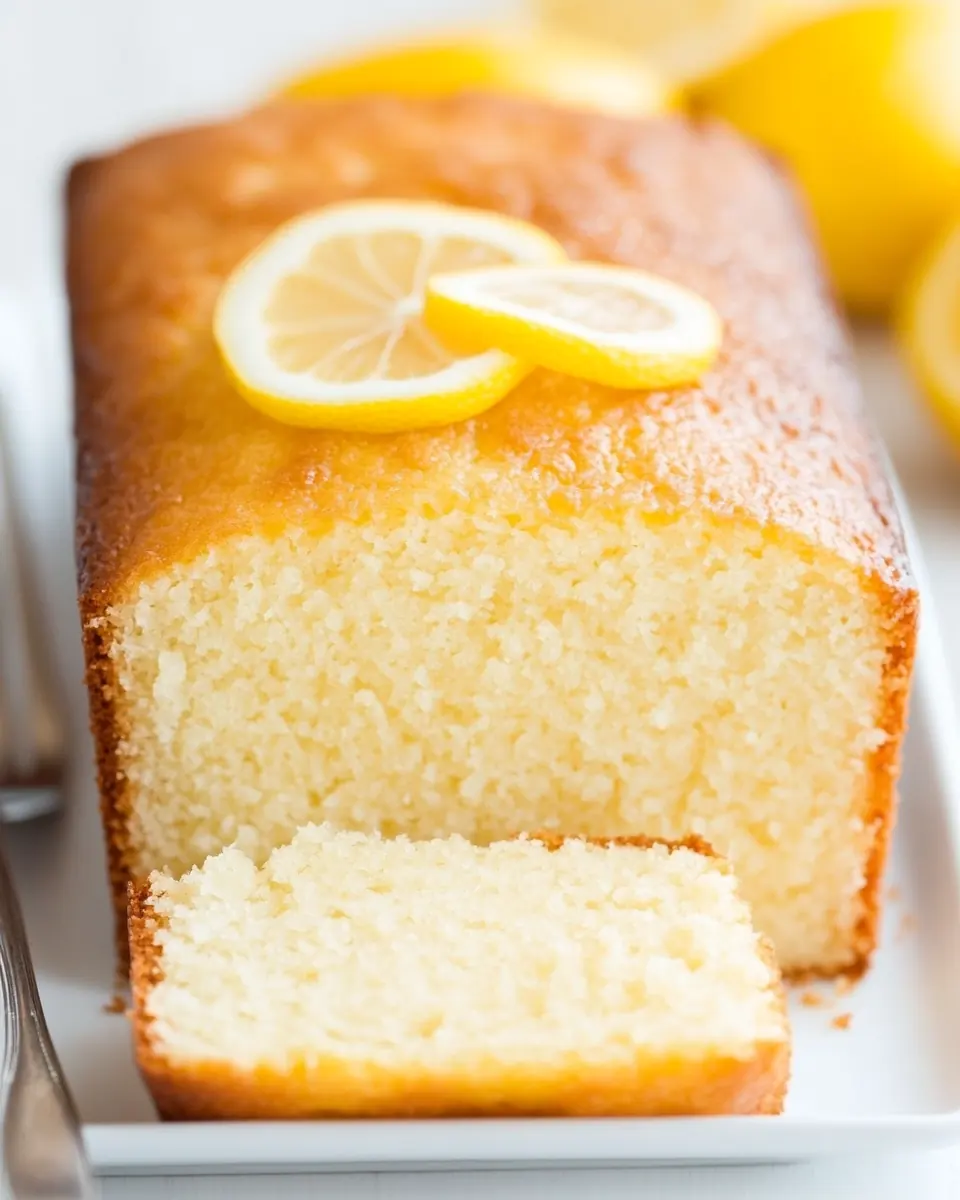
Remove the cake from the pan and place on a wire cooling rack. Using a toothpick, poke holes all over the top and sides of the cake. Brush the lemon glaze all over the top and sides of the cake. Allow the cake to cool to room temperature, at least 1 hour. The cake can be stored at room temperature, wrapped tightly in plastic wrap, for up to 5 days.: When you invert the loaf onto a rack you will feel a light release and see the bottom transformed into a golden surface. Poking holes with a toothpick creates channels for the glaze to penetrate, so the syrup sinks into the crumb and adds moisture plus concentrated lemon flavor. Brushing the warm glaze results in an audible light hiss as the syrup meets the warm surface and quickly soaks in, leaving a glossy sheen. Cooling fully allows flavors to marry and the crumb to stabilize. Storing the wrapped loaf at room temperature preserves moisture, but watch for condensation which can soften the crust. A typical error is glazing a fully cold cake; the glaze will not absorb and will sit on top, rather than permeating the crumb.