Heat the oil in a dutch oven on non-stick soup pan. Add the onions, carrots, celery and sauté for 4 minutes on a medium heat. Add the garlic and season with salt and pepper. Remove from the pot and set aside.: Warmth should be noticeable, the oil shimmering but not smoking, creating a slick surface that crackles lightly when a piece of lamb touches it. The aroma of warmed olive oil opens up the pan and sets the stage for browning, which is essential for deep flavor development. Listen for an immediate soft sizzle when you add the vegetables, that sound means the surface is hot enough to start caramelization. If the oil smokes, reduce heat and let it cool slightly to avoid bitter, burnt notes. A common mistake is overcrowding the pan which will steam rather than brown, so work in batches if needed.
In the same pot, add a drizzle more oil if needed. Brown the diced lamb on all sides. Season with salt and pepper.: You will notice the vegetables softening and their scent becoming sweeter, the onions turning translucent at the edges. The gentle sizzling should continue steadily, and small brown bits may form, adding flavor. This step builds an aromatic base that supports the spices that follow. If vegetables stick, lower the heat and stir more frequently to prevent burning; uneven cooking is often caused by too high heat or an insufficient amount of oil.
Add the sautéed vegetables back to the pot. Add the zucchini, peppers, olives, almonds, cinnamon stick, bay leaf and spices. Stir to coat.: The garlic should hit the pan and release a bright, savory perfume almost immediately, enhancing the sweetness from the onions. Salt helps draw moisture and concentrate flavors, making the aromatics more fragrant. Stir quickly so the minced garlic does not sit long enough to burn, as burnt garlic turns bitter and will ruin the stew's delicate balance.
Add the tomato puree and broth. Stir and bring to a boil.: As you transfer the softened aromatics out, notice the pan surface with its little browned fond left behind, that is flavor waiting to be used. Setting them aside prevents overcooking while you brown the meat, and allows you to build layers in the same pot. A pitfall here is leaving them too long on the side, causing them to cool completely, which will slow the next step; keep them nearby so you can return them promptly.
Preheat the oven to 350 F / 180 C. Cover the pot and place in the oven for about 1.5 hours or until the stew is glossy and thick and the meat is tender. Important: Check in between and add more broth if needed.: Reintroducing oil revitalizes the pan and helps ensure that the next additions brown properly. The surface should glisten, and the little browned pieces from earlier should loosen up when the oil warms, ready to flavor the meat. If the pan looks dry, that is a sign more fat is needed; however too much oil can prevent proper searing, so add sparingly.
Simmer the stew over a low heat on on the stovetop, lid on, for about 1.5 hours. Add more broth if needed and stir regularly. The stew is done when the lamb is tender.: Place pieces of lamb in a single layer and let them sit until they develop a deep golden crust, then turn them to brown other faces. The sound should be a pronounced sizzle, and the aroma will shift to a rich, almost nutty savor. This crust is critical for taste, as those browned bits dissolve into the stew as it simmers. Avoid crowding the pot which causes steaming and pale meat rather than a proper sear.
Season with salt and pepper: Season the browned lamb now so the salt helps extract juices and build a seasoned base. The coarse contrast of freshly ground black pepper adds a lively finish to each bite. Do not over salt here because the stew will reduce and concentrate; reserve some final seasoning adjustments for the end.
Add the sautéed vegetables back to the pot: As the vegetables rejoin the meat you will hear a satisfying reunification of aromas, the sweetness from the earlier caramelization melding with the roasted notes of the lamb . This layering is what creates a complex broth instead of a one dimensional stock. Stir to incorporate the fond from the bottom of the pot, which dissolves into the liquids for deeper flavor. The risk is stirring too vigorously and breaking the browned crust into an unappealing sludge, so fold gently.
Add the zucchini peppers olives almonds cinnamon stick bay leaf and spices: At this point, the stew becomes texturally rich. The zucchini and peppers will add freshness, the olives bursts of brine, and the almonds a toasted, nutty bite. The whole cinnamon stick and bay leaf perfume the broth subtly over time. Stir so the aromatics and spices coat everything evenly. Avoid adding delicate items too early or they will disintegrate into the sauce.
Add the tomato puree and broth: As you pour in the concentrated tomato paste and the broth , notice the change in the pan from dry to saucy, and the steam lifting aromatic cues upward. The tomato paste deepens color and adds acidity that balances richness, while the broth becomes the vehicle that carries flavors during the long braise. Stir to combine and bring the mixture to an energetic simmer, ensuring dissolved bits from the bottom are incorporated. Poorly dissolved tomato paste can leave pockets of concentrated taste, so break them up thoroughly.
Stir and bring to a boil: The stew should move from gentle bubbling to an active boil briefly before you reduce heat for braising or before placing it in the oven. The bubbling helps meld flavors quickly, and you will smell a noticeable elevation in spice and meat aromas. Once at a boil, skim any excess foam or fat if present to keep the broth clear. Leaving heavy foam can lead to an oily or cloudy sauce.
Preheat the oven to 350 F / 180 C: Allow the oven to reach a stable temperature so the pot experiences even heat while braising. The steady oven warmth encourages uniform tenderness without the hot spots of stovetop simmering. An oven thermometer is useful to verify accuracy, since many ovens run hot or cool and that variance affects cooking time.
Cover the pot and place in the oven for about 1.5 hours or until the stew is glossy and thick and the meat is tender: During the long braise, the lamb fibers relax and become silky, while the liquid reduces to a glossy, concentrated sauce. Check the stew once about halfway through to ensure it is not drying out and to gauge tenderness by testing a piece of meat. If too dry, add a splash of reserved broth . A common error is opening the oven too frequently which allows heat to escape and prolongs cooking.
Important Check in between and add more broth if needed: Periodically peeking lets you maintain the desired consistency. The stew should be saucy but not watery, coating the back of a spoon. If it looks pasty, add small amounts of warm broth and stir. Adding cold liquid may momentarily lower the pot temperature and extend cook time.
Simmer the stew over a low heat on on the stovetop lid on for about 1.5 hours: If you choose the stovetop method, keep the heat low enough that the surface barely trembles with small bubbles, creating gentle collagen breakdown without aggressive evaporation. The lid traps steam and helps tenderize the lamb . Stir occasionally to prevent sticking and to check for tenderness. Too high a flame will toughen meat and reduce liquid too fast.
Add more broth if needed and stir regularly: Adjusting the liquid ensures the stew remains glossy and saucy, not dry. Regular stirring also helps distribute heat evenly and prevents ingredients from clinging to the pot bottom. If you notice the stew getting too thin, remove the lid to concentrate; if too thick, add hot broth a little at a time to reach the right texture.
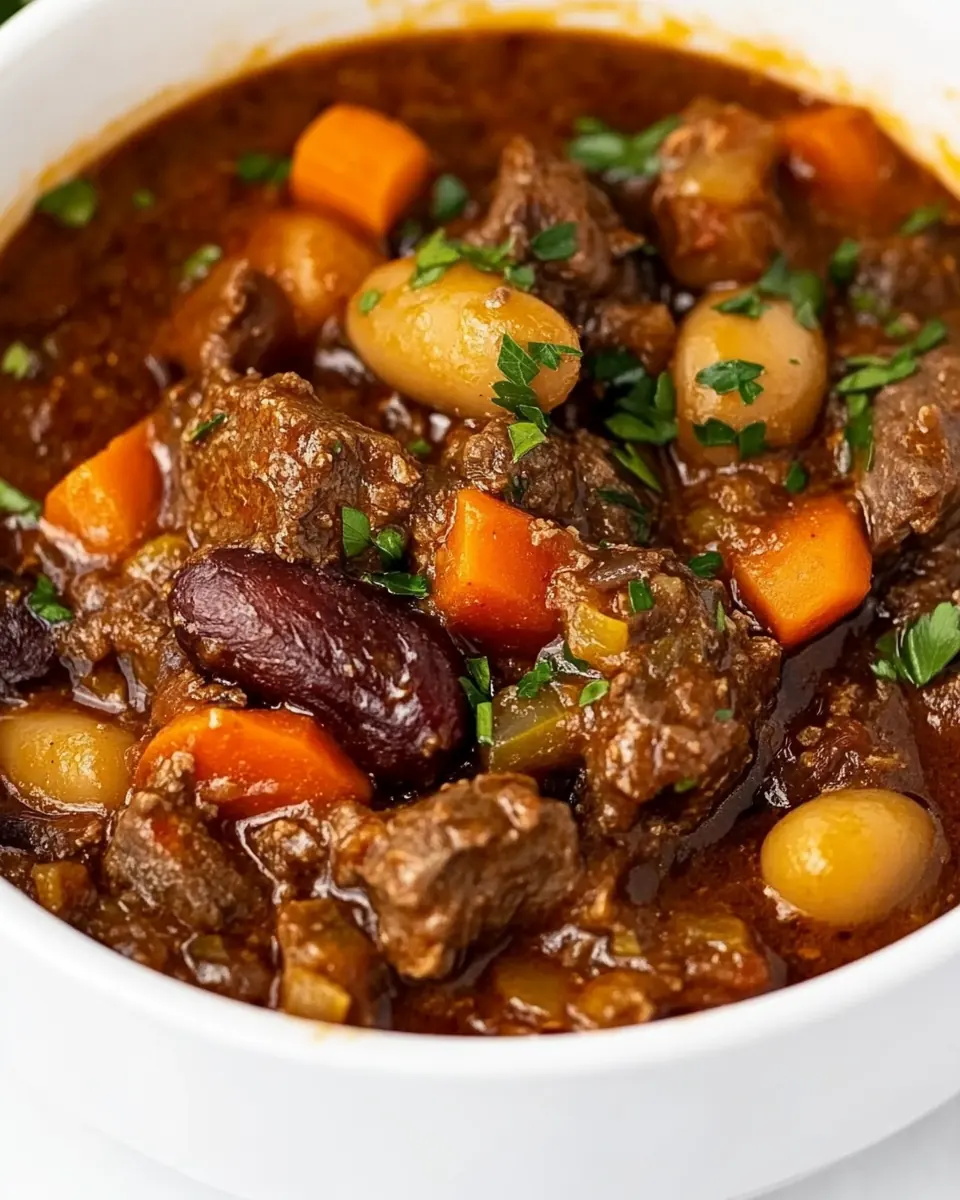
The stew is done when the lamb is tender: The final test is a tender bite where the lamb yields easily and the vegetables are soft but intact. The aroma will be rounded and harmonious, and the sauce should coat spoons with a glossy sheen. If meat resists, give it more time at low heat; rushing at this stage is the most common mistake and will leave the dish less satisfying.