Moroccan Lamb Stew
Moroccan Lamb Stew has a way of arriving at my table when the evenings turn long and I crave something that feels like a warm conversation in a bowl.
I first learned this dish from a friend who grew up with spice markets underfoot and a grandmother who measured memories, not teaspoons. When I make Moroccan Lamb Stew, I think about those layered aromas, the way browned meat and toasted spices lift the whole house. The texture is comforting, the broth glossy and slightly reduced, and each spoonful offers a small surprise, like a tender chunk of lamb alongside an olive or almond.
Over time I tweaked the balance to suit my family, adding more garlic some days and a pinch extra of Ras el Hanout on others. It has become my go to for cold nights, the kind of meal you serve with soft bread and expectant silence as everyone eats. I also love that this is forgiving, letting you swap a vegetable or adjust seasoning on the fly without losing its soul. When friends come for dinner, this stew starts conversations, then finishes them.
Recipe Snapshot
1 hr 45 mins
15 mins
90 mins
Medium
550 kcal
Moroccan
Paleo, Gluten-Free
Dinner
Dutch Oven or Large Pot
The Appeal of This Moroccan Lamb Stew
Deep Flavor from Simple Steps
I adore how Moroccan Lamb Stew builds complexity through browning and slow simmering. The initial sear on the lamb creates maillard notes, adding savory depth that a quick stew can never match. This matters because those browned edges are where much of the dish’s character lives, and I always take the extra minute to get color on the meat.
Balanced Spice Profile
Ras el Hanout and a touch of cinnamon and smoked paprika create warm, fragrant layers. I like how the spice blend is bold but not overpowering, letting the natural richness of the lamb and the sweetness of the carrots and onion shine through. For me, that balance is what keeps people coming back.
Textural Contrast
The interplay of tender lamb, soft cooked zucchini and crunchy almonds gives every spoonful a little surprise. I intentionally leave some vegetables in chunkier pieces so the stew never becomes monotone. That contrast lifts the whole bowl and keeps interest bite after bite.
Versatile Cooking Methods
I love that this stew adapts to oven, stovetop or slow cooker. Each method gives a slightly different finish, and I choose based on time and rhythm. If I have the day free I use the oven for even heat, but on busy weeks the slow cooker is a lifesaver.
Comfort with a Touch of Sophistication
There is comfort here, but also elegance from simple ingredients like olives and blanched almonds. It feels homey and special at once, the kind of dish you serve to family on a weeknight or guests on a chilly weekend evening.
Everything You Need for Moroccan Lamb Stew
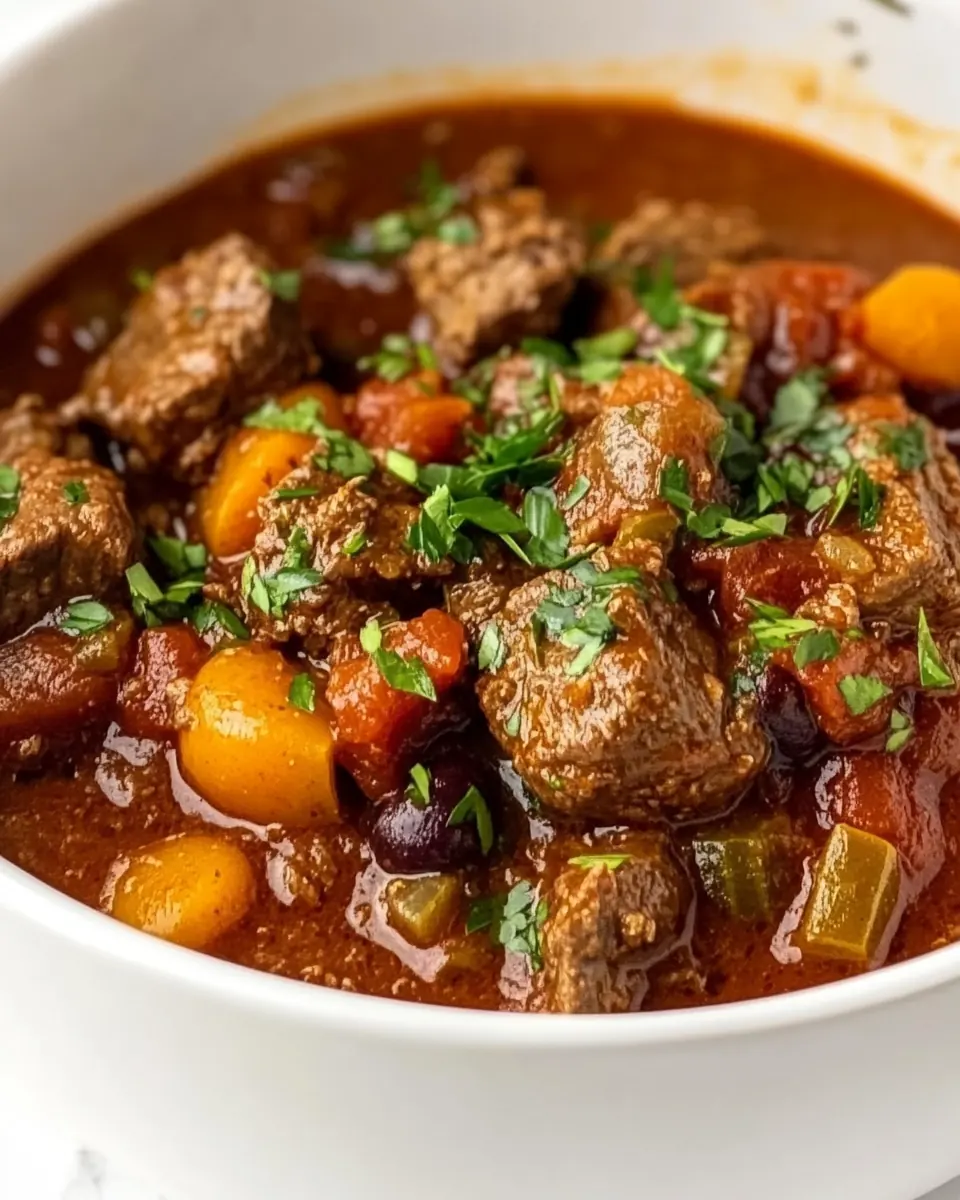
These ingredients work together to create a stew that is layered, balanced and richly comforting. The key players are the lamb for savory depth, the aromatics like onion and garlic for base flavor, and the spices for warmth and Moroccan character. Vegetables round out the texture while olives and almonds add bright and crunchy counterpoints.
- 2 tablespoon olive oil: Heat-friendly fat used to sauté aromatics and brown lamb, contributing a fruity, slightly peppery base flavor while preventing sticking.
- 1 onion diced small (70 g): Sweat gently until translucent to build sweet, savory depth and form the foundational aromatic layer of the stew.
- 2 carrots large, 1 inch cubes (145 g): Add for natural sweetness and body; simmer until tender to contribute texture and a caramelized flavor note that complements the spices.
- 2 sticks celery diced (75 g): Provide crunchy vegetal backbone and mild savory notes when softened, helping to round out the stew's mouthfeel and aromatic complexity.
- 3 garlic cloves minced: Give pungent, aromatic bite when minced and briefly cooked, brightening the stew and enhancing the savory profile.
- 2 teaspoon freshly grated ginger: Offer warm, citrusy heat when freshly grated and added early, lifting the flavor profile and adding subtle spiciness and aroma.
- 1.5 lb boneless leg of lamb 700 g, fat trimmed, 1 inch cubes: Supply rich, meaty protein and deep savory flavor; browning cubes adds caramelized crust and hearty texture to the stew.
- 1 red pepper large, 1 inch cubes (160 g): Introduce sweet, slightly smoky vegetal flavor with tender texture after cooking, balancing the meat and spices.
- 1 zucchini 1 inch cubes (200 g): Contribute mild, sweet freshness and tender bite when cooked, adding bulk and a light vegetal contrast to richer elements.
- 12 olives pitted, I used black: Add briny, salty complexity and a burst of umami that cuts through richness and complements the stew's spices.
- 1/4 cup blanched almonds 35 g: Provide crunchy, nutty texture and subtle richness; lightly toasted almonds add depth and a pleasant finish.
- 3 tablespoon tomato paste: Concentrate tomato flavor and add umami and acidity to thicken the sauce and bind the spices together.
- 2.5 cups beef, lamb or chicken broth 500-600 ml: Create savory liquid base that melds flavors, controls stew consistency, and adds depth depending on chosen stock.
- 1 tablespoon Ras el Hanout (Moroccan spice blend) or use 1 teaspoon cumin, 1 teaspoon ground coriander 1 teaspoon cinnamon: Bring complex warm, aromatic North African character; when substituted, cumin, coriander, and cinnamon replicate the classic profile.
- 1 teaspoon salt or to taste: Season to taste to enhance overall flavors and balance sweetness, acidity, and spice without overpowering other components.
- 1/2 teaspoon black pepper or to taste: Add mild heat and background bitterness to season the dish and sharpen the other aromatic spices.
- 1 cinnamon stick: Infuse sweet, woody warmth over a long simmer, releasing fragrant oils that deepen the stew's spice complexity.
- 1 bay leaf: Contribute subtle herbal, slightly floral depth and a background earthiness during simmering, then removed before serving.
- 1/2 teaspoon smoked paprika: Add gentle smoky sweetness to deepen flavor layers, enhancing both meatiness and roasted vegetable notes.
- 1 teaspoon Harissa , to add more heat (optional): Introduce concentrated chili heat and North African smokiness when desired, elevating spiciness and flavor complexity.
- 1 tablespoon parsley finely chopped: Provide fresh herbal brightness when sprinkled over finished stew, cutting through richness and adding color.
Cooking Instructions for Moroccan Lamb Stew
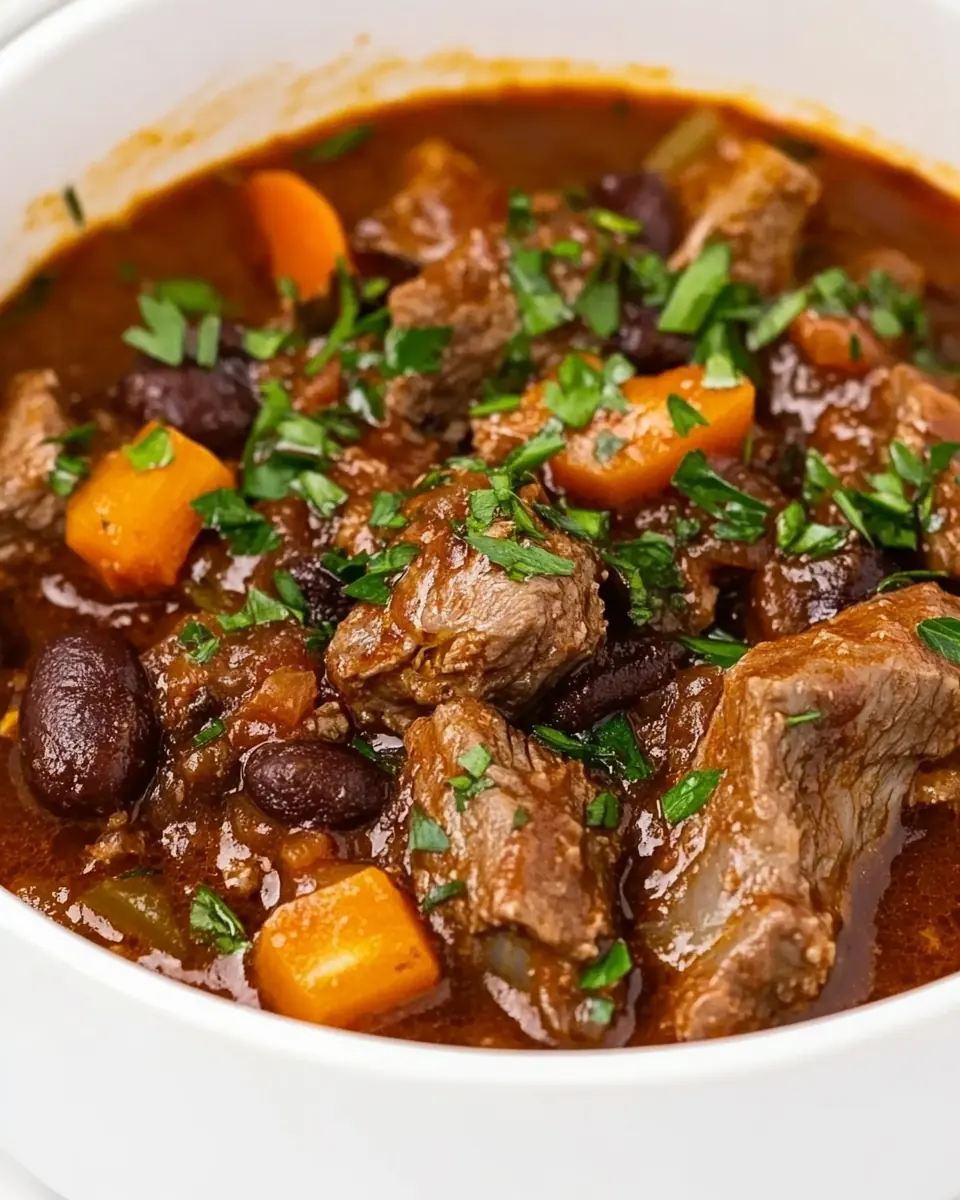
I approach the cooking process like a gentle conversation with the pot, allowing each stage to contribute a distinct voice. The directions below follow the original steps, expanded with sensory cues and troubleshooting so you feel confident at every turn.
- Heat the oil in a dutch oven on non-stick soup pan. Add the onions, carrots, celery and sauté for 4 minutes on a medium heat. Add the garlic and season with salt and pepper. Remove from the pot and set aside.: Warmth should be noticeable, the oil shimmering but not smoking, creating a slick surface that crackles lightly when a piece of lamb touches it. The aroma of warmed olive oil opens up the pan and sets the stage for browning, which is essential for deep flavor development. Listen for an immediate soft sizzle when you add the vegetables, that sound means the surface is hot enough to start caramelization. If the oil smokes, reduce heat and let it cool slightly to avoid bitter, burnt notes. A common mistake is overcrowding the pan which will steam rather than brown, so work in batches if needed.
- In the same pot, add a drizzle more oil if needed. Brown the diced lamb on all sides. Season with salt and pepper.: You will notice the vegetables softening and their scent becoming sweeter, the onions turning translucent at the edges. The gentle sizzling should continue steadily, and small brown bits may form, adding flavor. This step builds an aromatic base that supports the spices that follow. If vegetables stick, lower the heat and stir more frequently to prevent burning; uneven cooking is often caused by too high heat or an insufficient amount of oil.
- Add the sautéed vegetables back to the pot. Add the zucchini, peppers, olives, almonds, cinnamon stick, bay leaf and spices. Stir to coat.: The garlic should hit the pan and release a bright, savory perfume almost immediately, enhancing the sweetness from the onions. Salt helps draw moisture and concentrate flavors, making the aromatics more fragrant. Stir quickly so the minced garlic does not sit long enough to burn, as burnt garlic turns bitter and will ruin the stew's delicate balance.
- Add the tomato puree and broth. Stir and bring to a boil.: As you transfer the softened aromatics out, notice the pan surface with its little browned fond left behind, that is flavor waiting to be used. Setting them aside prevents overcooking while you brown the meat, and allows you to build layers in the same pot. A pitfall here is leaving them too long on the side, causing them to cool completely, which will slow the next step; keep them nearby so you can return them promptly.
- Preheat the oven to 350 F / 180 C. Cover the pot and place in the oven for about 1.5 hours or until the stew is glossy and thick and the meat is tender. Important: Check in between and add more broth if needed.: Reintroducing oil revitalizes the pan and helps ensure that the next additions brown properly. The surface should glisten, and the little browned pieces from earlier should loosen up when the oil warms, ready to flavor the meat. If the pan looks dry, that is a sign more fat is needed; however too much oil can prevent proper searing, so add sparingly.
- Simmer the stew over a low heat on on the stovetop, lid on, for about 1.5 hours. Add more broth if needed and stir regularly. The stew is done when the lamb is tender.: Place pieces of lamb in a single layer and let them sit until they develop a deep golden crust, then turn them to brown other faces. The sound should be a pronounced sizzle, and the aroma will shift to a rich, almost nutty savor. This crust is critical for taste, as those browned bits dissolve into the stew as it simmers. Avoid crowding the pot which causes steaming and pale meat rather than a proper sear.
- Season with salt and pepper: Season the browned lamb now so the salt helps extract juices and build a seasoned base. The coarse contrast of freshly ground black pepper adds a lively finish to each bite. Do not over salt here because the stew will reduce and concentrate; reserve some final seasoning adjustments for the end.
- Add the sautéed vegetables back to the pot: As the vegetables rejoin the meat you will hear a satisfying reunification of aromas, the sweetness from the earlier caramelization melding with the roasted notes of the lamb . This layering is what creates a complex broth instead of a one dimensional stock. Stir to incorporate the fond from the bottom of the pot, which dissolves into the liquids for deeper flavor. The risk is stirring too vigorously and breaking the browned crust into an unappealing sludge, so fold gently.
- Add the zucchini peppers olives almonds cinnamon stick bay leaf and spices: At this point, the stew becomes texturally rich. The zucchini and peppers will add freshness, the olives bursts of brine, and the almonds a toasted, nutty bite. The whole cinnamon stick and bay leaf perfume the broth subtly over time. Stir so the aromatics and spices coat everything evenly. Avoid adding delicate items too early or they will disintegrate into the sauce.
- Add the tomato puree and broth: As you pour in the concentrated tomato paste and the broth , notice the change in the pan from dry to saucy, and the steam lifting aromatic cues upward. The tomato paste deepens color and adds acidity that balances richness, while the broth becomes the vehicle that carries flavors during the long braise. Stir to combine and bring the mixture to an energetic simmer, ensuring dissolved bits from the bottom are incorporated. Poorly dissolved tomato paste can leave pockets of concentrated taste, so break them up thoroughly.
- Stir and bring to a boil: The stew should move from gentle bubbling to an active boil briefly before you reduce heat for braising or before placing it in the oven. The bubbling helps meld flavors quickly, and you will smell a noticeable elevation in spice and meat aromas. Once at a boil, skim any excess foam or fat if present to keep the broth clear. Leaving heavy foam can lead to an oily or cloudy sauce.
- Preheat the oven to 350 F / 180 C: Allow the oven to reach a stable temperature so the pot experiences even heat while braising. The steady oven warmth encourages uniform tenderness without the hot spots of stovetop simmering. An oven thermometer is useful to verify accuracy, since many ovens run hot or cool and that variance affects cooking time.
- Cover the pot and place in the oven for about 1.5 hours or until the stew is glossy and thick and the meat is tender: During the long braise, the lamb fibers relax and become silky, while the liquid reduces to a glossy, concentrated sauce. Check the stew once about halfway through to ensure it is not drying out and to gauge tenderness by testing a piece of meat. If too dry, add a splash of reserved broth . A common error is opening the oven too frequently which allows heat to escape and prolongs cooking.
- Important Check in between and add more broth if needed: Periodically peeking lets you maintain the desired consistency. The stew should be saucy but not watery, coating the back of a spoon. If it looks pasty, add small amounts of warm broth and stir. Adding cold liquid may momentarily lower the pot temperature and extend cook time.
- Simmer the stew over a low heat on on the stovetop lid on for about 1.5 hours: If you choose the stovetop method, keep the heat low enough that the surface barely trembles with small bubbles, creating gentle collagen breakdown without aggressive evaporation. The lid traps steam and helps tenderize the lamb . Stir occasionally to prevent sticking and to check for tenderness. Too high a flame will toughen meat and reduce liquid too fast.
- Add more broth if needed and stir regularly: Adjusting the liquid ensures the stew remains glossy and saucy, not dry. Regular stirring also helps distribute heat evenly and prevents ingredients from clinging to the pot bottom. If you notice the stew getting too thin, remove the lid to concentrate; if too thick, add hot broth a little at a time to reach the right texture.
- The stew is done when the lamb is tender: The final test is a tender bite where the lamb yields easily and the vegetables are soft but intact. The aroma will be rounded and harmonious, and the sauce should coat spoons with a glossy sheen. If meat resists, give it more time at low heat; rushing at this stage is the most common mistake and will leave the dish less satisfying.
Recipe Notes about Moroccan Lamb Stew
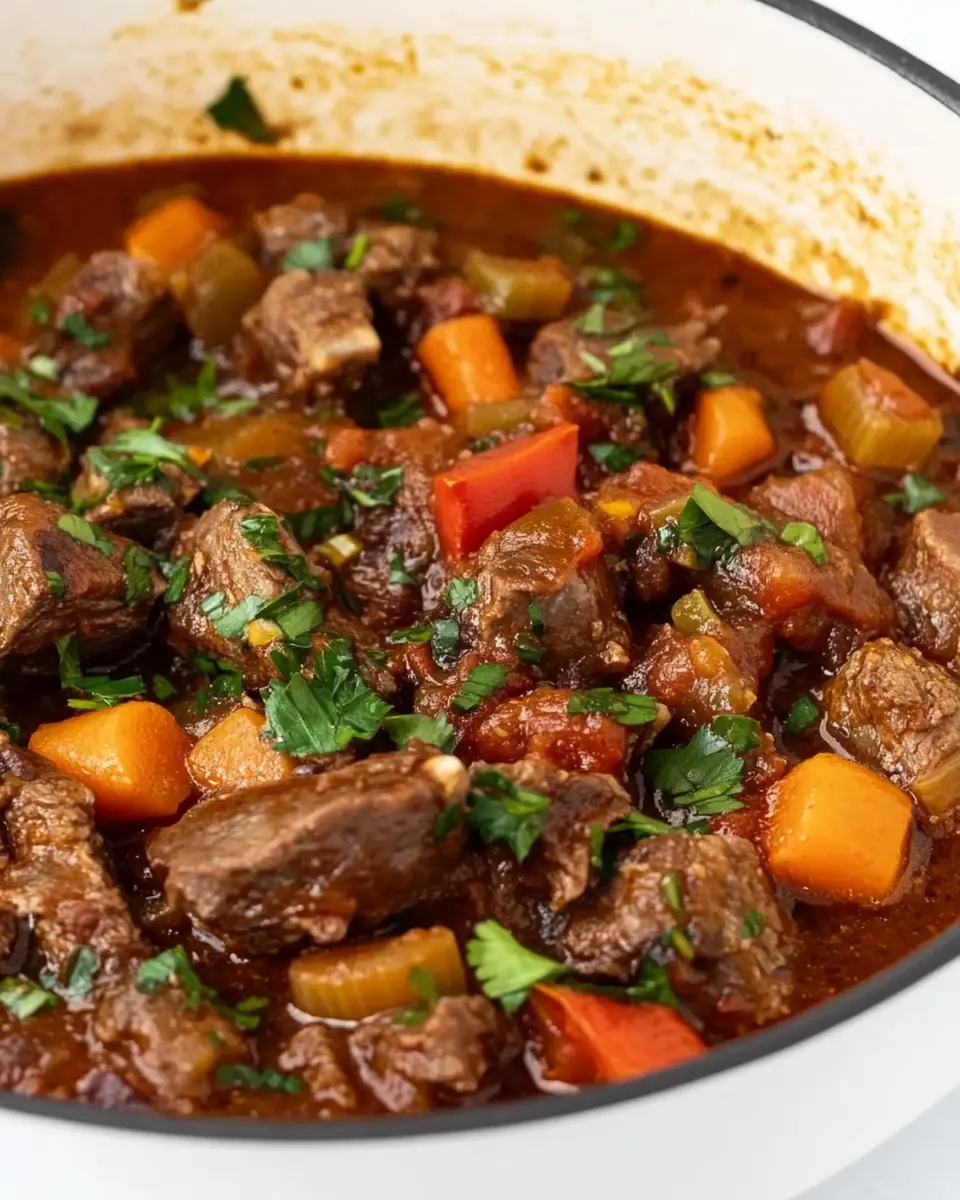
These notes expand on the original tips and the provided notes_raw, offering method options and precise ideas to help you choose an approach that fits your day.
- Slow cooker method: Follow the suggested technique by searing the vegetables and browning the lamb on the stovetop first, then transfer everything to the slow cooker and cook on low for 6 to 8 hours; this produces tender meat and a melded flavor profile. Make sure to deglaze the pan with a little broth to capture browned bits before transferring. Avoid overfilling the slow cooker, as it can change cook times.
- Instant Pot method: Use the sauté setting to brown vegetables and lamb, then pressure cook on high for 50 minutes as indicated in the notes. Quick release and then simmer on sauté if you need to thicken the sauce; this method saves time while delivering deep flavor. Ensure you follow your appliance safety steps for pressure release.
- Finishing on high: If you want a slightly thicker, more concentrated sauce at the end, turn the heat to high and cook for an extra 20 minutes to reduce liquid. Watch closely to prevent sticking and stir frequently to protect the bottom of the pot.
- Adjusting heat: Harissa is optional and can be stirred in towards the end to control spiciness; start with less, taste, and add more if desired. Some brands are very potent, so measured additions prevent overpowering the stew.
- Texture control: If the stew is too thin, remove the lid and simmer to reduce; if too thick, add warmed broth a little at a time. Keeping a balance between saucy and stew like is key for mouthfeel and presentation.
Pairing Suggestions for Moroccan Lamb Stew
This stew pairs beautifully with simple sides and is flexible across occasions. Serve warm bowls for a cozy family dinner, or present it alongside flatbread at a festive gathering. Below are detailed serving suggestions and storage tips to make the most of this dish.
- Classic bread pairing: Serve with warm, crusty bread or flatbread to soak up the glossy sauce; the act of tearing bread and mopping the bowl is part of the experience. This is ideal for casual dinners.
- Grain options: Offer couscous, rice, or quinoa as a bed for the stew, each providing a different texture. Couscous keeps the meal traditional while rice is more absorbent and quinoa adds a nutty profile.
- Vegetable sides: Lightly dressed salads or roasted seasonal vegetables complement the hearty stew and add freshness. Use a bright lemon dressing on greens to cut through richness.
- Occasions: Great for weeknight family dinners, weekend gatherings, or special winter meals during Ramadan evenings. The stew’s warming spices and nourishing components make it suitable for cool weather and communal feasts.
- Storage tips: Refrigerate in an airtight container for up to 4 days; the flavors often deepen overnight. For longer storage, freeze portions up to 3 months and thaw in the refrigerator before reheating gently on the stovetop with a splash of broth.
- Reheating suggestions: Reheat slowly over low heat, stirring occasionally so the sauce regains its glossy finish without scorching. Add warm broth if needed and finish with fresh parsley for brightness.
FAQ
Conclusion
Moroccan Lamb Stew stands out because it blends bold Moroccan spices with tender braised lamb and thoughtful textures, delivering a bowl that is both comforting and refined. Give it a try on a cool evening when you have time to let flavors develop, and you will be rewarded with a glossy, aromatic stew perfect for sharing. Make it once for family or friends and watch how quickly the pot empties, as this recipe encourages lingering conversation and satisfaction without fuss.
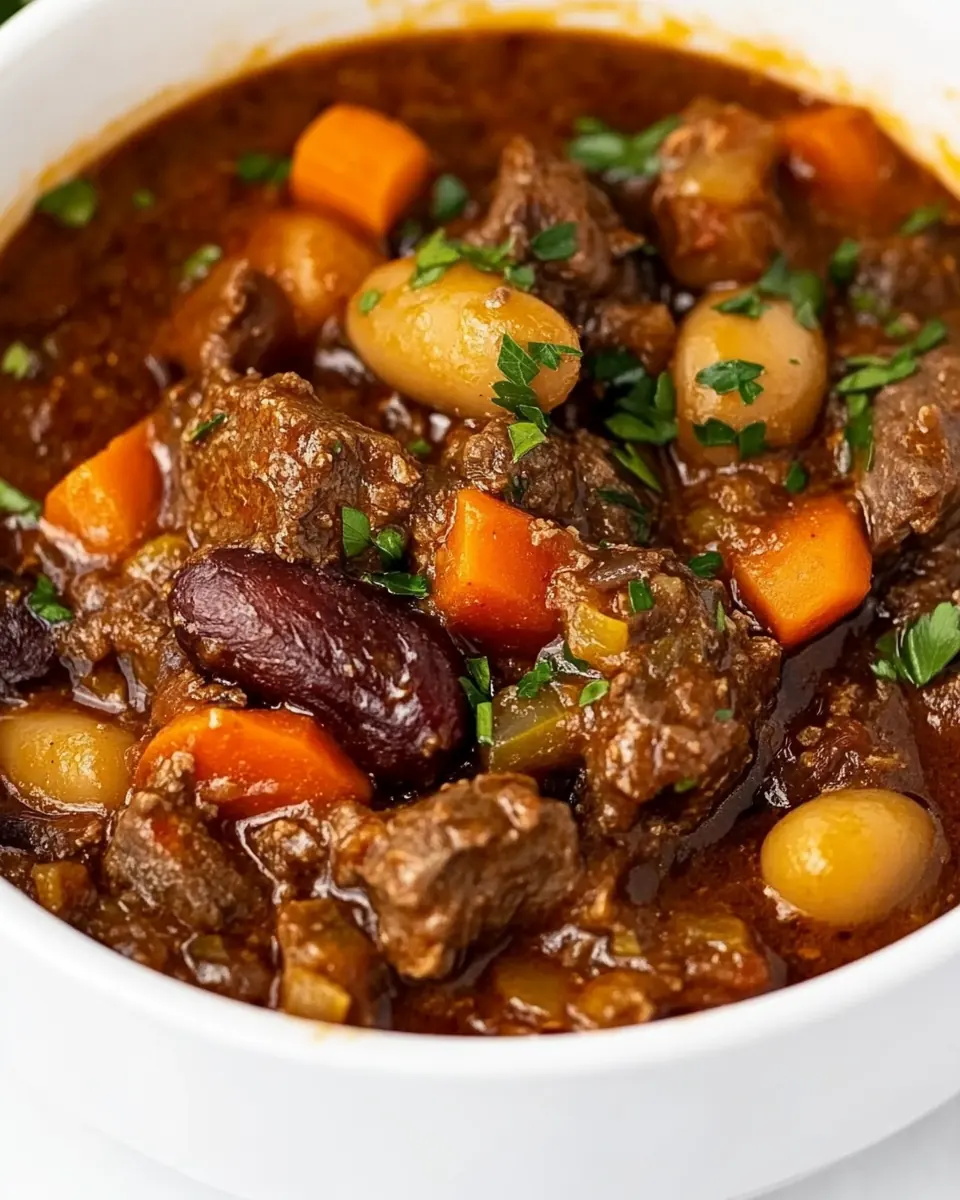
Moroccan Lamb Stew
Ingredients
Equipment
Method
- Heat the oil in a dutch oven on non-stick soup pan. Add the onions, carrots, celery and sauté for 4 minutes on a medium heat. Add the garlic and season with salt and pepper. Remove from the pot and set aside.: Warmth should be noticeable, the oil shimmering but not smoking, creating a slick surface that crackles lightly when a piece of lamb touches it. The aroma of warmed olive oil opens up the pan and sets the stage for browning, which is essential for deep flavor development. Listen for an immediate soft sizzle when you add the vegetables, that sound means the surface is hot enough to start caramelization. If the oil smokes, reduce heat and let it cool slightly to avoid bitter, burnt notes. A common mistake is overcrowding the pan which will steam rather than brown, so work in batches if needed.
- In the same pot, add a drizzle more oil if needed. Brown the diced lamb on all sides. Season with salt and pepper.: You will notice the vegetables softening and their scent becoming sweeter, the onions turning translucent at the edges. The gentle sizzling should continue steadily, and small brown bits may form, adding flavor. This step builds an aromatic base that supports the spices that follow. If vegetables stick, lower the heat and stir more frequently to prevent burning; uneven cooking is often caused by too high heat or an insufficient amount of oil.
- Add the sautéed vegetables back to the pot. Add the zucchini, peppers, olives, almonds, cinnamon stick, bay leaf and spices. Stir to coat.: The garlic should hit the pan and release a bright, savory perfume almost immediately, enhancing the sweetness from the onions. Salt helps draw moisture and concentrate flavors, making the aromatics more fragrant. Stir quickly so the minced garlic does not sit long enough to burn, as burnt garlic turns bitter and will ruin the stew's delicate balance.
- Add the tomato puree and broth. Stir and bring to a boil.: As you transfer the softened aromatics out, notice the pan surface with its little browned fond left behind, that is flavor waiting to be used. Setting them aside prevents overcooking while you brown the meat, and allows you to build layers in the same pot. A pitfall here is leaving them too long on the side, causing them to cool completely, which will slow the next step; keep them nearby so you can return them promptly.
- Preheat the oven to 350 F / 180 C. Cover the pot and place in the oven for about 1.5 hours or until the stew is glossy and thick and the meat is tender. Important: Check in between and add more broth if needed.: Reintroducing oil revitalizes the pan and helps ensure that the next additions brown properly. The surface should glisten, and the little browned pieces from earlier should loosen up when the oil warms, ready to flavor the meat. If the pan looks dry, that is a sign more fat is needed; however too much oil can prevent proper searing, so add sparingly.
- Simmer the stew over a low heat on on the stovetop, lid on, for about 1.5 hours. Add more broth if needed and stir regularly. The stew is done when the lamb is tender.: Place pieces of lamb in a single layer and let them sit until they develop a deep golden crust, then turn them to brown other faces. The sound should be a pronounced sizzle, and the aroma will shift to a rich, almost nutty savor. This crust is critical for taste, as those browned bits dissolve into the stew as it simmers. Avoid crowding the pot which causes steaming and pale meat rather than a proper sear.
- Season with salt and pepper: Season the browned lamb now so the salt helps extract juices and build a seasoned base. The coarse contrast of freshly ground black pepper adds a lively finish to each bite. Do not over salt here because the stew will reduce and concentrate; reserve some final seasoning adjustments for the end.
- Add the sautéed vegetables back to the pot: As the vegetables rejoin the meat you will hear a satisfying reunification of aromas, the sweetness from the earlier caramelization melding with the roasted notes of the lamb . This layering is what creates a complex broth instead of a one dimensional stock. Stir to incorporate the fond from the bottom of the pot, which dissolves into the liquids for deeper flavor. The risk is stirring too vigorously and breaking the browned crust into an unappealing sludge, so fold gently.
- Add the zucchini peppers olives almonds cinnamon stick bay leaf and spices: At this point, the stew becomes texturally rich. The zucchini and peppers will add freshness, the olives bursts of brine, and the almonds a toasted, nutty bite. The whole cinnamon stick and bay leaf perfume the broth subtly over time. Stir so the aromatics and spices coat everything evenly. Avoid adding delicate items too early or they will disintegrate into the sauce.
- Add the tomato puree and broth: As you pour in the concentrated tomato paste and the broth , notice the change in the pan from dry to saucy, and the steam lifting aromatic cues upward. The tomato paste deepens color and adds acidity that balances richness, while the broth becomes the vehicle that carries flavors during the long braise. Stir to combine and bring the mixture to an energetic simmer, ensuring dissolved bits from the bottom are incorporated. Poorly dissolved tomato paste can leave pockets of concentrated taste, so break them up thoroughly.
- Stir and bring to a boil: The stew should move from gentle bubbling to an active boil briefly before you reduce heat for braising or before placing it in the oven. The bubbling helps meld flavors quickly, and you will smell a noticeable elevation in spice and meat aromas. Once at a boil, skim any excess foam or fat if present to keep the broth clear. Leaving heavy foam can lead to an oily or cloudy sauce.
- Preheat the oven to 350 F / 180 C: Allow the oven to reach a stable temperature so the pot experiences even heat while braising. The steady oven warmth encourages uniform tenderness without the hot spots of stovetop simmering. An oven thermometer is useful to verify accuracy, since many ovens run hot or cool and that variance affects cooking time.
- Cover the pot and place in the oven for about 1.5 hours or until the stew is glossy and thick and the meat is tender: During the long braise, the lamb fibers relax and become silky, while the liquid reduces to a glossy, concentrated sauce. Check the stew once about halfway through to ensure it is not drying out and to gauge tenderness by testing a piece of meat. If too dry, add a splash of reserved broth . A common error is opening the oven too frequently which allows heat to escape and prolongs cooking.
- Important Check in between and add more broth if needed: Periodically peeking lets you maintain the desired consistency. The stew should be saucy but not watery, coating the back of a spoon. If it looks pasty, add small amounts of warm broth and stir. Adding cold liquid may momentarily lower the pot temperature and extend cook time.
- Simmer the stew over a low heat on on the stovetop lid on for about 1.5 hours: If you choose the stovetop method, keep the heat low enough that the surface barely trembles with small bubbles, creating gentle collagen breakdown without aggressive evaporation. The lid traps steam and helps tenderize the lamb . Stir occasionally to prevent sticking and to check for tenderness. Too high a flame will toughen meat and reduce liquid too fast.
- Add more broth if needed and stir regularly: Adjusting the liquid ensures the stew remains glossy and saucy, not dry. Regular stirring also helps distribute heat evenly and prevents ingredients from clinging to the pot bottom. If you notice the stew getting too thin, remove the lid to concentrate; if too thick, add hot broth a little at a time to reach the right texture.
- The stew is done when the lamb is tender: The final test is a tender bite where the lamb yields easily and the vegetables are soft but intact. The aroma will be rounded and harmonious, and the sauce should coat spoons with a glossy sheen. If meat resists, give it more time at low heat; rushing at this stage is the most common mistake and will leave the dish less satisfying.
Notes
- Slow cooker method: Follow the suggested technique by searing the vegetables and browning the lamb on the stovetop first, then transfer everything to the slow cooker and cook on low for 6 to 8 hours; this produces tender meat and a melded flavor profile. Make sure to deglaze the pan with a little broth to capture browned bits before transferring. Avoid overfilling the slow cooker, as it can change cook times.
- Instant Pot method: Use the sauté setting to brown vegetables and lamb, then pressure cook on high for 50 minutes as indicated in the notes. Quick release and then simmer on sauté if you need to thicken the sauce; this method saves time while delivering deep flavor. Ensure you follow your appliance safety steps for pressure release.
- Finishing on high: If you want a slightly thicker, more concentrated sauce at the end, turn the heat to high and cook for an extra 20 minutes to reduce liquid. Watch closely to prevent sticking and stir frequently to protect the bottom of the pot.
- Adjusting heat: Harissa is optional and can be stirred in towards the end to control spiciness; start with less, taste, and add more if desired. Some brands are very potent, so measured additions prevent overpowering the stew.
- Texture control: If the stew is too thin, remove the lid and simmer to reduce; if too thick, add warmed broth a little at a time. Keeping a balance between saucy and stew like is key for mouthfeel and presentation.