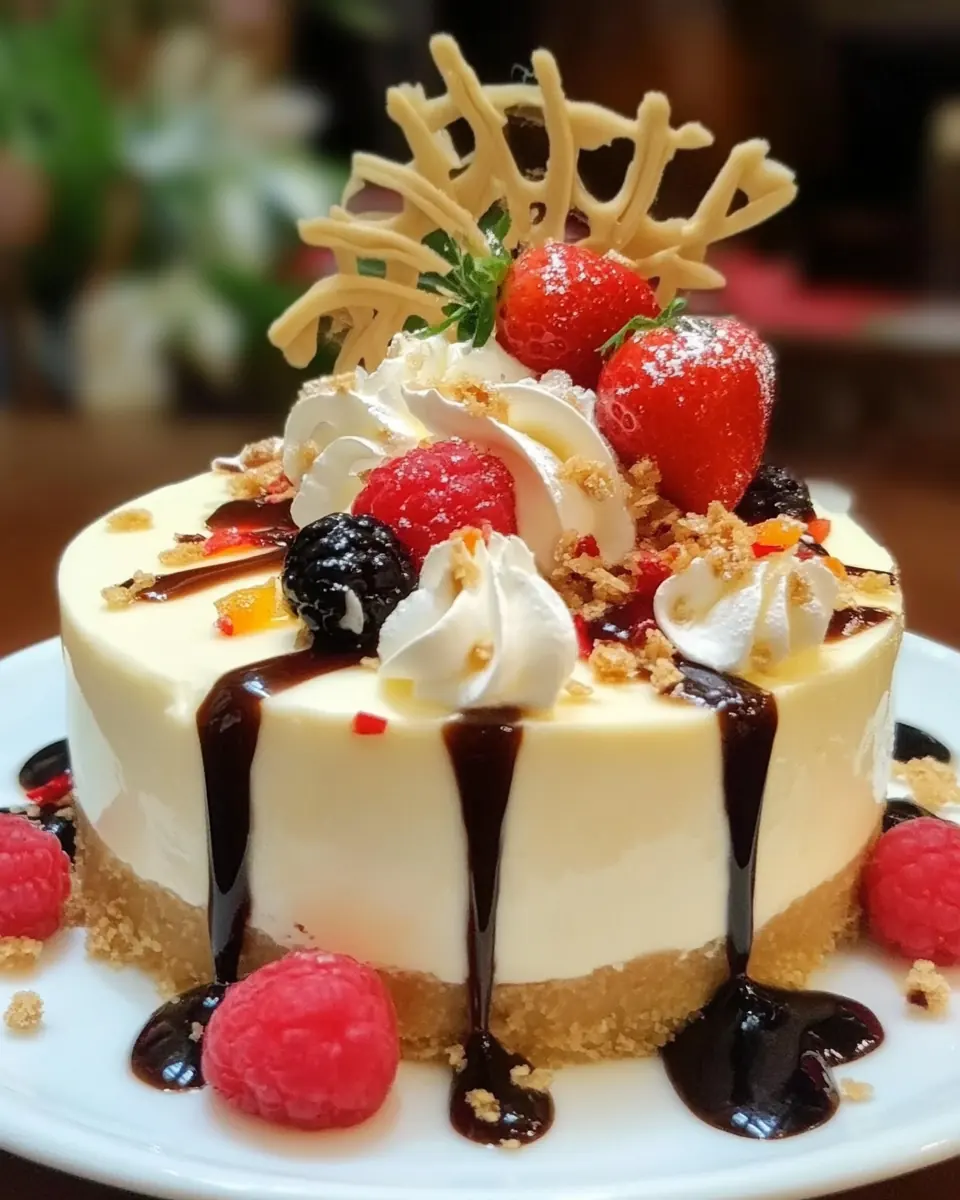
Combine ingredients (A) and press them into the springform pan. Chill in the refrigerator.: The smell of warm butter with the crushed crumbs is comforting and signals the base is coming together. Pressing should be firm and even so the crust holds when sliced, using the back of a spoon or a measuring cup to compact the mix into a smooth, uniform layer. You want tactile feedback, the surface should feel solid under pressure and not crumble apart. If the crumbs shift, it means they are not compacted enough, so press again focusing on the edges to create a defined rim. A common mistake is pressing too lightly, which results in a loose crust that falls apart when serving. Chill the assembled crust for at least 20 to 30 minutes to let the butter set and lock the crumb structure, this helps prevent a soggy interface when the filling is added.
Beat the cream cheese from ingredients (B) until smooth on low speed. Add the sugar and lemon juice, and mix well on medium speed until smooth.: Right away you will notice the rich aroma of cream cheese as it softens, and the texture should shift from dense to velvety during mixing. Start slow to break down the blocky texture without incorporating air, then increase speed to fully blend in the sugar and lemon juice , which should leave the bowl with a glossy, lump free consistency. The lemon juice brightens the flavor and balances the richness; too much can make the mixture tangy, so stick to the measured amount. If the mixture looks curdled, it likely means the cream cheese was too cold; let it sit at room temperature briefly and rebeat on low to rescue the texture. Avoid overbeating which can make the filling runny and prevent proper setting later.
From ingredients (C), whip the cream and sugar until medium peaks form and the mixture is no longer runny.: As you whip the cold whipping cream with the small amount of sugar , listen for the change in sound from soft to firmer thumps, and watch the surface transform into glossy swirls. Medium peaks mean the cream holds shape but still yields slightly when the whisk is lifted, offering lift without stiffness. Chilling the bowl and whisk beforehand helps the cream whip faster and achieve stable peaks. A usual pitfall is whipping too far to stiff peaks which makes folding difficult and can create a grainy mouthfeel once combined. If the cream becomes too stiff, loosely stir in a tablespoon of liquid cream to soften it back to medium peaks.
Combine the cheese mixture and whipped cream. Pour into the prepared pan and chill overnight.: When you fold the airy whipping cream into the dense cheese mixture, you will notice a change in weight and texture as it lightens dramatically, going from thick to an airy, mousse like filling. Use a gentle folding motion to preserve the whipped structure, scraping the sides so everything is homogenous but not deflated. The smell should be clean and slightly tangy from the lemon juice , and the color pale and smooth. Pour the filling into the chilled crust and level the top for an even set. Refrigerating overnight allows the filling to firm and all flavors to marry, providing cleaner slices. A common mistake is rushing the chill time, which results in a soft, unset center, so give it at least eight hours or ideally overnight for the best texture.