Place chicken in a 6-8 quart stock pot and fill with enough water to fill within 3 inches of the top of the stock pot.: You will notice a raw metallic scent dissipating as the water warms, and soon a savory aroma will begin to bloom from the pot. I like to use cold water so the proteins release slowly, resulting in a clearer broth. Keep an eye on the water level as evaporation can concentrate saltiness, and avoid overfilling, which can cause boiling over. A common mistake is using too small a pot which crowds the chicken , preventing even cooking.
Add celery, onion, bay leaves, salt and pepper to the water.: Once these aromatics meet the warm liquid, they start releasing fragrant oils that deepen the stock. The soft hiss and small bubbles as the pot warms are signs that flavors are marrying. I chop the celery and onion generously so they give up body to the broth. Be careful not to over salt at this stage, as the liquid will reduce slightly.
Place on stove top on medium-high and bring to a boil then reduce to simmer. Simmer until chicken meat is falling off of the bone. Add water during cooking if water level decreases below half of the stock pot.: As the pot climbs to a boil you will hear a lively rolling sound, then change to a gentle murmur once lowered for simmer. That steady simmer extracts gelatin from the bones and slowly tenderizes the meat. A too vigorous boil will churn the broth cloudy and toughen the chicken , so keep the heat modest.
Once meat is fully cooked and falling off of the bone, using a large slotted spoon or tongs, remove all of the chicken, celery and onion from the stock pot to a platter (keep all of the water in the stock pot) and allow chicken to cool until it is cool enough to touch. Remove all of the meat from the bones. Shred into bite sized pieces. Discard the bones and skin and any large chunks of onion and celery. Remove the bay leaves and discard.: At this point the aroma will be deeply savory and the meat will yield easily when prodded. The texture should be tender and moist, not stringy. Remove pieces to test; undercooked meat will resist shredding, while overcooked can dry. If the liquid level drops too low, top with hot water to maintain volume.
Replace the chicken meat back into the stock pot and set burner temperature on medium. Add garlic to the water.: The broth at this stage is intensely aromatic, and handling the hot pieces releases a cloud of steam. Cooling makes shredding easier and safer. Save the liquid, it is the backbone of the dish. A common error is leaving the aromatics in too long, which can muddy texture, so discard large onion and celery chunks and bay leaves when they have given up their flavor.
As the chicken and stock reheat, mix the bisquick and 2/3 cup milk in a large bowl. Dough will be sticky. Once mixed, turn out onto a heavily floured board and knead (adding more bisquick as needed) until the dough feels slightly rubbery and is no longer sticky. Flour the top of the dough ball and roll out into a large thin (1/8 inch thick) circle. Dough should be about 1/8 inch thick.: Shredding by hand gives you irregular pieces that soak up broth beautifully. The meat should tear apart with minimal effort and be juicy. Be mindful of small bones when shredding. Over shredding can create a mushy texture, so aim for bite sized shreds.
Using a butter knife (turned upside down), cut dough into long strips that are 2 inch wide noodles. Do not let the noodles stick together. Do not worry if there is a lot of extra flour on the noodles – this will only serve to thicken the liquid – which is delicious!: Returning the chicken now lets it recline in the seasoned broth and reheat gently, infusing it with the aromatics. The minced garlic will bloom in the warm liquid, releasing a fragrant sweetness. Watch closely because garlic can turn bitter if overheated at high temperatures.
When the chicken stock has reached a full boil, begin adding the noodles one at a time into the boiling stock. The noodles will puff up and float to the surface and may cover the entire surface. Using a wooden spoon, gently push noodles to the side so that you can add more noodles into the space created. Add noodles quickly until all noodles are added. Do not stir the pot as the noodles will break into small mushy pieces. You can use your wooden spoon to gently move them around the pan so that they all see some bubbling action in the pot.: When you combine Bisquick and milk , the dough will feel tacky, and as you knead it becomes resilient and springy. Rolling it thin is key because the dumplings puff in the stock. You will feel the subtle change from sticky to pliant under your hands which signals readiness. A common misstep is skipping enough flour on the surface causing the sheet to stick and tear while cutting.
Allow noodles to cook by floating at the top of the boiling stock for several minutes (about 5 minutes) until done. Using a wooden spoon, gently spoon hot broth over the tops of the floating noodles to help them to cook. You will know that they are ready when most of them begin to sink.: The ribbons should slide apart easily and have a dusting of flour that will dissolve into the broth and enrich it. The tactile sensation of the dough should be smooth with slight resistance. Keep the strips separated on the board so they do not fuse. A typical mistake is stacking strips, which leads to clumps in the pot.
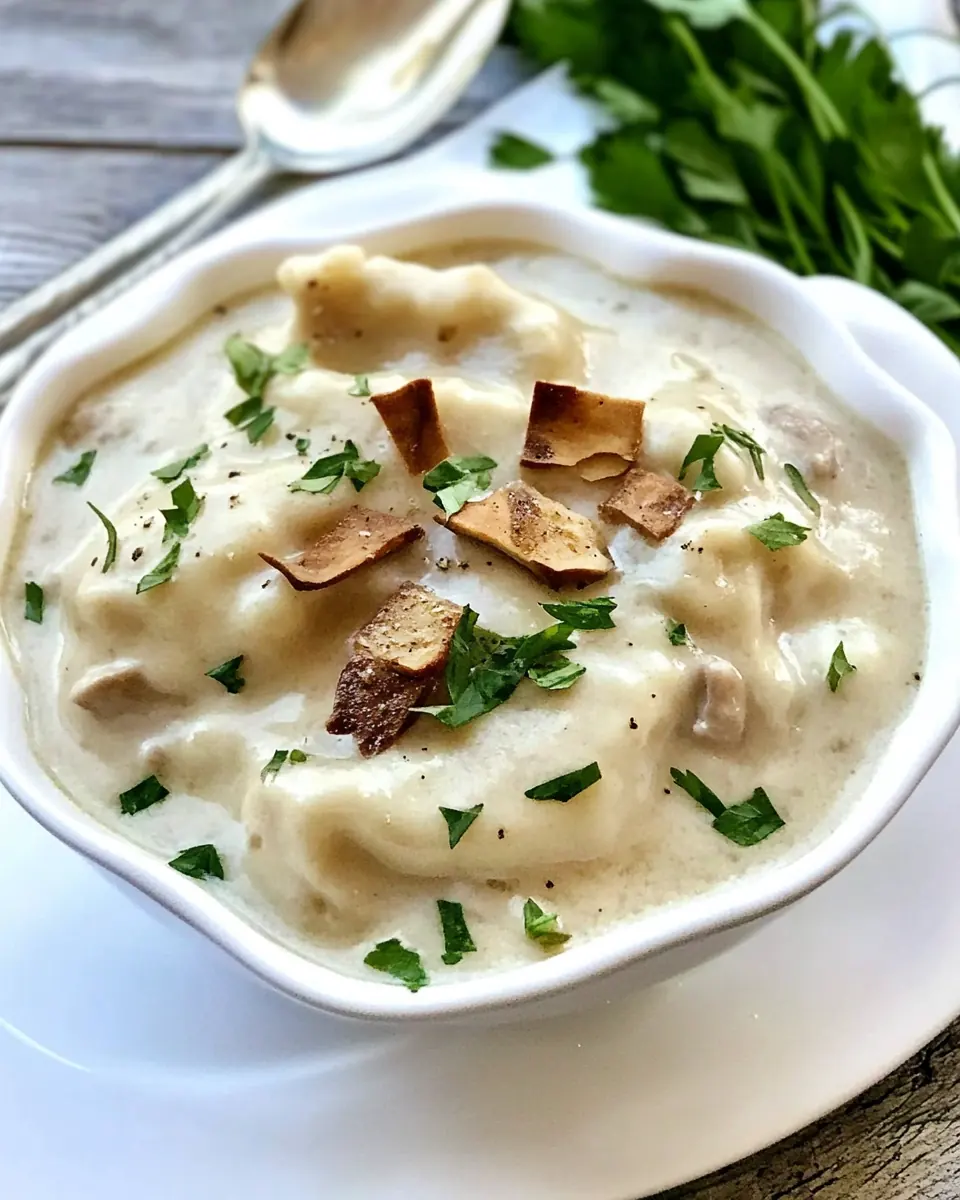
The noodles are done when they begin to sink into the broth – gently stir with a wooden spoon. You might want to get one out and test it for doneness (that is what I do). When noodles are done, reduce heat to a slow simmer and add 1/2 cup milk, cream and butter to the stock pot. Salt and pepper to taste. Allow the entire pot to simmer for at least 5 minutes after adding the milk and cream. This takes the "milk" taste out of the completed dish. When heated through, serve and garnish with fresh minced parsley.: The frantic hiss and bubbling when the noodles hit the boil is a good sign, they will swell and float. I find adding them quickly and spacing them allows even cooking. Resist stirring vigorously because that tears them; instead nudge them gently so each sees heat. A common error is stirring violently and ending with gluey bits.
Allow noodles to cook by floating at the top of the boiling stock for several minutes about 5 minutes until done Using a wooden spoon gently spoon hot broth over the tops of the floating noodles to help them to cook You will know that they are ready when most of them begin to sink: Floating dumplings will have a tender exterior and a slightly denser interior. Spoon hot broth over them to ensure even doneness and watch for most to sink which indicates they are cooked through. If you bite into one and it feels doughy, give them another minute. Overcooking makes them become heavy and pasty.
The noodles are done when they begin to sink into the broth gently stir with a wooden spoon You might want to get one out and test it for doneness that is what I do When noodles are done reduce heat to a slow simmer and add 1 slash 2 cup milk cream and butter to the stock pot Salt and pepper to taste Allow the entire pot to simmer for at least 5 minutes after adding the milk and cream This takes the milk taste out of the completed dish When heated through serve and garnish with fresh minced parsley: As the dumplings settle, the aroma changes to a rounded, homey note and the broth becomes velvety. Adding the milk , cream , and butter at a gentle simmer integrates fat and softens the palate. The brief simmer scalds the dairy slightly so it blends without tasting raw. A frequent oversight is adding cold dairy and serving immediately, which can leave a faint uncooked milk flavor, so wait the full five minutes before serving.