Old Fashion Chicken and Dumplings
Old Fashion Chicken and Dumplings is the sort of bowl I reach for when the sky is steel and my kitchen needs warming from the inside out.
Years ago I learned this recipe from my grandmother on a blustery winter afternoon, and the memory of her hands dusted with flour, humming as she rolled out dough, is as vivid as the first spoonful of that steamy broth. Each time I make Old Fashion Chicken and Dumplings I am transported back to that tiny kitchen where conversation moved as slowly and comfortably as the simmering pot. The dish feels like an embrace, dense with savory stock, tender shredded chicken, and pillowy dumplings that float like little clouds.
When I host cold weather dinners, friends always ask for the recipe, and I tell them the truth: this is more about patience and feel than perfection. You will get soulful results by paying attention to the scent of the broth as it melds with the bay leaves and onion, and by letting the dumplings puff up on a rolling boil before they settle. I love how simple pantry items like Bisquick, milk, and butter conspire to create something unexpectedly luxurious. Over the years I have made small adjustments, but the heart of this recipe remains the same: comforting, honest, and deeply rooted in family cooking.
Recipe Snapshot
3 hr 15 mins
105 mins
90 mins
Hard
450 kcal
American
Keto, Gluten-Free
Dinner
6 to 8 quart stock pot, Large bowl, Wooden spoon, Slotted spoon or tongs, Rolling pin
The Best Thing About This Old Fashion Chicken and Dumplings
Hearty, nostalgic flavor
I adore how Old Fashion Chicken and Dumplings tastes like childhood in a spoon. The slow simmer extracts gelatin and depth from the bones, producing a broth that feels rich without being heavy. That combination of savory stock and soft dumplings evokes memories and creates a cozy atmosphere at the table.
Accessible ingredients
One of the reasons I always return to this recipe is that the pantry calls for familiar items like Bisquick, milk, and butter. You do not need specialty items to make something that tastes luxurious. For me, accessibility equals confidence, and this recipe gives both.
Technique that rewards patience
Taking the time to simmer the chicken until the meat falls off the bone transforms the final bowl. I enjoy the ritual of skimming, shredding, and returning the meat, it makes the meal feel intentional. The payoff is a broth with real body and dumplings that soak up flavor.
Comfort food that feeds a crowd
This recipe scales well, which is why I choose it for gatherings. A single pot feeds many, and the leftovers, if any, taste even better the next day because the flavors have had time to mingle. I love giving guests a warm bowl that feels like it was made just for them.
Flexible yet classic
While I respect tradition, I also appreciate that this dish welcomes small changes, like using white or dark chicken. That flexibility has saved many weeknights for me, without sacrificing the classic character of the dish.
Ingredients You’ll Need for Old Fashion Chicken and Dumplings
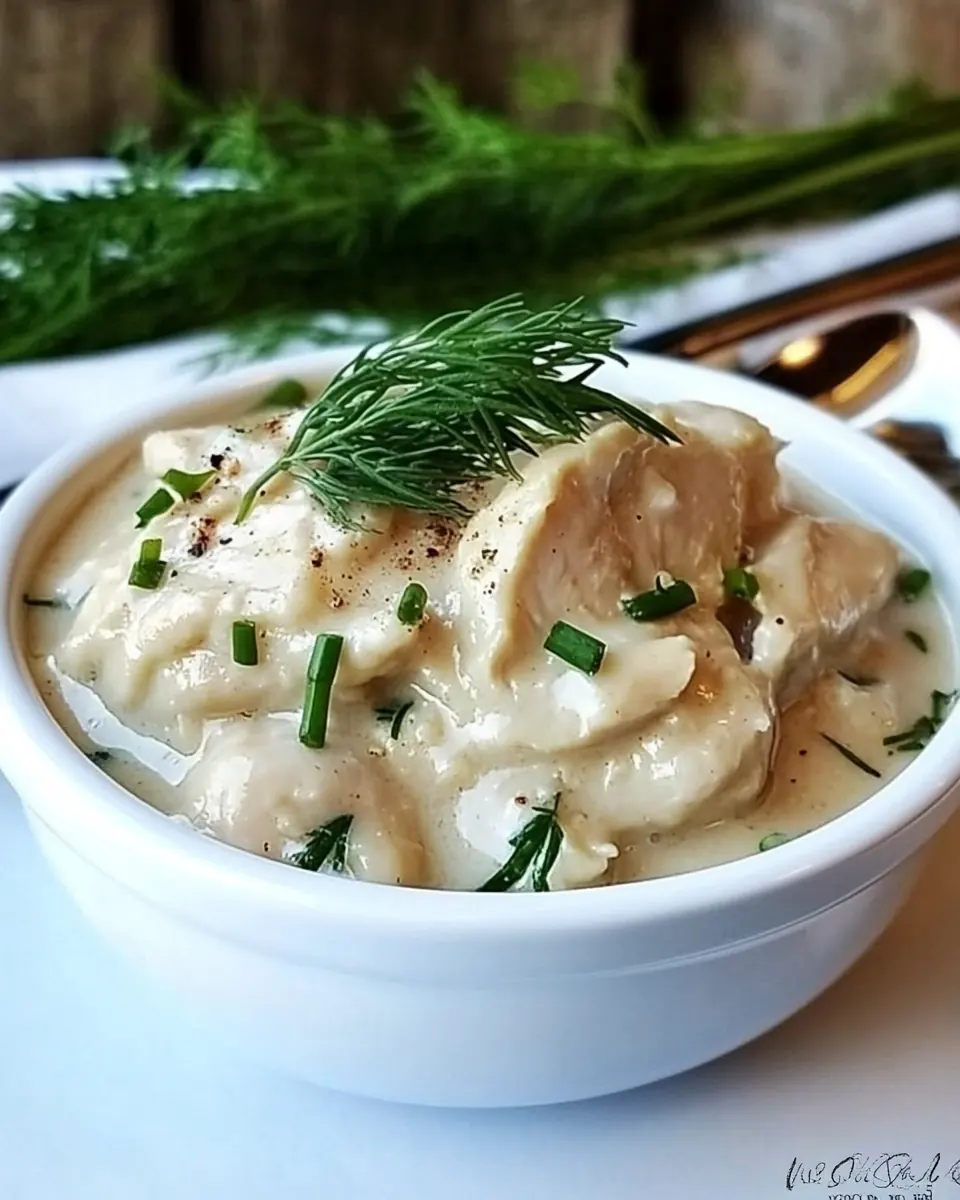
These ingredients are straightforward and each plays a clear role in creating a comforting bowl. The chicken builds a savory base, aromatics like onion and celery add depth, and the dry and dairy components come together to make tender, satisfying dumplings. Together they form a balanced, rustic profile that is both nourishing and soul warming.
- 1 small chicken or 8 pieces of chicken white or dark meat according to taste (see substutions for other): Use to provide the primary protein and base flavor; simmer whole or in pieces to create a rich broth and tender meat, adjusting white or dark meat for personal preference. Simmer slowly with aromatics until fully cooked, then remove bones and shred or serve pieces in the dumpling stew. Save cooking liquid as the foundation for the dumpling batter and final pot.
- 3 stalks of celery – large chop: Chop and sweat to contribute aromatic depth, mild bitterness, and vegetal texture; cook down with onions and garlic to form the savory vegetable base. Add early in the simmering process so celery releases flavor into the broth and softens without losing all its structure. Reserve some for garnish if a fresher texture is desired.
- 2 medium onions – large chop: Chop and sauté or simmer to create sweetness, body, and savory complexity; caramelize slightly if desired to deepen the stew's flavor. Add with celery and garlic to build a balanced aromatic foundation that complements the chicken stock. Cook until translucent to release sugars and meld with other aromatics.
- 3 bay leaves: Add whole to the simmering pot to impart subtle herbal, slightly floral notes that enhance the broth's complexity without overpowering. Remove before serving to avoid bitter edges, and use two to three for a moderate infusion. Replace if stronger flavor desired with additional bay leaves during cooking.
- 2 teaspoons salt: Season generously to enhance and balance flavors; add during simmering to penetrate the meat and broth evenly and elevate overall taste. Adjust quantity to taste and consider reducing if using salty stock or broths. Dissolve into the cooking liquid for consistent seasoning throughout the dish.
- 1 teaspoon pepper: Season to provide mild heat and savory balance; add ground pepper early to distribute its warmth through the broth and finished stew. Adjust coarseness and amount to personal preference, remembering that pepper intensifies slightly during cooking. Finish with a pinch at the end for a fresher pepper presence.
- 2 cloves of garlic minced: Mince finely to contribute pungent aroma and savory depth; sauté briefly to mellow sharpness then add to the broth for layered complexity. Integrate early with onions and celery so garlic flavors infuse the liquid without burning. Use measured amounts to avoid overwhelming the delicate chicken flavors.
- 2 1/4 cup Bisquick for making the dumplings: Combine with milk to form the dumpling dough, supplying structure, lightness, and tender crumb when cooked atop simmering broth. Measure carefully and mix until just combined to avoid dense dumplings; spoon or drop portions into the simmering soup. Maintain cool dough and avoid overworking to keep dumplings fluffy.
- 2/3 cup Whole Milk for making the dumplings: Mix with Bisquick to create a moist, cohesive dumpling batter that contributes richness and tenderness when steamed in the pot. Use the specified amount to achieve the correct consistency for spooning into the simmering broth and allow steam to cook through evenly. Keep cold and fold gently for best texture.
- 1/2 cup Whole Milk for adding to the liquid at the end of cooking: Stir into the finished cooking liquid to enrich mouthfeel and add a touch of dairy brightness; add near the end to prevent curdling and maintain creaminess. Warm slightly before incorporating so temperature shock to the hot broth is minimized. Adjust amount to reach desired richness without thinning the stew.
- 1/2 cup Heavy Cream for adding to the liquid at the end of cooking: Fold in to lend luxurious creaminess and a velvety finish to the stew; add late in cooking to preserve a smooth texture and avoid separation. Use to balance seasoning and create a comforting, rich sauce that coats dumplings and chicken. Warm gently to integrate evenly without boiling.
- 1/2 stick of unsalted butter: Melt to add a silky, buttery richness and to sauté aromatics if desired; incorporate into the pot to enhance mouthfeel and carry flavors. Use half a stick for moderate butteriness that complements dairy additions without overpowering delicate chicken notes. Add early for sautéing or near the end for finishing richness.
- Parsley – minced: Mince finely to add bright, herbaceous freshness and visual appeal when sprinkled over the finished dish; stir or garnish at the end to preserve color and flavor. Use parsley to lift the richness of the broth and cream, providing a clean counterpoint to the savory dumplings and chicken.
Directions for Old Fashion Chicken and Dumplings
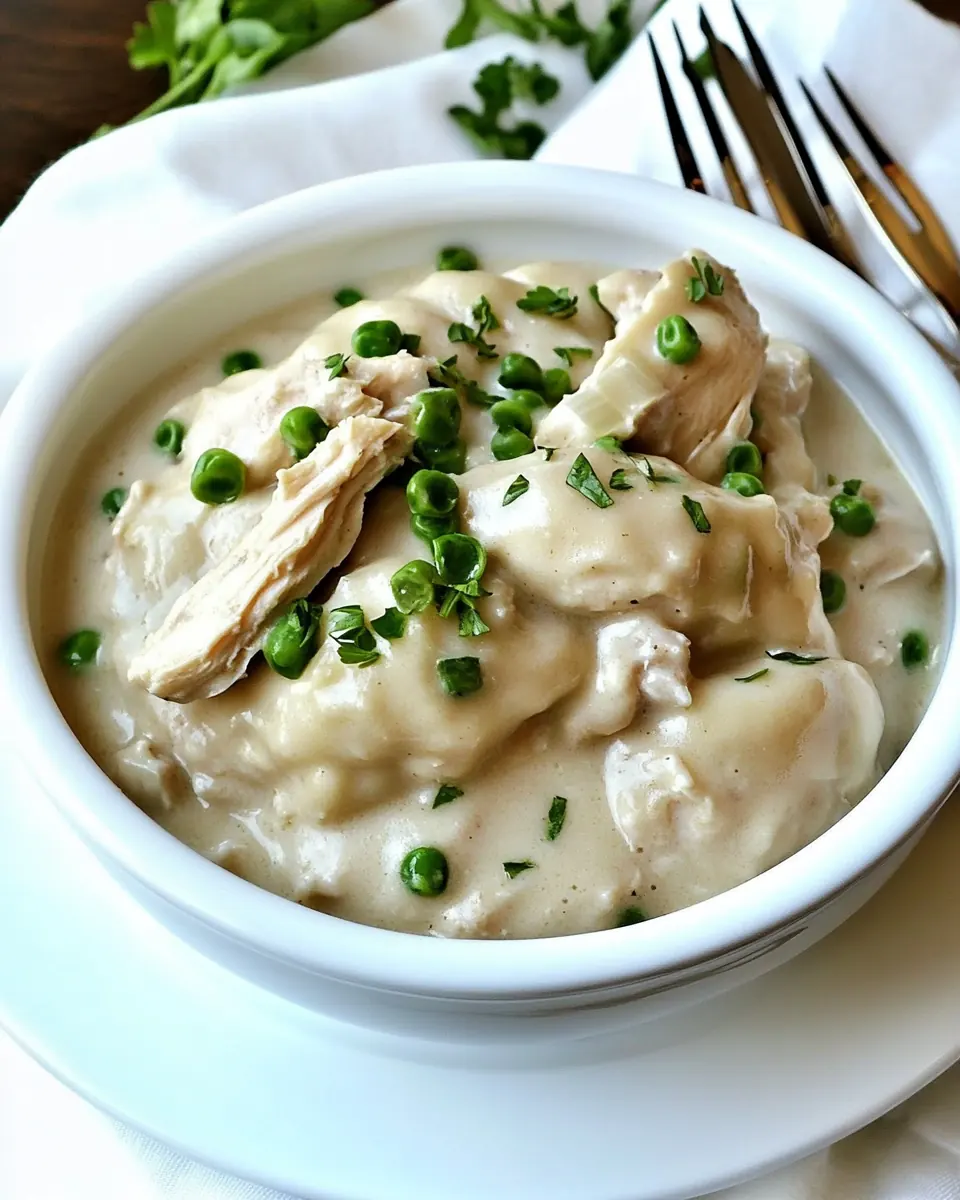
These directions walk you from a raw bird to a steaming, spoonable pot of comfort. The process rewards attentive simmering, gentle handling of dumpling dough, and timing when adding dairy. I find that taking it slow produces the best texture and flavor.
- Place chicken in a 6-8 quart stock pot and fill with enough water to fill within 3 inches of the top of the stock pot.: You will notice a raw metallic scent dissipating as the water warms, and soon a savory aroma will begin to bloom from the pot. I like to use cold water so the proteins release slowly, resulting in a clearer broth. Keep an eye on the water level as evaporation can concentrate saltiness, and avoid overfilling, which can cause boiling over. A common mistake is using too small a pot which crowds the chicken , preventing even cooking.
- Add celery, onion, bay leaves, salt and pepper to the water.: Once these aromatics meet the warm liquid, they start releasing fragrant oils that deepen the stock. The soft hiss and small bubbles as the pot warms are signs that flavors are marrying. I chop the celery and onion generously so they give up body to the broth. Be careful not to over salt at this stage, as the liquid will reduce slightly.
- Place on stove top on medium-high and bring to a boil then reduce to simmer. Simmer until chicken meat is falling off of the bone. Add water during cooking if water level decreases below half of the stock pot.: As the pot climbs to a boil you will hear a lively rolling sound, then change to a gentle murmur once lowered for simmer. That steady simmer extracts gelatin from the bones and slowly tenderizes the meat. A too vigorous boil will churn the broth cloudy and toughen the chicken , so keep the heat modest.
- Once meat is fully cooked and falling off of the bone, using a large slotted spoon or tongs, remove all of the chicken, celery and onion from the stock pot to a platter (keep all of the water in the stock pot) and allow chicken to cool until it is cool enough to touch. Remove all of the meat from the bones. Shred into bite sized pieces. Discard the bones and skin and any large chunks of onion and celery. Remove the bay leaves and discard.: At this point the aroma will be deeply savory and the meat will yield easily when prodded. The texture should be tender and moist, not stringy. Remove pieces to test; undercooked meat will resist shredding, while overcooked can dry. If the liquid level drops too low, top with hot water to maintain volume.
- Replace the chicken meat back into the stock pot and set burner temperature on medium. Add garlic to the water.: The broth at this stage is intensely aromatic, and handling the hot pieces releases a cloud of steam. Cooling makes shredding easier and safer. Save the liquid, it is the backbone of the dish. A common error is leaving the aromatics in too long, which can muddy texture, so discard large onion and celery chunks and bay leaves when they have given up their flavor.
- As the chicken and stock reheat, mix the bisquick and 2/3 cup milk in a large bowl. Dough will be sticky. Once mixed, turn out onto a heavily floured board and knead (adding more bisquick as needed) until the dough feels slightly rubbery and is no longer sticky. Flour the top of the dough ball and roll out into a large thin (1/8 inch thick) circle. Dough should be about 1/8 inch thick.: Shredding by hand gives you irregular pieces that soak up broth beautifully. The meat should tear apart with minimal effort and be juicy. Be mindful of small bones when shredding. Over shredding can create a mushy texture, so aim for bite sized shreds.
- Using a butter knife (turned upside down), cut dough into long strips that are 2 inch wide noodles. Do not let the noodles stick together. Do not worry if there is a lot of extra flour on the noodles – this will only serve to thicken the liquid – which is delicious!: Returning the chicken now lets it recline in the seasoned broth and reheat gently, infusing it with the aromatics. The minced garlic will bloom in the warm liquid, releasing a fragrant sweetness. Watch closely because garlic can turn bitter if overheated at high temperatures.
- When the chicken stock has reached a full boil, begin adding the noodles one at a time into the boiling stock. The noodles will puff up and float to the surface and may cover the entire surface. Using a wooden spoon, gently push noodles to the side so that you can add more noodles into the space created. Add noodles quickly until all noodles are added. Do not stir the pot as the noodles will break into small mushy pieces. You can use your wooden spoon to gently move them around the pan so that they all see some bubbling action in the pot.: When you combine Bisquick and milk , the dough will feel tacky, and as you knead it becomes resilient and springy. Rolling it thin is key because the dumplings puff in the stock. You will feel the subtle change from sticky to pliant under your hands which signals readiness. A common misstep is skipping enough flour on the surface causing the sheet to stick and tear while cutting.
- Allow noodles to cook by floating at the top of the boiling stock for several minutes (about 5 minutes) until done. Using a wooden spoon, gently spoon hot broth over the tops of the floating noodles to help them to cook. You will know that they are ready when most of them begin to sink.: The ribbons should slide apart easily and have a dusting of flour that will dissolve into the broth and enrich it. The tactile sensation of the dough should be smooth with slight resistance. Keep the strips separated on the board so they do not fuse. A typical mistake is stacking strips, which leads to clumps in the pot.
- The noodles are done when they begin to sink into the broth – gently stir with a wooden spoon. You might want to get one out and test it for doneness (that is what I do). When noodles are done, reduce heat to a slow simmer and add 1/2 cup milk, cream and butter to the stock pot. Salt and pepper to taste. Allow the entire pot to simmer for at least 5 minutes after adding the milk and cream. This takes the "milk" taste out of the completed dish. When heated through, serve and garnish with fresh minced parsley.: The frantic hiss and bubbling when the noodles hit the boil is a good sign, they will swell and float. I find adding them quickly and spacing them allows even cooking. Resist stirring vigorously because that tears them; instead nudge them gently so each sees heat. A common error is stirring violently and ending with gluey bits.
- Allow noodles to cook by floating at the top of the boiling stock for several minutes about 5 minutes until done Using a wooden spoon gently spoon hot broth over the tops of the floating noodles to help them to cook You will know that they are ready when most of them begin to sink: Floating dumplings will have a tender exterior and a slightly denser interior. Spoon hot broth over them to ensure even doneness and watch for most to sink which indicates they are cooked through. If you bite into one and it feels doughy, give them another minute. Overcooking makes them become heavy and pasty.
- The noodles are done when they begin to sink into the broth gently stir with a wooden spoon You might want to get one out and test it for doneness that is what I do When noodles are done reduce heat to a slow simmer and add 1 slash 2 cup milk cream and butter to the stock pot Salt and pepper to taste Allow the entire pot to simmer for at least 5 minutes after adding the milk and cream This takes the milk taste out of the completed dish When heated through serve and garnish with fresh minced parsley: As the dumplings settle, the aroma changes to a rounded, homey note and the broth becomes velvety. Adding the milk , cream , and butter at a gentle simmer integrates fat and softens the palate. The brief simmer scalds the dairy slightly so it blends without tasting raw. A frequent oversight is adding cold dairy and serving immediately, which can leave a faint uncooked milk flavor, so wait the full five minutes before serving.
Substitutions and Tips
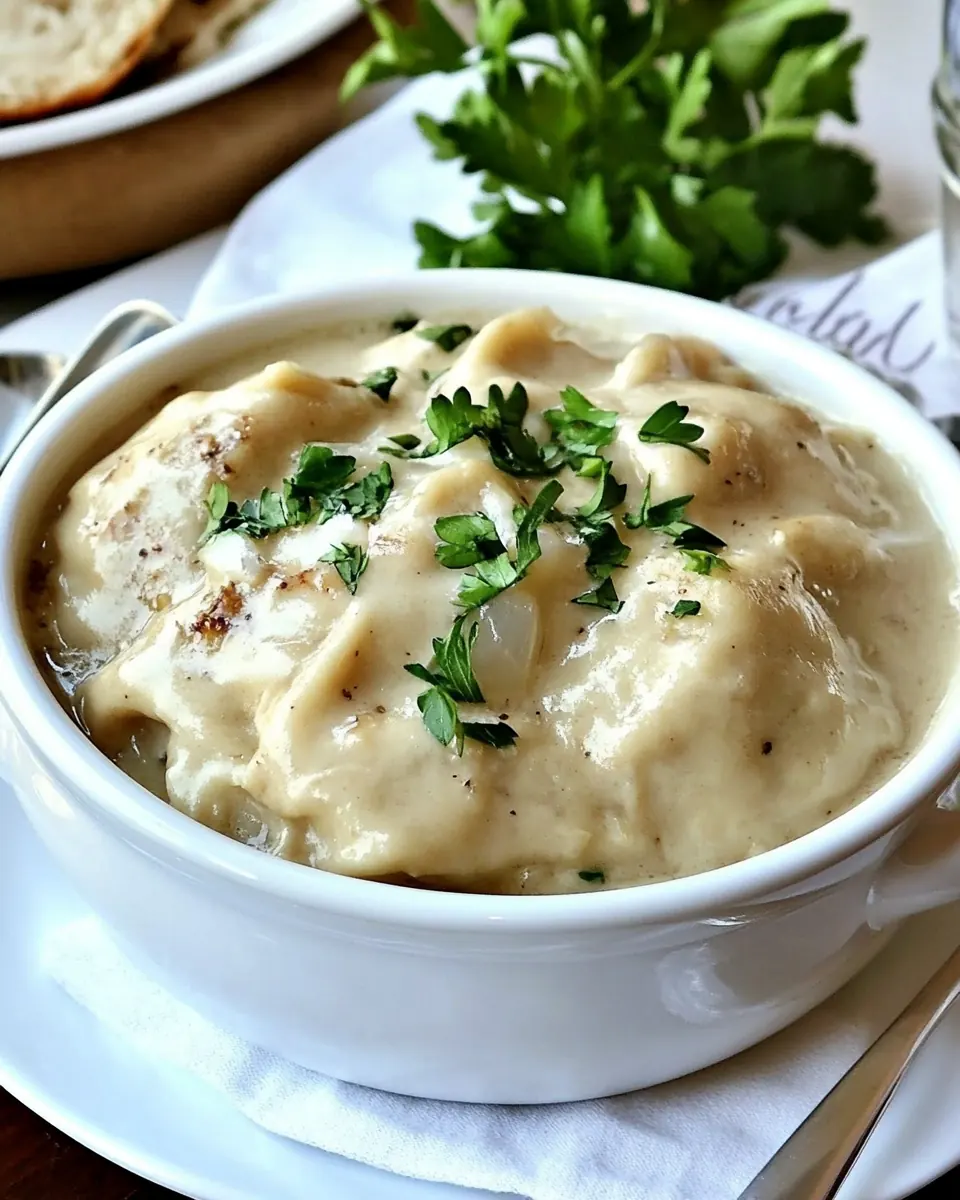
These practical tips and substitutions will help you make Old Fashion Chicken and Dumplings feel reliably satisfying. I wrote them from years of tinkering and from answering friends questions at the table.
- Knead until stretchy 7 When working the dumpling dough, knead until it feels elastic and slightly rubbery. This gives the noodles chew and prevents them from collapsing in the hot broth. If you under knead, the dough will remain sticky and tear when rolled.
- Don’t fear extra flour 7 A liberal dusting on the board will thicken the broth a touch as the extra flour dissolves, which I love for a creamier finish. If you add too much, the broth can become overly thick, so monitor consistency and add hot water if needed.
- Use whole chicken when possible 7 Whole chicken or bone in pieces produce the most flavorful stock thanks to bones and connective tissue. If you use boneless pieces the stock will be lighter and less gelatinous, which is still fine, but different.
- Simmer gently 7 A slow simmer extracts flavor and keeps meat tender. A rolling boil will agitate the stock, making it cloudy and toughening meat fibers, so keep heat modest.
- Try rotisserie for speed 7 If you are short on time, using a rotisserie chicken speeds things up, though the broth will be less intense. Stretch flavor by simmering with aromatics longer if using pre cooked meat.
- Test dumplings for doneness 7 Remove a noodle and taste it to check for a tender center. This prevents serving doughy pasta like pieces and ensures uniform texture across the pot.
Serving Ideas for Old Fashion Chicken and Dumplings
This section outlines practical ways to present and pair your pot of Old Fashion Chicken and Dumplings. Think about occasions and storage, and choose accompaniments that enhance the warm, homey profile of the dish.
- Family dinner 7 Serve steaming bowls as the main course with crusty bread for sopping up the broth and a simple green salad to add brightness.
- Entertaining 7 Present the pot family style on a warmed table for casual gatherings, letting guests help themselves. Offer a dish of extra minced parsley for garnish.
- Comfort for the unwell 7 This gentle, nourishing bowl is ideal when someone needs easy to eat food. Make a batch and portion into small bowls for immediate comfort.
- Meal prep and storage 7 Store leftovers in the refrigerator for up to three days, keeping dumplings submerged to retain moisture. Reheat gently over low heat to avoid breaking the dumplings apart.
- Seasonal pairing 7 Best in colder months like winter, pair with warm beverages and hearty sides, creating a cozy, nourishing meal suited to short days and chilly nights.
- Occasions 7 Ideal for casual dinners, family reunions, or any time you want a crowd pleasing, stick to the ribs entree that feels like a hug in a bowl.
- Portioning 7 This recipe scales well, so double or halve as needed, but keep cooking vessel size in mind to maintain proper simmer and dumpling cooking behavior.
FAQ
Conclusion
Old Fashion Chicken and Dumplings is a timeless bowl of comfort that shines because of simple ingredients, slow technique, and a little patience. It produces a rich, soothing broth, tender shredded chicken, and dumplings that puff and soak up flavor, making every spoonful feel nourishing. Give it a try on a chilly evening and let the ritual of simmering and rolling dough become part of your kitchen rhythm. Share it with family or tuck into a quiet bowl alone, and enjoy the warmth it brings.
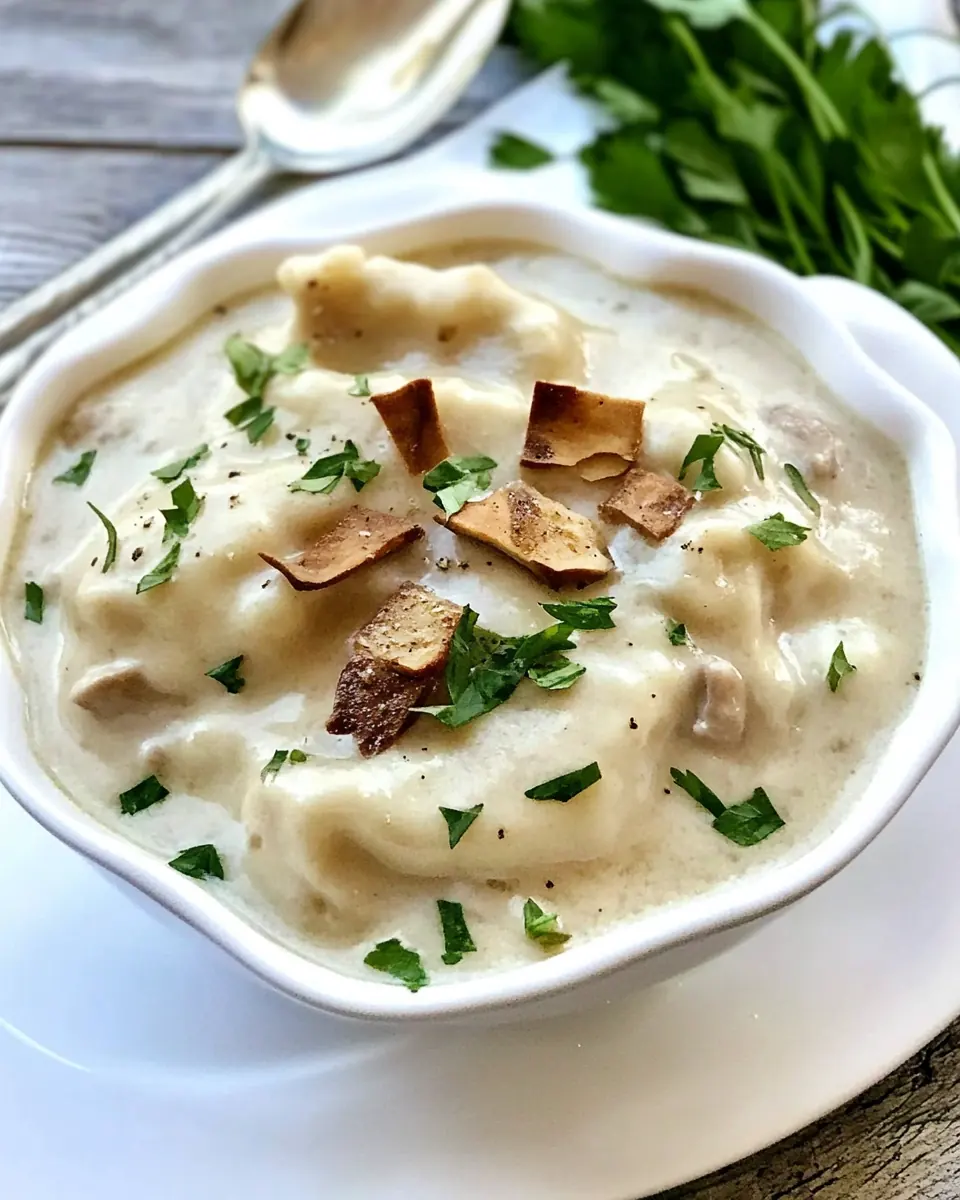
Old Fashion Chicken and Dumplings
Ingredients
Equipment
Method
- Place chicken in a 6-8 quart stock pot and fill with enough water to fill within 3 inches of the top of the stock pot.: You will notice a raw metallic scent dissipating as the water warms, and soon a savory aroma will begin to bloom from the pot. I like to use cold water so the proteins release slowly, resulting in a clearer broth. Keep an eye on the water level as evaporation can concentrate saltiness, and avoid overfilling, which can cause boiling over. A common mistake is using too small a pot which crowds the chicken , preventing even cooking.
- Add celery, onion, bay leaves, salt and pepper to the water.: Once these aromatics meet the warm liquid, they start releasing fragrant oils that deepen the stock. The soft hiss and small bubbles as the pot warms are signs that flavors are marrying. I chop the celery and onion generously so they give up body to the broth. Be careful not to over salt at this stage, as the liquid will reduce slightly.
- Place on stove top on medium-high and bring to a boil then reduce to simmer. Simmer until chicken meat is falling off of the bone. Add water during cooking if water level decreases below half of the stock pot.: As the pot climbs to a boil you will hear a lively rolling sound, then change to a gentle murmur once lowered for simmer. That steady simmer extracts gelatin from the bones and slowly tenderizes the meat. A too vigorous boil will churn the broth cloudy and toughen the chicken , so keep the heat modest.
- Once meat is fully cooked and falling off of the bone, using a large slotted spoon or tongs, remove all of the chicken, celery and onion from the stock pot to a platter (keep all of the water in the stock pot) and allow chicken to cool until it is cool enough to touch. Remove all of the meat from the bones. Shred into bite sized pieces. Discard the bones and skin and any large chunks of onion and celery. Remove the bay leaves and discard.: At this point the aroma will be deeply savory and the meat will yield easily when prodded. The texture should be tender and moist, not stringy. Remove pieces to test; undercooked meat will resist shredding, while overcooked can dry. If the liquid level drops too low, top with hot water to maintain volume.
- Replace the chicken meat back into the stock pot and set burner temperature on medium. Add garlic to the water.: The broth at this stage is intensely aromatic, and handling the hot pieces releases a cloud of steam. Cooling makes shredding easier and safer. Save the liquid, it is the backbone of the dish. A common error is leaving the aromatics in too long, which can muddy texture, so discard large onion and celery chunks and bay leaves when they have given up their flavor.
- As the chicken and stock reheat, mix the bisquick and 2/3 cup milk in a large bowl. Dough will be sticky. Once mixed, turn out onto a heavily floured board and knead (adding more bisquick as needed) until the dough feels slightly rubbery and is no longer sticky. Flour the top of the dough ball and roll out into a large thin (1/8 inch thick) circle. Dough should be about 1/8 inch thick.: Shredding by hand gives you irregular pieces that soak up broth beautifully. The meat should tear apart with minimal effort and be juicy. Be mindful of small bones when shredding. Over shredding can create a mushy texture, so aim for bite sized shreds.
- Using a butter knife (turned upside down), cut dough into long strips that are 2 inch wide noodles. Do not let the noodles stick together. Do not worry if there is a lot of extra flour on the noodles – this will only serve to thicken the liquid – which is delicious!: Returning the chicken now lets it recline in the seasoned broth and reheat gently, infusing it with the aromatics. The minced garlic will bloom in the warm liquid, releasing a fragrant sweetness. Watch closely because garlic can turn bitter if overheated at high temperatures.
- When the chicken stock has reached a full boil, begin adding the noodles one at a time into the boiling stock. The noodles will puff up and float to the surface and may cover the entire surface. Using a wooden spoon, gently push noodles to the side so that you can add more noodles into the space created. Add noodles quickly until all noodles are added. Do not stir the pot as the noodles will break into small mushy pieces. You can use your wooden spoon to gently move them around the pan so that they all see some bubbling action in the pot.: When you combine Bisquick and milk , the dough will feel tacky, and as you knead it becomes resilient and springy. Rolling it thin is key because the dumplings puff in the stock. You will feel the subtle change from sticky to pliant under your hands which signals readiness. A common misstep is skipping enough flour on the surface causing the sheet to stick and tear while cutting.
- Allow noodles to cook by floating at the top of the boiling stock for several minutes (about 5 minutes) until done. Using a wooden spoon, gently spoon hot broth over the tops of the floating noodles to help them to cook. You will know that they are ready when most of them begin to sink.: The ribbons should slide apart easily and have a dusting of flour that will dissolve into the broth and enrich it. The tactile sensation of the dough should be smooth with slight resistance. Keep the strips separated on the board so they do not fuse. A typical mistake is stacking strips, which leads to clumps in the pot.
- The noodles are done when they begin to sink into the broth – gently stir with a wooden spoon. You might want to get one out and test it for doneness (that is what I do). When noodles are done, reduce heat to a slow simmer and add 1/2 cup milk, cream and butter to the stock pot. Salt and pepper to taste. Allow the entire pot to simmer for at least 5 minutes after adding the milk and cream. This takes the "milk" taste out of the completed dish. When heated through, serve and garnish with fresh minced parsley.: The frantic hiss and bubbling when the noodles hit the boil is a good sign, they will swell and float. I find adding them quickly and spacing them allows even cooking. Resist stirring vigorously because that tears them; instead nudge them gently so each sees heat. A common error is stirring violently and ending with gluey bits.
- Allow noodles to cook by floating at the top of the boiling stock for several minutes about 5 minutes until done Using a wooden spoon gently spoon hot broth over the tops of the floating noodles to help them to cook You will know that they are ready when most of them begin to sink: Floating dumplings will have a tender exterior and a slightly denser interior. Spoon hot broth over them to ensure even doneness and watch for most to sink which indicates they are cooked through. If you bite into one and it feels doughy, give them another minute. Overcooking makes them become heavy and pasty.
- The noodles are done when they begin to sink into the broth gently stir with a wooden spoon You might want to get one out and test it for doneness that is what I do When noodles are done reduce heat to a slow simmer and add 1 slash 2 cup milk cream and butter to the stock pot Salt and pepper to taste Allow the entire pot to simmer for at least 5 minutes after adding the milk and cream This takes the milk taste out of the completed dish When heated through serve and garnish with fresh minced parsley: As the dumplings settle, the aroma changes to a rounded, homey note and the broth becomes velvety. Adding the milk , cream , and butter at a gentle simmer integrates fat and softens the palate. The brief simmer scalds the dairy slightly so it blends without tasting raw. A frequent oversight is adding cold dairy and serving immediately, which can leave a faint uncooked milk flavor, so wait the full five minutes before serving.
Notes
- Knead until stretchy 7 When working the dumpling dough, knead until it feels elastic and slightly rubbery. This gives the noodles chew and prevents them from collapsing in the hot broth. If you under knead, the dough will remain sticky and tear when rolled.
- Don't fear extra flour 7 A liberal dusting on the board will thicken the broth a touch as the extra flour dissolves, which I love for a creamier finish. If you add too much, the broth can become overly thick, so monitor consistency and add hot water if needed.
- Use whole chicken when possible 7 Whole chicken or bone in pieces produce the most flavorful stock thanks to bones and connective tissue. If you use boneless pieces the stock will be lighter and less gelatinous, which is still fine, but different.
- Simmer gently 7 A slow simmer extracts flavor and keeps meat tender. A rolling boil will agitate the stock, making it cloudy and toughening meat fibers, so keep heat modest.
- Try rotisserie for speed 7 If you are short on time, using a rotisserie chicken speeds things up, though the broth will be less intense. Stretch flavor by simmering with aromatics longer if using pre cooked meat.
- Test dumplings for doneness 7 Remove a noodle and taste it to check for a tender center. This prevents serving doughy pasta like pieces and ensures uniform texture across the pot.