Puree the peanut butter, sugar, half & half, salt, and vanilla in a blender or food processor until smooth.: Right away you ll notice the hum of the blender and the way the peanut butter loosens and becomes glossy as it emulsifies into the half & half . The aroma will shift from packed peanut paste to a nutty, milky perfume, and the sound will change slightly as the ingredients become uniform. This step matters because a smooth, fully combined base prevents graininess and ensures even flavor distribution. If the mixture seems too thick to move freely, scrape the sides and pulse rather than running continuously to avoid overheating the motor. A common mistake here is under-blending, which leaves bits of peanut butter that can seize up when chilled, so keep working until you can see a homogeneous texture and no streaks remain.
Chill the mixture thoroughly in the refrigerator.: As the base cools, it firms and quiets, and you ll notice condensation settle on the bowl or container. Cooling is essential, because a cold mixture churns into creamier ice cream with fewer large ice crystals. I usually transfer the blended mixture to a shallow container so it cools faster. Timing is important, give it enough time to reach refrigerator temperature through and through. One trap is churning a warm base, which produces icy, coarse results. If you re short on time, a quick ice bath helps bring temperatures down safely without diluting the mixture.
Freeze the mixture in an ice cream maker according to the manufacturer’s instructions.: When you pour the chilled mixture into the churn, listen for the familiar rhythmic scraping as it thickens and aerates. You should see it go from pourable to a soft, scoopable consistency, and the aroma becomes more concentrated and cool. Churning incorporates air and controls crystal size, which is why following your machine s guidelines yields the best texture. Avoid overfilling the machine and keep the lid secure to maintain an even churn. People sometimes stop too soon or too late; stopping too early leaves the ice cream too soft, while churning too long can make it grainy or overly firm.
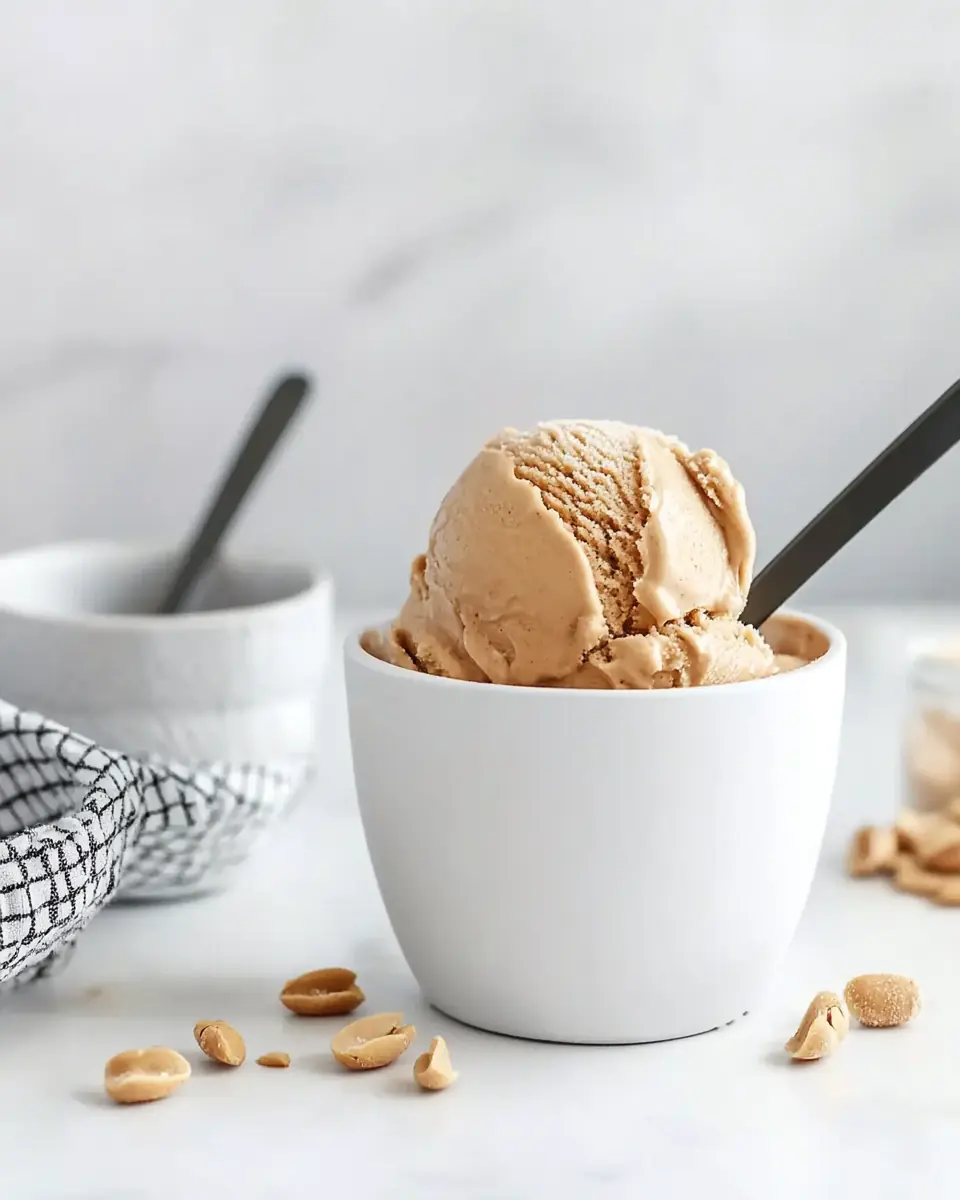
Transfer to a freezer-safe container and freeze for a few hours or overnight before serving.: Once transferred, press a piece of parchment or plastic directly on the surface to prevent ice crystals from forming, then seal and freeze. During this final freeze, the texture firms and the flavors marry, giving you that clean, cohesive scoop. I like to wait at least a few hours so the center is fully set and the texture becomes dense but scoopable. A common mistake is serving immediately out of the machine without the final set time, which yields an overly soft, melty texture that can be runny on the plate. Patience here pays off, as the chill solidifies structure and intensifies the peanut notes.