Peanut Butter Ice Cream
Peanut Butter Ice Cream is one of those recipes I reach for when I want something utterly comforting yet surprisingly simple to make at home.
I first made Peanut Butter Ice Cream on a late summer evening after a sunbaked trip to the farmer s market, when I still had a jar of creamy peanut butter on the counter and a stubborn sweet tooth. I remember the hum of the blender and the way the aroma of roasted peanuts filled the kitchen, folding into the cool, milky scent of the half & half. There was something very satisfying about turning a handful of familiar pantry items into something silky and cooling that felt like a handmade treat.
That night I shared bowls with friends on my back porch, and we compared memories of childhood scoops and grown up indulgences. The texture surprised everyone, it was rich but not heavy, and the peanut butter flavor was forward without being cloying. I like that this recipe invites small personal touches, but even kept pure and straightforward, it shines.
Over the years I ve returned to this recipe whenever I want a quick dessert that still feels special, whether after a long week or as an easy ending to a casual dinner. The whole process is forgiving, and the results are reliably creamy and evocative, which is why this particular version has become a repeat in my rotation.
Recipe Snapshot
15 mins
10 mins
5 mins
Easy
300 kcal
American
Gluten-Free, Low FODMAP
Desserts
Blender, Ice Cream Maker, Refrigerator, Freezer
The Magic of This Peanut Butter Ice Cream
Deep, honest peanut flavor
I love how Peanut Butter Ice Cream puts the peanut front and center. Using creamy peanut butter lets the roasted, nutty notes sing without needing fancy additions. I find that a straightforward approach showcases the pure character of the peanut butter, and you get a satisfying, nostalgic flavor that reminds me of childhood treats and weekend indulgences.
Silky, satisfying texture
When you blend half & half with sugar and peanut butter, you end up with a base that churns into a luxuriously smooth mouthfeel. I appreciate how this recipe gives you that almost custardy richness without egg yolks, making it easier and faster. The contrast between the cool cream and the dense peanut fat is exactly what I look for in a decadent scoop.
Fast and forgiving
This recipe is pleasantly quick. With just a few minutes of blending and a short churn, you can have ice cream that you d be proud to serve. I often tell friends that if you can use a blender and an ice cream maker, you re already halfway there. Little errors, like a slightly grainy sugar if not fully dissolved, are easy to fix by giving the mixture a bit more time to chill before churning.
Minimal, pantry friendly ingredients
I adore recipes that rely on a short list of staples, and this one fits the bill. With peanut butter, sugar, half & half, a pinch of kosher salt, and a splash of vanilla extract, you re set. That simplicity makes it accessible on a weeknight, and it also means the peanut butter flavor can be the star, rather than competing with a long list of extras.
Easy to personalize
While the base is perfect on its own, I enjoy experimenting when I have time. You can adapt sweetness or salt level to your liking, and since the core technique is straightforward, it s a safe platform for tweaking texture or intensity. I ve learned that small changes to chilling time or sugar amount can make a big difference, so it s a very rewarding recipe to play with.
What’s In This Peanut Butter Ice Cream
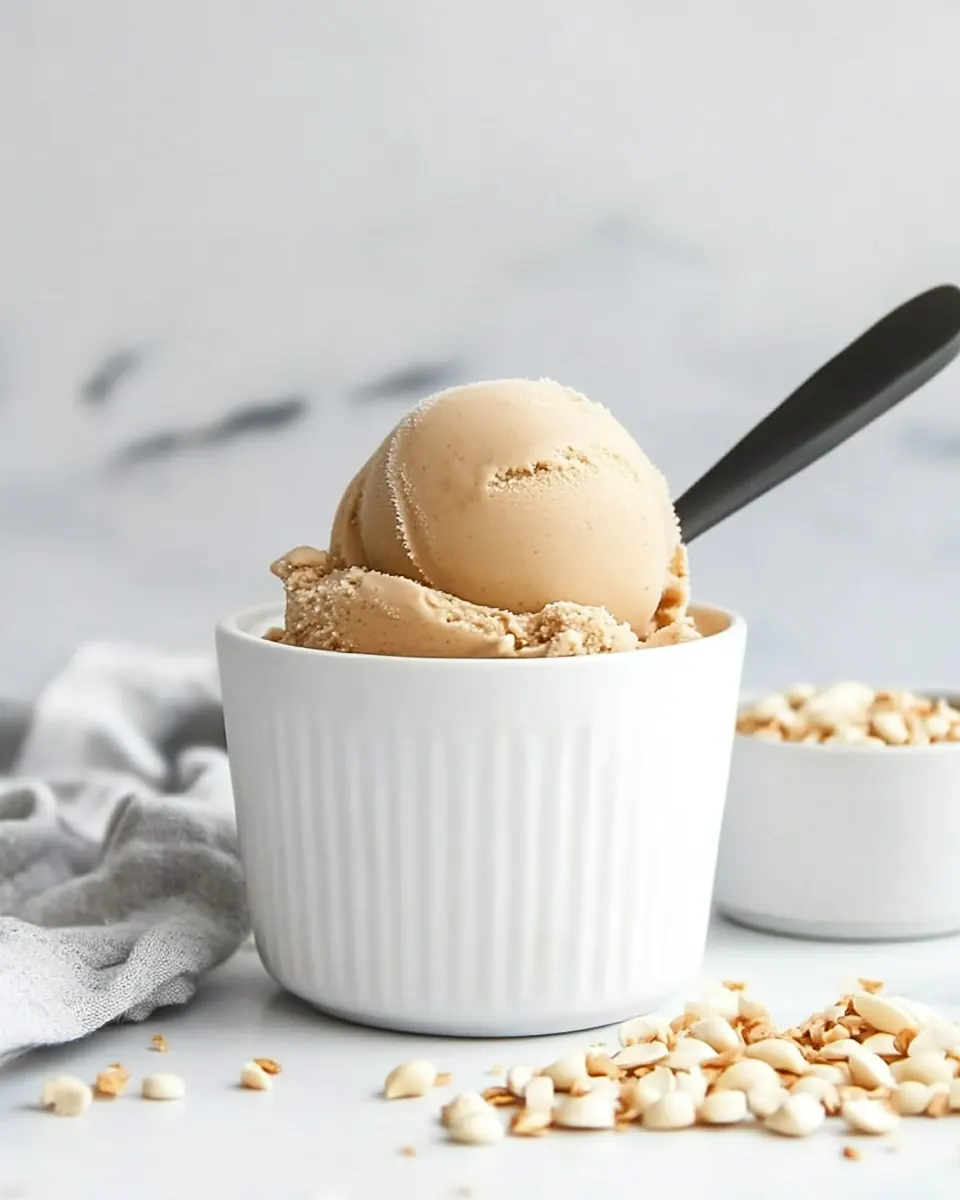
These ingredients keep the recipe honest and straightforward. The philosophy here is to let quality components do the work without cluttering the flavor profile. The key players are the peanut butter for character, the half & half for richness, and the sugar to balance and lift the nuttiness. A pinch of kosher salt sharpens flavors, and a touch of vanilla extract rounds the aroma.
- 3/4 cup creamy peanut butter such as Jif: Provide rich, creamy flavor and smooth mouthfeel to the ice cream base, contributing nutty depth and fat that stabilizes the frozen texture. Melt slightly when warmed to blend evenly into the custard, ensuring a pronounced peanut profile throughout. Pair with sugar and half & half to balance sweetness and creaminess for scoopable results.
- 3/4 cup plus 2 tablespoons sugar: Sweeten and balance the natural savoriness of peanut butter while aiding in freezing point depression to keep the ice cream scoopable. Dissolve thoroughly into the dairy to create an even sweetness that enhances flavor perception without overpowering the peanut notes. Adjust quantity if a less-sweet profile is desired, as sugar intensity carries through freezing.
- 2 2/3 cups half & half: Create the creamy liquid foundation and provide fat and lactose that form the structure of the ice cream, yielding a smooth, rich texture when churned. Keep cold and mix well with the sugar so the sweetener dissolves and the base freezes uniformly. Use full amount to ensure proper fat content for mouthfeel and stability.
- pinch of kosher salt: Enhance overall flavor by subtly balancing sweetness and intensifying other tastes, while also helping to heighten the peanut character without much added volume. Use sparingly so the salted contrast lifts flavors rather than making the dessert salty. Adjust slightly to taste, especially with salted versus unsalted peanut butter varieties.
- 1/4 teaspoon pure vanilla extract: Add a subtle aromatic lift and rounded sweetness to the finished ice cream, complementing the peanut butter and sweet base with warm vanilla notes. Stir in near the end of mixing to preserve its delicate aromatic compounds and avoid cooking off flavor. Use pure extract for the cleanest, most natural vanilla presence.
How to Cook Peanut Butter Ice Cream
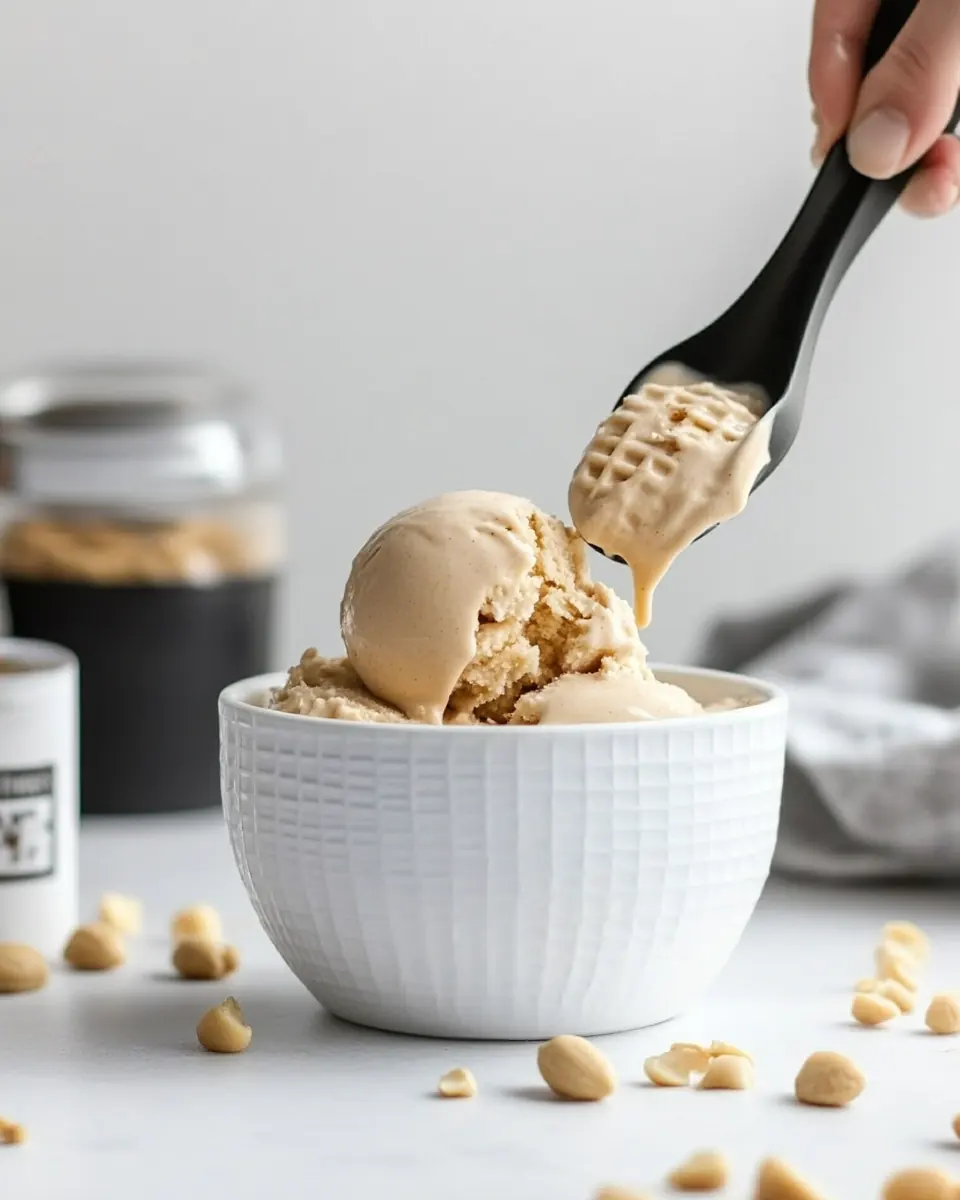
This process is straightforward and hands on, but the real work happens in waiting as the mixture chills and sets. I find that taking time to notice texture changes and aromas makes the outcome more reliable, and it s rewarding to see a few simple steps turn into luscious frozen dessert.
- Puree the peanut butter, sugar, half & half, salt, and vanilla in a blender or food processor until smooth.: Right away you ll notice the hum of the blender and the way the peanut butter loosens and becomes glossy as it emulsifies into the half & half . The aroma will shift from packed peanut paste to a nutty, milky perfume, and the sound will change slightly as the ingredients become uniform. This step matters because a smooth, fully combined base prevents graininess and ensures even flavor distribution. If the mixture seems too thick to move freely, scrape the sides and pulse rather than running continuously to avoid overheating the motor. A common mistake here is under-blending, which leaves bits of peanut butter that can seize up when chilled, so keep working until you can see a homogeneous texture and no streaks remain.
- Chill the mixture thoroughly in the refrigerator.: As the base cools, it firms and quiets, and you ll notice condensation settle on the bowl or container. Cooling is essential, because a cold mixture churns into creamier ice cream with fewer large ice crystals. I usually transfer the blended mixture to a shallow container so it cools faster. Timing is important, give it enough time to reach refrigerator temperature through and through. One trap is churning a warm base, which produces icy, coarse results. If you re short on time, a quick ice bath helps bring temperatures down safely without diluting the mixture.
- Freeze the mixture in an ice cream maker according to the manufacturer’s instructions.: When you pour the chilled mixture into the churn, listen for the familiar rhythmic scraping as it thickens and aerates. You should see it go from pourable to a soft, scoopable consistency, and the aroma becomes more concentrated and cool. Churning incorporates air and controls crystal size, which is why following your machine s guidelines yields the best texture. Avoid overfilling the machine and keep the lid secure to maintain an even churn. People sometimes stop too soon or too late; stopping too early leaves the ice cream too soft, while churning too long can make it grainy or overly firm.
- Transfer to a freezer-safe container and freeze for a few hours or overnight before serving.: Once transferred, press a piece of parchment or plastic directly on the surface to prevent ice crystals from forming, then seal and freeze. During this final freeze, the texture firms and the flavors marry, giving you that clean, cohesive scoop. I like to wait at least a few hours so the center is fully set and the texture becomes dense but scoopable. A common mistake is serving immediately out of the machine without the final set time, which yields an overly soft, melty texture that can be runny on the plate. Patience here pays off, as the chill solidifies structure and intensifies the peanut notes.
Expert Tips about Peanut Butter Ice Cream
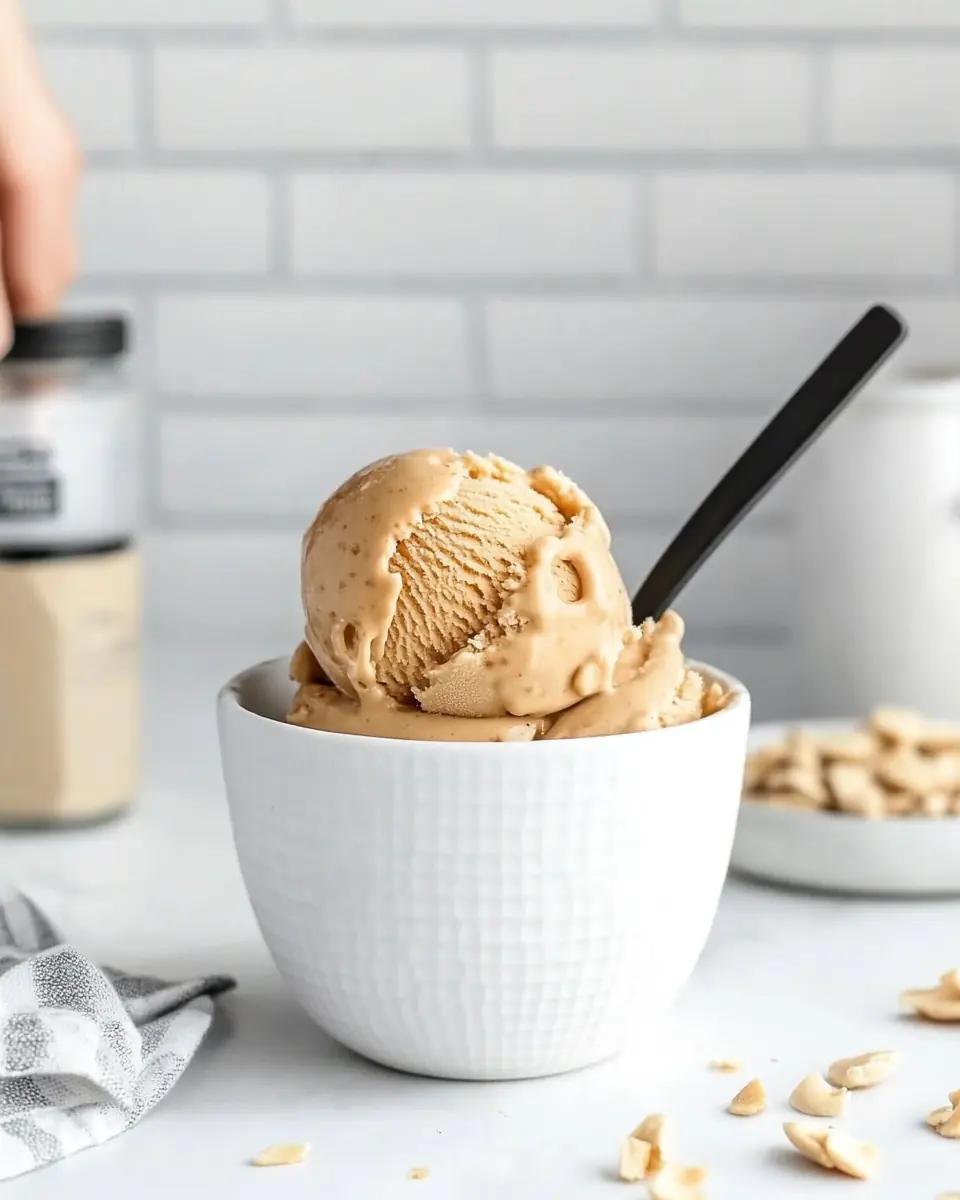
I ve pulled together tips that I actually use when making this recipe at home. They focus on texture, flavor balance, and a few small tricks that make the difference between good and great.
- Use well chilled half & half, cold dairy helps the mixture reach the proper temperature quickly, which improves the ice cream s final texture and reduces churn time.
- Blend until flawlessly smooth, any undissolved peanut butter or sugar can create grainy spots, so don t rush the emulsion in the blender or food processor.
- Don t skip the resting step, giving the base time to chill deepens flavor and ensures the churn produces a creamier, more stable product.
- Control sweetness carefully, small adjustments to the sugar will change how rich the ice cream feels, so taste the base before chilling and fine tune if needed.
- Prevent freezer crystals, press plastic directly onto the surface of the ice cream before sealing the container to keep the texture smooth between freezes.
What to Serve With Peanut Butter Ice Cream
This ice cream is versatile and pairs well with simple accompaniments that play off its nutty richness. Serve it on weekday evenings, at summer gatherings, or as a special finish to a casual dinner. Below are serving ideas, seasonal pairings, and storage suggestions to help you present it beautifully.
- Simple cones or bowls, scoop into a classic cone or a chilled bowl for casual serving. The clean presentation keeps the focus on the rich peanut butter flavor, and it s perfect for kids and adults alike.
- Chocolate drizzle, a thin ribbon of chocolate over the top echoes the nut and chocolate pairing that so many people love. Warm a little chocolate and drizzle at serving time for a pleasing contrast in temperature and flavor.
- Fruit contrast, tart fruits like sliced strawberries or raspberries add a bright counterpoint to the mellow nuttiness, and they re especially nice in summer when berries are at their peak.
- Cookie or brownie crumble, serve scoops atop a warm brownie or crushed cookies for texture contrast and an indulgent dessert mashup. The hot and cold interplay is delightful.
- Portioning and storage, store in an airtight, freezer safe container and press plastic wrap onto the surface to avoid ice crystals. For best texture, let frozen ice cream sit on the counter for 5 to 10 minutes before scooping so it softens slightly.
- Occasions, this is great for summer gatherings, casual dinner parties, or as a Ramadan treat after iftar when you want something cool and satisfying without fuss.
FAQ
Conclusion
Peanut Butter Ice Cream stands out because it transforms a few simple, pantry friendly ingredients into a richly flavored, creamy dessert that feels both nostalgic and sophisticated. Give it a try the next time you want a quick yet impressive treat, and enjoy the way familiar flavors can be elevated through texture and temperature. I hope this recipe becomes a regular in your rotation, for casual nights or when you want to share something homemade with friends.
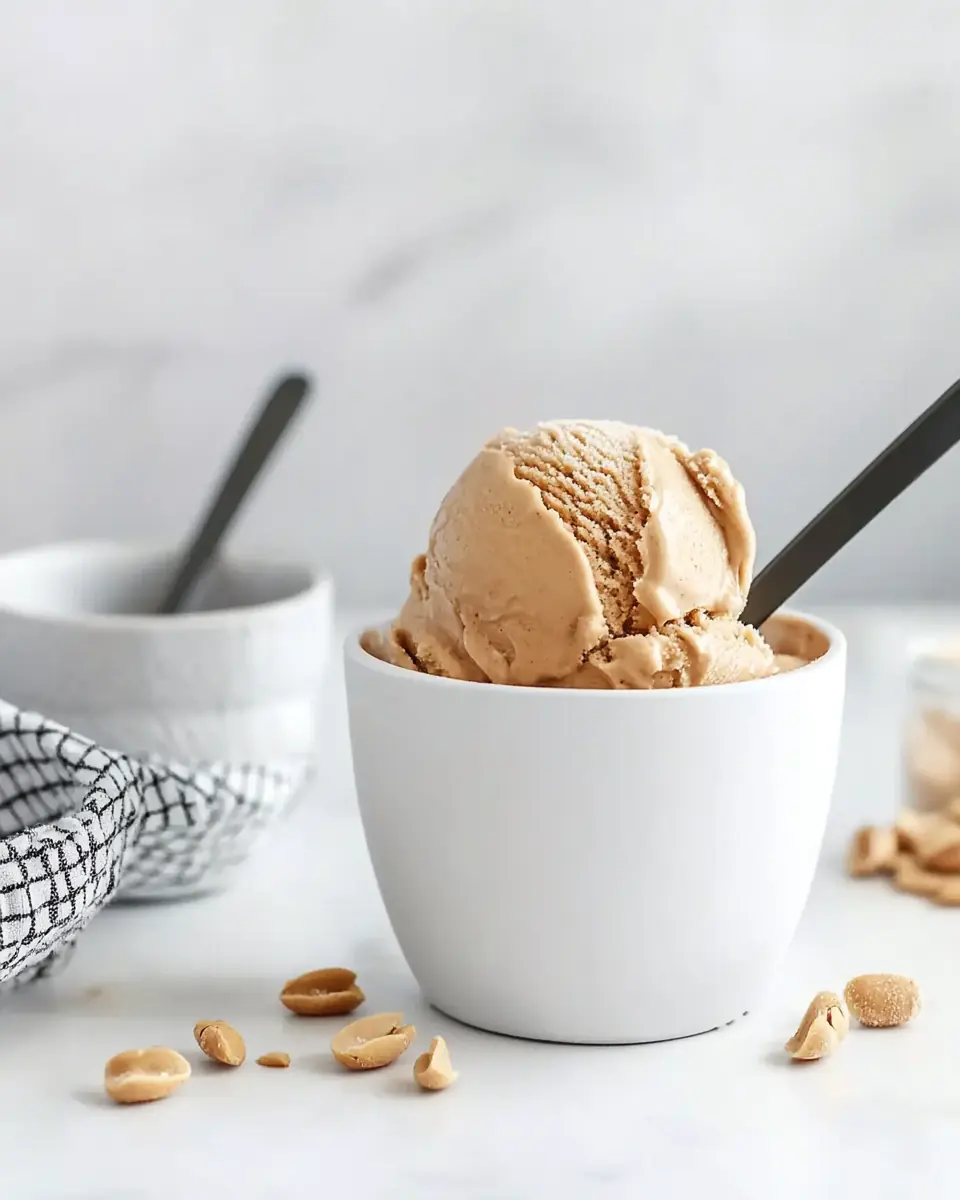
Peanut Butter Ice Cream
Ingredients
Equipment
Method
- Puree the peanut butter, sugar, half & half, salt, and vanilla in a blender or food processor until smooth.: Right away you ll notice the hum of the blender and the way the peanut butter loosens and becomes glossy as it emulsifies into the half & half . The aroma will shift from packed peanut paste to a nutty, milky perfume, and the sound will change slightly as the ingredients become uniform. This step matters because a smooth, fully combined base prevents graininess and ensures even flavor distribution. If the mixture seems too thick to move freely, scrape the sides and pulse rather than running continuously to avoid overheating the motor. A common mistake here is under-blending, which leaves bits of peanut butter that can seize up when chilled, so keep working until you can see a homogeneous texture and no streaks remain.
- Chill the mixture thoroughly in the refrigerator.: As the base cools, it firms and quiets, and you ll notice condensation settle on the bowl or container. Cooling is essential, because a cold mixture churns into creamier ice cream with fewer large ice crystals. I usually transfer the blended mixture to a shallow container so it cools faster. Timing is important, give it enough time to reach refrigerator temperature through and through. One trap is churning a warm base, which produces icy, coarse results. If you re short on time, a quick ice bath helps bring temperatures down safely without diluting the mixture.
- Freeze the mixture in an ice cream maker according to the manufacturer’s instructions.: When you pour the chilled mixture into the churn, listen for the familiar rhythmic scraping as it thickens and aerates. You should see it go from pourable to a soft, scoopable consistency, and the aroma becomes more concentrated and cool. Churning incorporates air and controls crystal size, which is why following your machine s guidelines yields the best texture. Avoid overfilling the machine and keep the lid secure to maintain an even churn. People sometimes stop too soon or too late; stopping too early leaves the ice cream too soft, while churning too long can make it grainy or overly firm.
- Transfer to a freezer-safe container and freeze for a few hours or overnight before serving.: Once transferred, press a piece of parchment or plastic directly on the surface to prevent ice crystals from forming, then seal and freeze. During this final freeze, the texture firms and the flavors marry, giving you that clean, cohesive scoop. I like to wait at least a few hours so the center is fully set and the texture becomes dense but scoopable. A common mistake is serving immediately out of the machine without the final set time, which yields an overly soft, melty texture that can be runny on the plate. Patience here pays off, as the chill solidifies structure and intensifies the peanut notes.
Notes
- Use well chilled half & half, cold dairy helps the mixture reach the proper temperature quickly, which improves the ice cream s final texture and reduces churn time.
- Blend until flawlessly smooth, any undissolved peanut butter or sugar can create grainy spots, so don t rush the emulsion in the blender or food processor.
- Don t skip the resting step, giving the base time to chill deepens flavor and ensures the churn produces a creamier, more stable product.
- Control sweetness carefully, small adjustments to the sugar will change how rich the ice cream feels, so taste the base before chilling and fine tune if needed.
- Prevent freezer crystals, press plastic directly onto the surface of the ice cream before sealing the container to keep the texture smooth between freezes.