Preheat oven to 350°F. Line two cookie sheets with parchment paper or silicone baking mats.: When the oven reaches 350°F , you will notice a faint warm smell and a steady, even heat that crisps the cookie edges. Preheating ensures the cookies begin baking immediately on contact, creating lift and caramelization. If you skip this, cookies may spread more and end up flatter. A common mistake is placing cookies in an oven that has not fully warmed, which leads to uneven texture.
Mix butter and peanut butter in a large bowl with an electric mixer until smooth. Add both sugars and cream until fluffy.: The lined sheets provide a nonstick surface and promote even browning, reducing hot spots that can burn the bottoms. As the sheets warm, you will feel a dry, warm surface when you gently hover your hand above them. Avoid placing dough directly on unlined metal, which can cause uneven browning and sticking.
Add egg, milk, vanilla, baking soda, cinnamon and salt and mix until smooth. Mix in oats then mix in flour.: Creaming these fats traps air and creates a silky base, and the bowl will sound quieter as the mixture smooths out. The texture should look homogeneous and glossy, not greasy. Overbeating can incorporate too much air, causing the cookies to puff and then collapse, so stop once smooth.
Scoop 2-tablespoon size balls of cookie dough 2 inches apart onto prepared cookie sheets. Use a fork to press them down with crisscross marks, like you would with regular peanut butter cookies. If the fork sticks to the cookie dough, dip the fork in some granulated sugar.: As you add the brown and granulated sugars and continue to beat, the mixture should lighten in color and become visibly fluffier, with small air pockets that help tenderize the cookie. You may smell a richer, caramel like scent as the sugars integrate. If the mixture remains grainy, beat a little longer; undercreamed sugar can yield dense cookies.
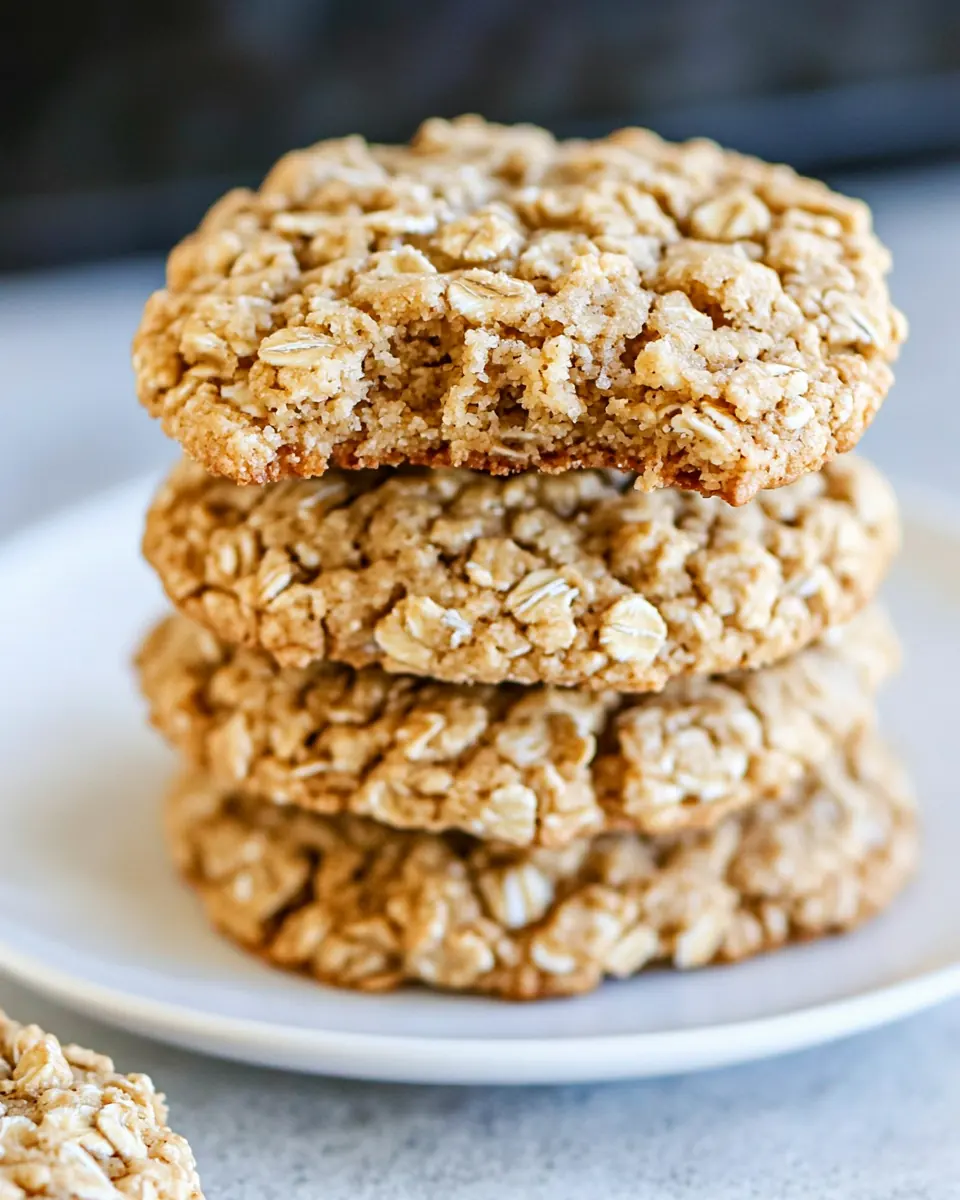
Bake for 11-14 minutes or until they just lose their glossy sheen. Cool at least 5 minutes before removing from cookie sheets.: After adding the wet ingredients and leavener, the batter will take on a slightly thinner sheen and a fragrant aroma from the vanilla and cinnamon. Mixing until smooth ensures these elements distribute evenly for consistent flavor. Common trouble is curdling when cold egg meets stiff fat, so make sure ingredients are closer to room temperature.
Store in an airtight container for up to 3 days or freeze for up to 3 months.: When you stir in the quick cooking oats , you will see the dough gain texture and a speckled look. Adding the flour afterward binds everything together and the dough will come away from the bowl sides. If you overmix here, gluten development can cause tougher cookies, so stop as soon as the flour disappears.
Scoop 2 tablespoon size balls of cookie dough 2 inches apart onto prepared cookie sheets: Scooping uniform dough helps cookies bake evenly. You should hear a soft thud as the scoop hits the parchment, and the dough will hold its round shape initially. Leaving about 2 inches between mounds prevents them from merging into one another. A common mistake is making mounds too large, which lengthens bake time and can leave centers underbaked.
Use a fork to press them down with crisscross marks, like you would with regular peanut butter cookies: Pressing makes a signature pattern and slightly compresses the dough so it bakes with the classic shape. If the fork sticks, dip it in some granulated sugar to create a clean imprint. If you press too hard, cookies will become overly flat, so aim for gentle, even pressure.
Bake for 11 to 14 minutes or until they just lose their glossy sheen: As they bake, edges will darken slightly and you will notice a toasty aroma. The glossy surface will dull when they are ready, and the centers will still look a touch soft. Overbaking leads to dry, crunchy cookies, so take them out on the earlier side if you prefer chewiness.
Cool at least 5 minutes before removing from cookie sheets: Cooling lets the structure set, so cookies firm up enough to transfer without breaking. You may feel the cookies shift from soft to slightly firmer to the touch as they cool. Removing them too soon can cause them to crumble, and leaving them too long on a hot pan can cause residual cooking.
Store in an airtight container for up to 3 days or freeze for up to 3 months: At room temperature in an airtight container, they retain texture for a few days, and freezing preserves them longer. When freezing, separate layers with parchment so they do not stick. A common slip is storing in a humid spot, which makes cookies lose crisp edges.