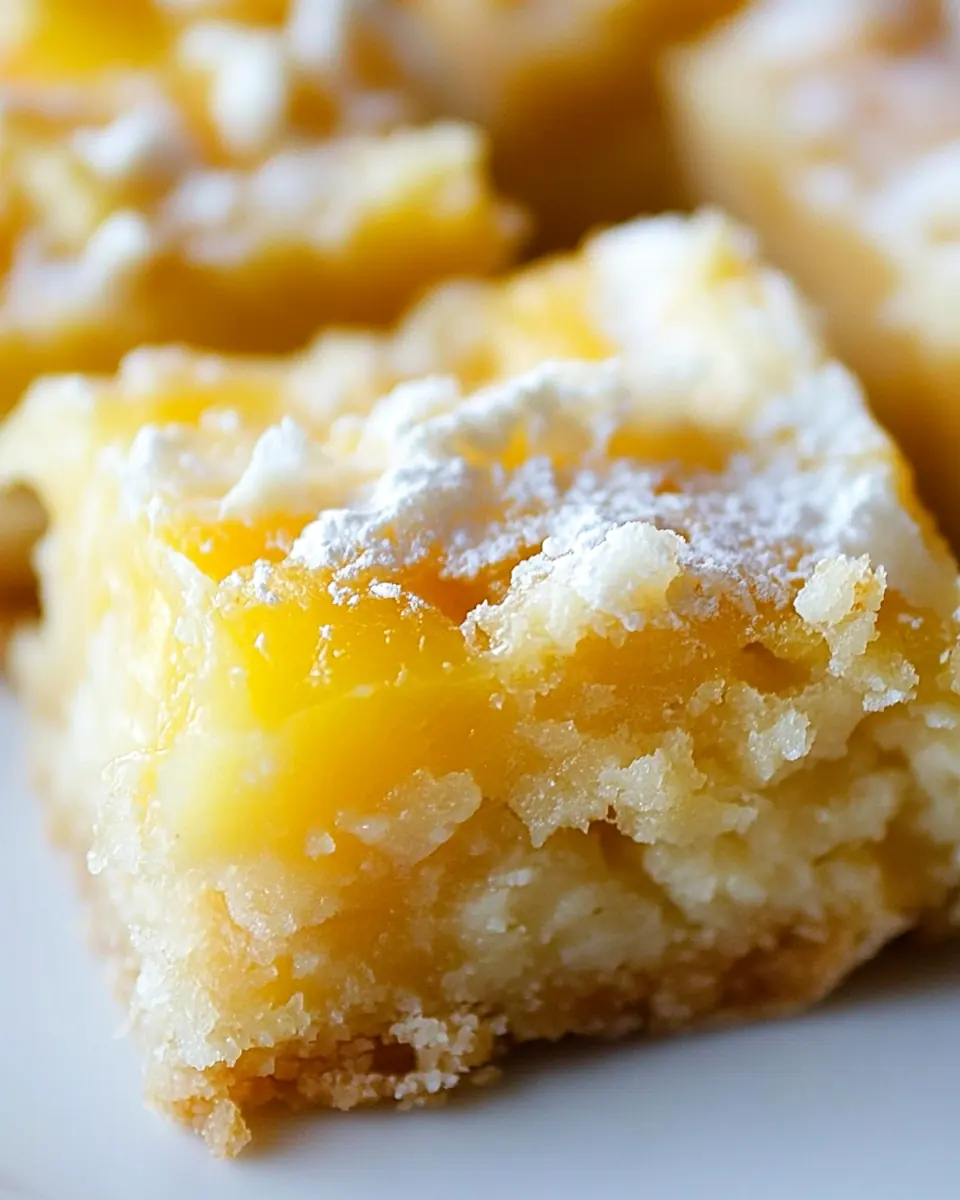
The oil or butter version will taste much more like traditional magic bar crust, while the oil free version has a softer crust that some find gummy (but not everyone minds), so it's completely your choice. To make the recipe: Line an 8-inch baking pan with parchment paper (or grease very well). Preheat the oven to 350 F. In a bowl, toss the cracker crumbs with sweetener and optional oil. Only if using a dry sweetener and no oil, also add 2 tbsp water. Spread evenly into the pan, and press down. Combine remaining ingredients in a bowl, spread on top of the crust, and place on the oven center rack. Bake 35 minutes. Remove and let cool, then freeze until chilled and firm enough to cut. Store leftovers in the fridge or freezer. View Nutrition Facts: The aroma of warmed oil or melted butter can lift the crust, lending a toasty scent that signals richer flavor. When you choose oil or butter, you are deciding on texture, so be mindful that the buttery path creates a slightly firmer, flakier crumb while omitting it keeps things tender. Press a pinch of the mixed crumbs between your fingers; they should hold shape if the binding is sufficient. If the crumbs fall apart, add a tiny splash of water or another tablespoon of fat. A common mistake here is under pressing the crust, which leads to a loose base when slicing.
To make the recipe: Line an 8-inch baking pan with parchment paper (or grease very well) : Running your fingers along the parchment should feel smooth, and the paper will make the pan removal effortless after chilling. Greasing the pan thoroughly is an alternative, but parchment gives a cleaner lift, which helps maintain the bars' edges. Ensure the parchment sits flush with the pan so the filling does not seep underneath and create stuck corners. One problem people face is using a pan that is too large, which thins the layers and changes baking time.
Preheat the oven to 350 F: When the oven reaches 350 F , you'll notice a subtle warmth building in the kitchen and a predictable, even heat for the baking process. Preheating ensures the crust starts to set immediately and the filling begins to firm during the initial minutes of baking. If you put the pan into an oven that is not fully heated, the texture can be uneven, often leaving the middle underbaked while edges brown. Use an oven thermometer if your oven runs hot or cool to avoid surprises.
In a bowl, toss the cracker crumbs with sweetener and optional oil: As you stir, you'll feel the crumbs change from loose powder to a slightly tacky mixture, and a gentle toasty scent will emerge if you used melted butter. Even distribution is key so each bite has the right balance of sweet and fat. If your crumbs seem dry and you opted for a dry sweetener with no oil, adding a scant 2 tbsp water helps the crumbs cohere. Avoid over mixing, which can pulverize the crumbs and create a paste rather than a crumbly crust.
Only if using a dry sweetener and no oil, also add 2 tbsp water: Adding water should make the crumbs cling together when pressed, but not turn them soggy. The sound of firm pressure as you compact the mixture will be different from a loose, rustling heap; you want a dense, compact feel. Too much water will cause a wet base, preventing the crust from baking into a supportive layer. If this happens, add a small spoonful of extra crumbs to soak up excess moisture.
Spread evenly into the pan, and press down: Use the flat bottom of a measuring cup or the back of a spoon to press the crumbs firmly and uniformly into the pan, creating a smooth, even surface. You'll see the mixture compact and the color deepen slightly where the pressure concentrates. A consistent thickness ensures even baking and neat slices later. One common error is uneven pressing that results in thin spots that overbrown and thick spots that stay soft; take a moment to even out the layer.
Combine remaining ingredients in a bowl, spread on top of the crust, and place on the oven center rack: As you whisk together the crushed pineapple , shredded coconut , and coconut milk , notice the mixture become glossy and slightly thickened. Spreading it evenly over the crust ensures each bar has consistent fruit distribution and texture. The filling should look cohesive but not watery; if it seems overly wet, drain the pineapple more or fold in the coconut to absorb some moisture. Placing the pan on the center rack yields even heat circulation; placing it too close to the top or bottom can alter browning and set.
Bake 35 minutes: During baking you'll watch the edges turn a gentle golden hue and the filling set with a faint jiggle in the center, a sign it will continue to firm as it cools. The kitchen will fill with tropical scents from the pineapple and the warm aroma of toasted coconut . Avoid opening the oven frequently; this can drop the temperature and extend baking time. A common misstep is underbaking, which leaves the center too loose; if the edges are golden and the center still seems wobbly, give it a few more minutes and recheck.
Remove and let cool, then freeze until chilled and firm enough to cut: Cooling on a wire rack will stop active cooking and stabilize the texture, but freezing briefly makes slicing cleaner since a firmer block yields neat edges. You will feel the tension lift as the bars firm, and the contrast between a warm crust and chilled filling is satisfying for those who enjoy temperature contrasts. Do not try to slice while still piping hot, as the filling will smear; chilling avoids a messy presentation.
Store leftovers in the fridge or freezer: Stored in an airtight container, these bars keep their texture and flavor, with refrigeration giving a shorter term option and freezing providing longer storage. When defrosting, bring them to cool fridge temperature rather than room temperature to preserve clean slices and avoid weeping. One frequent issue is storing without proper sealing which can dry the edges; wrap them well or use a sealed container to maintain moisture.