Preheat oven to 410 degrees. Line baking stone or baking sheet with two pieces of parchment paper, one on top of the other, then set aside.: The kitchen will smell faintly of warm air as the oven climbs to 410 degrees , and you may notice the oven fan tone change when it cycles. A properly preheated oven gives a quick initial set so the loaf forms a surface that will hold its shape. If you skip preheating the interior may stay wet and lead to a gummy center. A common mistake is not lining the sheet well, which makes flipping harder later.
Soak cashews in 2 cups water for 15 minutes, rinse and drain well. Use a paper towel and pat cashews to remove excess water.: The double layer of parchment paper creates a non stick surface and a safe way to flip the loaf, and it prevents sticking that could tear the bread. When you press the batter down it should glide easily across the paper, and you will notice the paper remain dry initially. If you use only one sheet the bread can adhere and tear, so double up for security. Also ensure the sheet is large enough to accommodate spreading.
Add to blender or food processor, cashews and remaining 3/4 cup + 1 tablespoon water, pulse until a creamy consistency, similar to pancake batter.: After soaking for the full 15 minutes the cashews will plump and feel tender between your fingers, which helps them blend into a silky base. Rinsing removes any surface starch or dust from shipping, and patting dry reduces added water so the batter does not become too thin. If you skip patting you risk diluting the batter, which will slow baking and yield a denser crumb.
Add additional ingredients, whisk to combine with batter.: As you pulse the nuts with the measured 3/4 cup plus 1 tablespoon water , watch for the texture to transition from grainy to velvety, with small ribbons forming in the mix. The sound will change from a robust grinding to a smoother whir, and the batter should hold its shape on a spoon like pancake batter . Over processing can generate heat and thin the batter too much, while under processing leaves a gritty texture. Stop when you see a uniform, creamy suspension.
Pour batter in the center of the baking sheet and spread to approximately 9 x 9-inches. Bake 15 minutes, then carefully remove bread and top sheet of parchment paper, gently flip over onto the second piece of parchment paper.: At this stage adding maple syrup , black pepper , salt , garlic powder , and oregano and whisking integrates delicate flavors into the batter. The aroma will subtly shift as the herbs and spices mingle with the nutty base, and you should taste a balanced seasoning before baking. A typical error is under seasoning, so taste a small spoonful of batter to confirm flavor, remembering that baking slightly mutes the seasoning.
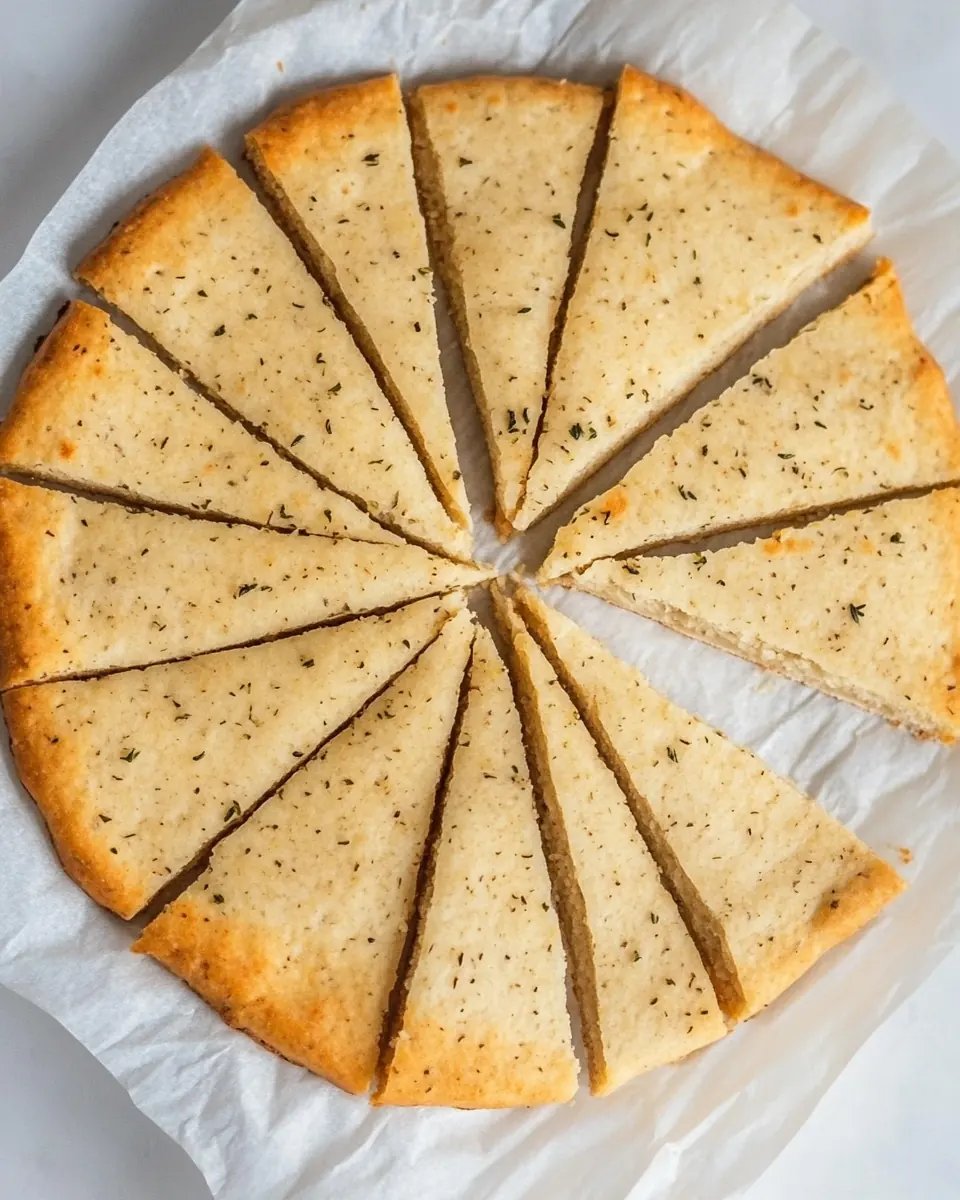
Return to the oven and bake an additional 15 minutes. Test the bread to make sure it's done in the middle. If needed, cook 1-2 more minutes. Watch the bread closely to make sure it doesn't burn. Carefully flip the bread over and place on a cooling rack. Allow to cool before cutting.: When you pour the batter into the center it should spread readily when nudged to form an even square about 9 x 9 inches . After 15 minutes in the oven the top will look set and edges will show a light color change, indicating the loaf is ready for the cautious flip. Removing the top parchment and flipping onto the second piece prevents tearing, and you will feel the slight give of a set crust under the paper. If it still feels very wet in the middle wait a little longer before flipping to avoid collapse.
Return to the oven and bake an additional 15 minutes Test the bread to make sure it's done in the middle If needed cook 1 to 2 more minutes Watch the bread closely to make sure it doesn't burn Carefully flip the bread over and place on a cooling rack Allow to cool before cutting: The second bake crisps the exterior and finishes the interior set, and you will hear a quiet change as steam escapes and the crumb firms. Testing the center by gently pressing or using a toothpick helps determine doneness, and if it needs 1 to 2 more minutes add them in short bursts to avoid over browning. Keep a close eye because the sugars and oils can brown quickly. After baking place the loaf on a cooling rack so air circulates underneath, and allow it to cool fully so the crumb stabilizes before slicing to prevent crumbling.