Plant Based Cashew Flat Bread
Plant Based Cashew Flat Bread has been a pantry lifesaver for me on busy evenings when I want something substantial, simple, and plant forward. The first time I made it, I was juggling a work call and a hungry teenager, and this loaf came together with almost miraculous ease, yet tasted like I had spent hours fussing over it. I remember the warm, nutty aroma of roasted cashews filling the kitchen as the oven hummed, and how the crispy edges contrasted with a tender, almost creamy center, making every bite interesting.
Over the months this recipe became my go to when friends dropped by unannounced, because it slices neatly and pairs with lots of flavors. I usually pull out a jar of olives or a quick salad to go alongside, but sometimes I keep it humble, letting the soft, cashew rich crumb shine. I love that it is entirely plant based, and that the texture leans toward both bread and a savory cake, which surprises people in the best way.
What I adore most is how forgiving Plant Based Cashew Flat Bread is. I have made it in a hurry, and I have made it with extra care, and both times it delivered. The process is straightforward yet satisfying, and the result always invites conversation at the table, which is my favorite measure of success. Each time I slice into it, that subtle cashew sweetness and the herb notes make me pause, and that little pause is exactly why I keep this recipe in my repertoire.
Recipe Snapshot
45 mins
15 mins
30 mins
Medium
150 kcal
Vegan
Vegan, Gluten-Free
Side Dishes
Blender or Food Processor, Baking Sheet or Baking Stone, Parchment Paper, Cooling Rack
What Sets This Plant Based Cashew Flat Bread Apart
It relies on a single star ingredient
I love that Plant Based Cashew Flat Bread centers on cashews, which give the loaf its creamy structure and a naturally rich flavor. Using one nut to do the heavy lifting keeps the ingredient list short, and it means you get a consistently silky crumb without any dairy or eggs. I find that when I emphasize the main ingredient, the final taste feels intentional and balanced.
Texture that surprises
When I first bit into this flat bread, the contrast between the slightly crisp exterior and the soft interior caught me off guard in the best possible way. The combination of blending and brief baking produces a structure that is tender yet holds together, making it ideal for toasting, topping, or enjoying plain. I often tell guests this is bread that acts like a savory cake, and they usually agree.
Flexible and forgiving
This recipe is wonderfully forgiving, which is why I turn to it on busy nights. Small variations in blending time or oven temperature do not ruin the loaf, they just change the crust or crumb in interesting ways. I once blended a touch longer by accident and the bread was just a bit smoother, still delicious. That margin of error makes it a cozy kitchen companion for cooks of all levels.
All plant based and naturally simple
I appreciate that Plant Based Cashew Flat Bread stays true to plant based principles while delivering depth of flavor. A few pantry staples like maple syrup and oregano layer gentle sweetness and herby warmth, and the small pinch of garlic powder rounds the savory profile without overpowering the nutty base. It feels wholesome without being precious.
Great for sharing and adapting
Finally, this loaf fits many occasions, from casual lunches to snack time with kids. Because the base is neutral, I often adapt how I serve it, and friends always ask for the recipe. The approachable nature of the method and the clear, focused flavors make it both memorable and repeatable in my kitchen.
Ingredients Overview for Plant Based Cashew Flat Bread
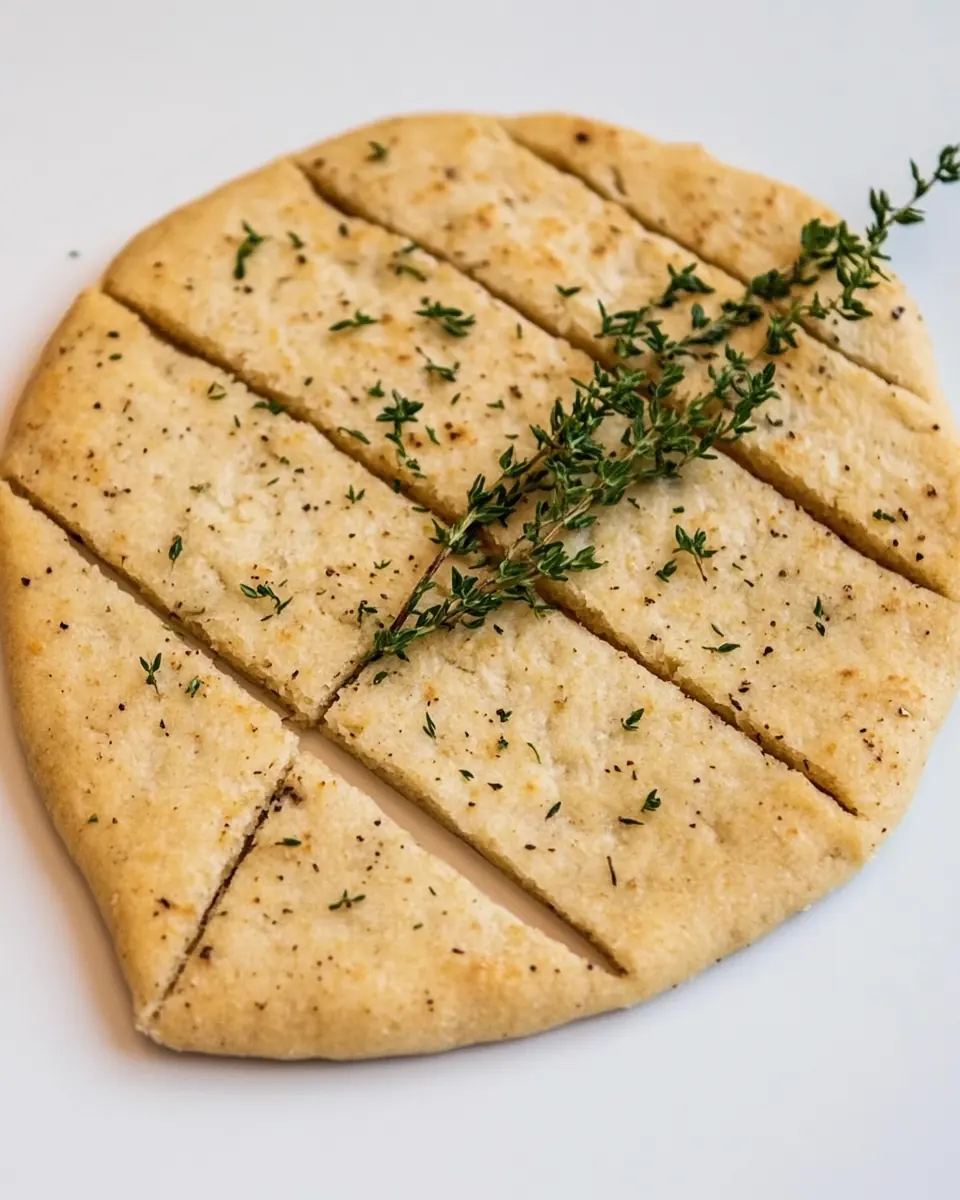
These ingredients form a tight, harmonious team. The core player, cashews, supplies fat and body, while small amounts of seasonings and a touch of maple syrup boost flavor without masking the nutty base. The measured liquids control batter thickness so the loaf bakes with a tender center and a lightly crisp edge. Together these parts make a simple yet satisfying plant based loaf that feels both homey and a little special.
- 1 cup cashews raw: Provide creamy body and rich, nutty flavor to the flat bread while also contributing healthy fats and a smooth texture when blended into the batter. Soak and process thoroughly to achieve a spreadable consistency that helps bind the other ingredients together.
- 3/4 cup plus 1 tablespoon water plus 2 cups for soaking: Add necessary moisture for blending and activating soaked cashews while also controlling batter thickness; a portion is reserved for soaking to soften the nuts. Adjust measured amounts for desired dough consistency and ensure even hydration before processing.
- 1 teaspoon maple syrup: Contribute a mild natural sweetness that balances savory and bitter notes in the flat bread and enhances overall flavor complexity. Use sparingly to avoid over-sweetening, while helping to round out the cashew's natural creaminess.
- 1/4 teaspoon black pepper: Introduce gentle heat and aromatic depth to the batter, cutting through richness to enhance savory aspects of the flat bread. Distribute evenly to prevent pockets of sharp flavor and to complement herbs and garlic.
- 1/4 teaspoon salt: Provide essential salinity to amplify and harmonize all flavors in the flat bread; small amount helps the cashew base taste rounded and seasoned. Dissolve evenly in the liquid to ensure uniform seasoning throughout the dough.
- 1/4 teaspoon garlic powder: Add concentrated savory, slightly sweet onion-garlic notes that deepen the overall flavor profile and enhance umami perception. Use measured quantity to complement rather than overpower the delicate cashew base.
- 1/2 teaspoon dried oregano: Deliver classic Mediterranean herbal fragrance and a subtle savory, slightly peppery flavor that pairs well with cashew and garlic notes. Sprinkle evenly into the batter to infuse aromatic complexity without dominating the palate.
Directions for Plant Based Cashew Flat Bread
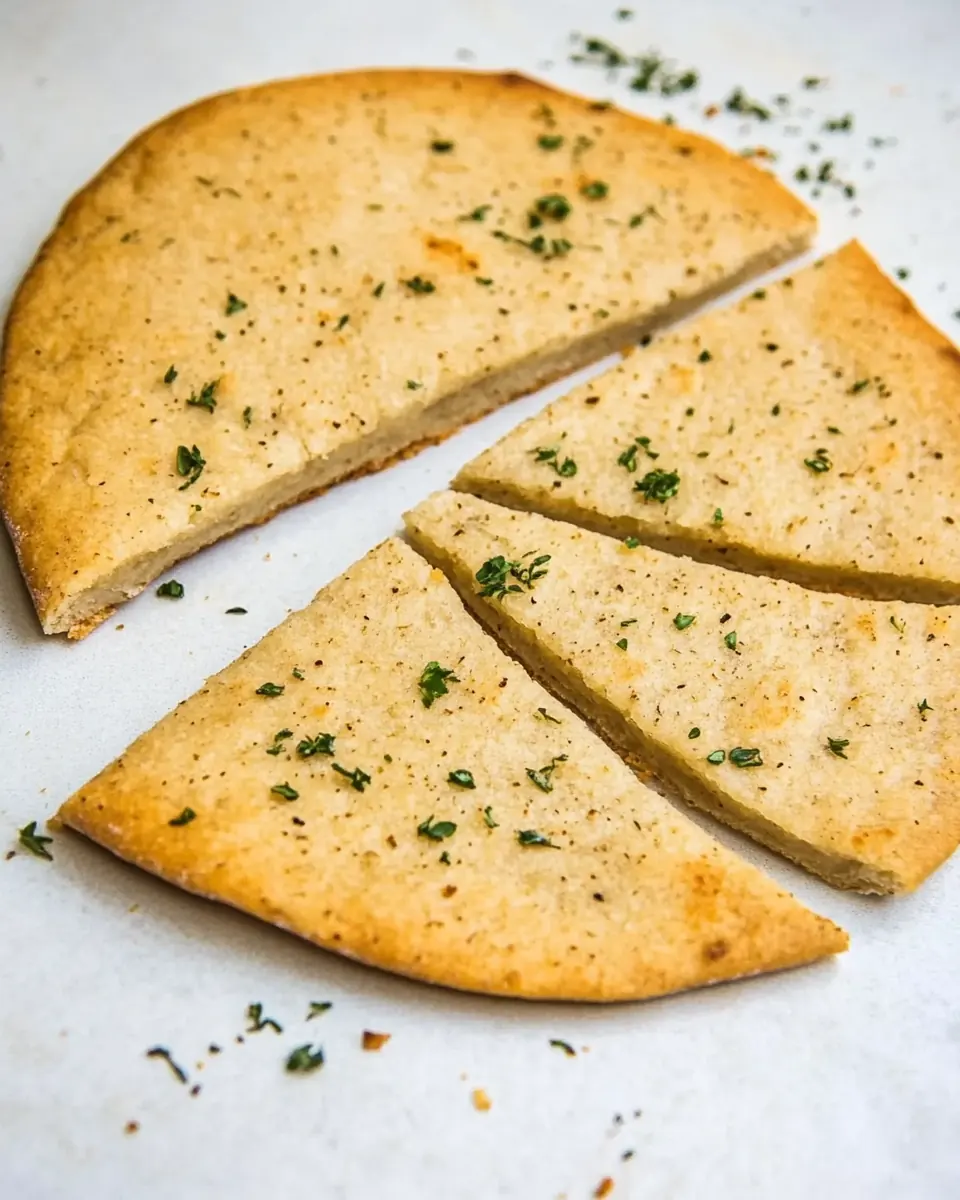
This method is straightforward, and I like to work with a calm rhythm so the batter reaches the right consistency. Gather your ingredients and tools first, then follow each step patiently. The loaf bakes twice briefly for an even texture, and a careful flip is the moment that transforms the surface into a tender, sliceable bread.
- Preheat oven to 410 degrees. Line baking stone or baking sheet with two pieces of parchment paper, one on top of the other, then set aside.: The kitchen will smell faintly of warm air as the oven climbs to 410 degrees , and you may notice the oven fan tone change when it cycles. A properly preheated oven gives a quick initial set so the loaf forms a surface that will hold its shape. If you skip preheating the interior may stay wet and lead to a gummy center. A common mistake is not lining the sheet well, which makes flipping harder later.
- Soak cashews in 2 cups water for 15 minutes, rinse and drain well. Use a paper towel and pat cashews to remove excess water.: The double layer of parchment paper creates a non stick surface and a safe way to flip the loaf, and it prevents sticking that could tear the bread. When you press the batter down it should glide easily across the paper, and you will notice the paper remain dry initially. If you use only one sheet the bread can adhere and tear, so double up for security. Also ensure the sheet is large enough to accommodate spreading.
- Add to blender or food processor, cashews and remaining 3/4 cup + 1 tablespoon water, pulse until a creamy consistency, similar to pancake batter.: After soaking for the full 15 minutes the cashews will plump and feel tender between your fingers, which helps them blend into a silky base. Rinsing removes any surface starch or dust from shipping, and patting dry reduces added water so the batter does not become too thin. If you skip patting you risk diluting the batter, which will slow baking and yield a denser crumb.
- Add additional ingredients, whisk to combine with batter.: As you pulse the nuts with the measured 3/4 cup plus 1 tablespoon water , watch for the texture to transition from grainy to velvety, with small ribbons forming in the mix. The sound will change from a robust grinding to a smoother whir, and the batter should hold its shape on a spoon like pancake batter . Over processing can generate heat and thin the batter too much, while under processing leaves a gritty texture. Stop when you see a uniform, creamy suspension.
- Pour batter in the center of the baking sheet and spread to approximately 9 x 9-inches. Bake 15 minutes, then carefully remove bread and top sheet of parchment paper, gently flip over onto the second piece of parchment paper.: At this stage adding maple syrup , black pepper , salt , garlic powder , and oregano and whisking integrates delicate flavors into the batter. The aroma will subtly shift as the herbs and spices mingle with the nutty base, and you should taste a balanced seasoning before baking. A typical error is under seasoning, so taste a small spoonful of batter to confirm flavor, remembering that baking slightly mutes the seasoning.
- Return to the oven and bake an additional 15 minutes. Test the bread to make sure it's done in the middle. If needed, cook 1-2 more minutes. Watch the bread closely to make sure it doesn't burn. Carefully flip the bread over and place on a cooling rack. Allow to cool before cutting.: When you pour the batter into the center it should spread readily when nudged to form an even square about 9 x 9 inches . After 15 minutes in the oven the top will look set and edges will show a light color change, indicating the loaf is ready for the cautious flip. Removing the top parchment and flipping onto the second piece prevents tearing, and you will feel the slight give of a set crust under the paper. If it still feels very wet in the middle wait a little longer before flipping to avoid collapse.
- Return to the oven and bake an additional 15 minutes Test the bread to make sure it's done in the middle If needed cook 1 to 2 more minutes Watch the bread closely to make sure it doesn't burn Carefully flip the bread over and place on a cooling rack Allow to cool before cutting: The second bake crisps the exterior and finishes the interior set, and you will hear a quiet change as steam escapes and the crumb firms. Testing the center by gently pressing or using a toothpick helps determine doneness, and if it needs 1 to 2 more minutes add them in short bursts to avoid over browning. Keep a close eye because the sugars and oils can brown quickly. After baking place the loaf on a cooling rack so air circulates underneath, and allow it to cool fully so the crumb stabilizes before slicing to prevent crumbling.
Pro Tips and Tweaks
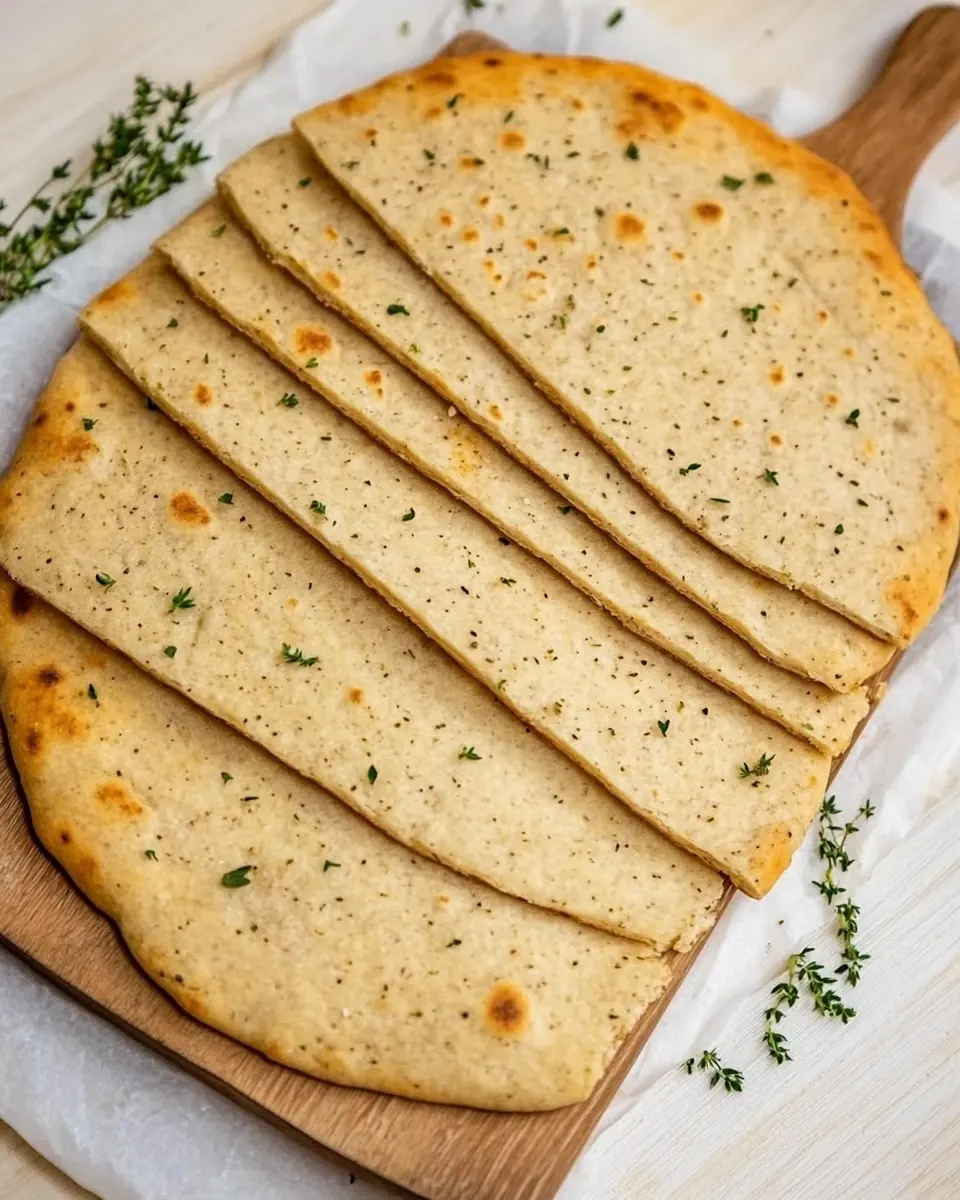
I like to keep a few tricks ready when I make Plant Based Cashew Flat Bread because small adjustments can improve texture and flavor. A calm, patient approach during blending and attentive oven watching during the finish pay dividends. Below are practical tips I rely on every time.
- Measure water precisely because the ratio of soaked to blending water controls batter viscosity and final crumb.
- Use a sharp, clean blender to achieve a smooth batter faster, which prevents overheating and preserves nut oils.
- Pat cashews dry after soaking to avoid adding excess water that will thin the batter and lengthen baking time.
- Spread evenly to maintain a uniform thickness so the loaf bakes and browns consistently across the surface.
- Watch baking closely during the final minutes because the small sugar content can brown quickly and change texture.
Best Served With
This loaf works in many settings, and I often change how I serve it based on the occasion. For a light lunch or snack I keep things simple, while for a cozy dinner I pair it with heartier companions. The below list shows serving styles, occasions, and storage tips that have worked well for me.
- Simple spread Serve slices warm with a swipe of olive oil or a plant based spread for a casual snack.
- Brunch centerpiece Offer alongside a bowl of fresh greens and lemony vinaigrette for a relaxed weekend meal.
- Snack plate Include cut slices on a small board with olives and sliced vegetables for an informal gathering.
- Family dinner Use as an accompaniment to soups or stews for a comforting weeknight meal.
- Storage Cool completely then wrap tight and refrigerate up to three days, or slice and freeze for longer keeping, thawing gently before serving.
FAQ
Conclusion
This recipe stands out because it transforms simple pantry staples into a uniquely textured, plant based loaf that feels comforting and a little special. Give Plant Based Cashew Flat Bread a try the next time you want a straightforward recipe that impresses with minimal fuss. It slices neatly, stores well, and adapts to many serving styles, making it a reliable favorite in my kitchen and hopefully yours too.
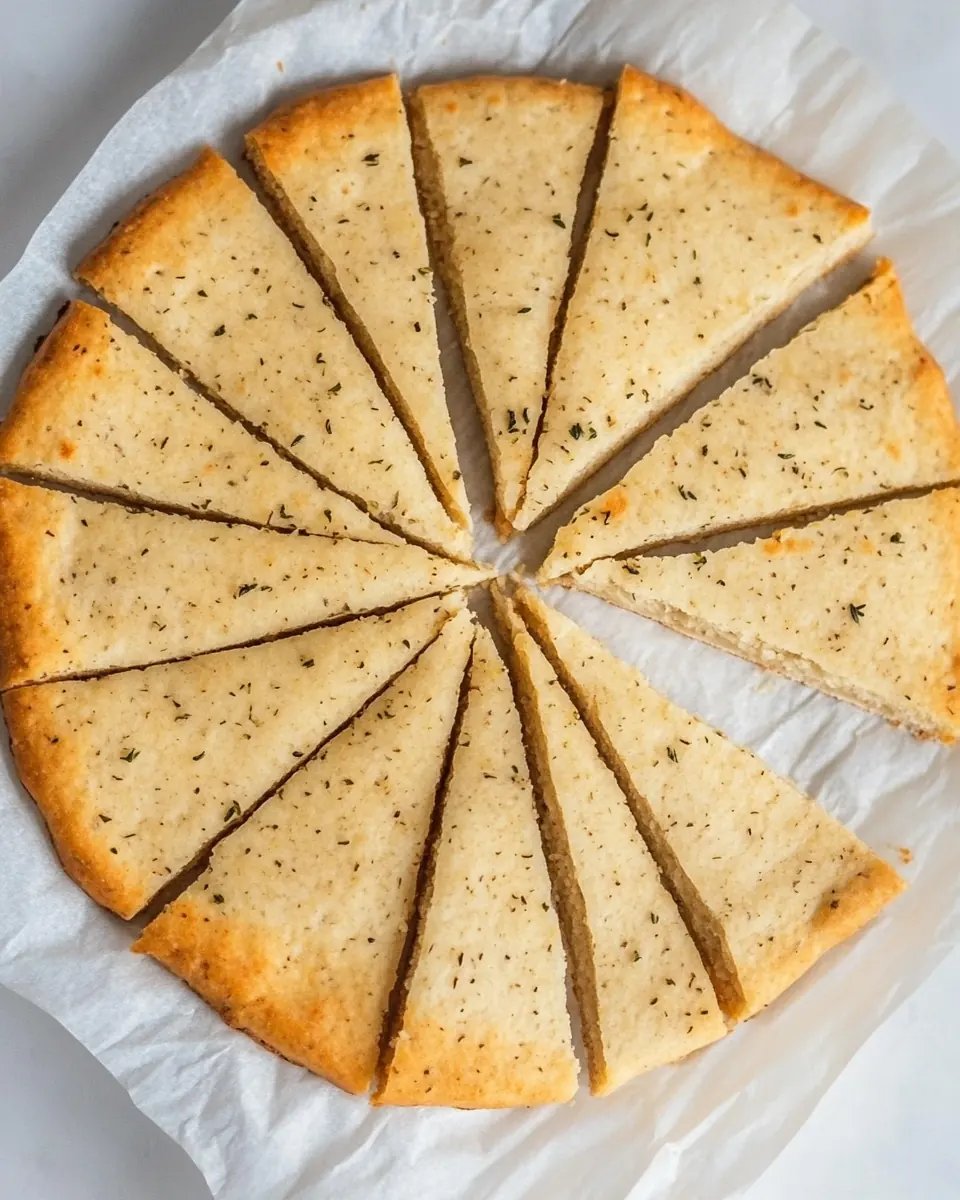
Plant Based Cashew Flat Bread
Ingredients
Equipment
Method
- Preheat oven to 410 degrees. Line baking stone or baking sheet with two pieces of parchment paper, one on top of the other, then set aside.: The kitchen will smell faintly of warm air as the oven climbs to 410 degrees , and you may notice the oven fan tone change when it cycles. A properly preheated oven gives a quick initial set so the loaf forms a surface that will hold its shape. If you skip preheating the interior may stay wet and lead to a gummy center. A common mistake is not lining the sheet well, which makes flipping harder later.
- Soak cashews in 2 cups water for 15 minutes, rinse and drain well. Use a paper towel and pat cashews to remove excess water.: The double layer of parchment paper creates a non stick surface and a safe way to flip the loaf, and it prevents sticking that could tear the bread. When you press the batter down it should glide easily across the paper, and you will notice the paper remain dry initially. If you use only one sheet the bread can adhere and tear, so double up for security. Also ensure the sheet is large enough to accommodate spreading.
- Add to blender or food processor, cashews and remaining 3/4 cup + 1 tablespoon water, pulse until a creamy consistency, similar to pancake batter.: After soaking for the full 15 minutes the cashews will plump and feel tender between your fingers, which helps them blend into a silky base. Rinsing removes any surface starch or dust from shipping, and patting dry reduces added water so the batter does not become too thin. If you skip patting you risk diluting the batter, which will slow baking and yield a denser crumb.
- Add additional ingredients, whisk to combine with batter.: As you pulse the nuts with the measured 3/4 cup plus 1 tablespoon water , watch for the texture to transition from grainy to velvety, with small ribbons forming in the mix. The sound will change from a robust grinding to a smoother whir, and the batter should hold its shape on a spoon like pancake batter . Over processing can generate heat and thin the batter too much, while under processing leaves a gritty texture. Stop when you see a uniform, creamy suspension.
- Pour batter in the center of the baking sheet and spread to approximately 9 x 9-inches. Bake 15 minutes, then carefully remove bread and top sheet of parchment paper, gently flip over onto the second piece of parchment paper.: At this stage adding maple syrup , black pepper , salt , garlic powder , and oregano and whisking integrates delicate flavors into the batter. The aroma will subtly shift as the herbs and spices mingle with the nutty base, and you should taste a balanced seasoning before baking. A typical error is under seasoning, so taste a small spoonful of batter to confirm flavor, remembering that baking slightly mutes the seasoning.
- Return to the oven and bake an additional 15 minutes. Test the bread to make sure it's done in the middle. If needed, cook 1-2 more minutes. Watch the bread closely to make sure it doesn't burn. Carefully flip the bread over and place on a cooling rack. Allow to cool before cutting.: When you pour the batter into the center it should spread readily when nudged to form an even square about 9 x 9 inches . After 15 minutes in the oven the top will look set and edges will show a light color change, indicating the loaf is ready for the cautious flip. Removing the top parchment and flipping onto the second piece prevents tearing, and you will feel the slight give of a set crust under the paper. If it still feels very wet in the middle wait a little longer before flipping to avoid collapse.
- Return to the oven and bake an additional 15 minutes Test the bread to make sure it's done in the middle If needed cook 1 to 2 more minutes Watch the bread closely to make sure it doesn't burn Carefully flip the bread over and place on a cooling rack Allow to cool before cutting: The second bake crisps the exterior and finishes the interior set, and you will hear a quiet change as steam escapes and the crumb firms. Testing the center by gently pressing or using a toothpick helps determine doneness, and if it needs 1 to 2 more minutes add them in short bursts to avoid over browning. Keep a close eye because the sugars and oils can brown quickly. After baking place the loaf on a cooling rack so air circulates underneath, and allow it to cool fully so the crumb stabilizes before slicing to prevent crumbling.
Notes
- Measure water precisely because the ratio of soaked to blending water controls batter viscosity and final crumb.
- Use a sharp, clean blender to achieve a smooth batter faster, which prevents overheating and preserves nut oils.
- Pat cashews dry after soaking to avoid adding excess water that will thin the batter and lengthen baking time.
- Spread evenly to maintain a uniform thickness so the loaf bakes and browns consistently across the surface.
- Watch baking closely during the final minutes because the small sugar content can brown quickly and change texture.