Preheat oven to 375°F. Line a 15 x 10-inch jelly-roll pan with parchment paper and spray with non-stick cooking spray. Sprinkle a clean tea towel with powdered sugar. Set pan and towel aside.: As the kitchen warms, you should notice the air becoming faintly warm and anticipatory, a good sign that the oven is coming to temperature. The aroma in the oven is subtle at first, but setting the correct heat ensures even rise and that the cake sets quickly so it remains pliable. Lining the pan with parchment and spraying it prevents sticking, while the dusting of powdered sugar on the towel becomes a barrier so the cake can release cleanly when turned out. Common mistake to avoid here is skipping the towel dusting, which often leads to the cake adhering and tearing when you try to roll.
In a medium bowl, combine flour, baking powder, baking soda, pumpkin pie spice and salt.: Once you whisk these dry elements, you should see a uniform pale brown mix scented with warm spice. Sifting or whisking aerates the all purpose flour and evenly distributes the baking powder , baking soda and pumpkin pie spice , which is critical for consistent structure and flavor throughout the batter. A coarse mix will cause pockets of leavening or spice, so take the extra thirty seconds to break up any clumps. Avoid overmixing at this stage if you later fold in wet ingredients aggressively, as that can lead to a tough cake.
In a large bowl with an electric mixer, beat eggs, vanilla and sugar until thick.: As you beat the eggs with the granulated sugar and vanilla extract , the mixture will turn pale and volumized, thick enough that it leaves ribbon like trails when the beaters lift. This aeration is the foundation for a light, springy cake that will bend rather than crack. The sound transitions from brisk to a softer hum as the batter gains body, and you will notice a glossy sheen. Beware of under beating, which yields a dense cake, or over beating, which can break down the foam.
Add in pumpkin and mix to combine.: When the pumpkin folds into the aerated egg mixture, the batter will take on a richer color and a slightly thicker texture. The pumpkin adds moisture and gives depth to the flavor, but adding too much or stirring too vigorously can deflate the foam you created, so fold gently. The scent becomes more pronounced here, with those pumpkin pie spice notes becoming rounded and warm. A common error is dumping and whipping, which leads to loss of volume.
Stir in flour mixture.: At this point, incorporate the dry mix carefully so the batter stays airy, folding until streaks disappear. Visually, you want an even orange brown hue and a smooth consistency that will spread easily. The flour provides the sponge like structure; if you overwork it you risk a denser cake. If you see pockets of dry flour, continue folding with a spatula until fully combined, but stop as soon as it is homogenous.
Spread batter evenly into prepared pan.: Use an offset spatula or the back of a spoon to create an even layer across the 15 x 10 inch pan. The surface should be smooth and level, which helps the cake bake uniformly and roll without thin weak spots. As you spread, the batter will settle into the corners and the top will lose some of its sheen. A common step mistake is leaving thick edges and a thin center, which bakes inconsistently and increases the chance of cracking when rolled.
Bake for 13 to 15 minutes or until top of cake springs back when touched.: While baking, the kitchen fills with a toasty, spice forward aroma and the cake edges will pull slightly away from the pan. Visual cues matter here more than the clock, so lightly press the center; if it springs back, the cake is ready. Overbaking dries the cake and makes it likely to crack when rolled, while underbaking leaves it gummy and prone to tearing.
Immediately loosen and turn cake onto prepared towel. Carefully peel off paper. Roll up cake and towel together, starting with narrow end. Cool on wire rack.: Right out of the oven the cake is still pliable and warm, which is the perfect window to transfer it. Loosening the edges and flipping it onto the sugared towel requires confidence, you should hear a faint separation sound as the parchment lifts. Peel the parchment off gently, then roll the cake up with the towel to set the spiral. Cooling while rolled prevents cracks and trains the cake to hold its shape. A frequent error is waiting too long to flip, which makes the cake cool too much and increases cracking risk.
In a medium bowl, beat cream cheese, powdered sugar, butter and vanilla extract until smooth.: As you whip these filling ingredients, they should become glossy and pillowy, with the cream cheese and softened butter blending into a silky texture. The sifted powdered sugar dissolves to avoid grittiness, and the vanilla extract lifts the flavor. Properly softened components make the difference between a lumpy filling and a spreadable mousse like finish. If your cream cheese is too cold, it will remain chunky, so allow it to come to room temperature before beating.
Carefully unroll cake; remove towel.: Unrolling the cooled rolled cake reveals the spiral, and if you rolled it tightly with the towel, it should unroll with minimal resistance. The tactile feel here is important, the cake should bend with some resilience and not crack. Removing the towel exposes the interior crumb which should be moist and evenly baked. If you notice tearing, the cake may not have been rolled warm enough or was overbaked, and the filling will help conceal minor imperfections.
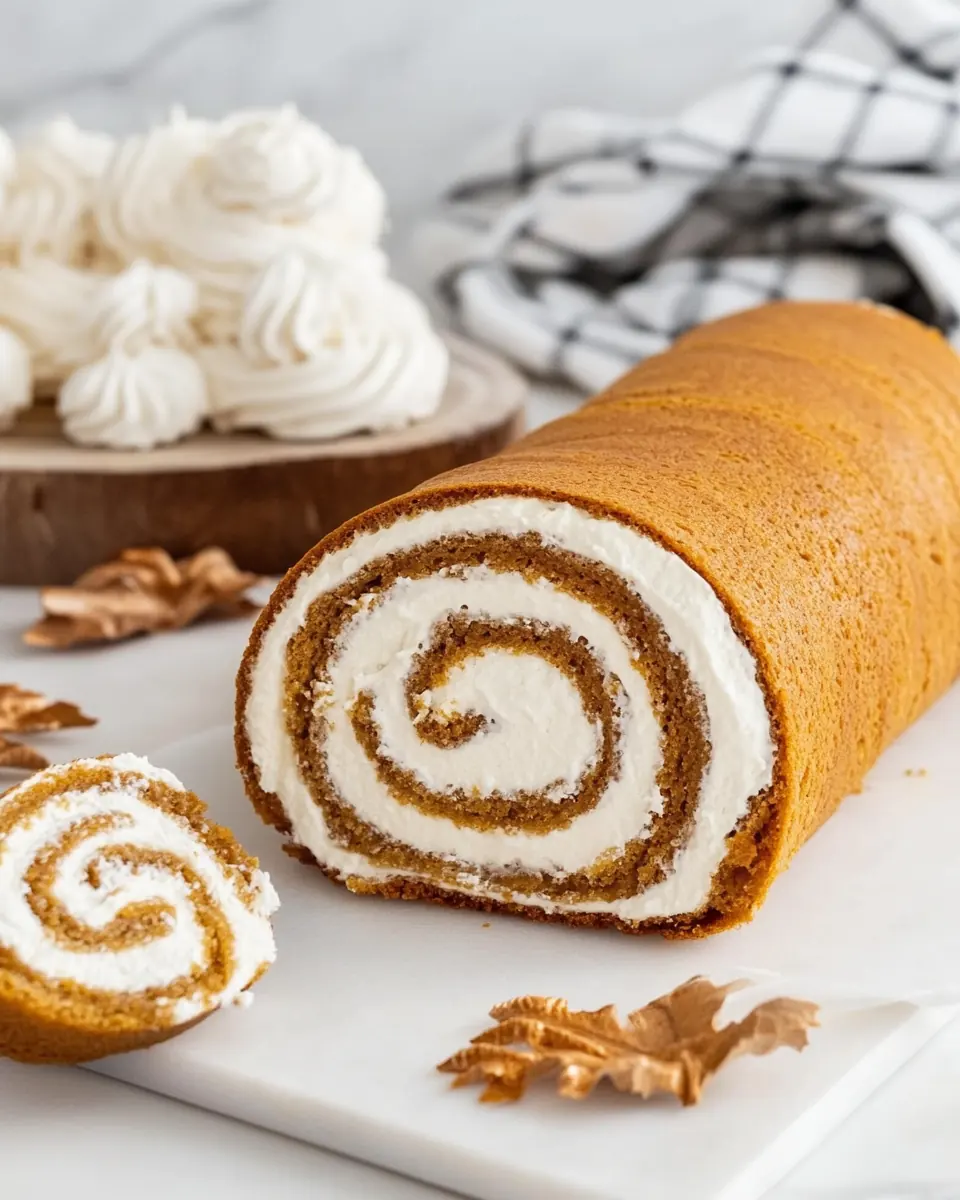
Spread cream cheese mixture over cake. Reroll cake.: Begin by dolloping the filling and using an offset spatula to spread an even, thin layer, leaving a small margin at the edge to prevent overflow. The contrast between the creamy white filling and the warm orange crumb is striking, and rolling gently but firmly will recreate the spiral. The filling should feel cool to the touch and smooth under the spatula. An overfilled cake is harder to reroll and may squish out the sides, so aim for balance.
Wrap in plastic wrap and refrigerate at least one hour.: Chilling firms the filling and allows the roll to slice cleanly. As you wrap the cake tightly, you will notice the filling settle and become slightly more cohesive. Refrigeration also deepens flavors and makes the cake less fragile when slicing. A typical error is slicing immediately, which can cause the filling to smear and the slices to collapse; patience here pays off with neater presentation.