Go Back
Rice Pudding

Rice Pudding

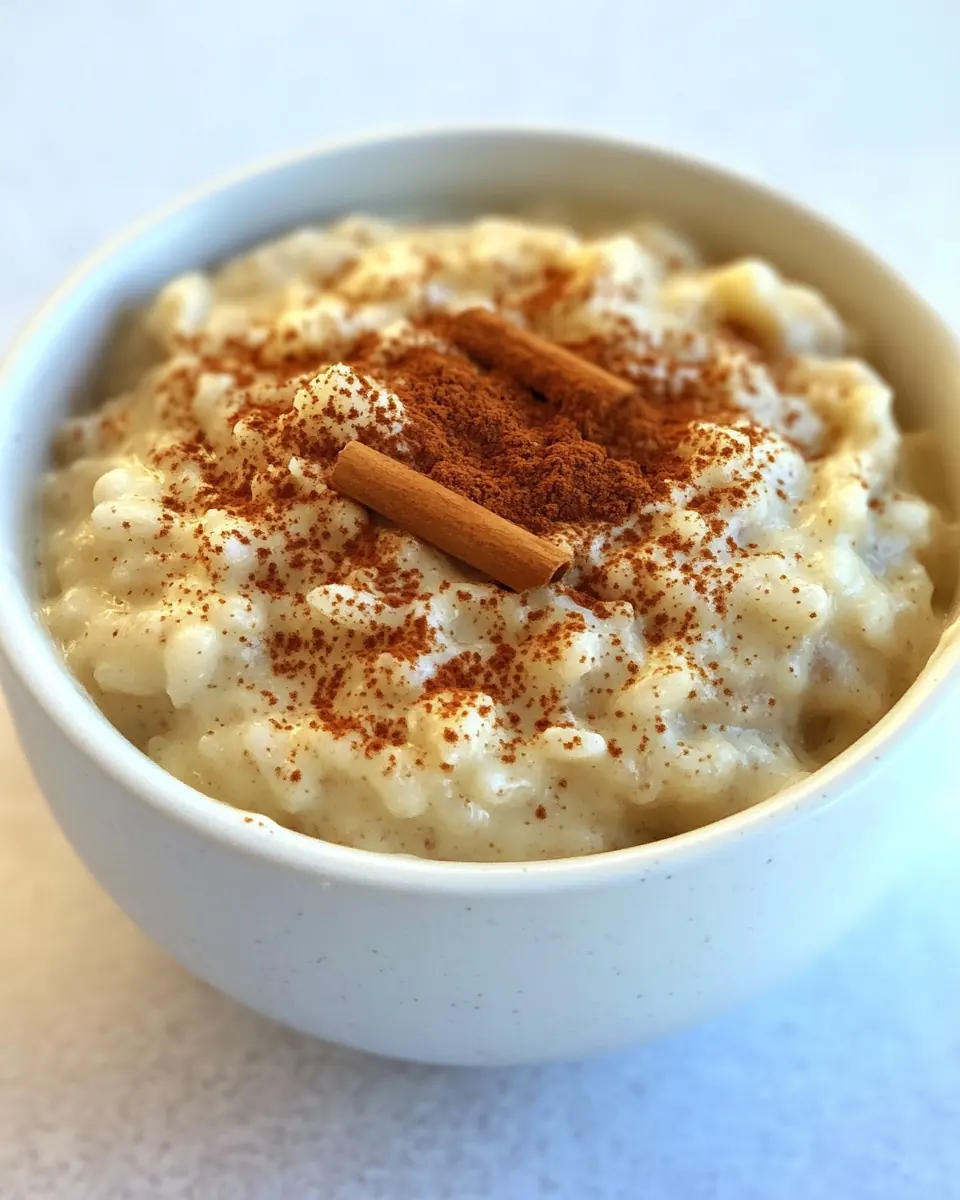
Rice Pudding is a creamy, comforting dessert that combines tender rice, warm milk, and fragrant vanilla and cinnamon for an easy, nostalgic treat. This recipe yields a silky, custard like texture with minimal fuss, perfect for weeknight desserts or cozy winter evenings. Try it for a simple, crowd pleasing finish that feels homemade and satisfying.
Prep Time 15 minutes
Cook Time 20 minutes
Total Time 35 minutes
Servings: 4 servings
Course: Desserts
Cuisine: American
Calories: 220

Ingredients
  

  • 1 1/2 cups water Bring water to a gentle boil to provide the initial cooking liquid for the rice; it helps hydrate the grains and create a tender texture. Maintain a simmer so the rice absorbs liquid evenly for a creamy base. Adjust heat as needed to prevent scorching.
  • 1/4 teaspoon kosher salt Season lightly with kosher salt to enhance overall flavor and balance the sweetness of the pudding. Dissolve the salt into the cooking liquid so it distributes uniformly through the rice. Use measured amount to avoid over-salting delicate dairy.
  • 3/4 cup long grain white rice Rinse and add long grain white rice to absorb water and swell into tender kernels; it provides the starchy foundation for the pudding's creamy body. Simmer until grains are nearly cooked through before adding milk to finish cooking. Ensure even stirring to prevent clumping.
  • 1 1/2 cups whole milk Warm whole milk and incorporate it to enrich the texture and create a creamy consistency; milk contributes both fat and proteins that thicken the pudding. Add gradually to avoid shocking the rice and to encourage gentle absorption. Heat just below boiling to prevent scalding.
  • 4 tablespoons unsalted butter Melt unsalted butter into the hot mixture to lend richness and a smooth mouthfeel while carrying flavors throughout the pudding. Use unsalted to control overall salt levels and avoid overpowering sweetness. Stir well so butter emulsifies into the dairy base.
  • 1/4 cup granulated white sugar Dissolve granulated white sugar to sweeten the pudding and aid in creating a glossy, slightly syrupy finish. Add gradually and taste to reach desired sweetness while allowing the sugar to blend into the milk and rice. Ensure complete dissolution to prevent grittiness.
  • 1/8 teaspoon ground cinnamon Sprinkle ground cinnamon for warm aromatic notes that complement the rice and vanilla; it provides a subtle spice complexity. Add sparingly to avoid overpowering the delicate dairy flavors. Stir in towards the end for even distribution.
  • 1 whole vanilla bean Split and scrape whole vanilla bean seeds and steep them in the warm milk to impart deep, natural vanilla flavor and aromatic depth. Reserve the pod to simmer further for additional infusion or remove before serving. Use seeds for intense, authentic vanilla character.
  • 1 large egg, lightly beaten Temper the lightly beaten large egg and incorporate it carefully to thicken the pudding and create a velvety custard-like texture. Mix a small amount of hot liquid into the egg before adding back to avoid curdling, then cook gently until set. Stir constantly to achieve smoothness.

Equipment

  • Medium pot
  • Wooden Spoon
  • Measuring Cups

Method
 

  1. Bring the water to a simmer in a medium pot over high heat.: You will hear the water move and see small bubbles appear around the edge before a full boil, and that initial simmer warms the pot so the next steps are even. This preheating helps the rice start softening consistently when added. If you rush to a roaring boil, the rice can clump or cook unevenly, so look for gentle bubbling and steam as your cue. A common mistake is not using a pot large enough which can cause boil over, so choose one with some headroom.
  2. Stir in the salt and the rice.: After adding the salt and rice , you will notice the grains glisten as they become coated, and a faint toasty scent may develop once they hit hot water. The brief stirring helps distribute the salt so it seasons evenly. I find a wooden spoon works well to separate grains initially. Avoid stirring constantly during the simmer phase because that can release excess starch and make the texture gluey.
  3. Allow it to come back to a boil and then turn the heat to low and simmer, covered, until the rice is tender (about 15 minutes).: Once the pot returns to a boil you will see larger bubbles and more vigorous steam, then lowering the heat lets the rice cook gently. Covered simmering traps steam, cooking the grains through; you should hear a low, steady hiss and see the pot top lightly condense. The rice will become plump and tender without being mushy if you keep the heat low. Opening the lid too often can extend cooking time and create uneven texture, so trust the clock and test a grain near the end.
  4. Fluff the rice with a fork and stir in the milk, butter, sugar, and cinnamon.: Fluffing separates the cooked grains so they combine better with the milk . When you pour in the milk , notice a gentle steaming and the aroma will shift to creamy sweetness. The butter melts and adds sheen, while the sugar dissolves to sweeten gradually and the cinnamon lifts the aroma. Stirring here should be steady and patient to integrate everything. If the pot feels too cold, warm the milk slightly first to avoid shocking the mixture, which can slow thickening.
  5. Split the vanilla bean, scrape out the seeds, and add the seeds and the empty pod to the pot. Simmer the mixture on low heat (stirring) until slightly thickened (about 5 minutes).: Scraping the vanilla bean releases tiny black seeds that smell intensely fragrant and floral, and adding the pod deepens the infusion. As you simmer, you will see the mixture gain body, forming a gentle ribbon when stirred. Listen for a low simmer and watch for small bubbles on the surface that indicate the starches are unlocking and the pudding is starting to thicken. Stir frequently to prevent scorching on the bottom; burnt milk flavors are hard to fix.
  6. Remove the pot from the heat and vigorously stir in the beaten egg.: After taking the pot off the heat, the surface will show movement but not active bubbling, and this moment is ideal to temper in the egg . The egg brings a glossy silkiness when incorporated correctly. To avoid curdling, let the hot pudding cool for a short minute, then add a small ladle of the hot mixture into the beaten egg while whisking, and return that mixture to the pot, stirring quickly. The sensory payoff is a thicker, custard like texture. An error here is adding the raw egg straight into boiling pudding which causes scrambling, so patience is crucial.
  7. Fish out the empty vanilla bean pod before serving.: Once the pudding has the texture you like and the egg is fully incorporated, use a spoon to remove the empty vanilla bean pod. The removal is a small, finishing gesture that prevents a chewy bit in the bowl and leaves the dispersed seeds behind. By now the aroma should be deeply vanilla scented with a hint of cinnamon , and the surface will look creamy and slightly glossy. If you leave the pod in, it will continue to infuse and can become overpowering over time, so take it out before plating.
Notes

  • Choose your rice carefully The recipe uses long grain white rice for a tender, slightly separate texture. If you prefer a creamier pudding, short grain rice will release more starch and thicken more, but expect a different mouthfeel. Rinsing removes surface starch and can lighten the pudding.
  • Warm the milk slightly Bringing the milk to room temperature before adding reduces the shock to the pot and speeds incorporation, helping maintain a silky texture and lowering the risk of scorching.
  • Use the vanilla pod fully Scrape the seeds and simmer the pod in the mixture to extract maximum aroma, then remove the pod before serving to avoid texture issues while keeping the deep vanilla flavor.
  • Control sweetness gradually Add the sugar in stages and taste as you go, since heat concentrates sweetness and preferences vary. You can always add more after cooling, but you cannot remove excess once dissolved.
  • Be patient with low heat Gentle simmering produces a creamier result than aggressive boiling. Low and slow preserves the integrity of the milk and allows the rice to absorb flavors without breaking down too much.
  • Stir with purpose Regular, steady stirring during the milk phase prevents scorching and helps the pudding develop its signature body. Use a wooden spoon for control and to avoid scratching cookware.
  • Finish with an egg for silkiness Tempering the egg adds richness and a custard like finish; do it slowly to prevent scrambling and achieve a glossy texture.