Preheat oven to 350 degrees. Line a rimmed baking sheet with parchment paper or foil for easy cleanup.: The kitchen will fill with a faint, warm aroma even before the seeds hit the pan, which is a subtle promise of the toasting to come. You want the oven steady at 350 degrees so the seeds roast evenly without scorching. Lining the sheet with parchment or foil not only makes cleanup effortless, it helps prevent tiny seeds from sticking and burning in hotspots. One thing to watch for is opening the oven repeatedly, which causes temperature swings and uneven browning, so set everything up before you slide the pan in. If you notice smoke early, your oven is likely hotter than indicated, so reduce temperature by 25 degrees and rotate the pan to avoid blackened bits.
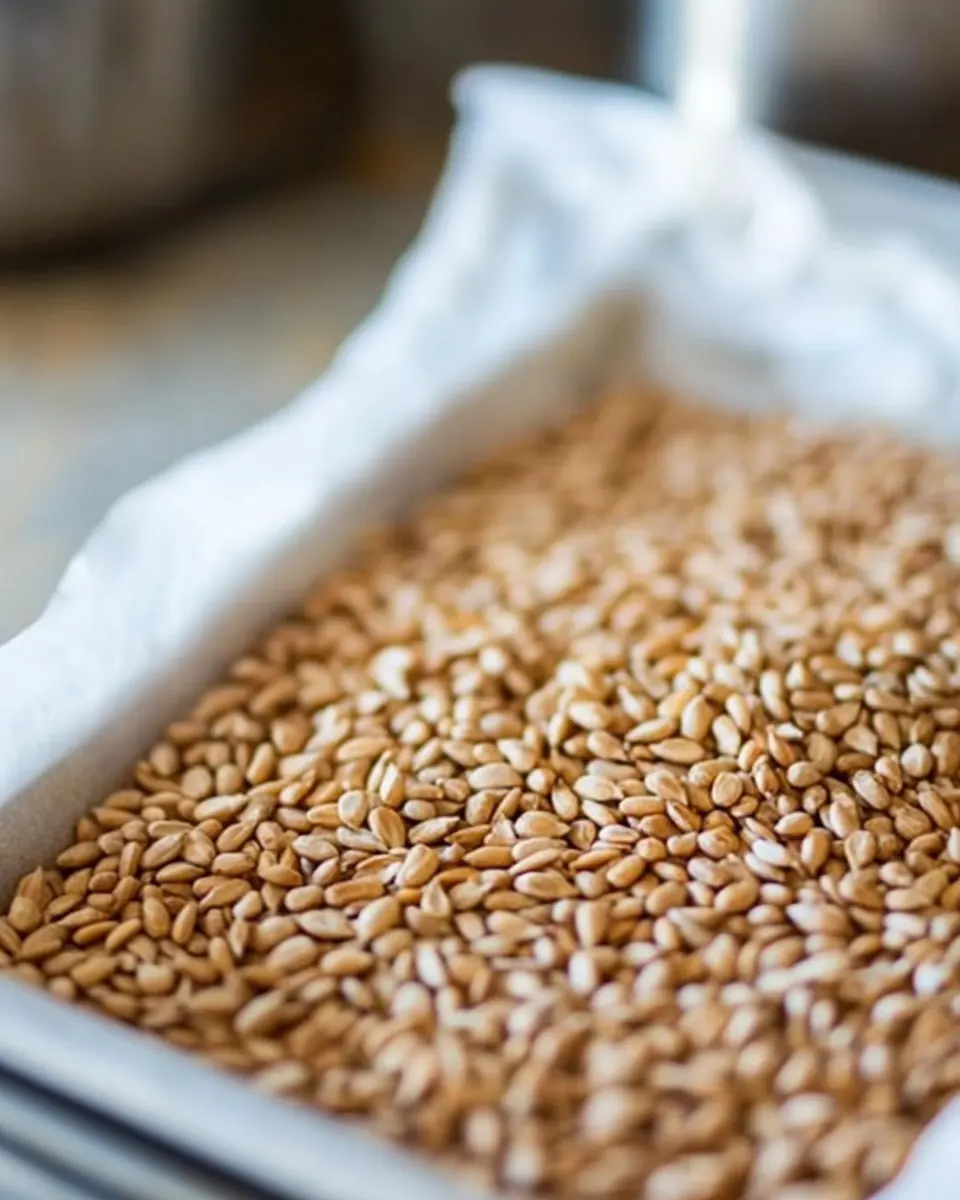
Arrange sunflower seeds in a single layer on prepared baking sheet. Roast until lightly browned and fragrant, stirring occasionally, about 10 to 15 minutes.: As the sunflower seeds hit the pan you will see a spread of pale, plump kernels that should not overlap, because crowding causes steaming instead of crisping. A single layer ensures every seed gets direct contact with hot air, producing uniform color and crunch. At this stage you might gently shake the pan to settle seeds evenly. Avoid piling them, because crowded sections will stay soft and underroasted; if your pan looks heaped, use two pans or roast in batches for the best results. Expect the seeds to start giving off a toasty smell midway through roasting, which is your cue to check for evenness.
Remove from oven and cool before storing covered in the pantry for 3 to 4 months. Freeze for up to 1 year.: Around the ten minute mark the kitchen will begin to smell nutty and warm, and you will see tiny color shifts from pale to golden. Stirring every few minutes exposes all sides to heat and prevents hot spots from creating scorched patches. Aim for an even, light brown tone, not dark brown, because a deep brown can taste bitter. If you get distracted and the seeds darken quickly, a common mistake is to let them go too far, so remove the pan earlier and allow residual heat to finish them if needed. Use oven mitts and listen for a soft crackle as moisture leaves the seeds, which is a wonderful sensory sign of progress.
In a medium skillet over medium heat, heat sunflower seeds until lightly browned and fragrant, stirring occasionally, about 5 to 10 minutes.: As soon as the pan is out, the seeds carry a concentrated toasted perfume that mellows as they cool. Cooling on the sheet prevents condensation that could make them soggy, so spread them in a thin layer and let them rest at room temperature until completely cool to the touch. Storing in an airtight container keeps them crisp, and labeled jars in the pantry will stay fresh for three to four months. Freezing is a safe long term solution, but seal tightly to prevent freezer odors from sneaking in. A typical misstep is sealing warm seeds, which traps steam and softens them, so always cool completely first.
Remove from skillet and cool before storing covered in the pantry for 3 to 4 months. Freeze for up to 1 year.: When I use the skillet method, the sensory experience is more immediate, with quick toasting aromas and fast visual cues. Use a dry, medium skillet and keep the heat at medium so the seeds brown without burning. Continuous stirring encourages even contact and prevents localized scorching, and you will hear a lively, faint pop as they release oils. Because skillet heat is direct and intense, it is easy to overshoot the roast, so remove the pan from heat a touch early and let residual warmth finish the color. Avoid high heat, which makes seeds char on the outside while remaining raw inside.
Remove from skillet and cool before storing covered in the pantry for 3 to 4 months. Freeze for up to 1 year.: Right after the skillet they will be at their fragrant peak, and letting them cool on a sheet or plate helps them firm into crispness. The final texture becomes clear when you bite a cooled seed, which should be snappy and toasted rather than leathery. Store only when completely cooled, and label containers with the date to track freshness. A common error is transferring hot seeds into a sealed jar, which traps moisture and ruins the crisp texture, so always wait until they are cool.