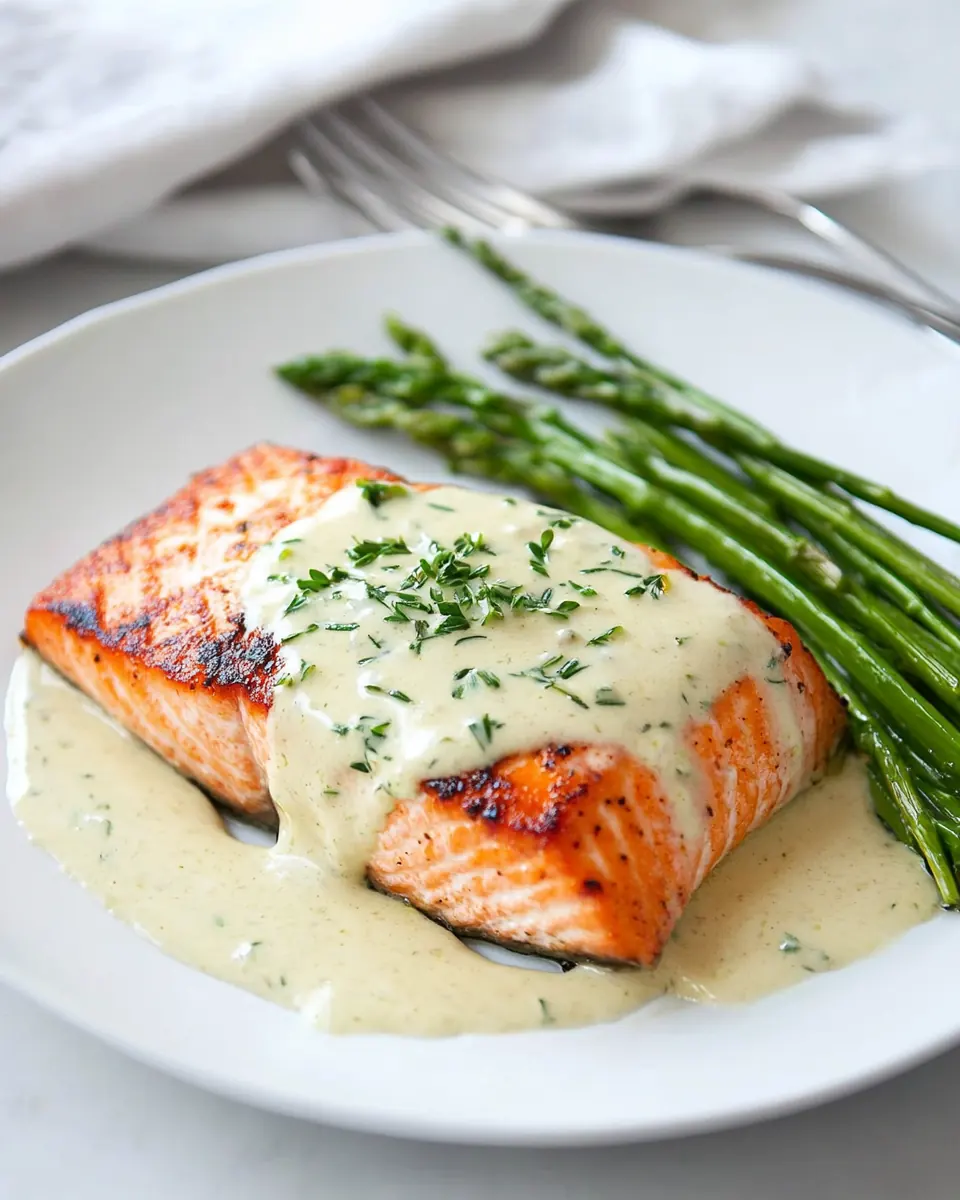
Heat a large non-stick skillet over medium-high heat (if needed you can use two skillets or cook in two batches so they aren't overcrowded).: The moment you start heating the skillet you'll smell the faint metallic warmth of the pan as it comes up in temperature, which helps signal readiness. A properly heated pan is crucial for getting that golden sear on the salmon rather than steaming it; you want a quick surface reaction. If the pan seems to smoke, lower the heat slightly to prevent burning the oil. A common mistake is adding fish to a cold pan, which produces no crust and soggy texture, so listen for a quiet sizzle when you test with a drop of water.
Add 1 1/2 tsp olive oil to each skillet. Dab both sides of salmon dry with paper towels and season both sides with salt and pepper.: When the oil shimmers but does not smoke, it signals the ideal moment to add the fish; the sizzling sound will be immediate and satisfying. Drying the salmon removes excess moisture so the surface browns evenly, and seasoning just before cooking concentrates the flavor on the exterior. If the oil smokes heavily, remove the pan from heat briefly to cool it; overheating oil can impart a bitter note. Avoid moving the fillets too soon, as that prevents a proper crust from forming.
Place salmon in skillet (top of salmon turned down). Let sear until golden brown on bottom, about 4 minutes then flip and continue to cook to desired doneness, about 2 - 3 minutes longer.: As the fillets make contact with the hot surface you should hear a steady sizzle and see the edges turn opaque, which are good visual cues. The golden brown color indicates that the Maillard reaction has developed flavor, creating a slightly crispy texture on the outside while keeping the inside tender. After flipping, the aroma will shift to a deeper, toasted fish scent and juices may bead lightly on the surface. Watch for firmness when pressed gently toward the center; overcooking will dry the salmon , so err on the side of slightly underdone if it will rest before serving.
Meanwhile, in a liquid measuring cup whisk together cornstarch with 1 tbsp cream, then mix in enough cream to measure 1/2 cup. Whisk in dijon mustard and honey.: The initial whisking of the cornstarch with a small amount of cream eliminates lumps and yields a silky, cohesive sauce. You will notice the mixture take on a uniform sheen, and the mustard will impart a pale tan color with ribbons of honey smoothing the sharpness. Doing this while the fish cooks saves time and prevents the sauce from becoming lumpy when added to the hot pan. A frequent error is adding cornstarch directly to hot liquid, which creates grainy clumps, so pre mixing is key.
Remove salmon from skillet and transfer to a plate, leaving oil in one skillet. Tent salmon with foil.: When you lift the fillets out you will feel their slight resistance and see a nicely seared underside. Transferring them to a warm plate and covering loosely allows residual heat to finish the interior without further direct heat, preserving moistness. Leaving the cooking oil in the pan retains the flavor foundation for the sauce. If you skip tenting, the fish will cool too quickly and the texture can tighten; conversely leaving it in a hot pan may overcook it.
Add garlic to skillet with oil set over medium heat, saute until just barely golden brown, about 20 - 30 seconds. Pour in chicken broth.: As you add the minced garlic to the warm oil you should immediately smell its savory perfume; watch closely because garlic browns fast and will turn bitter if overdone. The brief sauté releases aroma and infuses the oil, which becomes the base for the sauce. Pouring in the low sodium chicken broth deglazes the pan, lifting those browned fond bits into the liquid and adding savory complexity. If you overbrown the garlic, scrape it out and start fresh to avoid a bitter sauce.
Bring to a simmer then reduce heat to medium-low and let simmer until reduced by about 2/3, about 3 minutes.: As the broth comes to a simmer you will see small bubbles form and the liquid will thinly coat the back of a spoon, concentrating its flavor. Reducing by two thirds intensifies savory notes and creates a base that will marry well with the cream , rather than producing a watery finish. Keep an eye on the heat so it simmers gently; a rolling boil can evaporate too quickly and scorch the pan. A common misstep is not reducing enough, which leaves the sauce weak and watery.
Whisk cream mixture once more then pour into skillet. Cook and stir, bringing to a simmer. Let simmer gently, while stirring, for about 30 seconds.: When you add the prepared cream and cornstarch slurry to the reduced broth you will notice the sauce thicken quickly and take on a glossy appearance. The aroma will shift to a richer, creamy note with a hint of mustard tang. Gentle simmering activates the cornstarch, setting the sauce to a consistency that will cling to the salmon . Keep stirring to avoid hotspots and ensure even thickening. If you overcook at high heat the cream may separate, so maintain a gentle simmer.
Remove from heat stir in dill, return salmon fillets to pan, spoon sauce over salmon. Serve warm.: Off the heat the minced fresh dill releases its bright, green scent and preserves its color, which adds a lively finish to the sauce. Returning the fillets warms them through and the spooning action helps the sauce nestle into the fish flakes, making each bite cohesive. Serve right away while the sauce is warm and glossy; letting it sit too long will dull the texture. A common mistake is reheating the dish aggressively, which can cause the cream to break and the fish to become dry.