Salmon with Creamy Garlic Dijon Sauce
Salmon with Creamy Garlic Dijon Sauce was one of those weeknight rescues for me when I wanted something that felt restaurant level but did not take forever.
I remember the first time I tossed together the elements for this dish, standing at my stove while a warm, garlicky aroma curled up and made the kitchen feel cozy. The contrast between the pan seared, slightly crisped skinless salmon exterior and the silkily smooth, tangy cream sauce convinced me this would be a staple. I loved how a spoonful of sauce brightened each bite, and how a small handful of fresh dill transformed the plate without stealing the spotlight.
Over the years I have nudged the technique here and there, learning when to pull the fish off the heat, how long to simmer the sauce so it thickens but does not split, and the best moment to fold the herbs in. You will find this is an adaptable dish, perfect for a simple family dinner or a slightly elevated meal when guests stop by unexpectedly. The flavors are straightforward, yet layered, with the mustard adding a subtle tang and the garlic giving depth. It’s a recipe that rewards attention but forgiving if you get slightly distracted.
Recipe Snapshot
20 mins
10 mins
10 mins
Medium
450 kcal
American
Gluten-Free, Low FODMAP
Dinner
Non stick skillet, Measuring cup, Whisk, Tongs, Paper towels
Why You’ll Love This Salmon with Creamy Garlic Dijon Sauce
Bold flavor from minimal effort
I love that Salmon with Creamy Garlic Dijon Sauce gives you an indulgent tasting plate with very little fuss. The technique is simple, but the payoff is rich, tangy, and savory, making it ideal for busy evenings when you still want to impress.
Textural contrast that sings
The crisped exterior of the pan seared salmon against the velvety cream sauce creates a mouthfeel that keeps every bite interesting. I find that contrast turns a standard fish dinner into something memorable.
Smart pantry ingredients
This recipe leans on common ingredients like dijon mustard, low sodium chicken broth, and a touch of honey to balance acidity. I always appreciate recipes that let pantry staples shine, and this one does exactly that without demanding specialty items.
Fast and flexible
I often need dinner on the table quickly. With about twenty minutes from start to finish, Salmon with Creamy Garlic Dijon Sauce fits easily into a weeknight routine, yet it feels special enough for weekend guests. You can scale or slightly tweak the mustard level to match your taste.
Fresh herb finish for brightness
The final addition of minced fresh dill lifts the sauce and adds an herbal note that keeps the dish tasting lively. I always save the herbs for the end so they stay vibrant, and I think that small step keeps the flavors balanced.
Main Ingredients for Salmon with Creamy Garlic Dijon Sauce
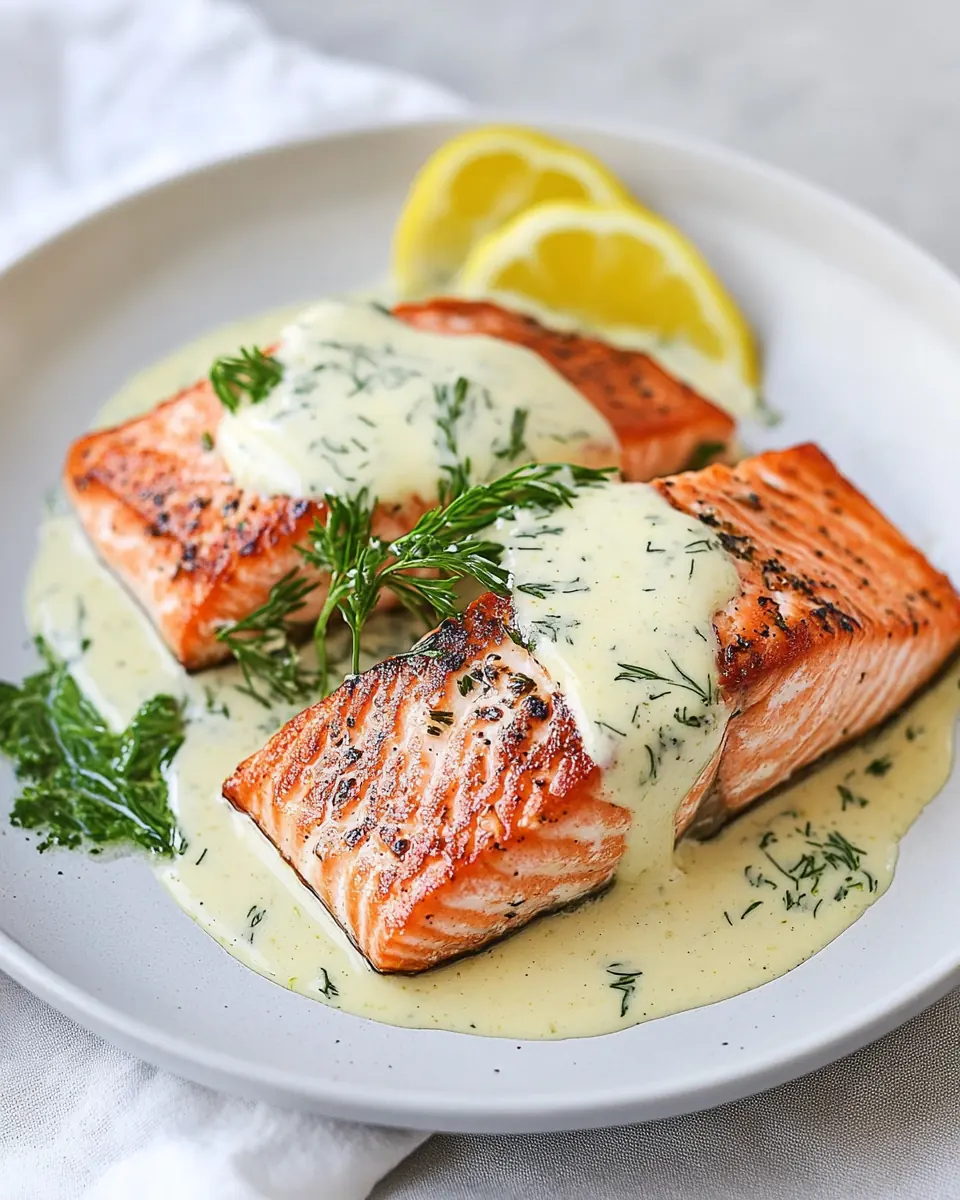
These ingredients work together on the principle of balance. The star salmon provides rich, oily flesh that pairs perfectly with a tangy, creamy sauce to cut through that richness. The low sodium chicken broth thins the sauce and adds savory depth, while a touch of honey rounds the mustard edges. Fresh dill brightens at the end, making every bite feel lifted.
- 4 (6 – 7 oz) skinless salmon fillets: Pan-sear to provide the main protein and a rich, flaky texture; cook until opaque and slightly crisp at the edges for best mouthfeel and presentation.
- 3 tsp olive oil: Use to lightly coat the pan and prevent sticking; contributes subtle fruitiness and helps achieve a golden sear on the salmon without overpowering other flavors.
- Salt and freshly ground black pepper: Season generously to enhance and balance flavors; adjust salt and freshly ground black pepper to taste to bring out the natural richness of the fish.
- 3 garlic cloves, minced (1 Tbsp): Mince finely to release pungent, aromatic oils and add savory depth; sauté briefly to mellow sharpness and infuse the sauce with a garlicky backbone.
- 1/2 tsp cornstarch: Whisk into the sauce to thicken and stabilize the cream without adding extra heaviness; dissolve well to avoid lumps and ensure a smooth finish.
- 1/2 cup heavy cream: Simmer gently to create a luscious, velvety base for the sauce; heavy cream adds body, richness, and a silky mouthfeel that carries other flavors.
- 1 1/2 tbsp dijon mustard (or a little more to taste): Whisk in to provide tangy, sharp complexity and a creamy sharpness; Dijon balances the richness of the cream and brightens the overall sauce profile.
- 1/2 tsp honey: Stir in sparingly to add a touch of floral sweetness and to balance acidity and salt; honey rounds out sharp mustard notes for a more harmonious sauce.
- 1/2 cup low-sodium chicken broth: Deglaze the pan and form the liquid foundation of the sauce; low-sodium chicken broth contributes savory umami without making the dish overly salty.
- 1 tbsp minced fresh dill: Fold in at the end to contribute fresh, aromatic brightness and a mild herbaceous note; minced fresh dill complements salmon and lifts the sauce visually and flavor-wise.
How to Prepare Salmon with Creamy Garlic Dijon Sauce
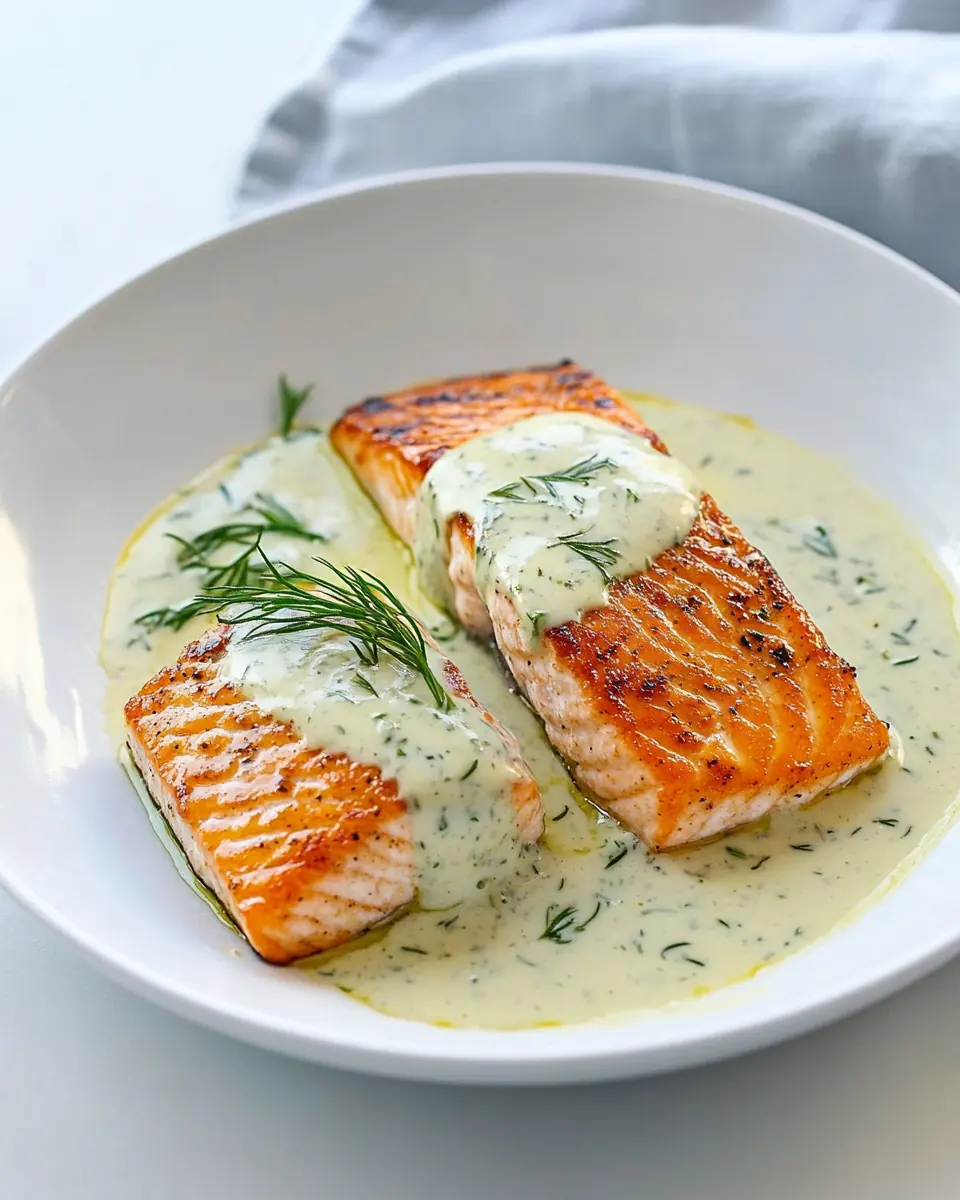
These steps are straightforward, but I treat each one like a small ritual so the dish comes together reliably. Read through them once, gather your ingredients, and you will move smoothly from pan sear to silky sauce and plated fish.
- Heat a large non-stick skillet over medium-high heat (if needed you can use two skillets or cook in two batches so they aren't overcrowded).: The moment you start heating the skillet you'll smell the faint metallic warmth of the pan as it comes up in temperature, which helps signal readiness. A properly heated pan is crucial for getting that golden sear on the salmon rather than steaming it; you want a quick surface reaction. If the pan seems to smoke, lower the heat slightly to prevent burning the oil. A common mistake is adding fish to a cold pan, which produces no crust and soggy texture, so listen for a quiet sizzle when you test with a drop of water.
- Add 1 1/2 tsp olive oil to each skillet. Dab both sides of salmon dry with paper towels and season both sides with salt and pepper.: When the oil shimmers but does not smoke, it signals the ideal moment to add the fish; the sizzling sound will be immediate and satisfying. Drying the salmon removes excess moisture so the surface browns evenly, and seasoning just before cooking concentrates the flavor on the exterior. If the oil smokes heavily, remove the pan from heat briefly to cool it; overheating oil can impart a bitter note. Avoid moving the fillets too soon, as that prevents a proper crust from forming.
- Place salmon in skillet (top of salmon turned down). Let sear until golden brown on bottom, about 4 minutes then flip and continue to cook to desired doneness, about 2 – 3 minutes longer.: As the fillets make contact with the hot surface you should hear a steady sizzle and see the edges turn opaque, which are good visual cues. The golden brown color indicates that the Maillard reaction has developed flavor, creating a slightly crispy texture on the outside while keeping the inside tender. After flipping, the aroma will shift to a deeper, toasted fish scent and juices may bead lightly on the surface. Watch for firmness when pressed gently toward the center; overcooking will dry the salmon , so err on the side of slightly underdone if it will rest before serving.
- Meanwhile, in a liquid measuring cup whisk together cornstarch with 1 tbsp cream, then mix in enough cream to measure 1/2 cup. Whisk in dijon mustard and honey.: The initial whisking of the cornstarch with a small amount of cream eliminates lumps and yields a silky, cohesive sauce. You will notice the mixture take on a uniform sheen, and the mustard will impart a pale tan color with ribbons of honey smoothing the sharpness. Doing this while the fish cooks saves time and prevents the sauce from becoming lumpy when added to the hot pan. A frequent error is adding cornstarch directly to hot liquid, which creates grainy clumps, so pre mixing is key.
- Remove salmon from skillet and transfer to a plate, leaving oil in one skillet. Tent salmon with foil.: When you lift the fillets out you will feel their slight resistance and see a nicely seared underside. Transferring them to a warm plate and covering loosely allows residual heat to finish the interior without further direct heat, preserving moistness. Leaving the cooking oil in the pan retains the flavor foundation for the sauce. If you skip tenting, the fish will cool too quickly and the texture can tighten; conversely leaving it in a hot pan may overcook it.
- Add garlic to skillet with oil set over medium heat, saute until just barely golden brown, about 20 – 30 seconds. Pour in chicken broth.: As you add the minced garlic to the warm oil you should immediately smell its savory perfume; watch closely because garlic browns fast and will turn bitter if overdone. The brief sauté releases aroma and infuses the oil, which becomes the base for the sauce. Pouring in the low sodium chicken broth deglazes the pan, lifting those browned fond bits into the liquid and adding savory complexity. If you overbrown the garlic, scrape it out and start fresh to avoid a bitter sauce.
- Bring to a simmer then reduce heat to medium-low and let simmer until reduced by about 2/3, about 3 minutes.: As the broth comes to a simmer you will see small bubbles form and the liquid will thinly coat the back of a spoon, concentrating its flavor. Reducing by two thirds intensifies savory notes and creates a base that will marry well with the cream , rather than producing a watery finish. Keep an eye on the heat so it simmers gently; a rolling boil can evaporate too quickly and scorch the pan. A common misstep is not reducing enough, which leaves the sauce weak and watery.
- Whisk cream mixture once more then pour into skillet. Cook and stir, bringing to a simmer. Let simmer gently, while stirring, for about 30 seconds.: When you add the prepared cream and cornstarch slurry to the reduced broth you will notice the sauce thicken quickly and take on a glossy appearance. The aroma will shift to a richer, creamy note with a hint of mustard tang. Gentle simmering activates the cornstarch, setting the sauce to a consistency that will cling to the salmon . Keep stirring to avoid hotspots and ensure even thickening. If you overcook at high heat the cream may separate, so maintain a gentle simmer.
- Remove from heat stir in dill, return salmon fillets to pan, spoon sauce over salmon. Serve warm.: Off the heat the minced fresh dill releases its bright, green scent and preserves its color, which adds a lively finish to the sauce. Returning the fillets warms them through and the spooning action helps the sauce nestle into the fish flakes, making each bite cohesive. Serve right away while the sauce is warm and glossy; letting it sit too long will dull the texture. A common mistake is reheating the dish aggressively, which can cause the cream to break and the fish to become dry.
Tips and Tricks about Salmon with Creamy Garlic Dijon Sauce
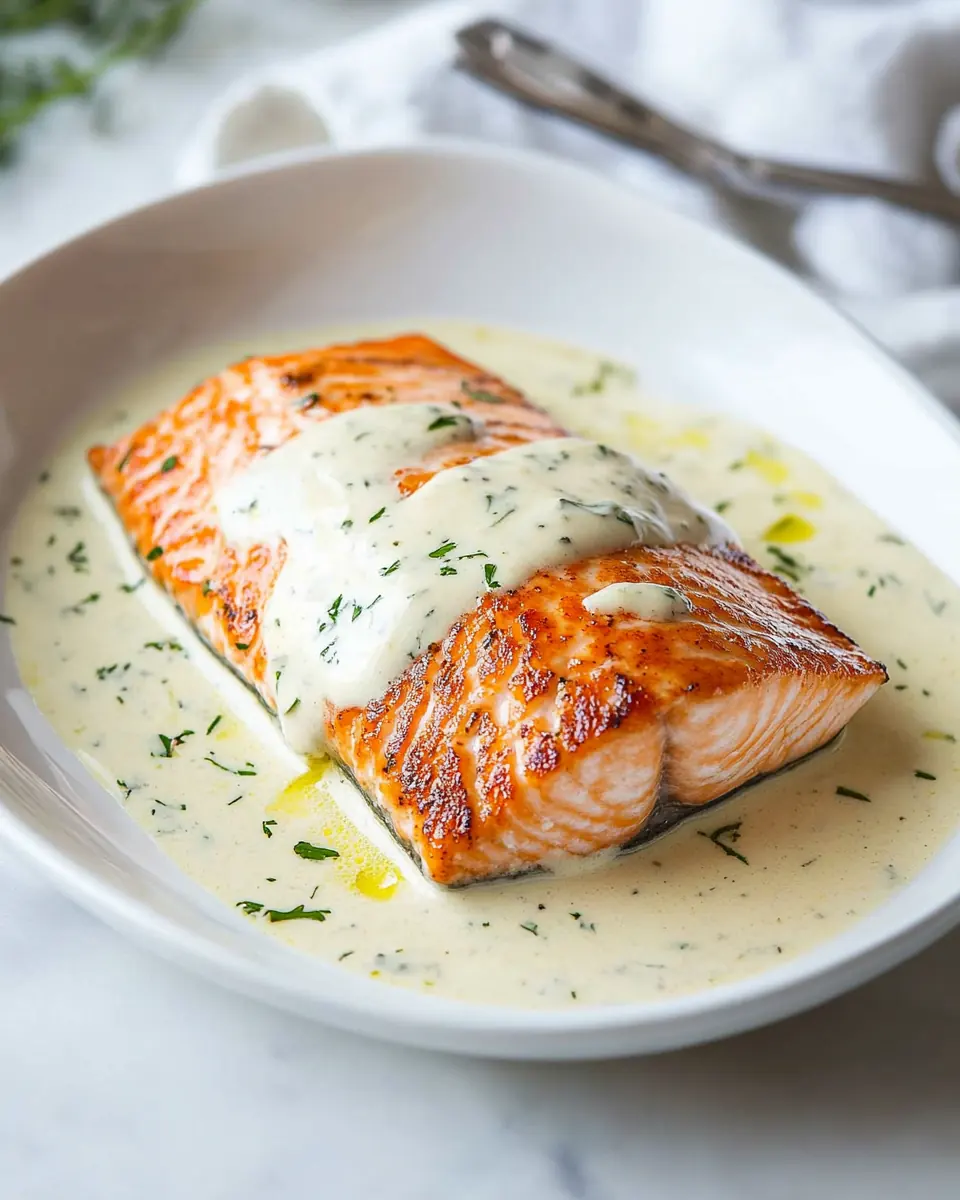
This collection of tips will help you get consistent results and small upgrades for flavor and presentation. Each suggestion targets a single element so you can pick one or combine several to suit your schedule and pantry.
- Prepare ingredients first, mise en place keeps the timing tight and prevents overcooking, especially since the steps move quickly.
- Control heat carefully, medium high for the initial sear then medium low for the sauce avoids scorching the cream and garlic.
- Use low sodium chicken broth, it keeps the salt level manageable and lets you season at the end with precision.
- Fresh garlic is best, it gives a brighter, cleaner flavor than pre minced alternatives which can be uneven in intensity.
- Adjust dijon to taste, start with the recipe amount and add a touch more if you want more tang, but add gradually to avoid overpowering.
- Tent the cooked fillets, letting them rest briefly prevents carryover cooking from overdoing the interior.
Great Combinations for Salmon with Creamy Garlic Dijon Sauce
These serving ideas help frame the dish for different occasions, from a casual family meal to a slightly formal dinner. Each suggestion highlights complementary textures and flavors that play well with the creamy mustard sauce.
- Light green salad, a crisp salad with lemon vinaigrette provides contrast to the rich sauce and keeps the meal bright for a spring or summer lunch.
- Steamed vegetables, tender asparagus or green beans make a simple, healthy side for dinner and echo the herbaceous notes of the dill.
- Buttery mashed potatoes, they soak up the sauce beautifully and turn this into a comfort style plate for a cozy family dinner.
- Herb roasted baby potatoes, their roasted edges add textural contrast and pair well with the savory, creamy sauce for an autumnal meal.
- Weeknight dinner, this recipe is ideal for an easy weeknight dinner when you want something quick, flavorful, and satisfying.
- Elegant dinner, serve with a composed starter and a simple dessert to make this an approachable yet refined main for guests.
- Storage tips, refrigerate leftovers in an airtight container for up to two days, though the sauce may thicken and the texture of the salmon will soften.
- Seasonal pairing, spring herbs like fresh dill or chives work beautifully and keep the plate feeling fresh for warmer months.
FAQ
Conclusion
What makes this recipe special is the way a handful of pantry ingredients come together to create a dish that feels thoughtfully composed and restaurant worthy. The marriage of pan seared salmon and a silky, tang forward creamy sauce with fresh dill is satisfying, quick, and adaptable. I hope you give it a try on a busy weeknight or when guests are coming over, because it rewards small attention with big flavor and minimal effort. Enjoy the process, savor the results, and make it your own by adjusting the mustard or herbs to taste.
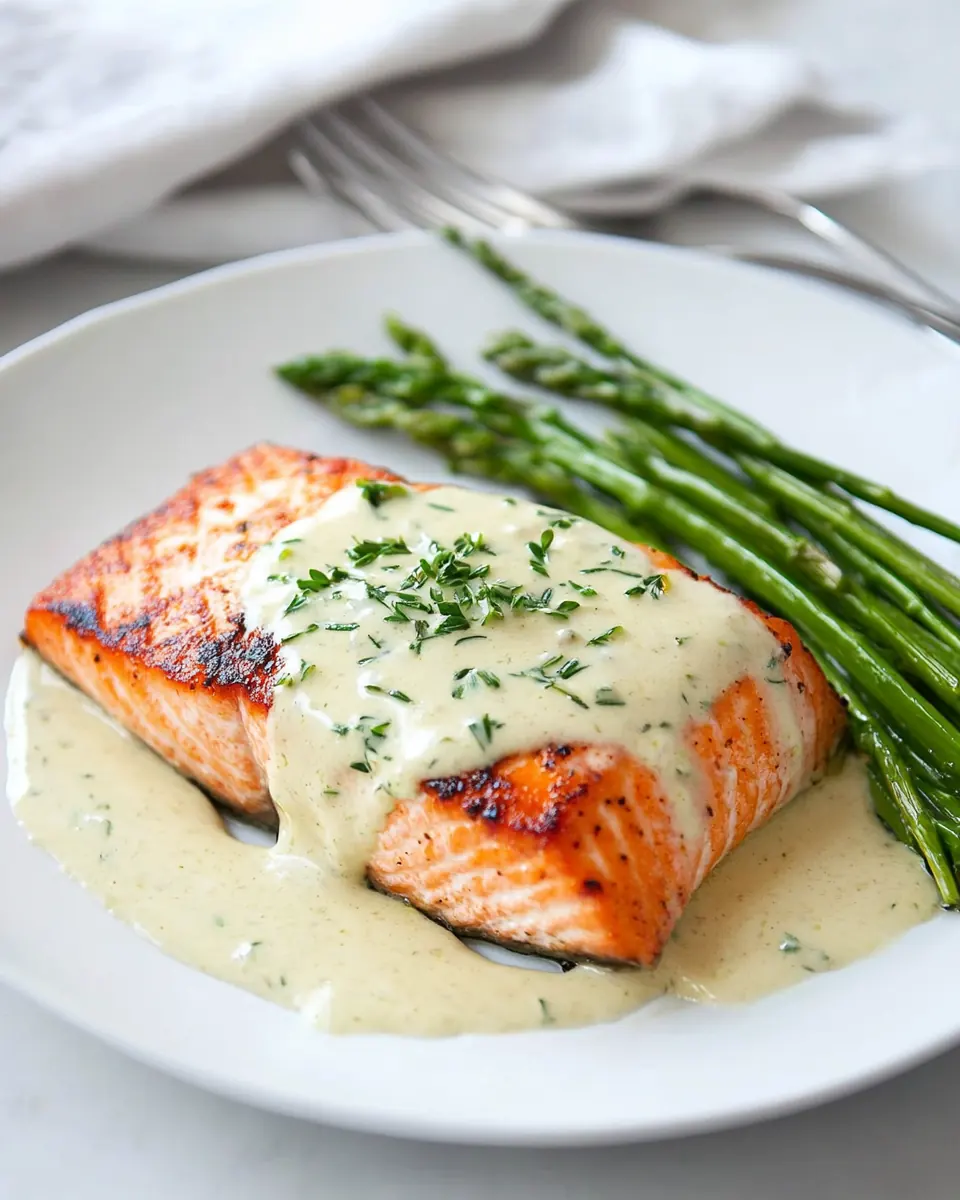
Salmon with Creamy Garlic Dijon Sauce
Ingredients
Equipment
Method
- Heat a large non-stick skillet over medium-high heat (if needed you can use two skillets or cook in two batches so they aren't overcrowded).: The moment you start heating the skillet you'll smell the faint metallic warmth of the pan as it comes up in temperature, which helps signal readiness. A properly heated pan is crucial for getting that golden sear on the salmon rather than steaming it; you want a quick surface reaction. If the pan seems to smoke, lower the heat slightly to prevent burning the oil. A common mistake is adding fish to a cold pan, which produces no crust and soggy texture, so listen for a quiet sizzle when you test with a drop of water.
- Add 1 1/2 tsp olive oil to each skillet. Dab both sides of salmon dry with paper towels and season both sides with salt and pepper.: When the oil shimmers but does not smoke, it signals the ideal moment to add the fish; the sizzling sound will be immediate and satisfying. Drying the salmon removes excess moisture so the surface browns evenly, and seasoning just before cooking concentrates the flavor on the exterior. If the oil smokes heavily, remove the pan from heat briefly to cool it; overheating oil can impart a bitter note. Avoid moving the fillets too soon, as that prevents a proper crust from forming.
- Place salmon in skillet (top of salmon turned down). Let sear until golden brown on bottom, about 4 minutes then flip and continue to cook to desired doneness, about 2 - 3 minutes longer.: As the fillets make contact with the hot surface you should hear a steady sizzle and see the edges turn opaque, which are good visual cues. The golden brown color indicates that the Maillard reaction has developed flavor, creating a slightly crispy texture on the outside while keeping the inside tender. After flipping, the aroma will shift to a deeper, toasted fish scent and juices may bead lightly on the surface. Watch for firmness when pressed gently toward the center; overcooking will dry the salmon , so err on the side of slightly underdone if it will rest before serving.
- Meanwhile, in a liquid measuring cup whisk together cornstarch with 1 tbsp cream, then mix in enough cream to measure 1/2 cup. Whisk in dijon mustard and honey.: The initial whisking of the cornstarch with a small amount of cream eliminates lumps and yields a silky, cohesive sauce. You will notice the mixture take on a uniform sheen, and the mustard will impart a pale tan color with ribbons of honey smoothing the sharpness. Doing this while the fish cooks saves time and prevents the sauce from becoming lumpy when added to the hot pan. A frequent error is adding cornstarch directly to hot liquid, which creates grainy clumps, so pre mixing is key.
- Remove salmon from skillet and transfer to a plate, leaving oil in one skillet. Tent salmon with foil.: When you lift the fillets out you will feel their slight resistance and see a nicely seared underside. Transferring them to a warm plate and covering loosely allows residual heat to finish the interior without further direct heat, preserving moistness. Leaving the cooking oil in the pan retains the flavor foundation for the sauce. If you skip tenting, the fish will cool too quickly and the texture can tighten; conversely leaving it in a hot pan may overcook it.
- Add garlic to skillet with oil set over medium heat, saute until just barely golden brown, about 20 - 30 seconds. Pour in chicken broth.: As you add the minced garlic to the warm oil you should immediately smell its savory perfume; watch closely because garlic browns fast and will turn bitter if overdone. The brief sauté releases aroma and infuses the oil, which becomes the base for the sauce. Pouring in the low sodium chicken broth deglazes the pan, lifting those browned fond bits into the liquid and adding savory complexity. If you overbrown the garlic, scrape it out and start fresh to avoid a bitter sauce.
- Bring to a simmer then reduce heat to medium-low and let simmer until reduced by about 2/3, about 3 minutes.: As the broth comes to a simmer you will see small bubbles form and the liquid will thinly coat the back of a spoon, concentrating its flavor. Reducing by two thirds intensifies savory notes and creates a base that will marry well with the cream , rather than producing a watery finish. Keep an eye on the heat so it simmers gently; a rolling boil can evaporate too quickly and scorch the pan. A common misstep is not reducing enough, which leaves the sauce weak and watery.
- Whisk cream mixture once more then pour into skillet. Cook and stir, bringing to a simmer. Let simmer gently, while stirring, for about 30 seconds.: When you add the prepared cream and cornstarch slurry to the reduced broth you will notice the sauce thicken quickly and take on a glossy appearance. The aroma will shift to a richer, creamy note with a hint of mustard tang. Gentle simmering activates the cornstarch, setting the sauce to a consistency that will cling to the salmon . Keep stirring to avoid hotspots and ensure even thickening. If you overcook at high heat the cream may separate, so maintain a gentle simmer.
- Remove from heat stir in dill, return salmon fillets to pan, spoon sauce over salmon. Serve warm.: Off the heat the minced fresh dill releases its bright, green scent and preserves its color, which adds a lively finish to the sauce. Returning the fillets warms them through and the spooning action helps the sauce nestle into the fish flakes, making each bite cohesive. Serve right away while the sauce is warm and glossy; letting it sit too long will dull the texture. A common mistake is reheating the dish aggressively, which can cause the cream to break and the fish to become dry.
Notes
- Prepare ingredients first, mise en place keeps the timing tight and prevents overcooking, especially since the steps move quickly.
- Control heat carefully, medium high for the initial sear then medium low for the sauce avoids scorching the cream and garlic.
- Use low sodium chicken broth, it keeps the salt level manageable and lets you season at the end with precision.
- Fresh garlic is best, it gives a brighter, cleaner flavor than pre minced alternatives which can be uneven in intensity.
- Adjust dijon to taste, start with the recipe amount and add a touch more if you want more tang, but add gradually to avoid overpowering.
- Tent the cooked fillets, letting them rest briefly prevents carryover cooking from overdoing the interior.