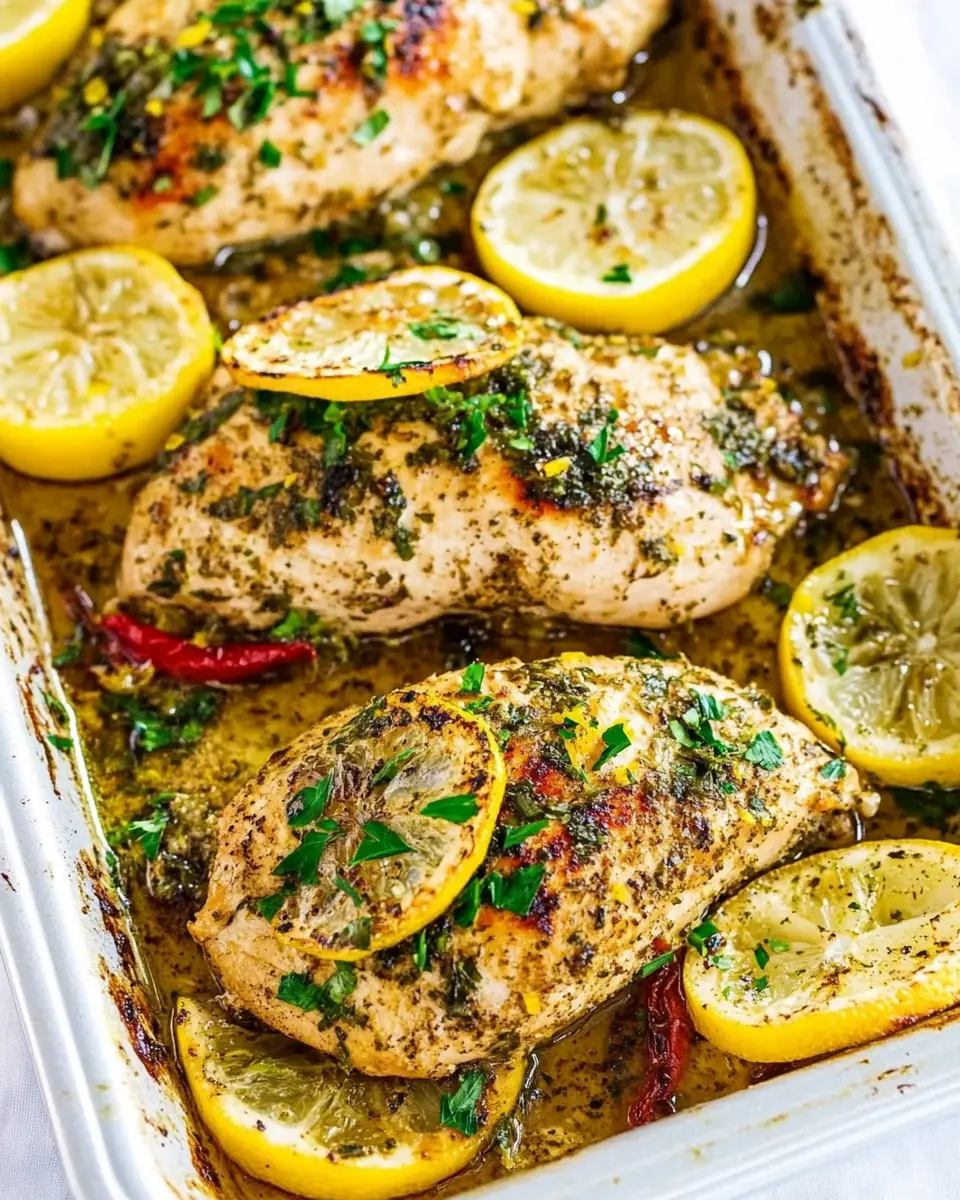
Place a rack in the center of your oven, then preheat the oven to 400 degrees F. Generously coat a large, rimmed baking sheet with nonstick spray. Place the potatoes in the center and top with 1 tablespoon olive oil, 1 tablespoon rosemary, 1/2 teaspoon kosher salt, and 1/4 teaspoon black pepper. Toss to coat, then spread into an even layer. Place in the oven and roast for 20 minutes.: You should notice the oven warming and eventually humming at temperature, which ensures even roast heat around the pan. Preheating is crucial because placing ingredients into a cold oven leads to prolonged cooking time and less browning, so wait until the dial or digital readout shows the full 400 degrees F. A common error is rushing this step, which produces steamed rather than roasted textures. Use a sturdy rimmed baking sheet and a rack in the center to promote consistent airflow so the potatoes crisp rather than steam.
Meanwhile, place the asparagus, chicken, and garlic powder in a large bowl. Drizzle with the lemon juice and add the lemon zest, remaining 2 tablespoons olive oil, 1 tablespoon rosemary, 1/2 teaspoon kosher salt, and 1/4 teaspoon black pepper. Toss to coat, then transfer to the baking pan with the potatoes. With a spatula, loosely toss the ingredients so that they are evenly combined and spread into an even layer. Overlap the chicken as little as possible.: When you coat the sheet, you should see a thin, even sheen that will prevent sticking and help the bottoms brown. This small layer also allows heat to conduct directly into the surfaces for better caramelization. If you skip this, small pieces can stick and tear, which makes serving messy. If you prefer, a light brush of the reserved olive oil will achieve the same result and add flavor.
Return the pan to the oven and bake an additional 15 to 20 minutes, until the chicken is cooked through, stirring once or twice throughout. The asparagus may release some liquid, which you can carefully pour off the pan, or use a slotted spoon or spatula to serve so that you do not get this liquid on your plate. Enjoy hot.: As you toss the potatoes they should glisten and carry a coating of oil and herbs, and the scent of rosemary will become noticeable. This early seasoning jumpstarts their flavor and encourages browning on exposed edges. Unevenly sized pieces can cook unevenly, so ensure consistent 1 inch cuts to avoid hard centers. Spread them into an even layer to maximize contact with the hot pan where Maillard reactions create those golden edges.
Toss to coat then spread into an even layer: As you spread the pieces, you should hear a faint clink as they settle on the pan and see space between pieces; that separation is what allows hot air to circulate so edges crisp. If the pieces touch too closely they can trap steam and become mushy instead of caramelized. A practical tip is to give them a quick shake after they are on the pan so the oil redistributes and each piece has some exposed surface.
Place in the oven and roast for 20 minutes: During roasting you will notice the aroma shifting to a toasty, almost nutty smell as the potatoes begin to brown and their starches caramelize. Visual cues include golden edges and slightly puckered skins when they are close to done. One pitfall is opening the oven repeatedly which drops the temperature and extends cooking time, so limit checks to quick peeks. The goal is tender interiors with crisp exteriors, which sets the foundation for the rest of the bake.
Meanwhile place the asparagus chicken and garlic powder in a large bowl: When you combine the asparagus , chicken , and garlic powder in a bowl the dry seasonings will begin to cling to the proteins and vegetables, creating a light coating that helps flavor transmit during roasting. You should feel the texture change as the powder and oil bind to the pieces. A common mistake is sousing too much liquid here which can cause steaming on the pan; aim for a sheen, not a pool.
Drizzle with the lemon juice and add the lemon zest remaining 2 tablespoons olive oil 1 tablespoon rosemary 1/2 teaspoon kosher salt and 1/4 teaspoon black pepper: The moment you add lemon juice you’ll notice a bright, citrus scent that lifts the bowl. Zest adds aromatic oils that cling to the chicken and asparagus , while the remaining olive oil aids browning. The balance of acid and oil is important, because too much acid early can begin to cook the protein and change texture, so keep quantities measured. Toss gently so each piece is lightly coated and carries that lemony fragrance.
Toss to coat then transfer to the baking pan with the potatoes: As you transfer the mixture, the combined aroma of roasted potatoes and bright lemon should mingle. When everything hits the hot pan you might hear a soft hiss which signals the start of additional browning. Be careful to pour in a way that keeps the chicken from overlapping too much, because crowded pieces steam rather than roast. Using a spatula helps distribute ingredients evenly across the sheet.
With a spatula loosely toss the ingredients so that they are evenly combined and spread into an even layer: When you stir on the pan you want gentle, deliberate movements so the items settle into a single layer and have room to brown. Listen for subtle sizzles as pieces touch the hot metal; that’s a good sign. Overworking them into piles will cause uneven cooking, so aim for space and balance. Visually, the pan should look like a mosaic of ingredients with room around each component.
Overlap the chicken as little as possible: Proper spacing is the key to good searing, and when the chicken pieces are apart you’ll see individual edges turn golden and slightly crisp. This texture difference is what keeps the bites interesting. If you cram pieces together they will release juices and steam, leading to pale, rubbery texture. If that happens, remove crowded bits to the edges where they can brown more effectively.
Return the pan to the oven and bake an additional 15 to 20 minutes until the chicken is cooked through stirring once or twice throughout: As the final bake completes, aromas intensify and the chicken will change color from pale to golden with firm but juicy centers. Stirring once or twice helps promote even browning but do it gently to avoid tearing the asparagus or breaking the potatoes . An undercooked center is the main worry, so check the thickest piece for doneness; it should register safe to eat and feel springy. If the pan accumulates liquid from the asparagus , you can carefully pour it off to keep the final bites from becoming soggy.
The asparagus may release some liquid which you can carefully pour off the pan or use a slotted spoon or spatula to serve so that you do not get this liquid on your plate: That released liquid is a combination of vegetable moisture and pan juices; it can dilute the crisp texture if left pooled. As you plate, look for glossy surfaces and give pieces a gentle shake to drain excess. A common misstep is serving straight from a very wet pan which results in limp textures, so use a slotted tool to lift and drain before plating.
Enjoy hot: When you serve, the heat will carry the aromatics and make the lemon and rosemary sing. The contrast between warm potatoes , tender chicken , and bright asparagus is most pronounced right away, so I recommend serving immediately. Letting it sit too long will cause the roasted edges to lose their crispness, so plan to plate soon after finishing.