Preheat oven to 450 F / 230 C.: The oven heat should feel intense and dry, which encourages browning on the salmon and slight char on the asparagus . You should hear the oven fan settle and feel a rising warmth when you open the door. The high temperature seals the fish surface quickly, preserving moisture inside. If your oven runs hot, rotate the pan halfway; a common mistake is assuming all ovens heat equally, which can lead to overcooked edges.
Spray baking sheet with non-stick spray or brush with olive oil.: The pan must be lightly lubricated so the roasted bits release easily, and the oil also helps create crisp contact points. When you brush with olive oil , you should see a sheen across the metal that glints in the light. If the pan is too slick the vegetables may slide when you rearrange them, so use just enough to prevent sticking without pooling.
Hold an asparagus piece in both hands and bend until it snaps to see how much of the woody stem you should cut off.: That audible snap is the best indicator of freshness and where the tender part begins, and the smell will be faintly green and earthy. Breaking one spear sets the trim line, which you then match across the bunch for consistent bite. Avoid cutting based on guesswork, because leaving woody stems will result in stringy, unpleasant texture.
Then trim other pieces to that length and cut asparagus into pieces about 3 inches long.: Uniform pieces ensure even roast time and tidy presentation. You should hear a slightly crisp sound when you cut and see clean, bright green edges that may already wet a little from the plant juices. If pieces vary greatly in size they will cook unevenly, so take a moment to match lengths before spreading them on the pan.
Put asparagus into a bowl and toss with 1 T olive oil plus salt and fresh-ground black pepper to taste.: Tossing lets every surface get a thin coating so edges caramelize without burning. You should notice a glossy finish and the pepper specks clinging to the stalks. If you overdress them they will release moisture and steam, preventing that desirable browning, so use a light hand with the oil.
Spread out asparagus onto baking sheet so it’s in a single layer and roast for 5 minutes (or slightly longer if the asparagus pieces are extra thick.): Single layer roasting lets air circulate and produces those little charred tips. When you open the oven after this stage you should smell green sweetness and see brightening of the stalks. If the asparagus overlaps, it will steam rather than roast, losing crisp edges, so reorganize the pieces for space.
While asparagus roasts use a microplane grater or small grater to zest the lemon rinds into a small measuring cup. (I used all the zest, but if you’re not that crazy about lemon zest you may not want it all.): Zesting releases aromatic oils that are intensely fragrant, and you will notice a fragrant citrus mist as you grate. The zest should be fine and delicate, not bulky, which allows it to disperse evenly in the lemon oil. Avoid zesting into the white pith, which can deliver bitterness and dull the bright character.
Squeeze lemon juice into a small bowl, then measure 2 T juice and add to the lemon zest. (see notes): Fresh juice brings sharpness that brightens the whole plate, and measuring ensures balance so the oil does not become overly acidic. When you taste the juice it should be lively and clear, with no off notes. If the lemons are dry, reduce the juice and compensate with a touch more oil to keep the emulsion from becoming too tart.
Whisk 3 T extra virgin olive oil into the lemon zest-juice, then set the lemon oil aside.: Whisking creates a harmonious lemon oil that glazes the fish and vegetables when finished, and you will see the mixture become slightly glossy and cohesive. The aroma will be heady and lemon forward, promising bright flavor at the end. If you skip whisking and pour straight, the flavors might separate, so take a moment to blend them well for a silky finish.
Rub each piece of salmon on both sides with the other tablespoon of olive oil.: Coating the salmon with oil helps heat transfer and encourages a gentle crust to form without sticking. The flesh should look moist and slightly shiny after rubbing. Avoid using too much oil which can cause excessive smoking in the oven, and do not rub at room temperature for too long or the fish may become soft and lose structure.
Season salmon with salt and fresh ground black pepper to taste, and rub with Szeged Fish Rub.: Seasoning builds an exterior flavor layer that complements the natural taste of the salmon . You should see the rub gently adhere, and when you press it in it releases savory aromas. A common mistake is oversalting; if your rub already contains salt, reduce additional salt to avoid an overly salty final bite.
After 5 minutes, push the asparagus over so there is room and put the salmon pieces on the baking sheet.: Moving the asparagus creates dedicated space so each salmon fillet gets direct heat. The fish should sit skin side down if skin is present, and you will notice the pan sizzling slightly as the cold fish hits the hot surface. Avoid crowding the fillets which traps steam and prevents proper browning.
Put salmon and asparagus back into oven and roast for about 10 minutes longer (or possibly 1-2 minutes longer if your salmon pieces are extra thick.): During this period you will smell richer, roasted notes and see the fish edges firm and lightly colored. The asparagus will continue to soften and may darken in spots, creating complex flavor. A common pitfall is walking away for longer than directed; check a minute earlier if your fillets are thin to prevent overcooking.
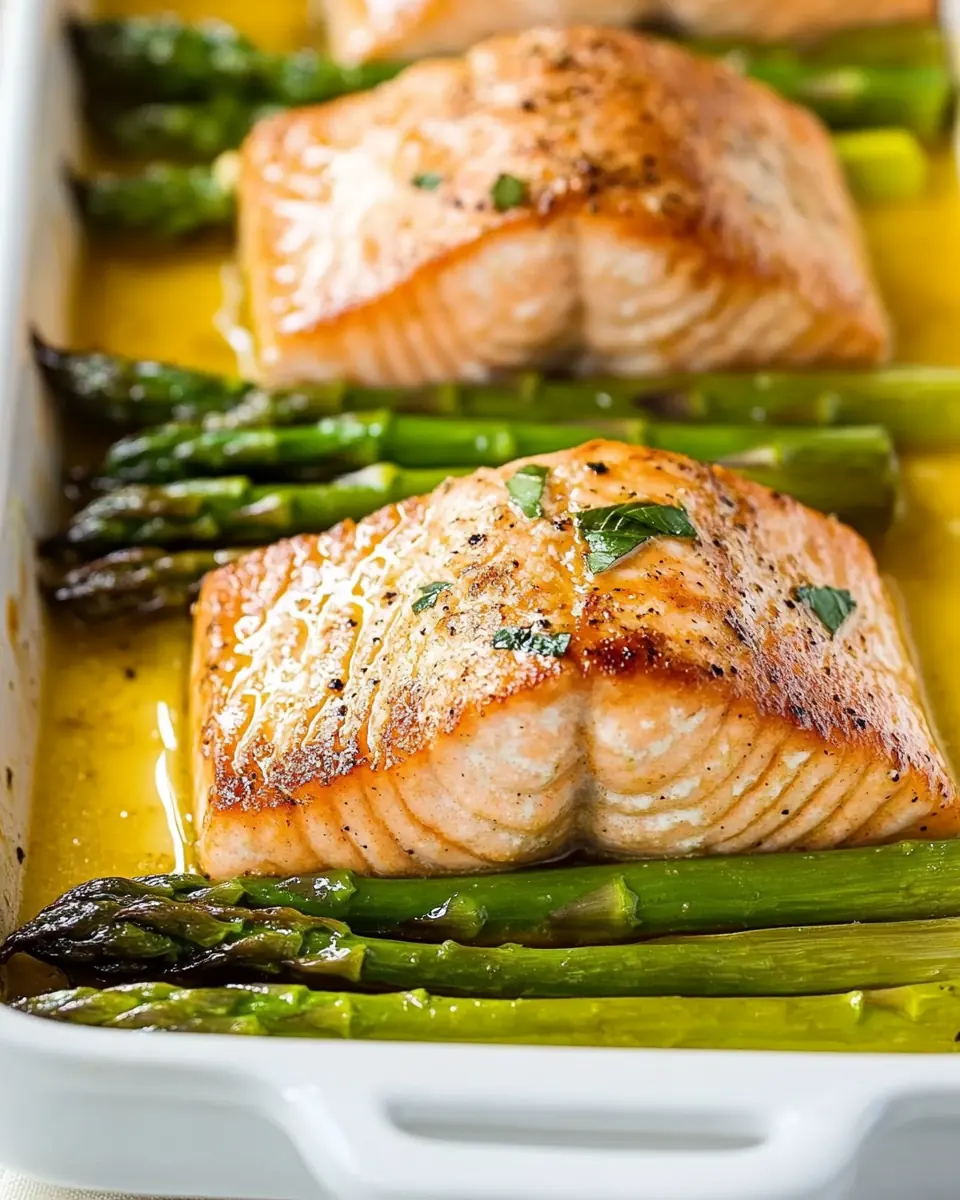
This is done when the asparagus is starting to soften and salmon feels barely firm to the touch.: The tactile test is the best doneness indicator, the fish should give slightly under pressure but not feel mushy, and the asparagus should yield but remain with a little bite. You might notice the salmon's color change from translucent to opaque, with juices collecting at the top when it is ready. If it feels firm all the way through, it is likely overcooked, so remove as soon as you feel that gentle resistance.
Drizzle desired amount of lemon oil over salmon and asparagus and serve.: The final drizzle brings a glossy finish and a burst of citrus aroma, and you should taste a bright lift that ties the components together. The oil will bead on the fish and settle into the pan juices, creating a simple sauce. Avoid pouring too early, as heat can dull the fresh lemon aroma; add it at the table for best impact.