Sheet Pan Salmon and Asparagus
Sheet Pan Salmon and Asparagus is one of those dinners I reach for when I want something that tastes like effort but comes together with very little fuss. The first time I made this I had a hectic week, a tired appetite, and a bag of asparagus that needed rescuing. I roasted the stalks briefly, slid the salmon in beside them, and the kitchen filled with a bright, citrusy aroma that felt like a small celebration after a long day.
That evening turned into a ritual. I began swapping small details, tasting the lemon oil at different stages, and noticing how the salmon‘s edges crisped while the center stayed silky. It quickly became my go to when friends drop by unannounced, or when I need a simple yet elegant dinner that feels thoughtful. The contrast between the tender salmon and the snappy asparagus always wins compliments, and the lemon oil ties it all together with a clean, tangy lift.
Recipe Snapshot
30 mins
15 mins
15 mins
Medium
450 kcal
American
Keto, Paleo
Dinner
Baking sheet, Microplane grater, Mixing bowl
Why This Sheet Pan Salmon and Asparagus Shines
Speed without sacrificing flavor
I love that Sheet Pan Salmon and Asparagus gives you a fantastic meal in a short time. With just a few minutes of active prep and a quick roast, you get crisp edges on the salmon and tender asparagus. I often say speed is pointless if flavor suffers, but here you get both, which is why I return to this method again and again.
Minimal cleanup, maximum satisfaction
Using one pan means I spend less time washing dishes and more time enjoying the table conversation. The juices mingle on the sheet pan and create a natural pan sauce when you drizzle the lemon oil at the end, so nothing flavorful is wasted. That small detail makes dinner feel elevated without extra effort.
Lemon brightness that wakes everything up
The lemon oil, made from fresh lemons and extra virgin olive oil, lifts the rich, buttery notes of the salmon and complements the vegetal freshness of the asparagus. I found that zest plus juice delivers an intense citrus presence without being overly tart, and I often spoon a little extra over each fillet before serving.
Easy seasoning, big payoff
A simple seasoning routine keeps the fish feeling honest and bright. A sprinkle of salt, fresh ground black pepper, a rub like Szeged Fish Rub, and a light coat of olive oil are all you need. I appreciate recipes that trust good ingredients and let them shine, and this one does exactly that.
Flexible and forgiving
I often tweak cook time based on fillet thickness, and the recipe is forgiving enough that a minute or two will not ruin the dish. If you like your asparagus crisper, roast it a touch less before adding the fish. If you prefer more caramelization on the salmon, give it an extra minute under the heat. Those small adjustments make this recipe adaptable to your preferences.
Main Ingredients for Sheet Pan Salmon and Asparagus
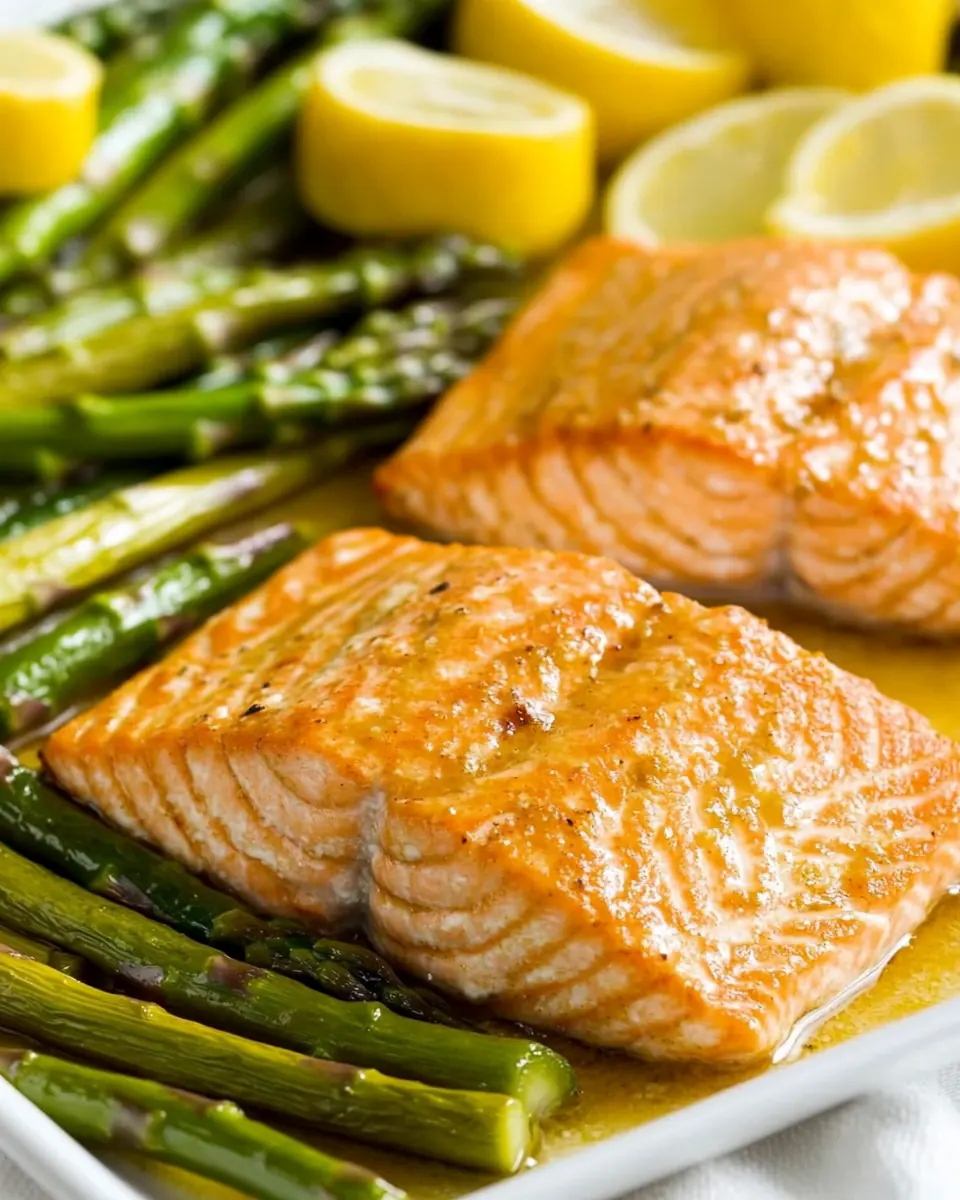
These ingredients are purposeful and straightforward. The keys are a bright citrus element, a quality fat to carry flavor, fresh vegetables for texture, and well seasoned salmon to anchor the plate. Together they deliver contrast of texture, clarity of taste, and a balanced, light finish.
- 2 large lemons: Zest and juice to add bright acidity and aromatic oils that balance the richness of the salmon; use slices for roasting or juice for a finishing squeeze to brighten the dish. Store unused lemons refrigerated for later use and remove seeds when adding juice to the pan.
- 5 T extra virgin olive oil (divided): Drizzle and reserve to coat both salmon and asparagus for even roasting and to prevent sticking; divide between tossing vegetables and brushing fish for layered flavor. Choose a high-quality extra virgin olive oil for its fruity taste and relatively high smoke point for sheet pan cooking.
- 1 lb . fresh asparagus: Trim and arrange to provide a tender-crisp vegetable component that cooks quickly alongside salmon; trim woody ends and spread in a single layer so asparagus roasts evenly. Season lightly and consider cutting thicker stalks in half lengthwise for uniform doneness.
- salt and fresh ground black pepper to taste: Season liberally to enhance natural flavors and provide necessary savory balance; adjust amounts to taste and apply to both vegetables and fish before roasting. Use freshly ground black pepper for a bright, pungent heat and salt to draw out and concentrate flavors during cooking.
- 4 6 oz. salmon fillets: Portion and place skin-on or off according to preference to serve as the main protein; allow fillets to come briefly to room temperature before roasting for even cooking. Pat dry to promote browning, season well, and arrange with space between pieces so heat circulates.
- Szeged Fish Rub for seasoning the salmon (or other fish rub of your choice): Season and rub to impart a concentrated blend of spices that complements the salmon; apply a thin, even coating to each fillet before roasting to build flavor crust. Substitute with another fish rub if needed, but keep seasoning balanced to avoid overpowering the fish.
Making Sheet Pan Salmon and Asparagus
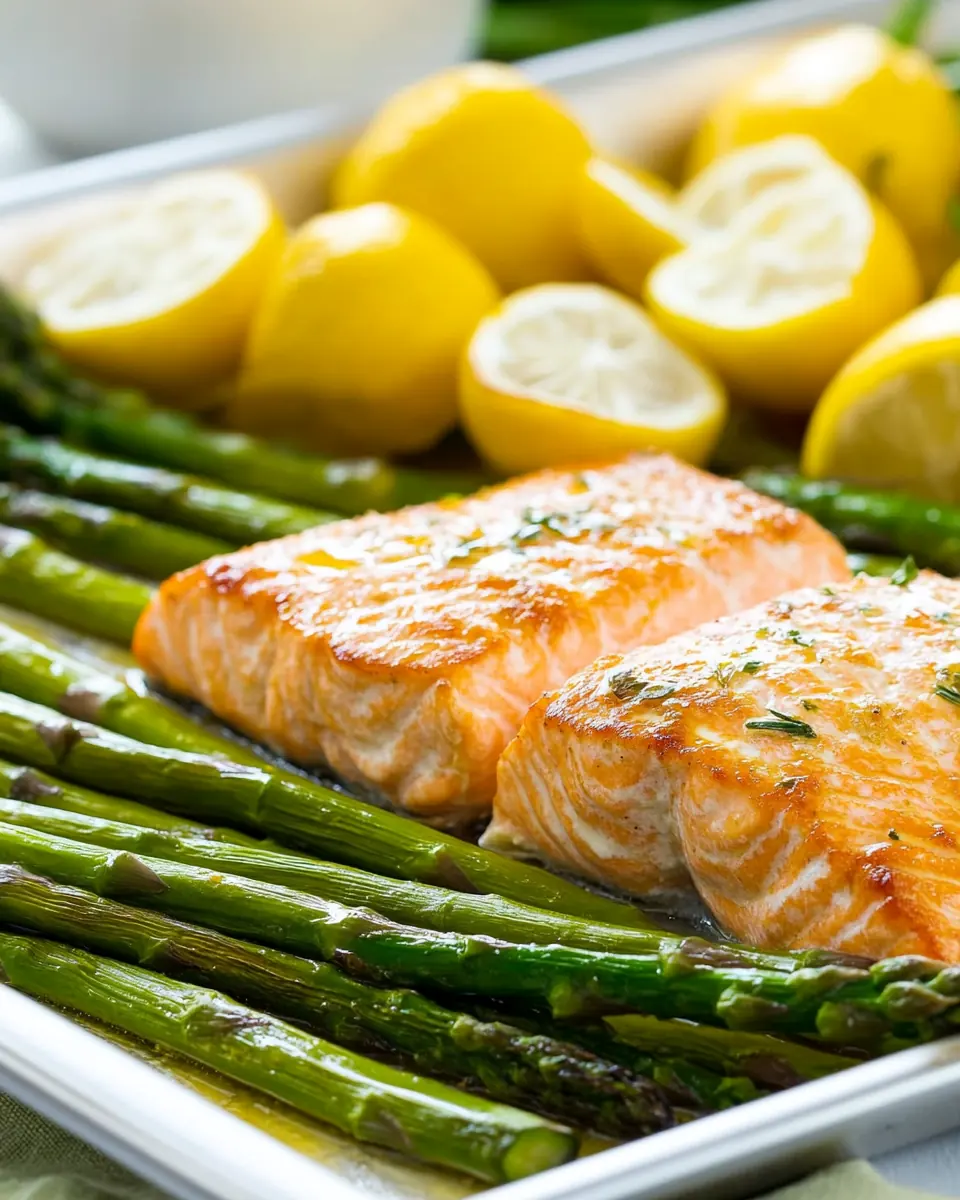
Roasting everything together is about timing and simple observation. These directions walk you through quick, deliberate actions that let aroma and texture guide you. Read through the steps so you know when to watch for visual cues, and have your lemon oil ready to finish the dish.
- Preheat oven to 450 F / 230 C.: The oven heat should feel intense and dry, which encourages browning on the salmon and slight char on the asparagus . You should hear the oven fan settle and feel a rising warmth when you open the door. The high temperature seals the fish surface quickly, preserving moisture inside. If your oven runs hot, rotate the pan halfway; a common mistake is assuming all ovens heat equally, which can lead to overcooked edges.
- Spray baking sheet with non-stick spray or brush with olive oil.: The pan must be lightly lubricated so the roasted bits release easily, and the oil also helps create crisp contact points. When you brush with olive oil , you should see a sheen across the metal that glints in the light. If the pan is too slick the vegetables may slide when you rearrange them, so use just enough to prevent sticking without pooling.
- Hold an asparagus piece in both hands and bend until it snaps to see how much of the woody stem you should cut off.: That audible snap is the best indicator of freshness and where the tender part begins, and the smell will be faintly green and earthy. Breaking one spear sets the trim line, which you then match across the bunch for consistent bite. Avoid cutting based on guesswork, because leaving woody stems will result in stringy, unpleasant texture.
- Then trim other pieces to that length and cut asparagus into pieces about 3 inches long.: Uniform pieces ensure even roast time and tidy presentation. You should hear a slightly crisp sound when you cut and see clean, bright green edges that may already wet a little from the plant juices. If pieces vary greatly in size they will cook unevenly, so take a moment to match lengths before spreading them on the pan.
- Put asparagus into a bowl and toss with 1 T olive oil plus salt and fresh-ground black pepper to taste.: Tossing lets every surface get a thin coating so edges caramelize without burning. You should notice a glossy finish and the pepper specks clinging to the stalks. If you overdress them they will release moisture and steam, preventing that desirable browning, so use a light hand with the oil.
- Spread out asparagus onto baking sheet so it’s in a single layer and roast for 5 minutes (or slightly longer if the asparagus pieces are extra thick.): Single layer roasting lets air circulate and produces those little charred tips. When you open the oven after this stage you should smell green sweetness and see brightening of the stalks. If the asparagus overlaps, it will steam rather than roast, losing crisp edges, so reorganize the pieces for space.
- While asparagus roasts use a microplane grater or small grater to zest the lemon rinds into a small measuring cup. (I used all the zest, but if you’re not that crazy about lemon zest you may not want it all.): Zesting releases aromatic oils that are intensely fragrant, and you will notice a fragrant citrus mist as you grate. The zest should be fine and delicate, not bulky, which allows it to disperse evenly in the lemon oil. Avoid zesting into the white pith, which can deliver bitterness and dull the bright character.
- Squeeze lemon juice into a small bowl, then measure 2 T juice and add to the lemon zest. (see notes): Fresh juice brings sharpness that brightens the whole plate, and measuring ensures balance so the oil does not become overly acidic. When you taste the juice it should be lively and clear, with no off notes. If the lemons are dry, reduce the juice and compensate with a touch more oil to keep the emulsion from becoming too tart.
- Whisk 3 T extra virgin olive oil into the lemon zest-juice, then set the lemon oil aside.: Whisking creates a harmonious lemon oil that glazes the fish and vegetables when finished, and you will see the mixture become slightly glossy and cohesive. The aroma will be heady and lemon forward, promising bright flavor at the end. If you skip whisking and pour straight, the flavors might separate, so take a moment to blend them well for a silky finish.
- Rub each piece of salmon on both sides with the other tablespoon of olive oil.: Coating the salmon with oil helps heat transfer and encourages a gentle crust to form without sticking. The flesh should look moist and slightly shiny after rubbing. Avoid using too much oil which can cause excessive smoking in the oven, and do not rub at room temperature for too long or the fish may become soft and lose structure.
- Season salmon with salt and fresh ground black pepper to taste, and rub with Szeged Fish Rub.: Seasoning builds an exterior flavor layer that complements the natural taste of the salmon . You should see the rub gently adhere, and when you press it in it releases savory aromas. A common mistake is oversalting; if your rub already contains salt, reduce additional salt to avoid an overly salty final bite.
- After 5 minutes, push the asparagus over so there is room and put the salmon pieces on the baking sheet.: Moving the asparagus creates dedicated space so each salmon fillet gets direct heat. The fish should sit skin side down if skin is present, and you will notice the pan sizzling slightly as the cold fish hits the hot surface. Avoid crowding the fillets which traps steam and prevents proper browning.
- Put salmon and asparagus back into oven and roast for about 10 minutes longer (or possibly 1-2 minutes longer if your salmon pieces are extra thick.): During this period you will smell richer, roasted notes and see the fish edges firm and lightly colored. The asparagus will continue to soften and may darken in spots, creating complex flavor. A common pitfall is walking away for longer than directed; check a minute earlier if your fillets are thin to prevent overcooking.
- This is done when the asparagus is starting to soften and salmon feels barely firm to the touch.: The tactile test is the best doneness indicator, the fish should give slightly under pressure but not feel mushy, and the asparagus should yield but remain with a little bite. You might notice the salmon's color change from translucent to opaque, with juices collecting at the top when it is ready. If it feels firm all the way through, it is likely overcooked, so remove as soon as you feel that gentle resistance.
- Drizzle desired amount of lemon oil over salmon and asparagus and serve.: The final drizzle brings a glossy finish and a burst of citrus aroma, and you should taste a bright lift that ties the components together. The oil will bead on the fish and settle into the pan juices, creating a simple sauce. Avoid pouring too early, as heat can dull the fresh lemon aroma; add it at the table for best impact.
Expert Tips about Sheet Pan Salmon and Asparagus
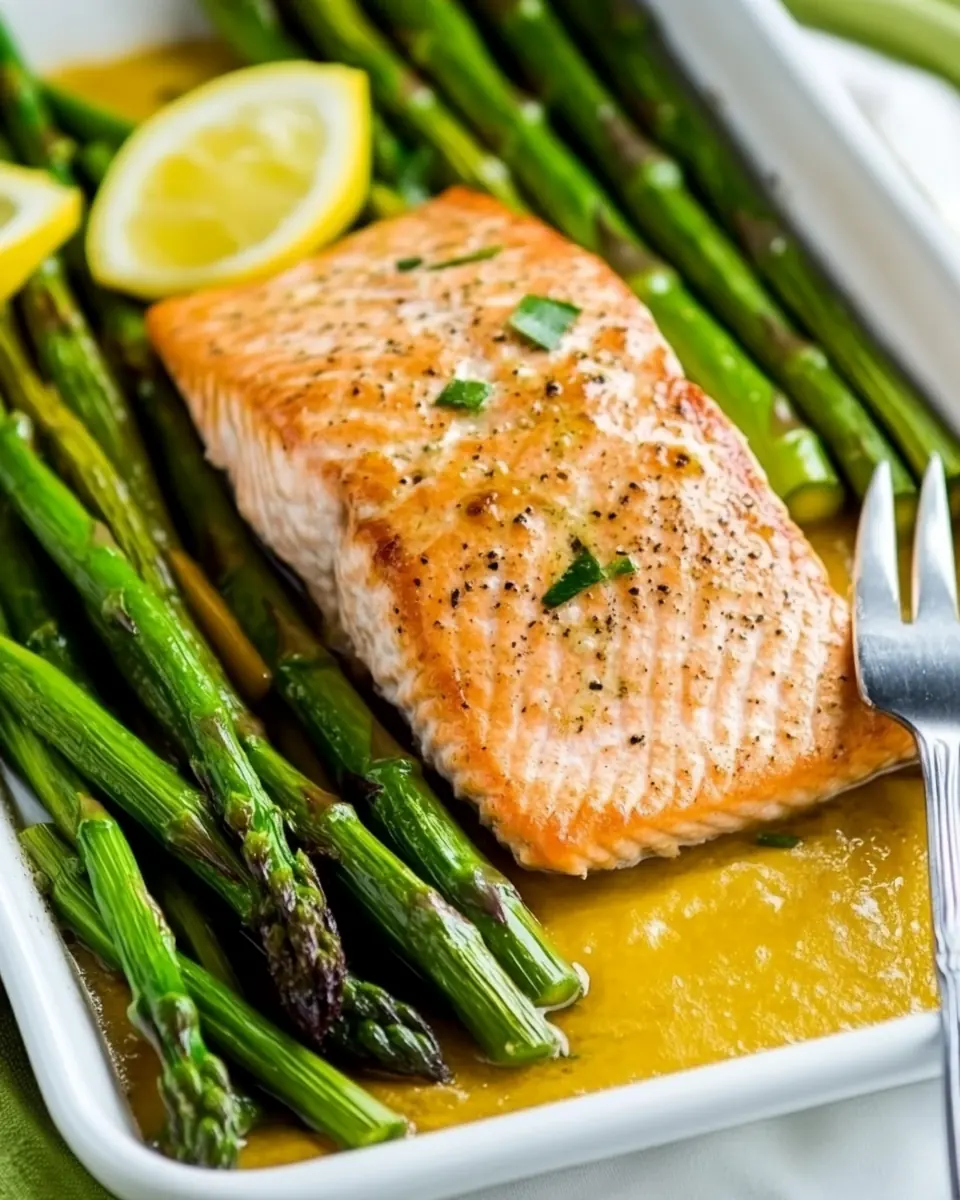
This short list of tips will help you get consistently great results. I focus on timing, seasoning, and a few finishing touches that make the dish shine.
- Choose even fillets to ensure uniform cooking, pick similar sized salmon portions so each piece reaches doneness at the same moment.
- Dry the fish well pat the salmon dry before oiling and seasoning to help the surface brown and prevent steaming.
- Zest before you juice to avoid removing fragrant oils mixed with the juice, this keeps the lemon flavor bright and aromatic.
- Use a good quality olive oil because it carries flavor into the fish and vegetables, a delicate oil can change the final taste.
- Space items on the pan leaving gaps for air circulation promotes even roasting and crisp edges on both the salmon and asparagus.
What to Serve With Sheet Pan Salmon and Asparagus
This Sheet Pan Salmon and Asparagus pairs beautifully with simple sides and suits many occasions from quick weeknight dinners to relaxed weekend lunches. The dish is light and bright, so I suggest accompaniments that echo that fresh profile.
- Light grains such as steamed rice or a lemony couscous work well to soak up the lemon oil and pan juices.
- Green salads with a crisp vinaigrette complement the roasted elements and add crunch to the meal.
- Roasted potatoes offer a heartier option for a Sunday supper, roasted until golden to contrast the tender fish.
- Simple bread like a crusty loaf is practical for mopping up the finishing lemon oil and juices.
- Occasions this recipe fits: weeknight dinners, casual entertaining, spring gatherings, and Ramadan dinners where a light but satisfying plate is desired.
- Storage tips refrigerate leftovers in an airtight container for up to two days, and reheat gently to avoid drying the salmon.
- Seasonal pairings fresh spring herbs or a side of new potatoes highlight the seasonality and keep the plate feeling fresh.
FAQ
Conclusion
Sheet Pan Salmon and Asparagus stands out for its combination of speed, bright citrus flavor, and minimal cleanup. The approach capitalizes on roasting, which brings out caramelized notes in the asparagus while keeping the salmon tender and juicy. I encourage you to try this method the next time you need a dependable, elegant dinner that does not demand hours of work. It’s forgiving, flexible, and reliably delicious, perfect for weeknights or an easy weekend meal where you still want to impress.
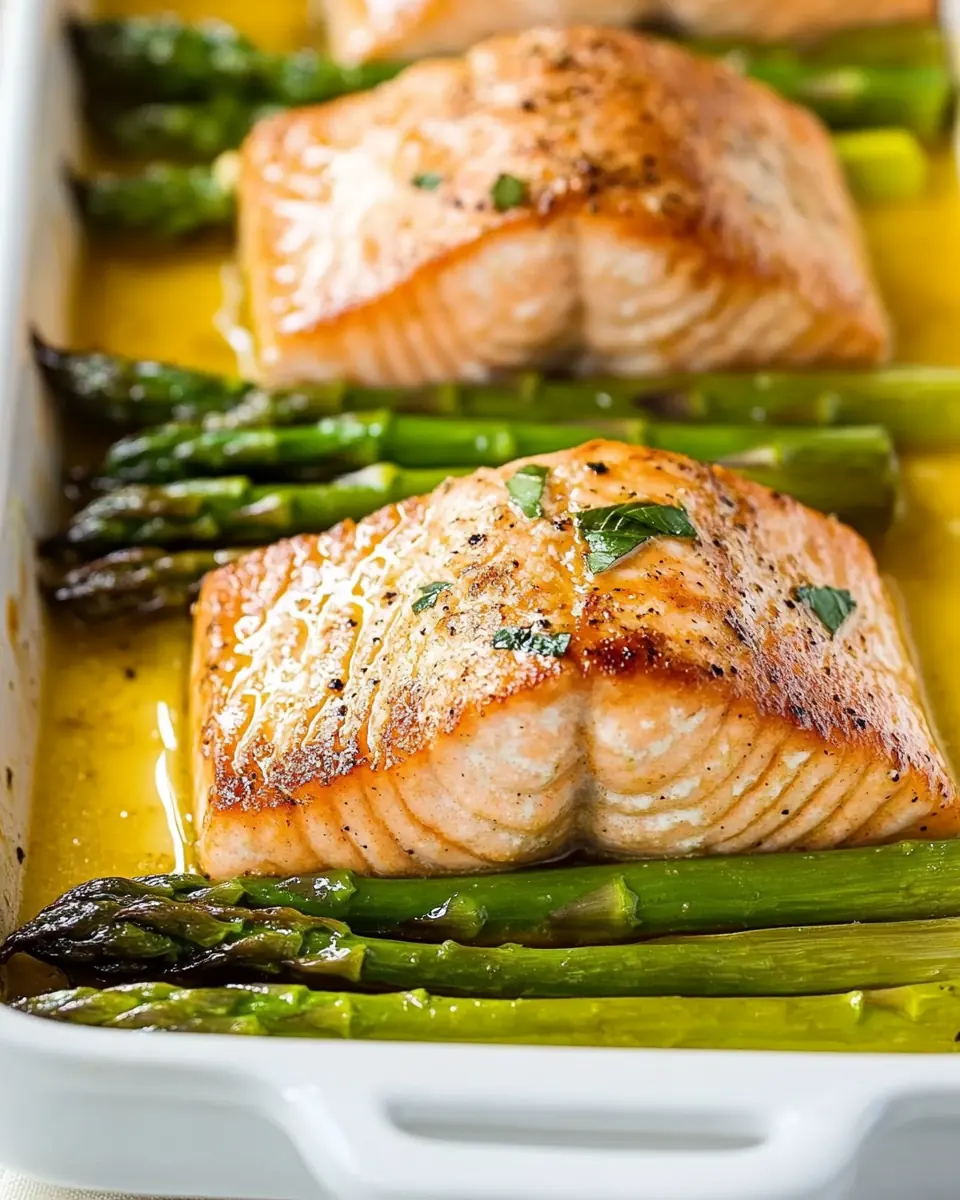
Sheet Pan Salmon and Asparagus
Ingredients
Equipment
Method
- Preheat oven to 450 F / 230 C.: The oven heat should feel intense and dry, which encourages browning on the salmon and slight char on the asparagus . You should hear the oven fan settle and feel a rising warmth when you open the door. The high temperature seals the fish surface quickly, preserving moisture inside. If your oven runs hot, rotate the pan halfway; a common mistake is assuming all ovens heat equally, which can lead to overcooked edges.
- Spray baking sheet with non-stick spray or brush with olive oil.: The pan must be lightly lubricated so the roasted bits release easily, and the oil also helps create crisp contact points. When you brush with olive oil , you should see a sheen across the metal that glints in the light. If the pan is too slick the vegetables may slide when you rearrange them, so use just enough to prevent sticking without pooling.
- Hold an asparagus piece in both hands and bend until it snaps to see how much of the woody stem you should cut off.: That audible snap is the best indicator of freshness and where the tender part begins, and the smell will be faintly green and earthy. Breaking one spear sets the trim line, which you then match across the bunch for consistent bite. Avoid cutting based on guesswork, because leaving woody stems will result in stringy, unpleasant texture.
- Then trim other pieces to that length and cut asparagus into pieces about 3 inches long.: Uniform pieces ensure even roast time and tidy presentation. You should hear a slightly crisp sound when you cut and see clean, bright green edges that may already wet a little from the plant juices. If pieces vary greatly in size they will cook unevenly, so take a moment to match lengths before spreading them on the pan.
- Put asparagus into a bowl and toss with 1 T olive oil plus salt and fresh-ground black pepper to taste.: Tossing lets every surface get a thin coating so edges caramelize without burning. You should notice a glossy finish and the pepper specks clinging to the stalks. If you overdress them they will release moisture and steam, preventing that desirable browning, so use a light hand with the oil.
- Spread out asparagus onto baking sheet so it’s in a single layer and roast for 5 minutes (or slightly longer if the asparagus pieces are extra thick.): Single layer roasting lets air circulate and produces those little charred tips. When you open the oven after this stage you should smell green sweetness and see brightening of the stalks. If the asparagus overlaps, it will steam rather than roast, losing crisp edges, so reorganize the pieces for space.
- While asparagus roasts use a microplane grater or small grater to zest the lemon rinds into a small measuring cup. (I used all the zest, but if you’re not that crazy about lemon zest you may not want it all.): Zesting releases aromatic oils that are intensely fragrant, and you will notice a fragrant citrus mist as you grate. The zest should be fine and delicate, not bulky, which allows it to disperse evenly in the lemon oil. Avoid zesting into the white pith, which can deliver bitterness and dull the bright character.
- Squeeze lemon juice into a small bowl, then measure 2 T juice and add to the lemon zest. (see notes): Fresh juice brings sharpness that brightens the whole plate, and measuring ensures balance so the oil does not become overly acidic. When you taste the juice it should be lively and clear, with no off notes. If the lemons are dry, reduce the juice and compensate with a touch more oil to keep the emulsion from becoming too tart.
- Whisk 3 T extra virgin olive oil into the lemon zest-juice, then set the lemon oil aside.: Whisking creates a harmonious lemon oil that glazes the fish and vegetables when finished, and you will see the mixture become slightly glossy and cohesive. The aroma will be heady and lemon forward, promising bright flavor at the end. If you skip whisking and pour straight, the flavors might separate, so take a moment to blend them well for a silky finish.
- Rub each piece of salmon on both sides with the other tablespoon of olive oil.: Coating the salmon with oil helps heat transfer and encourages a gentle crust to form without sticking. The flesh should look moist and slightly shiny after rubbing. Avoid using too much oil which can cause excessive smoking in the oven, and do not rub at room temperature for too long or the fish may become soft and lose structure.
- Season salmon with salt and fresh ground black pepper to taste, and rub with Szeged Fish Rub.: Seasoning builds an exterior flavor layer that complements the natural taste of the salmon . You should see the rub gently adhere, and when you press it in it releases savory aromas. A common mistake is oversalting; if your rub already contains salt, reduce additional salt to avoid an overly salty final bite.
- After 5 minutes, push the asparagus over so there is room and put the salmon pieces on the baking sheet.: Moving the asparagus creates dedicated space so each salmon fillet gets direct heat. The fish should sit skin side down if skin is present, and you will notice the pan sizzling slightly as the cold fish hits the hot surface. Avoid crowding the fillets which traps steam and prevents proper browning.
- Put salmon and asparagus back into oven and roast for about 10 minutes longer (or possibly 1-2 minutes longer if your salmon pieces are extra thick.): During this period you will smell richer, roasted notes and see the fish edges firm and lightly colored. The asparagus will continue to soften and may darken in spots, creating complex flavor. A common pitfall is walking away for longer than directed; check a minute earlier if your fillets are thin to prevent overcooking.
- This is done when the asparagus is starting to soften and salmon feels barely firm to the touch.: The tactile test is the best doneness indicator, the fish should give slightly under pressure but not feel mushy, and the asparagus should yield but remain with a little bite. You might notice the salmon's color change from translucent to opaque, with juices collecting at the top when it is ready. If it feels firm all the way through, it is likely overcooked, so remove as soon as you feel that gentle resistance.
- Drizzle desired amount of lemon oil over salmon and asparagus and serve.: The final drizzle brings a glossy finish and a burst of citrus aroma, and you should taste a bright lift that ties the components together. The oil will bead on the fish and settle into the pan juices, creating a simple sauce. Avoid pouring too early, as heat can dull the fresh lemon aroma; add it at the table for best impact.
Notes
- Choose even fillets to ensure uniform cooking, pick similar sized salmon portions so each piece reaches doneness at the same moment.
- Dry the fish well pat the salmon dry before oiling and seasoning to help the surface brown and prevent steaming.
- Zest before you juice to avoid removing fragrant oils mixed with the juice, this keeps the lemon flavor bright and aromatic.
- Use a good quality olive oil because it carries flavor into the fish and vegetables, a delicate oil can change the final taste.
- Space items on the pan leaving gaps for air circulation promotes even roasting and crisp edges on both the salmon and asparagus.