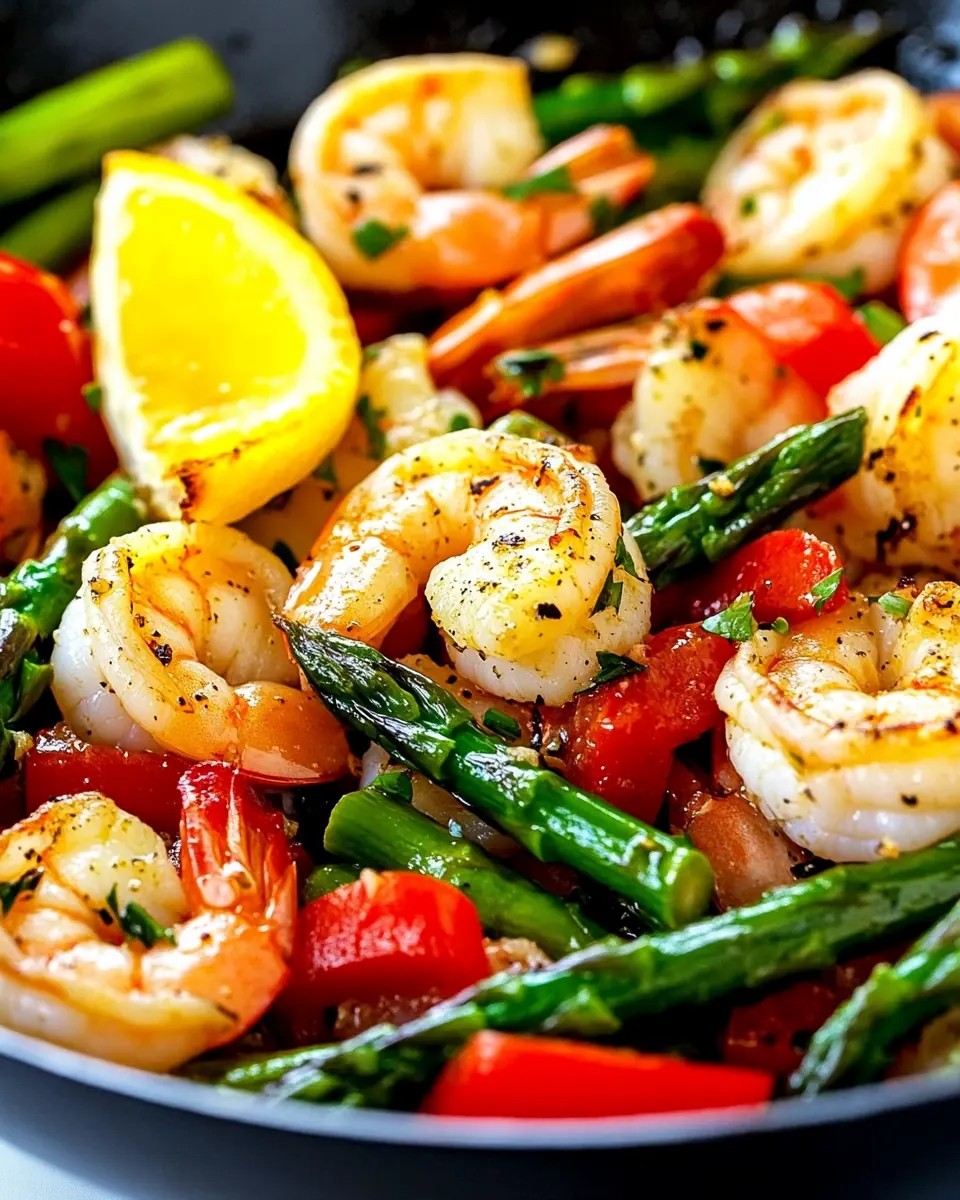
In a medium bowl, combine 1 pound peeled and deveined shrimp, 1/2 teaspoon salt, 1/4 teaspoon ground black pepper, 1 tablespoon of the 3 tablespoons extra virgin olive oil, 1 tablespoon fresh lemon juice, 1/2 teaspoon lemon zest, and 1 tablespoon minced garlic.: The aroma of raw garlic mingling with citrus is immediate and bright, and when you toss the shrimp in this mixture you can almost smell how the lemon will lift the seafood. Marinating briefly lets the salt and acid begin to season the proteins without cooking them, enhancing the shrimp flesh so it stays juicy once seared. I always pat the shrimp dry before combining to prevent excess moisture, which can block browning. One mistake people make is marinating too long in acid, which firms the shrimp into a ceviche like texture rather than a tender, cooked bite.
Heat a large 12-inch skillet over medium heat and add 1 tablespoon of the reserved 2 tablespoons olive oil. Once the oil is hot add 1/4 cup minced shallots to the skillet. Stir and cook until tender and fragrant, about 1 minute.: You will hear a soft sizzle as the shallots hit the oil and their scent will bloom quickly, turning sweeter and less sharp. Cooking them until just softened creates a savory foundation for the rest of the pan without caramelizing them into sweetness. Use medium heat so they release their aroma but do not burn, as burned shallots become bitter. A frequent error is cranking the heat and letting them scorch, which ruins the subtle layers you want beneath the shrimp .
Add the shrimp in one even layer to the skillet. Cook for 2 minutes, not moving the shrimp. Flip shrimp over and cook until just cooked through, about 1 minute. Transfer to a clean plate.: When you lay the shrimp in the skillet you should immediately hear a crisp sizzle and see the edges start to turn opaque. Leaving them undisturbed for those initial minutes lets a golden sear form, adding texture and depth. Flip and finish briefly so the centers remain tender and slightly translucent at the core if small, or just opaque if larger. Listen for a popping, sizzling sound and watch for the flesh to curl modestly; that indicates doneness. Overcooking is the most common mistake here, which yields rubbery, dry shrimp .
Add the remaining 1 tablespoon of olive oil to the skillet. Once hot, add 1 bunch trimmed asparagus cut into 2-inch pieces and cook until crisp-tender, about 3 to 4 minutes. Add 1 cup halved cherry tomatoes and cook for 1 minute.: The second addition of extra virgin olive oil refreshes the pan and ensures the asparagus seats in a hot surface for quick browning. You want a satisfying snap when you bite into the spears, and 3 to 4 minutes usually gets you there while keeping the bright green color. Adding the cherry tomatoes near the end releases a little of their juice, creating a light pan sauce that clings to the vegetables and the reserved shrimp . A misstep is cutting the asparagus unevenly, which causes some pieces to overcook while others stay tough.
Add the shrimp back to the skillet and cook for about 1 minute, just until it's heated through. Season with salt and pepper to taste.: As the shrimp returns to the pan it reunites with the warm juices and aromatics, and that short reheating keeps them tender while allowing flavors to mingle. Stirring once or twice lets everything coat in the glossy oil and citrus, and tasting at this point helps you adjust seasoning. If you underseason, the dish will taste flat, but if you overdo the salt you cannot take it back, so add cautiously and taste as you go. A frequent oversight is overheating during this step, which risks turning the shrimp rubbery.
Serve immediately with lemon wedges.: The final bright hit of lemon squeezed over the skillet just before serving elevates the whole plate, sharpening flavors and adding freshness. Presentation matters, and a few wedges on the side invite guests to customize acidity. Serve while the skillet is hot to preserve the texture contrasts between warm shrimp and crisp-tender asparagus . Letting it sit too long will soften the vegetables and dull the citrus notes, so get it to the table promptly.