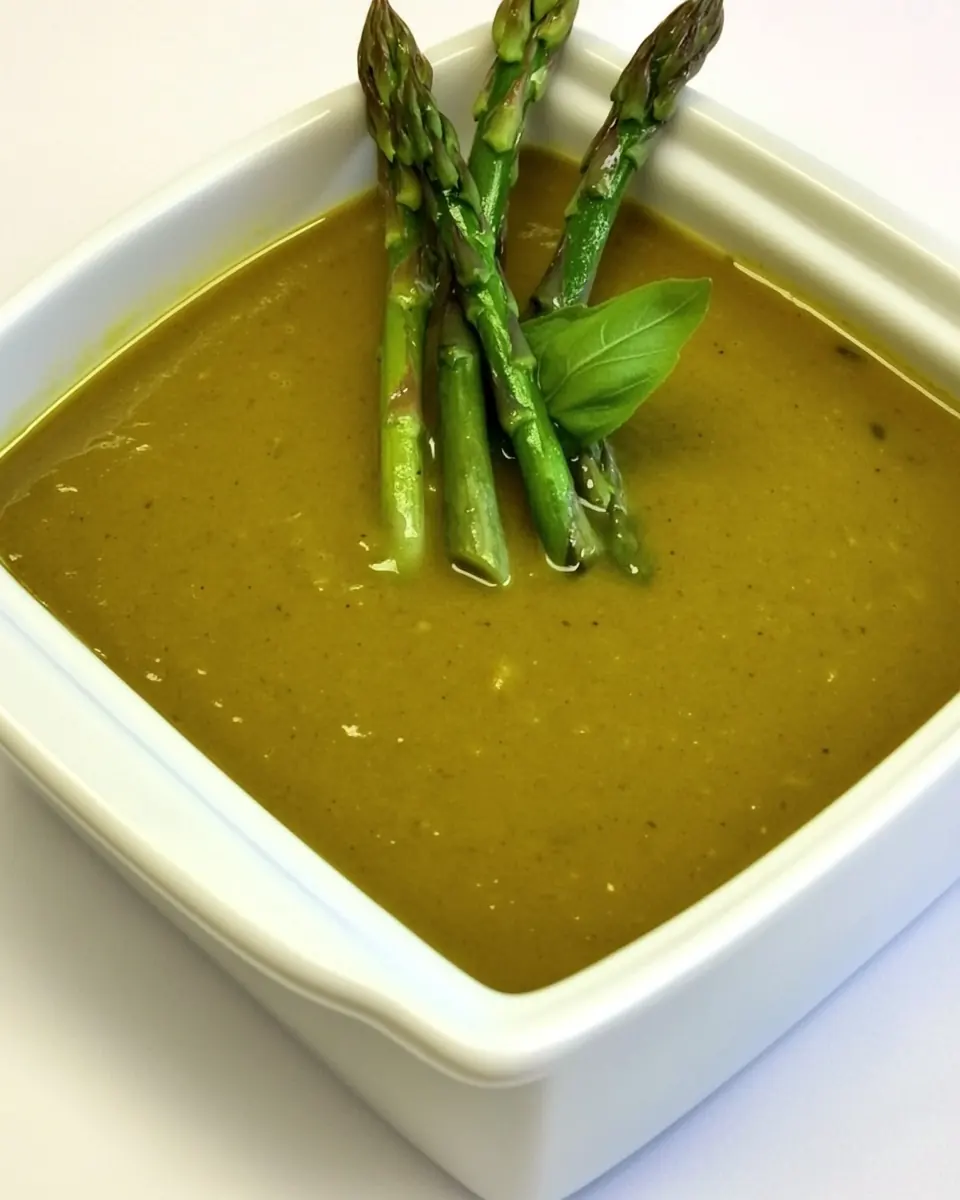
If using a double boiler with a steamer insert, add 2" to 3" of water to the bottom pot, add asparagus to the insert, cover. Heat water to boiling, reduce heat to low and steam until tender, about 20 minutes. Cool 15 minutes before pureeing.: You will notice a clean vegetal steam rising, and the asparagus should sizzle gently as the steam hits it, a soft whisper rather than a roar. Steaming for the right amount of time concentrates the asparagus flavor and keeps the stalks bright green, which matters because overcooking will make the puree dull and murky. One common mistake is crowding the steamer which causes uneven tenderness, so give the asparagus room, and check the tips and stalks for consistent softness. When done, the asparagus should pierce easily with a fork but not be falling apart, and the kitchen fragrance will shift from sharp green to a mellow, sweet vegetable aroma; this tells you the sugars are released and the base is ready.
While asparagus is steaming, add oil to a small skillet, heat to medium-low, add onions, sauté until tender, approximately 5 minutes. Add garlic and sauté one additional minute. Remove from heat, add onion, garlic, and cooled asparagus to a food processor or use an immersion blender, pulse until pureed.: As the water moves from a rolling boil to a steady simmer, the steam becomes gentler, which helps the asparagus cook through without turning mushy. You should hear a soft bubbling from the pot below and see the asparagus change from a matte to a glossier hue; that visual cue means the cell walls have softened and the stalks will puree smoothly. Avoid letting the water return to a full, vigorous boil while steaming, because too hot steam can overcook the tips first and leave stalks underdone. If you test one piece and it’s tender along the entire length, you’re on track; otherwise continue in short increments to avoid overshooting the tenderness.
Add puree to a large pot along with cayenne, salt and pepper. And broth and stir. Bring to a boil on medium heat, reduce to a simmer and cook 15 minutes. Add milk and continue to cook until hot, approximately 5 minutes. Garnish with a sprinkle of parmesan cheese and a dash of cayenne pepper.: The cooled asparagus will retain more of its vivid green color and the puree will be less likely to heat up the blender or food processor too quickly, which can cause steam pressure and uneven texture. You will notice the steam subsiding and the aroma mellowing during this rest, and the flesh becomes firmer to the touch, making it easier to handle. A frequent oversight is pureeing immediately while the vegetable is scorching hot, leading to a thinner texture and potential safety issues from steam release. Letting it cool also gives you time to finish the sautéed aromatics properly and assemble everything for a smooth blending step.
While asparagus is steaming, add oil to a small skillet, heat to medium-low, add onions, sauté until tender, approximately 5 minutes: The smell of sweetening onion is a comforting cue, and you should see the edges go translucent and soft, not brown. Medium-low heat encourages slow caramelization, coaxing out sugar without burning, which contributes a gentle backbone to the soup. Stir occasionally so it softens evenly and listens for the subtle change in sound from a faint sizzle to quiet bubbling; that shift indicates moisture release and proper softening. A common pitfall is turning the heat too high, which will brown the onion and shift the flavor toward bitter rather than sweet, altering the delicate balance with the asparagus.
Add garlic and sauté one additional minute: Garlic offers a quick aromatic boost, and in that single minute it will toast and fill the kitchen with a warm scent. You should notice the aroma blossom rapidly, but take care because garlic can go from fragrant to burnt very quickly; a teaspoon of oil and gentle stirring will keep it golden. Overcooking creates a bitter note that is hard to mask in a light soup, so watch closely and remove the skillet from heat as soon as the garlic becomes fragrant. This brief sauté builds savory depth that balances the vegetable brightness, setting up a more rounded final flavor.
Remove from heat, add onion, garlic, and cooled asparagus to a food processor or use an immersion blender, pulse until pureed: When you puree these ingredients together you will see the color deepen to a uniform green and the texture transform into a velvety mass that holds together when lifted. Pulsing rather than running continuously prevents overheating and gives you control over the final texture, allowing for a slightly chunky or ultra smooth result. A typical error here is blending too long at high speed which warms the mixture and can thin it out; pulse in short bursts and scrape down the sides to ensure even consistency. The aroma will be intensely vegetal and aromatic, promising a bright yet smooth soup once returned to the pot.
Add puree to a large pot along with cayenne, salt and pepper: Once in the pot the puree should glisten and release a concentrated green scent, the spices melding immediately and lifting the profile. Stirring at this stage incorporates seasoning into the body of the soup and prevents pockets of unseasoned puree. The cayenne should be a subtle warmth rather than heat that dominates, so start small and adjust after simmering, because flavors deepen with cooking. A mistake to avoid is over-salting early on before the broth is added, since the liquid will spread and concentrate the seasoning differently; season lightly and taste as you go.
And broth and stir: Adding the broth thins the puree into soup and contributes savory complexity, and you should stir until the texture looks even and glossy. The pot will shift from a dense paste to a gently moving soup, and you may notice steam rising and a layered aroma as the broth integrates with the vegetable puree. Use a wooden spoon to make sure nothing sticks to the bottom, which can scorch and add an unwanted toasted flavor. If the soup seems too thick after adding all the broth, a splash more can bring it to the desired consistency without diluting flavor heavily.
Bring to a boil on medium heat, reduce to a simmer and cook 15 minutes: As the soup comes to a boil the aromas will open up and the surface will breathe small, steady bubbles when you reduce to a simmer. This gentle cook time allows flavors to marry and the raw edge of the vegetables to soften into a cohesive taste. Keep an eye on the pot and maintain a low simmer rather than a rolling boil, which can break down the color and texture too quickly. A common mistake is walking away and letting it boil hard, which may reduce the liquid too much and concentrate seasoning into an unbalanced finish.
Add milk and continue to cook until hot, approximately 5 minutes: Introducing the milk at the end smooths and rounds the mouthfeel, creating a luscious finish without heavy cream. As you heat it, you should see a faint steam and a glossy surface sheen indicating the milk has warmed but not curdled. Stir gently and keep the temperature moderate so the dairy incorporates fully and stays smooth; sudden high heat can cause curdling or scorch the milk. If the soup reads slightly thin after adding milk, a brief gentle simmer helps meld the texture into a satisfying, cohesive bowl.
Garnish with a sprinkle of parmesan cheese and a dash of cayenne pepper: The final garnishes add contrast, parmesan bringing savory umami and a creamy salty lift, while cayenne gives a finishing warmth. You will see the cheese melt slightly on contact, forming little glossy pearls, and the cayenne dots will perk up the soup visually and on the palate. Avoid overdoing the cheese which can overwhelm the lightness of the soup; a modest sprinkle is enough to enhance. Serve hot, and enjoy the layered aromas and balanced flavors that make each spoonful gratifying.