Skinny Cream of Asparagus Soup
Skinny Cream of Asparagus Soup is the kind of bowl I reach for when spring mornings still carry a chill but the markets are full of tender green asparagus. The first time I made this soup I was drawn to its bright color and silky texture, a humble vegetable turned comforting and elegant. I remember standing over the steamer, watching the stalks soften and releasing that fresh, green aroma that always tells me the soup is headed in the right direction.
There is a gentle rhythm to making Skinny Cream of Asparagus Soup, a series of small rituals that add up to something cozy yet light. Sautéing the onion until it loosens up and gives off a sweet fragrance, then adding the garlic for a quick toast of aroma, always feels like opening the door to the whole meal. Later, when the asparagus cools and I pulse it into a verdant puree, the kitchen fills with a bright, green perfume that promises freshness in every spoonful.
I often serve this when friends drop by for a simple lunch, or when I want a soothing starter before a lively dinner. It’s one of those recipes that makes me feel both practical and indulgent, because it’s low in fat yet full of creamy mouthfeel thanks to the careful balance between broth and a splash of milk. Over time I’ve learned little tweaks that make it sing, but the heart of it remains the vegetable and the patient cooking that brings out its sweetness and depth.
Recipe Snapshot
55 mins
10 mins
45 mins
Medium
150 kcal
American
Keto, Gluten-Free
Soups
Steamer or double boiler, Small skillet, Food processor or immersion blender, Large pot
Why This Skinny Cream of Asparagus Soup Stands Out
Bright seasonal flavor
I love Skinny Cream of Asparagus Soup because the asparagus shines. When you steam the stalks until tender, that fresh, green flavor becomes concentrated and vibrant, and it carries through every spoonful. I always feel like I can taste the season with each bite.
Comfort without heaviness
This recipe gives you a silky texture without piling on fat. Using a mix of broth and a modest amount of milk keeps the soup light, yet satisfyingly creamy. For me, that balance is everything when I want comfort food that won’t weigh me down.
Easy, approachable technique
I appreciate how methodical the steps are. Steaming, sautéing, then pureeing is straightforward and forgiving. You don’t need complicated equipment to get gorgeous results, and that makes this a weekday favorite I’m comfortable serving to guests as well.
Customizable and forgiving
There’s room to personalize without breaking the recipe. A pinch more cayenne pepper for warmth, a sprinkle of parmesan at the end for umami, or choosing chicken broth or vegetable broth to suit your pantry, all work great. I often tweak the seasoning depending on who I’m cooking for, and it always responds well.
Healthy and seasonal showcase
Beyond taste, this soup feels like a celebration of spring produce. It’s a light, nourishing first course that highlights vegetables in a way I enjoy sharing. When asparagus is in season, this recipe becomes my go to way to showcase it.
Ingredient List for Skinny Cream of Asparagus Soup
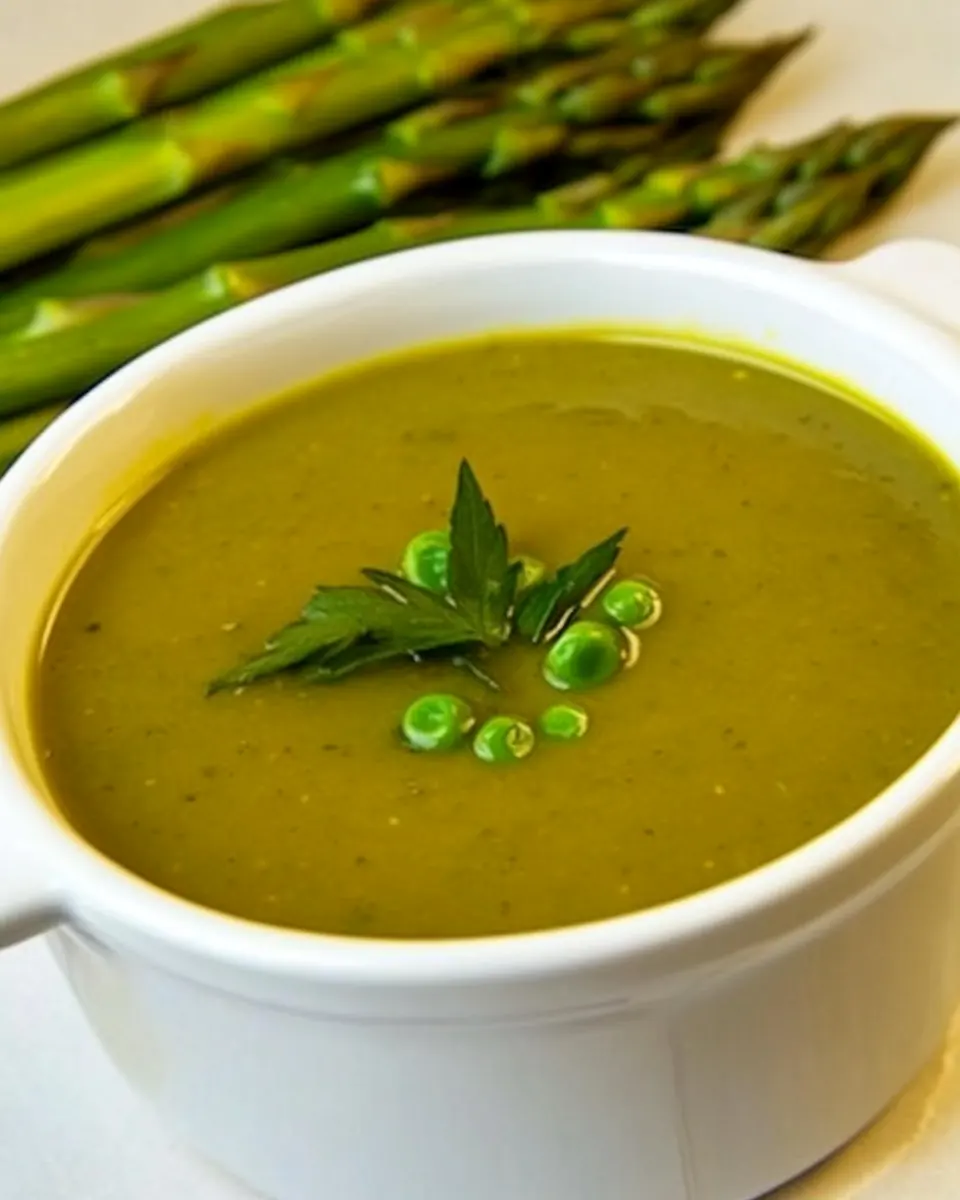
These ingredients work together to create a soup that tastes light yet layered. The key players are the asparagus, which brings fresh vegetal notes, and the combination of broth and milk, which gives body without heaviness. Aromatics like onion and garlic form the savory base, while the seasoning lifts the final bowl. Each component is simple, but when balanced they create a bright, silky soup that feels thoughtful and comforting.
- 1 pound green asparagus: Trimmed and cut into pieces to provide the soup's fresh, vegetal backbone; cooks quickly and becomes tender when simmered, releasing a bright, slightly grassy flavor. Pureeing the asparagus yields a silky texture and vibrant green color that defines the dish. Fibrous woody ends should be discarded to avoid toughness and bitterness.
- 1 sweet onion diced: Finely diced to add a sweet, aromatic base that balances the asparagus' earthiness; gently sautéing softens its sharpness and builds depth through caramelization. Provides body and subtle natural sugars that enhance overall flavor without overpowering.
- 1 garlic clove minced: Minced to contribute a warm, savory pungency and aromatic lift; added early in cooking it mellows and integrates, while added late preserves a sharper bite. Small pieces distribute flavor evenly through the creamy puree.
- 3 cups chicken or vegetable broth, fat-free, low-sodium: Used as the primary cooking liquid to simmer the vegetables and form the bulk of the soup; choosing low-sodium and fat-free keeps the recipe light while controlling overall salt and fat content. Contributes savory umami notes that deepen the final flavor.
- 1/2 cup milk: Poured in sparingly to add creaminess and mellow acidity without making the soup heavy; helps achieve a smoother mouthfeel when blended and can be adjusted for desired richness. Using low-fat milk maintains the recipe's light profile.
- 1 tablespoon basil freshly chopped: Freshly chopped to impart a fragrant, sweet-herb lift that brightens the soup; stirred in toward the end preserves its delicate flavor and aroma. Complements the asparagus with subtle Mediterranean herbal notes.
- 1/2 teaspoon black pepper: Ground to season the soup with a mild heat and aromatic complexity; should be adjusted to taste to avoid overpowering delicate asparagus flavors. Enhances overall seasoning and balances richness from milk.
- dash of cayenne pepper: Added as a small pinch to introduce a sharp, warming heat that enlivens the soup; used sparingly to provide contrast to the creamy texture without dominating. Balances flavors and adds a subtle kick.
- sea salt to taste: Used to adjust seasoning to personal taste and enhance all other flavors; added at the end allows precise control over saltiness. Sea salt's clean mineral notes lift the soup without masking delicate ingredients.
How to Cook Skinny Cream of Asparagus Soup
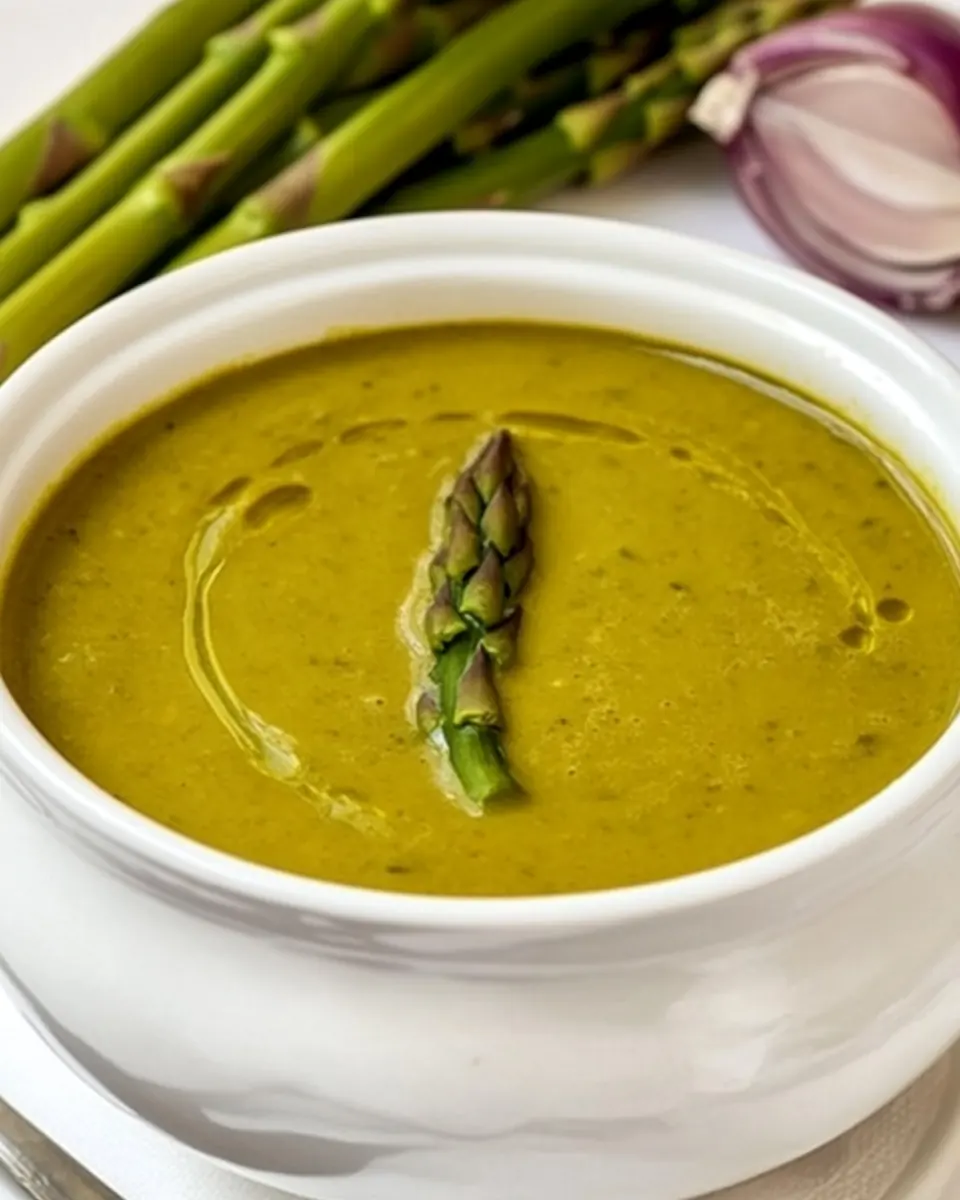
This recipe flows through steaming, sautéing, pureeing, and simmering, and the techniques are simple but purposeful. I like to keep the rhythm steady and pay attention to sensory cues the whole time, because small changes in texture or aroma tell you when the soup is right. Below I break the directions into clear steps and share what to watch for so your soup comes out beautifully.
- If using a double boiler with a steamer insert, add 2" to 3" of water to the bottom pot, add asparagus to the insert, cover. Heat water to boiling, reduce heat to low and steam until tender, about 20 minutes. Cool 15 minutes before pureeing.: You will notice a clean vegetal steam rising, and the asparagus should sizzle gently as the steam hits it, a soft whisper rather than a roar. Steaming for the right amount of time concentrates the asparagus flavor and keeps the stalks bright green, which matters because overcooking will make the puree dull and murky. One common mistake is crowding the steamer which causes uneven tenderness, so give the asparagus room, and check the tips and stalks for consistent softness. When done, the asparagus should pierce easily with a fork but not be falling apart, and the kitchen fragrance will shift from sharp green to a mellow, sweet vegetable aroma; this tells you the sugars are released and the base is ready.
- While asparagus is steaming, add oil to a small skillet, heat to medium-low, add onions, sauté until tender, approximately 5 minutes. Add garlic and sauté one additional minute. Remove from heat, add onion, garlic, and cooled asparagus to a food processor or use an immersion blender, pulse until pureed.: As the water moves from a rolling boil to a steady simmer, the steam becomes gentler, which helps the asparagus cook through without turning mushy. You should hear a soft bubbling from the pot below and see the asparagus change from a matte to a glossier hue; that visual cue means the cell walls have softened and the stalks will puree smoothly. Avoid letting the water return to a full, vigorous boil while steaming, because too hot steam can overcook the tips first and leave stalks underdone. If you test one piece and it’s tender along the entire length, you’re on track; otherwise continue in short increments to avoid overshooting the tenderness.
- Add puree to a large pot along with cayenne, salt and pepper. And broth and stir. Bring to a boil on medium heat, reduce to a simmer and cook 15 minutes. Add milk and continue to cook until hot, approximately 5 minutes. Garnish with a sprinkle of parmesan cheese and a dash of cayenne pepper.: The cooled asparagus will retain more of its vivid green color and the puree will be less likely to heat up the blender or food processor too quickly, which can cause steam pressure and uneven texture. You will notice the steam subsiding and the aroma mellowing during this rest, and the flesh becomes firmer to the touch, making it easier to handle. A frequent oversight is pureeing immediately while the vegetable is scorching hot, leading to a thinner texture and potential safety issues from steam release. Letting it cool also gives you time to finish the sautéed aromatics properly and assemble everything for a smooth blending step.
- While asparagus is steaming, add oil to a small skillet, heat to medium-low, add onions, sauté until tender, approximately 5 minutes: The smell of sweetening onion is a comforting cue, and you should see the edges go translucent and soft, not brown. Medium-low heat encourages slow caramelization, coaxing out sugar without burning, which contributes a gentle backbone to the soup. Stir occasionally so it softens evenly and listens for the subtle change in sound from a faint sizzle to quiet bubbling; that shift indicates moisture release and proper softening. A common pitfall is turning the heat too high, which will brown the onion and shift the flavor toward bitter rather than sweet, altering the delicate balance with the asparagus.
- Add garlic and sauté one additional minute: Garlic offers a quick aromatic boost, and in that single minute it will toast and fill the kitchen with a warm scent. You should notice the aroma blossom rapidly, but take care because garlic can go from fragrant to burnt very quickly; a teaspoon of oil and gentle stirring will keep it golden. Overcooking creates a bitter note that is hard to mask in a light soup, so watch closely and remove the skillet from heat as soon as the garlic becomes fragrant. This brief sauté builds savory depth that balances the vegetable brightness, setting up a more rounded final flavor.
- Remove from heat, add onion, garlic, and cooled asparagus to a food processor or use an immersion blender, pulse until pureed: When you puree these ingredients together you will see the color deepen to a uniform green and the texture transform into a velvety mass that holds together when lifted. Pulsing rather than running continuously prevents overheating and gives you control over the final texture, allowing for a slightly chunky or ultra smooth result. A typical error here is blending too long at high speed which warms the mixture and can thin it out; pulse in short bursts and scrape down the sides to ensure even consistency. The aroma will be intensely vegetal and aromatic, promising a bright yet smooth soup once returned to the pot.
- Add puree to a large pot along with cayenne, salt and pepper: Once in the pot the puree should glisten and release a concentrated green scent, the spices melding immediately and lifting the profile. Stirring at this stage incorporates seasoning into the body of the soup and prevents pockets of unseasoned puree. The cayenne should be a subtle warmth rather than heat that dominates, so start small and adjust after simmering, because flavors deepen with cooking. A mistake to avoid is over-salting early on before the broth is added, since the liquid will spread and concentrate the seasoning differently; season lightly and taste as you go.
- And broth and stir: Adding the broth thins the puree into soup and contributes savory complexity, and you should stir until the texture looks even and glossy. The pot will shift from a dense paste to a gently moving soup, and you may notice steam rising and a layered aroma as the broth integrates with the vegetable puree. Use a wooden spoon to make sure nothing sticks to the bottom, which can scorch and add an unwanted toasted flavor. If the soup seems too thick after adding all the broth, a splash more can bring it to the desired consistency without diluting flavor heavily.
- Bring to a boil on medium heat, reduce to a simmer and cook 15 minutes: As the soup comes to a boil the aromas will open up and the surface will breathe small, steady bubbles when you reduce to a simmer. This gentle cook time allows flavors to marry and the raw edge of the vegetables to soften into a cohesive taste. Keep an eye on the pot and maintain a low simmer rather than a rolling boil, which can break down the color and texture too quickly. A common mistake is walking away and letting it boil hard, which may reduce the liquid too much and concentrate seasoning into an unbalanced finish.
- Add milk and continue to cook until hot, approximately 5 minutes: Introducing the milk at the end smooths and rounds the mouthfeel, creating a luscious finish without heavy cream. As you heat it, you should see a faint steam and a glossy surface sheen indicating the milk has warmed but not curdled. Stir gently and keep the temperature moderate so the dairy incorporates fully and stays smooth; sudden high heat can cause curdling or scorch the milk. If the soup reads slightly thin after adding milk, a brief gentle simmer helps meld the texture into a satisfying, cohesive bowl.
- Garnish with a sprinkle of parmesan cheese and a dash of cayenne pepper: The final garnishes add contrast, parmesan bringing savory umami and a creamy salty lift, while cayenne gives a finishing warmth. You will see the cheese melt slightly on contact, forming little glossy pearls, and the cayenne dots will perk up the soup visually and on the palate. Avoid overdoing the cheese which can overwhelm the lightness of the soup; a modest sprinkle is enough to enhance. Serve hot, and enjoy the layered aromas and balanced flavors that make each spoonful gratifying.
Pro Tips and Tweaks
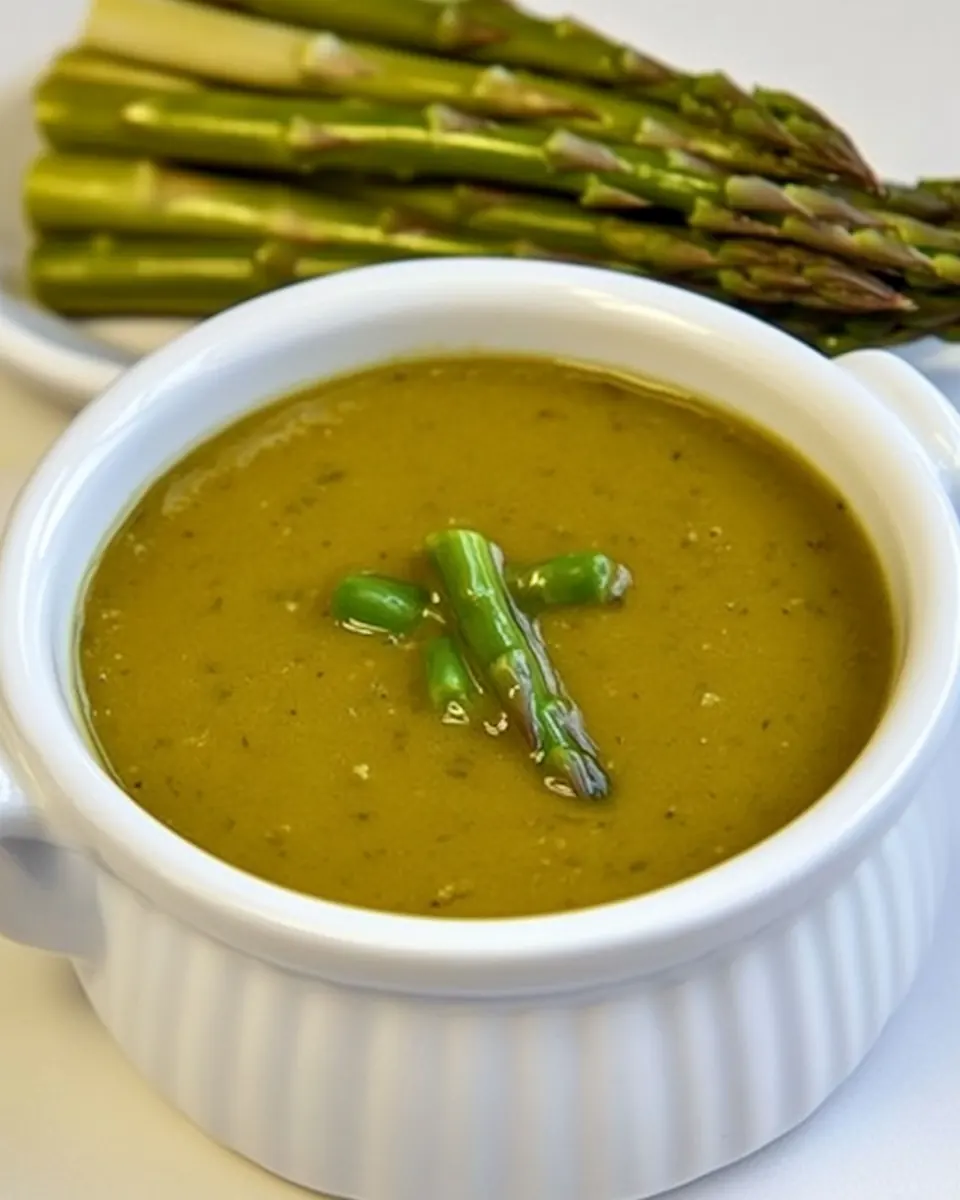
I like to think of these pro tips as shortcuts to consistently great results. They cover timing, texture, seasoning and presentation so your Skinny Cream of Asparagus Soup is always vibrant and balanced.
- Control the color Start steaming the asparagus just until fork tender to keep that vivid green, which signals freshness and a lively flavor.
- Mind the heat Keep the sauté and final warming steps at medium to low heat to avoid browning the aromatics or curdling the milk.
- Adjust seasoning last Taste after simmering and after adding milk, then finish with salt and pepper so your seasoning is accurate and not overdone.
- Use a gentle blender technique Pulse in short bursts and scrape down the sides to get an even, silky puree without overheating the mixture.
- Garnish with restraint A light sprinkle of parmesan and a tiny dash of cayenne pepper elevate the soup without overpowering its fresh asparagus character.
Side Dish Ideas for Skinny Cream of Asparagus Soup
This soup pairs beautifully with simple, textural sides that complement its silky nature. Consider bread or light salads, and remember small touches can tailor it to occasions from a casual lunch to a festive spring dinner.
- Crusty bread A warm, crusty loaf is perfect for dipping and adds a satisfying chew to contrast the soup’s silkiness.
- Light green salad A crisp salad with lemon vinaigrette refreshes the palate and keeps the meal bright for lunch or a light dinner.
- Grilled vegetables Charred vegetables offer smoky contrast that pairs nicely with the fresh asparagus flavor in the soup.
- Spring brunch Serve this as a starter for a spring brunch alongside a simple frittata to create a balanced meal.
- Make ahead and store Cool completely, refrigerate up to three days, and reheat gently on the stove; for longer storage freeze in portions and thaw in the fridge before reheating.
- Seasonal pairing This soup is ideal in spring when asparagus is at its peak, and it works well as a starter for holiday meals that celebrate seasonal produce.
FAQ
Conclusion
This soup shines because it celebrates the clean, fresh flavor of asparagus while remaining light and comforting. It’s an easy, elegant dish that works for casual lunches or as a first course for a spring dinner, and it rewards gentle techniques like steaming and slow sautéing. Give this recipe a try when asparagus is at its peak; I think you’ll be surprised at how something so simple can feel both nourishing and special. Share it with friends or enjoy a quiet bowl at home to savor seasonal produce in a silky, satisfying form.
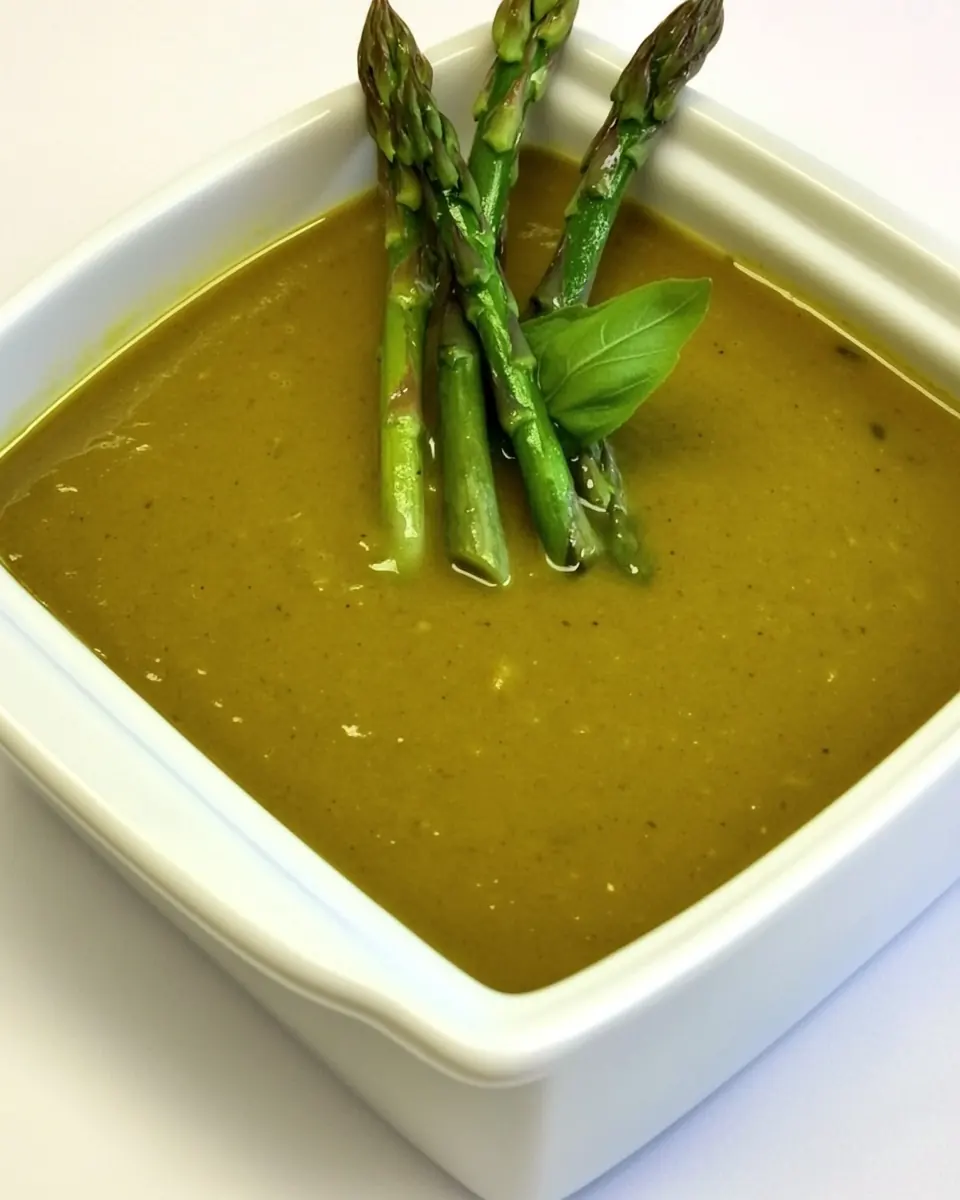
Skinny Cream of Asparagus Soup
Ingredients
Equipment
Method
- If using a double boiler with a steamer insert, add 2" to 3" of water to the bottom pot, add asparagus to the insert, cover. Heat water to boiling, reduce heat to low and steam until tender, about 20 minutes. Cool 15 minutes before pureeing.: You will notice a clean vegetal steam rising, and the asparagus should sizzle gently as the steam hits it, a soft whisper rather than a roar. Steaming for the right amount of time concentrates the asparagus flavor and keeps the stalks bright green, which matters because overcooking will make the puree dull and murky. One common mistake is crowding the steamer which causes uneven tenderness, so give the asparagus room, and check the tips and stalks for consistent softness. When done, the asparagus should pierce easily with a fork but not be falling apart, and the kitchen fragrance will shift from sharp green to a mellow, sweet vegetable aroma; this tells you the sugars are released and the base is ready.
- While asparagus is steaming, add oil to a small skillet, heat to medium-low, add onions, sauté until tender, approximately 5 minutes. Add garlic and sauté one additional minute. Remove from heat, add onion, garlic, and cooled asparagus to a food processor or use an immersion blender, pulse until pureed.: As the water moves from a rolling boil to a steady simmer, the steam becomes gentler, which helps the asparagus cook through without turning mushy. You should hear a soft bubbling from the pot below and see the asparagus change from a matte to a glossier hue; that visual cue means the cell walls have softened and the stalks will puree smoothly. Avoid letting the water return to a full, vigorous boil while steaming, because too hot steam can overcook the tips first and leave stalks underdone. If you test one piece and it’s tender along the entire length, you’re on track; otherwise continue in short increments to avoid overshooting the tenderness.
- Add puree to a large pot along with cayenne, salt and pepper. And broth and stir. Bring to a boil on medium heat, reduce to a simmer and cook 15 minutes. Add milk and continue to cook until hot, approximately 5 minutes. Garnish with a sprinkle of parmesan cheese and a dash of cayenne pepper.: The cooled asparagus will retain more of its vivid green color and the puree will be less likely to heat up the blender or food processor too quickly, which can cause steam pressure and uneven texture. You will notice the steam subsiding and the aroma mellowing during this rest, and the flesh becomes firmer to the touch, making it easier to handle. A frequent oversight is pureeing immediately while the vegetable is scorching hot, leading to a thinner texture and potential safety issues from steam release. Letting it cool also gives you time to finish the sautéed aromatics properly and assemble everything for a smooth blending step.
- While asparagus is steaming, add oil to a small skillet, heat to medium-low, add onions, sauté until tender, approximately 5 minutes: The smell of sweetening onion is a comforting cue, and you should see the edges go translucent and soft, not brown. Medium-low heat encourages slow caramelization, coaxing out sugar without burning, which contributes a gentle backbone to the soup. Stir occasionally so it softens evenly and listens for the subtle change in sound from a faint sizzle to quiet bubbling; that shift indicates moisture release and proper softening. A common pitfall is turning the heat too high, which will brown the onion and shift the flavor toward bitter rather than sweet, altering the delicate balance with the asparagus.
- Add garlic and sauté one additional minute: Garlic offers a quick aromatic boost, and in that single minute it will toast and fill the kitchen with a warm scent. You should notice the aroma blossom rapidly, but take care because garlic can go from fragrant to burnt very quickly; a teaspoon of oil and gentle stirring will keep it golden. Overcooking creates a bitter note that is hard to mask in a light soup, so watch closely and remove the skillet from heat as soon as the garlic becomes fragrant. This brief sauté builds savory depth that balances the vegetable brightness, setting up a more rounded final flavor.
- Remove from heat, add onion, garlic, and cooled asparagus to a food processor or use an immersion blender, pulse until pureed: When you puree these ingredients together you will see the color deepen to a uniform green and the texture transform into a velvety mass that holds together when lifted. Pulsing rather than running continuously prevents overheating and gives you control over the final texture, allowing for a slightly chunky or ultra smooth result. A typical error here is blending too long at high speed which warms the mixture and can thin it out; pulse in short bursts and scrape down the sides to ensure even consistency. The aroma will be intensely vegetal and aromatic, promising a bright yet smooth soup once returned to the pot.
- Add puree to a large pot along with cayenne, salt and pepper: Once in the pot the puree should glisten and release a concentrated green scent, the spices melding immediately and lifting the profile. Stirring at this stage incorporates seasoning into the body of the soup and prevents pockets of unseasoned puree. The cayenne should be a subtle warmth rather than heat that dominates, so start small and adjust after simmering, because flavors deepen with cooking. A mistake to avoid is over-salting early on before the broth is added, since the liquid will spread and concentrate the seasoning differently; season lightly and taste as you go.
- And broth and stir: Adding the broth thins the puree into soup and contributes savory complexity, and you should stir until the texture looks even and glossy. The pot will shift from a dense paste to a gently moving soup, and you may notice steam rising and a layered aroma as the broth integrates with the vegetable puree. Use a wooden spoon to make sure nothing sticks to the bottom, which can scorch and add an unwanted toasted flavor. If the soup seems too thick after adding all the broth, a splash more can bring it to the desired consistency without diluting flavor heavily.
- Bring to a boil on medium heat, reduce to a simmer and cook 15 minutes: As the soup comes to a boil the aromas will open up and the surface will breathe small, steady bubbles when you reduce to a simmer. This gentle cook time allows flavors to marry and the raw edge of the vegetables to soften into a cohesive taste. Keep an eye on the pot and maintain a low simmer rather than a rolling boil, which can break down the color and texture too quickly. A common mistake is walking away and letting it boil hard, which may reduce the liquid too much and concentrate seasoning into an unbalanced finish.
- Add milk and continue to cook until hot, approximately 5 minutes: Introducing the milk at the end smooths and rounds the mouthfeel, creating a luscious finish without heavy cream. As you heat it, you should see a faint steam and a glossy surface sheen indicating the milk has warmed but not curdled. Stir gently and keep the temperature moderate so the dairy incorporates fully and stays smooth; sudden high heat can cause curdling or scorch the milk. If the soup reads slightly thin after adding milk, a brief gentle simmer helps meld the texture into a satisfying, cohesive bowl.
- Garnish with a sprinkle of parmesan cheese and a dash of cayenne pepper: The final garnishes add contrast, parmesan bringing savory umami and a creamy salty lift, while cayenne gives a finishing warmth. You will see the cheese melt slightly on contact, forming little glossy pearls, and the cayenne dots will perk up the soup visually and on the palate. Avoid overdoing the cheese which can overwhelm the lightness of the soup; a modest sprinkle is enough to enhance. Serve hot, and enjoy the layered aromas and balanced flavors that make each spoonful gratifying.
Notes
- Control the color Start steaming the asparagus just until fork tender to keep that vivid green, which signals freshness and a lively flavor.
- Mind the heat Keep the sauté and final warming steps at medium to low heat to avoid browning the aromatics or curdling the milk.
- Adjust seasoning last Taste after simmering and after adding milk, then finish with salt and pepper so your seasoning is accurate and not overdone.
- Use a gentle blender technique Pulse in short bursts and scrape down the sides to get an even, silky puree without overheating the mixture.
- Garnish with restraint A light sprinkle of parmesan and a tiny dash of cayenne pepper elevate the soup without overpowering its fresh asparagus character.