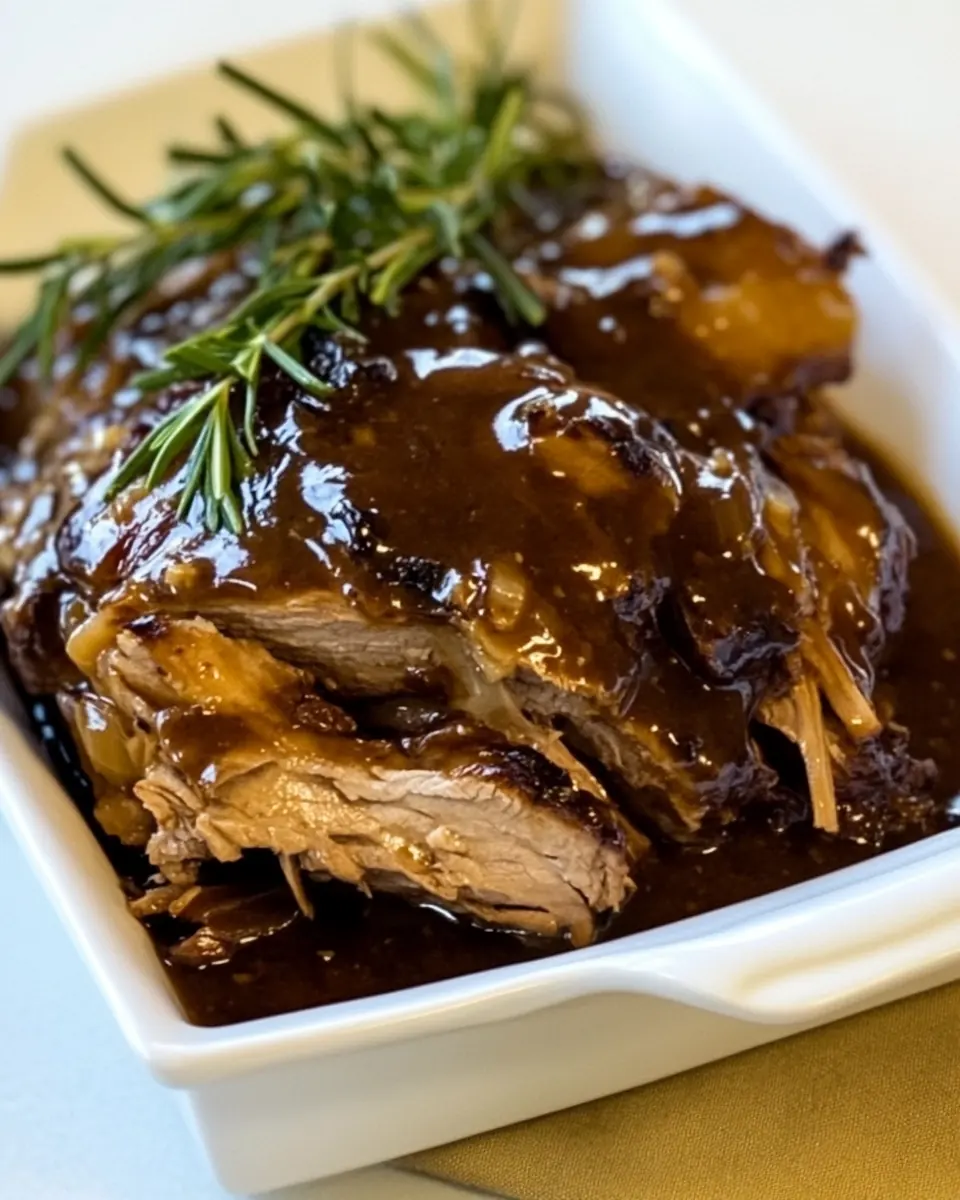
Trim as much fat as you can from roast, and cut if necessary to fit into Crockpot.: The meat should feel slightly cool and firm when you work with it; removing excess fat reduces greasy mouthfeel and lets the braising liquid penetrate the muscle. A tidy trim helps seasoning stick and prevents large pools of rendered fat in the slow cooker. One mistake is over trimming and removing all connective tissue, which would reduce the eventual silkiness, so leave some marbling in place for flavor.
Rub meat well with steak seasoning and black pepper.: Your hands will pick up the coarse aroma of the steak rub , and pressing it into the surface creates little pockets of seasoning that caramelize during searing. This layer contributes to both taste and the crust, which becomes part of the overall sauce. Avoid applying too much rub that contains a lot of salt, which can make the finished roast overly salty.
Heat pan with small amount of olive oil and brown roast well on both sides. This will take a few minutes; don’t rush the browning step.: You want the pan to hiss softly as the olive oil meets it and the roast to develop a deep mahogany crust, not a pale surface. This browning, called the Maillard reaction, builds complex savory flavors that the slow cooker cannot create on its own. Rushing this step leads to a pale, one dimensional sauce, so take your time and brown in batches if needed.
While roast browns put 1 cup beef stock in saucepan, bring to a boil and cook until reduced to 1/2 cup.: The stock should steam and thicken as water evaporates, concentrating the savory, meaty notes. You will notice a syrupy consistency and intensified aroma when reduction is complete, which is crucial for a robust sauce. Skipping reduction results in a thin, watery braising liquid that won’t cling to the meat.
While the meat browns, cut the onions and put them in the Crockpot.: The scent of fresh onion will be sharp at first, but they soften and sweeten as they cook, forming a cushion that distributes heat evenly. Laying the onion under the roast ensures they absorb meat juices, adding body to the final serving. A common error is slicing onions too thin, which makes them disintegrate and disappear into the sauce.
When the meat is brown put it in slow cooker on top of the onions, then deglaze the pan with 1/4 cup water, scraping off all browned bits, and add to reduced beef stock. Add balsamic vinegar and tomato sauce to beef stock and pour over pot roast.: You will see the pan release sticky brown bits as you add the water , and these meld with the reduced beef stock to form the base of the sauce. Adding the balsamic vinegar and tomato sauce creates a glossy, balanced braising liquid that envelopes the roast. Not scraping the pan well leaves behind valuable flavor, so be thorough when deglazing.
(Or you could stop at this point and refrigerate browned roast, cut onions and mixed sauce ingredients and then put them in the Crockpot when you go to work in the morning. Don’t refrigerate them in the crockery liner. Having the meat start out cold will add several hours to the cooking time, which will be good if you’re cooking it all day while you’re away.): The kitchen will feel quiet if you prepare elements in advance, and the chilled components must be transferred to the insert right before cooking to avoid extended cold start times, which alter cooking schedule. If you refrigerate inside the crockery liner you risk thermal shock and delayed safe heating. Avoid leaving the meat in the liner overnight because it slows the time it takes to reach safe temperatures.
Set Crockpot to low and cook 6-8 hours, until beef is tender. The meat might be partly submerged in liquid after this much time. (If I am home, I might turn the meat once or twice.): Over the long, gentle heat you will hear the faint bubble and see the fat slowly render, while the roast gives up connective tissue and becomes fork tender. Turning the meat helps it brown evenly if portions are exposed, but it is optional. A frequent mistake is cooking on high to try to speed things up, which can make the meat tough rather than tender.
Remove meat from crockpot and cover with foil to keep warm.: The meat will feel tender to the touch and may pull apart easily when tested with a fork; covering it traps heat and prevents drying while you finish the sauce. Resting also relaxes the juices so they redistribute rather than running out immediately. Do not skip resting, because slicing too soon can cause the roast to lose its juices.
Drain liquid from Crockpot and remove as much of the fat as you can with fat separator or skimmer. Cook down liquid by about 1/3 by simmering in a small pan on the stove, and serve sauce with meat and onions.: You will notice the separated fat floating on top, which you can remove for a cleaner sauce. Simmering thickens the liquid into a glossy glaze that clings to the beef and softened onion , intensifying aroma and mouthfeel. An easy mistake is to boil too vigorously when reducing, which can over concentrate and make the sauce too salty, so simmer gently until it coats the back of a spoon.