Slow Cooker Balsamic Pot Roast
Slow Cooker Balsamic Pot Roast is the kind of recipe I turn to when the day feels long and I want dinner to feel like a warm, thoughtful hug from the inside out.
Years ago I learned how to coax deep savory flavor out of a humble cut of beef by letting time and a few clever ingredients do the heavy lifting. The first time I made this dish for friends, the smell that filled the house as the crockpot worked its slow magic made everyone wander into the kitchen early, forks in hand. I remember standing there with a cup of tea, watching the glossy balsamic and tomato sauce bubble into a sticky, savory glaze, and thinking that slow cooking is equal parts patience and celebration.
There is comfort in routines that work, and this Slow Cooker Balsamic Pot Roast became a ritual: searing the meat to build flavor, layering thickly sliced onion beneath the roast so it cooks in fragrant steam, and reducing the beef stock so each spoonful of sauce is rich and concentrated. I love how the roast yields under the fork, the sauce clinging to strands of meat, and how leftovers taste even better the next day. Over time I developed little habits that keep the process easy, like reducing the stock while the roast browns, and using a quick deglaze to lift all the caramelized bits from the pan.
When days are busy and you need something that rewards you for minimal fuss, this pot roast fits right in. It’s forgiving, soulful, and full of layers of flavor that come together with very little hands on time. Trust me, once you try this version of Slow Cooker Balsamic Pot Roast, you will find yourself planning meals around the promise of that glossy, tangy sauce and fork tender meat.
Recipe Snapshot
8 hr 20 mins
20 mins
480 mins
Hard
350 kcal
American
Keto, Paleo
Dinner
Skillet, Crockpot, Saucepan, Tongs, Fat separator
Why This Slow Cooker Balsamic Pot Roast Hits Different
Rich deep flavor built on simple steps
I love that this recipe focuses on a few decisive moves to get maximum taste. Browning the chuck roast creates caramelized bits that form the foundation of the final sauce, and reducing the beef stock concentrates flavor so every mouthful is satisfying.
Hands off, big payoff
Once you get the roast seared and the sauce combined, the slow cooker does the rest. You can go about your day, and the appliance will patiently transform the ingredients into meltingly tender meat, which makes it perfect for busy weeknights or leisurely weekends.
Comforting texture contrasts
The thickly sliced onion softens and becomes almost creamy, while the roast keeps structure before it yields to a fork. That combination of the silky vegetable and meaty strands is exactly why I keep this recipe in my comfort-cooking rotation.
Tangy, balanced sauce
The interplay between the reduced beef stock, balsamic vinegar, and tomato sauce gives the dish acidity and depth without overpowering the meat. It’s bright enough to cut through richness, and round enough to feel indulgent.
Reliable crowd pleaser
I’ve brought this roast to family dinners and weekday suppers, and it always draws compliments. It’s easy to scale, and the flavors hold up well if you need to reheat leftovers, which is why I trust it for feeding a group with minimal stress.
What Goes Into Slow Cooker Balsamic Pot Roast
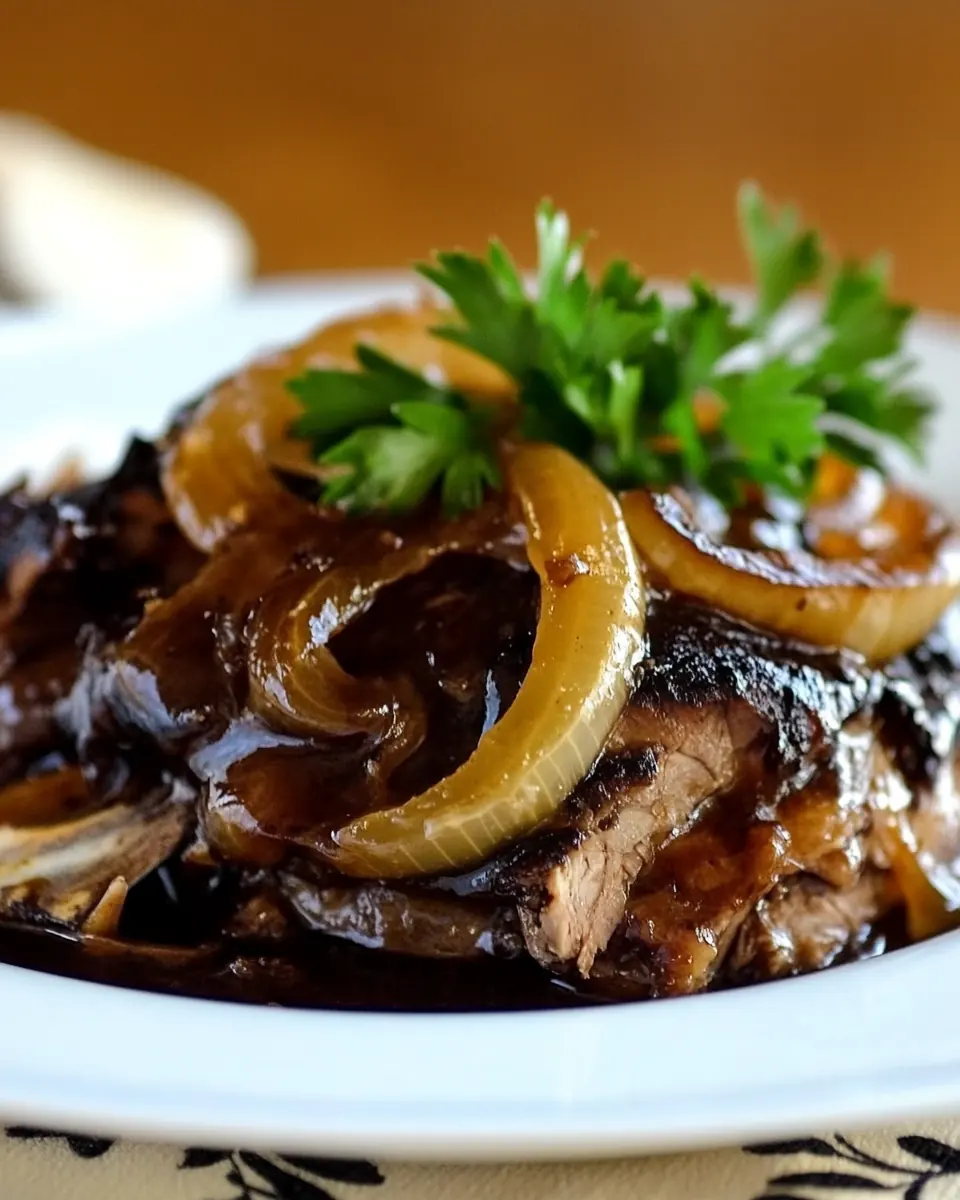
The ingredient philosophy here is straightforward: a sturdy cut of beef, aromatics that melt into the meat, and a concentrated sauce that glues everything together. The roast provides texture and depth, the onion brings sweetness and body, and the reduced beef stock plus balsamic vinegar and tomato sauce build a glossy, balanced braising liquid. Every item plays a specific role: one for structure, one for aromatics, and a few for savory balance.
- 4 pound s boneless chuck roast, fat trimmed (see notes): Trimmed and boneless, provides the primary protein and rich beefy flavor for the slow-cooked roast while yielding tender, shreddable meat after long braising; choose chuck for its marbling which breaks down into gelatin, enriching the sauce and mouthfeel. Keep fat trimmed as noted to control greasiness while preserving enough connective tissue for succulence during slow cooking.
- 1 T steak rub (see notes): Seasoned with a concentrated savory blend, adds depth, umami, and a crust-forming flavor layer that complements the beef; rub into the roast before searing to enhance the overall seasoning profile. Use as directed to balance the balsamic tang and tomato sweetness in the finished dish.
- black pepper to taste: Ground to taste, provides background heat and aromatic sharpness that brightens the rich, slow-cooked meat and balances the vinegar and tomato notes. Add gradually and adjust at the end to avoid overpowering the other flavors.
- 1 T olive oil (depends on your pan): Used for searing, contributes caramelized brown crust and Maillard flavors on the roast when heated before slow cooking; choose the amount based on pan size to prevent sticking without excess oil. Searing in olive oil also helps deglaze and capture browned bits that enrich the sauce.
- 1/4 cup water to deglaze pan: Poured to deglaze the hot pan, loosens browned fond and captures concentrated savory compounds to incorporate into the cooking liquid; water helps lift flavorful bits from searing without altering seasoning. Use the specified small amount to extract maximum flavor while keeping the sauce intensity.
- 2 large onions, peeled and thickly sliced: Sliced and layered around the meat, supply sweet and aromatic complexity as they soften and partially dissolve during long cooking; onions contribute body to the sauce and mellow into a savory-sweet background. Thick slices hold up to slow cooking and can be mashed into the gravy or served alongside the roast.
- 1 cup beef stock, reduced to 1/2 cup (see notes): Concentrated by reduction, supplies a rich beefy base and depth to the braising liquid while intensifying savory notes; reducing the stock concentrates flavors and avoids diluting the sauce. Add the reduced stock to the slow cooker to ensure a robust, well-balanced gravy.
- 1/2 cup balsamic vinegar (see notes): Tangy and slightly sweet, brings brightness and acidity that balances the richness of the beef and the reduced stock while adding a subtle fruity complexity. Incorporate as directed to cut through the fat and round out the sauce’s flavor profile.
- 1/2 cup tomato sauce (see notes): Thick and tomato-forward, contributes body, slight sweetness, and an acidic backbone that melds with the balsamic and stock to create a cohesive braising liquid; helps thicken the sauce as it simmers. Use the specified amount to achieve the intended balance without overpowering the balsamic character.
How to Assemble Slow Cooker Balsamic Pot Roast
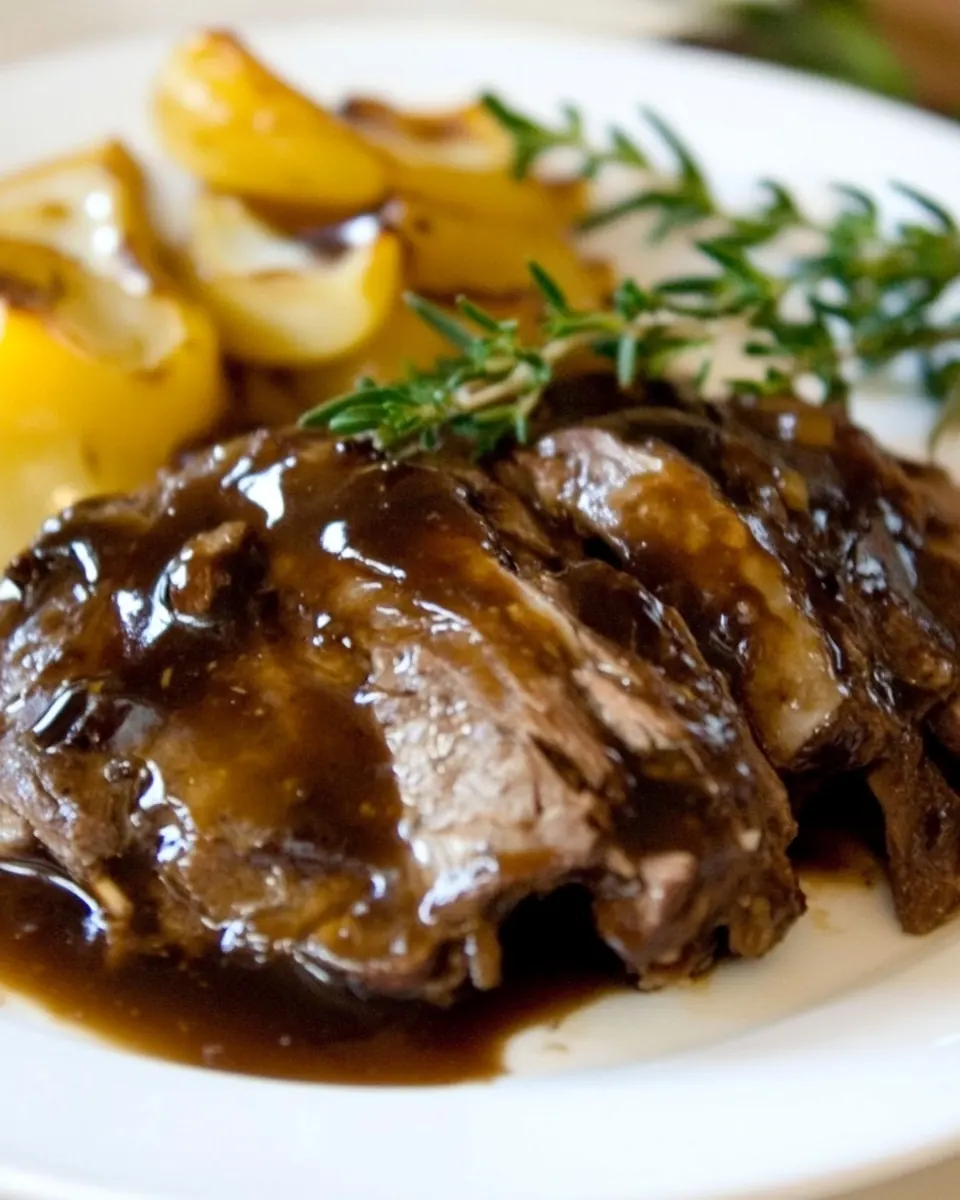
Assembling this roast is deceptively simple, but a few deliberate actions make the difference between an ordinary pot roast and a memorable one. Below I walk you through each direction with sensory cues, why each step matters, and common pitfalls to avoid so your final dish is tender, glossy, and full of flavor.
- Trim as much fat as you can from roast, and cut if necessary to fit into Crockpot.: The meat should feel slightly cool and firm when you work with it; removing excess fat reduces greasy mouthfeel and lets the braising liquid penetrate the muscle. A tidy trim helps seasoning stick and prevents large pools of rendered fat in the slow cooker. One mistake is over trimming and removing all connective tissue, which would reduce the eventual silkiness, so leave some marbling in place for flavor.
- Rub meat well with steak seasoning and black pepper.: Your hands will pick up the coarse aroma of the steak rub , and pressing it into the surface creates little pockets of seasoning that caramelize during searing. This layer contributes to both taste and the crust, which becomes part of the overall sauce. Avoid applying too much rub that contains a lot of salt, which can make the finished roast overly salty.
- Heat pan with small amount of olive oil and brown roast well on both sides. This will take a few minutes; don’t rush the browning step.: You want the pan to hiss softly as the olive oil meets it and the roast to develop a deep mahogany crust, not a pale surface. This browning, called the Maillard reaction, builds complex savory flavors that the slow cooker cannot create on its own. Rushing this step leads to a pale, one dimensional sauce, so take your time and brown in batches if needed.
- While roast browns put 1 cup beef stock in saucepan, bring to a boil and cook until reduced to 1/2 cup.: The stock should steam and thicken as water evaporates, concentrating the savory, meaty notes. You will notice a syrupy consistency and intensified aroma when reduction is complete, which is crucial for a robust sauce. Skipping reduction results in a thin, watery braising liquid that won’t cling to the meat.
- While the meat browns, cut the onions and put them in the Crockpot.: The scent of fresh onion will be sharp at first, but they soften and sweeten as they cook, forming a cushion that distributes heat evenly. Laying the onion under the roast ensures they absorb meat juices, adding body to the final serving. A common error is slicing onions too thin, which makes them disintegrate and disappear into the sauce.
- When the meat is brown put it in slow cooker on top of the onions, then deglaze the pan with 1/4 cup water, scraping off all browned bits, and add to reduced beef stock. Add balsamic vinegar and tomato sauce to beef stock and pour over pot roast.: You will see the pan release sticky brown bits as you add the water , and these meld with the reduced beef stock to form the base of the sauce. Adding the balsamic vinegar and tomato sauce creates a glossy, balanced braising liquid that envelopes the roast. Not scraping the pan well leaves behind valuable flavor, so be thorough when deglazing.
- (Or you could stop at this point and refrigerate browned roast, cut onions and mixed sauce ingredients and then put them in the Crockpot when you go to work in the morning. Don’t refrigerate them in the crockery liner. Having the meat start out cold will add several hours to the cooking time, which will be good if you’re cooking it all day while you’re away.): The kitchen will feel quiet if you prepare elements in advance, and the chilled components must be transferred to the insert right before cooking to avoid extended cold start times, which alter cooking schedule. If you refrigerate inside the crockery liner you risk thermal shock and delayed safe heating. Avoid leaving the meat in the liner overnight because it slows the time it takes to reach safe temperatures.
- Set Crockpot to low and cook 6-8 hours, until beef is tender. The meat might be partly submerged in liquid after this much time. (If I am home, I might turn the meat once or twice.): Over the long, gentle heat you will hear the faint bubble and see the fat slowly render, while the roast gives up connective tissue and becomes fork tender. Turning the meat helps it brown evenly if portions are exposed, but it is optional. A frequent mistake is cooking on high to try to speed things up, which can make the meat tough rather than tender.
- Remove meat from crockpot and cover with foil to keep warm.: The meat will feel tender to the touch and may pull apart easily when tested with a fork; covering it traps heat and prevents drying while you finish the sauce. Resting also relaxes the juices so they redistribute rather than running out immediately. Do not skip resting, because slicing too soon can cause the roast to lose its juices.
- Drain liquid from Crockpot and remove as much of the fat as you can with fat separator or skimmer. Cook down liquid by about 1/3 by simmering in a small pan on the stove, and serve sauce with meat and onions.: You will notice the separated fat floating on top, which you can remove for a cleaner sauce. Simmering thickens the liquid into a glossy glaze that clings to the beef and softened onion , intensifying aroma and mouthfeel. An easy mistake is to boil too vigorously when reducing, which can over concentrate and make the sauce too salty, so simmer gently until it coats the back of a spoon.
Substitutions and Tips
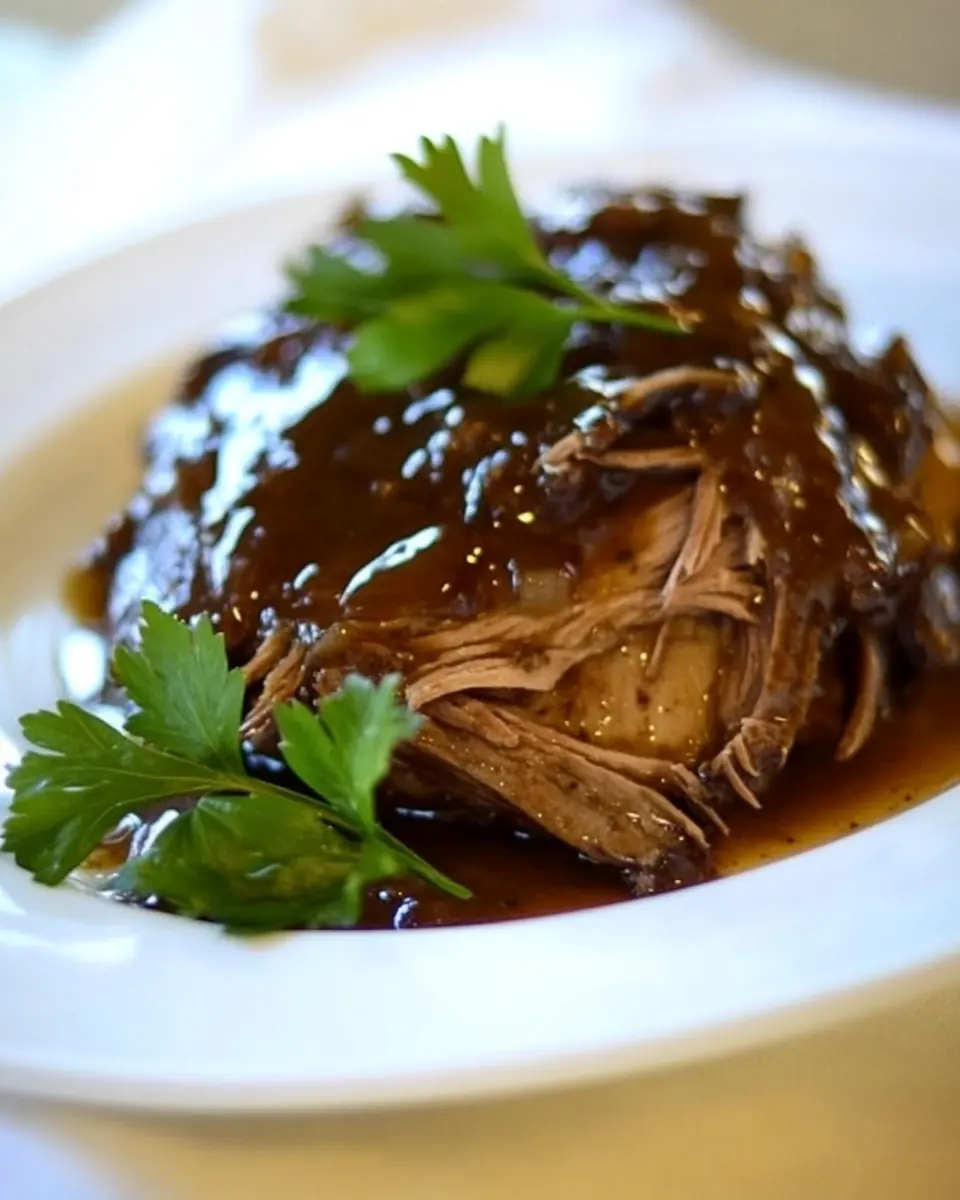
This section collects practical substitutions and hands on tips I use every time I make Slow Cooker Balsamic Pot Roast. Each tip starts with a bolded phrase for quick scanning, then explains why it helps and how to apply it in the kitchen.
- Trim but preserve marbling, trim excess surface fat for a cleaner sauce, but keep some marbling inside the roast so it melts into gelatin and keeps the meat tender during long cooking.
- Pat roast dry before seasoning, moisture on the surface prevents a proper sear, so use paper towels to dry the roast first, which encourages a richer brown crust and deeper flavor.
- Reduce stock for concentrated flavor, simmering the beef stock to half its volume intensifies umami and ensures the final sauce is rich rather than watery, which elevates the whole dish.
- Don’t rush the browning, take your time to develop an even deep crust on both sides of the roast; proper browning translates directly into a more complex, savory sauce.
- Skim fat after cooking, removing rendered fat before reducing the sauce produces a balanced, non greasy finish that lets the balsamic shine.
- Make ahead strategy, you can brown and pre assemble the components the night before, refrigerate separately, then finish in the slow cooker the next day for a relaxed morning prep.
Best Served With
This roast invites hearty sides and relaxed occasions. Below I outline pairing ideas, serving styles, and storage suggestions in a list format so you can choose what fits the meal you want to present.
- Mashed potatoes or creamy polenta, the glossy sauce spooned over a smooth starch makes for a comforting plate where the sauce is absorbed and celebrated.
- Roasted root vegetables, carrots and parsnips roasted until caramelized add textural contrast and natural sweetness that complements the tang of the balsamic vinegar.
- Simple green salad, a dressed green salad provides brightness and a crisp counterpoint to the rich, tender beef, perfect for balancing the plate.
- Family dinners and weekend gatherings, this dish scales well and holds up for casual dinner parties or a cozy family Sunday dinner where people can help themselves.
- Storage and leftovers, cool the roast and sauce quickly, store in airtight containers, and refrigerate for up to four days; reheating gently on the stove preserves texture and flavor.
- Seasonal appeal, it shines in winter when people crave warm, slow cooked meals and richer flavors that stand up to chilly weather.
FAQ
Conclusion
What makes this recipe special is the way simple techniques and patient cooking transform an economical cut of meat into a glossy, flavorful centerpiece. The combination of reduced beef stock, tangy balsamic, and slow braising yields tender meat and a sauce that clings to every forkful. I encourage you to try this approach on a weekend or a busy weekday when you want dinner to feel like a reward. It’s dependable, comforting, and worth the small bit of prep time for the big payoff.
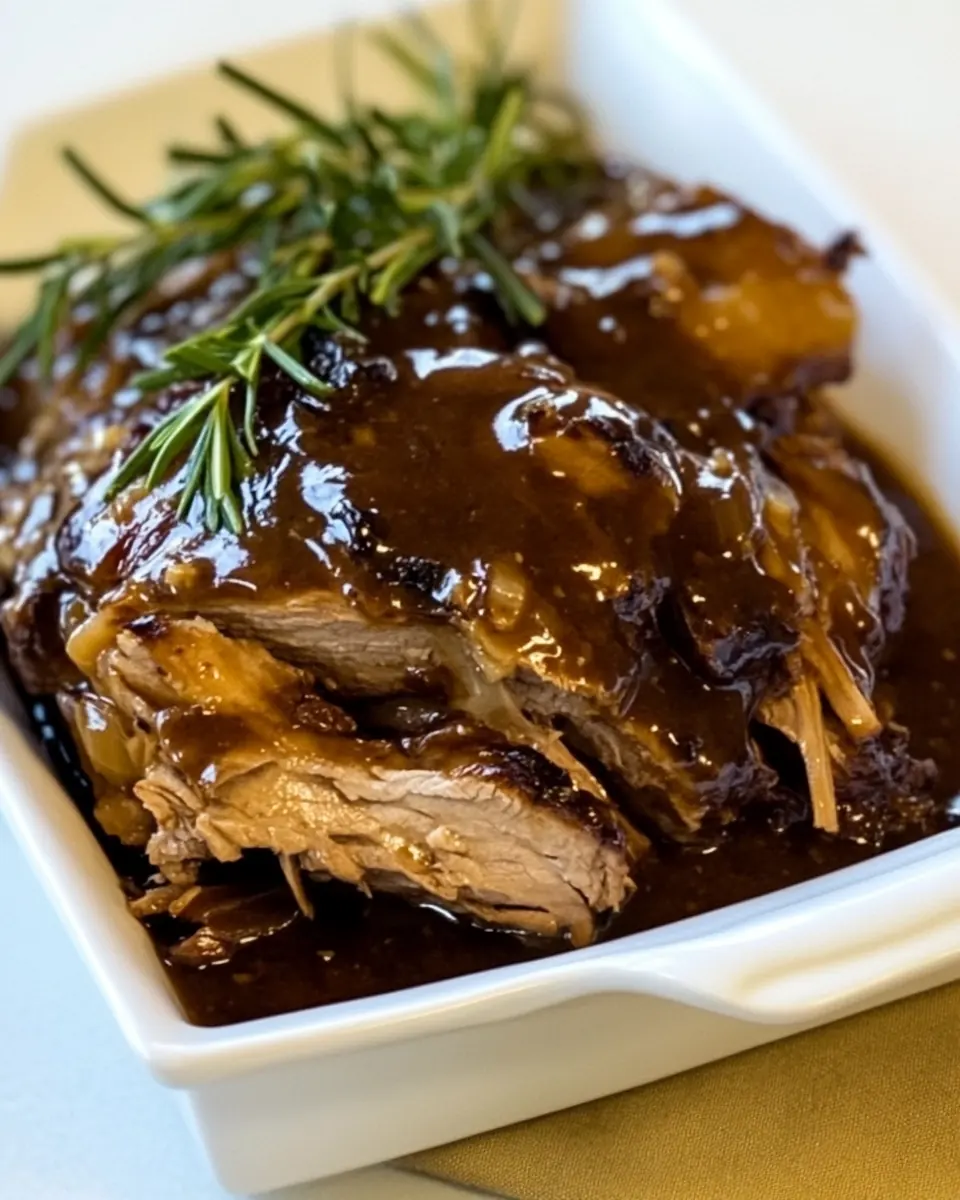
Slow Cooker Balsamic Pot Roast
Ingredients
Equipment
Method
- Trim as much fat as you can from roast, and cut if necessary to fit into Crockpot.: The meat should feel slightly cool and firm when you work with it; removing excess fat reduces greasy mouthfeel and lets the braising liquid penetrate the muscle. A tidy trim helps seasoning stick and prevents large pools of rendered fat in the slow cooker. One mistake is over trimming and removing all connective tissue, which would reduce the eventual silkiness, so leave some marbling in place for flavor.
- Rub meat well with steak seasoning and black pepper.: Your hands will pick up the coarse aroma of the steak rub , and pressing it into the surface creates little pockets of seasoning that caramelize during searing. This layer contributes to both taste and the crust, which becomes part of the overall sauce. Avoid applying too much rub that contains a lot of salt, which can make the finished roast overly salty.
- Heat pan with small amount of olive oil and brown roast well on both sides. This will take a few minutes; don’t rush the browning step.: You want the pan to hiss softly as the olive oil meets it and the roast to develop a deep mahogany crust, not a pale surface. This browning, called the Maillard reaction, builds complex savory flavors that the slow cooker cannot create on its own. Rushing this step leads to a pale, one dimensional sauce, so take your time and brown in batches if needed.
- While roast browns put 1 cup beef stock in saucepan, bring to a boil and cook until reduced to 1/2 cup.: The stock should steam and thicken as water evaporates, concentrating the savory, meaty notes. You will notice a syrupy consistency and intensified aroma when reduction is complete, which is crucial for a robust sauce. Skipping reduction results in a thin, watery braising liquid that won’t cling to the meat.
- While the meat browns, cut the onions and put them in the Crockpot.: The scent of fresh onion will be sharp at first, but they soften and sweeten as they cook, forming a cushion that distributes heat evenly. Laying the onion under the roast ensures they absorb meat juices, adding body to the final serving. A common error is slicing onions too thin, which makes them disintegrate and disappear into the sauce.
- When the meat is brown put it in slow cooker on top of the onions, then deglaze the pan with 1/4 cup water, scraping off all browned bits, and add to reduced beef stock. Add balsamic vinegar and tomato sauce to beef stock and pour over pot roast.: You will see the pan release sticky brown bits as you add the water , and these meld with the reduced beef stock to form the base of the sauce. Adding the balsamic vinegar and tomato sauce creates a glossy, balanced braising liquid that envelopes the roast. Not scraping the pan well leaves behind valuable flavor, so be thorough when deglazing.
- (Or you could stop at this point and refrigerate browned roast, cut onions and mixed sauce ingredients and then put them in the Crockpot when you go to work in the morning. Don’t refrigerate them in the crockery liner. Having the meat start out cold will add several hours to the cooking time, which will be good if you’re cooking it all day while you’re away.): The kitchen will feel quiet if you prepare elements in advance, and the chilled components must be transferred to the insert right before cooking to avoid extended cold start times, which alter cooking schedule. If you refrigerate inside the crockery liner you risk thermal shock and delayed safe heating. Avoid leaving the meat in the liner overnight because it slows the time it takes to reach safe temperatures.
- Set Crockpot to low and cook 6-8 hours, until beef is tender. The meat might be partly submerged in liquid after this much time. (If I am home, I might turn the meat once or twice.): Over the long, gentle heat you will hear the faint bubble and see the fat slowly render, while the roast gives up connective tissue and becomes fork tender. Turning the meat helps it brown evenly if portions are exposed, but it is optional. A frequent mistake is cooking on high to try to speed things up, which can make the meat tough rather than tender.
- Remove meat from crockpot and cover with foil to keep warm.: The meat will feel tender to the touch and may pull apart easily when tested with a fork; covering it traps heat and prevents drying while you finish the sauce. Resting also relaxes the juices so they redistribute rather than running out immediately. Do not skip resting, because slicing too soon can cause the roast to lose its juices.
- Drain liquid from Crockpot and remove as much of the fat as you can with fat separator or skimmer. Cook down liquid by about 1/3 by simmering in a small pan on the stove, and serve sauce with meat and onions.: You will notice the separated fat floating on top, which you can remove for a cleaner sauce. Simmering thickens the liquid into a glossy glaze that clings to the beef and softened onion , intensifying aroma and mouthfeel. An easy mistake is to boil too vigorously when reducing, which can over concentrate and make the sauce too salty, so simmer gently until it coats the back of a spoon.
Notes
- Trim but preserve marbling, trim excess surface fat for a cleaner sauce, but keep some marbling inside the roast so it melts into gelatin and keeps the meat tender during long cooking.
- Pat roast dry before seasoning, moisture on the surface prevents a proper sear, so use paper towels to dry the roast first, which encourages a richer brown crust and deeper flavor.
- Reduce stock for concentrated flavor, simmering the beef stock to half its volume intensifies umami and ensures the final sauce is rich rather than watery, which elevates the whole dish.
- Don’t rush the browning, take your time to develop an even deep crust on both sides of the roast; proper browning translates directly into a more complex, savory sauce.
- Skim fat after cooking, removing rendered fat before reducing the sauce produces a balanced, non greasy finish that lets the balsamic shine.
- Make ahead strategy, you can brown and pre assemble the components the night before, refrigerate separately, then finish in the slow cooker the next day for a relaxed morning prep.