Roughly chop the fresh produce. It does not need to be chopped well because it's going in the food processor.: The scent of fresh onion and garlic will be bright at this stage, and the texture does not need to be perfect since the processor will take care of uniformity. Aim for roughly even pieces so the food processor works efficiently, and avoid overloading the bowl which can produce an uneven chop. One common mistake is leaving very large chunks that will not incorporate evenly, causing textural pockets in the loaf.
Set out a food processor. Add the chopped bell peppers, onions, carrots, celery, garlic, and jalapeno to the food processor. Pulse until the vegetables are ground into a fine mince.: You will notice the mixture releasing moisture and a fragrant, vegetal aroma as the blades work. Pulse in short bursts to avoid turning the vegetables into a paste, and watch for a uniform mince that mixes smoothly with the meat. If you overprocess, the mixture can get too wet which will affect the loaf structure; a little texture is good for body.
Preheat an electric smoker to 200°F, and add your favorite wood pellets.: The smoker should smell faintly of wood as it comes up to temperature, and steady smoke at this low temperature will slowly permeate the loaf. Using fruit woods or a mild hickory works well for balanced smoke. A frequent error is starting with too hot a fire, which drives moisture out and yields a drier loaf, so be patient with the low start.
Set out a large mixing bowl. Add the ground beef, pureed veggies, breadcrumbs, milk, eggs, and all spices to the bowl. Mix by hand until very smooth.: Touch is key here, you should feel the mixture come together into a cohesive mass with a slightly tacky texture. The aroma of spices will bloom as they meet the meat, and the mixture should be thoroughly combined so each slice tastes the same. Overmixing can make the loaf dense and tough, so stop as soon as it is homogeneous and smooth.
Divide the meat mixture into two equal portions. Shape each portion into a loaf about 10 X 4 inches, and place both loaves on a rimmed baking sheet. Brush the tops and sides of the meatloaves with barbecue sauce.: As you shape, you will notice the loaves hold their form when the binder is correct, and the surface should be smooth enough to accept a glaze. Brushing on BBQ sauce adds a glossy, fragrant top that will caramelize. A common mistake is shaping too loosely, which causes crumbling when sliced; compact gently but do not compress excessively.
Smoke the meatloaves for 30 minutes. Leave the loaves in the smoker, and raise the temperature to 350°F. Once the temperature reaches 350, set a timer for 1 hour. Continue to cook the meatloaves until the timer goes off. The internal temperature reads 165°F on a meat thermometer.: During the smoke you will notice the surface taking on a deeper color and a subtle crust forming. The transition from low smoke to roast builds a complex outer texture while bringing the internal temperature up evenly. Use a reliable meat thermometer to check for 165°F so the meat is safe and tender. A typical misstep is relying solely on time; internal temperature is the dependable indicator that the loaf is done.
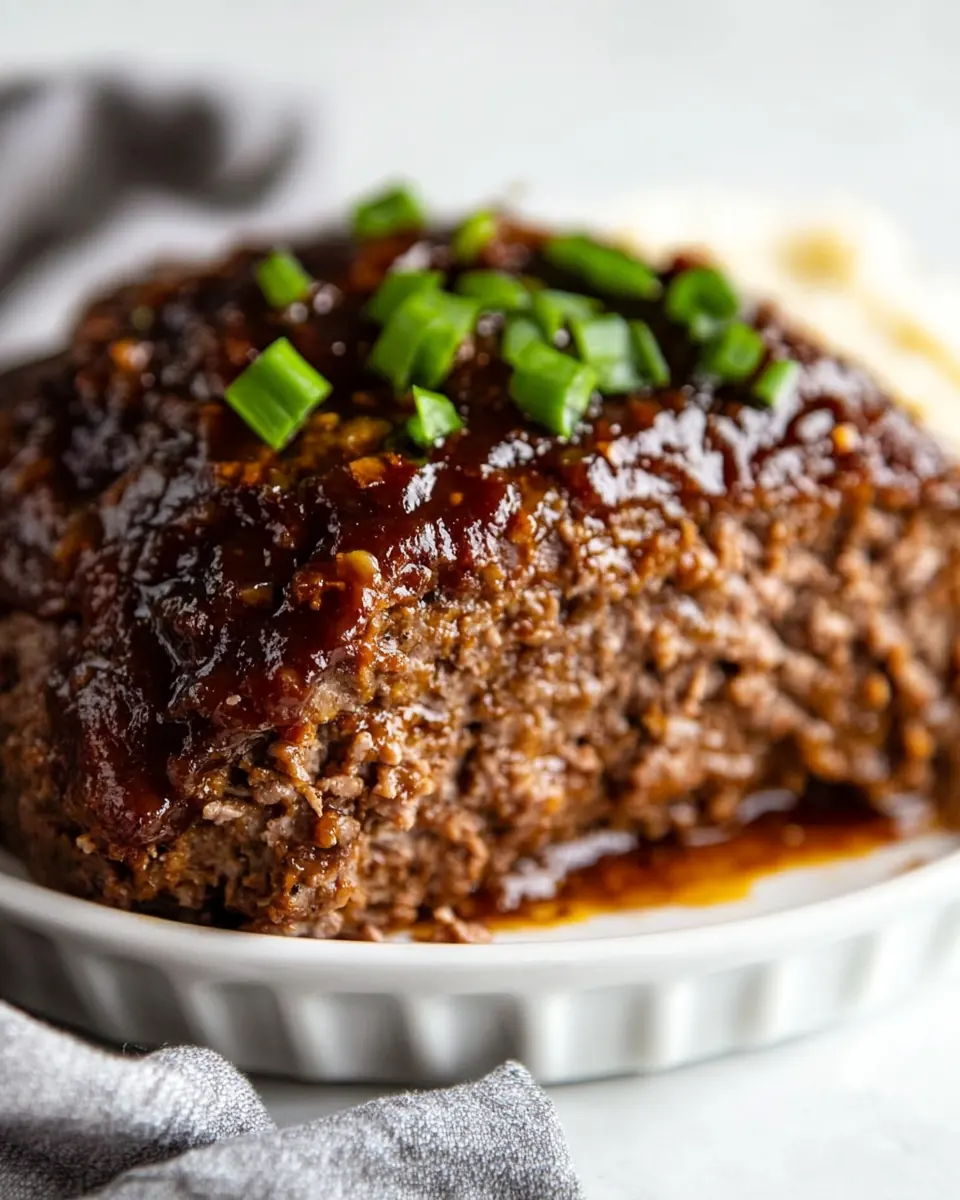
Let the loaves rest for 5 minutes. Slice the meatloaf and serve warm.: Resting allows juices to redistribute so the slices stay moist and not runny. You will hear a slight sigh of steam as you tent the loaves, and the aroma intensifies during the brief wait. Cutting too soon causes juices to spill and a drier slice, so patience here rewards you with clean, juicy servings.