Mix together the Graham crackers, sugar and butter until the crumbs are thoroughly moistened. Press them into a 9-inch (23 cm) pie tin or ovenproof pie plate (see Note at end of recipe), using a drinking glass to get the bottom of the pie crust flat, pressing the crumbs up the side with your fingers. Freeze the crust for 30 minutes.: The scent of warm butter and sweet graham cracker crumbs is immediate and comforting, and you'll feel the mixture transform from dry flakes to a cohesive, sandy mass in your hands. Pressing the crumbs releases their toasted, wheaty aroma, which foreshadows the crust's final flavor. This binding step matters because a well moistened crust will hold slices without crumbling. A common mistake here is under pressing the crust into the pan, which causes a loose base; press firmly and evenly using the bottom of a glass for an even surface.
Preheat the oven to 375ºF (190ºC). Remove the pie crust from the freezer and bake until the crust is browned, about 10 minutes. Cool on a wire rack.: As you press, you'll notice the crumbs compact and shine slightly from the butter . Creating a uniform edge helps the filling sit neatly inside, and working the crumbs up the side gives the pie a classic profile. This shaping matters because the crust defines the structural support for the softened ice cream . Avoid leaving thin spots, which can cause leaks or uneven slices; if a section seems thin, add a pinch more crumbs and press until even.
When the crust is cool, let the ice cream soften a bit so it's spreadable, and carefully spread it into the prepared pie shell, being careful not to break the sides. (Tip: Sometimes it helps to beat the ice cream on medium speed in a stand mixer, fitted with the beater attachment, until it's smooth and soft enough to spread.) Return the pie to the freezer.: Sliding the crust into the freezer firms the butter and sets the shape, so the crust will maintain integrity when you bake or fill it. The cold also reduces the chance of shrinkage or sagging when the crust later meets heat. A typical oversight is skipping this chill, which often leads to a crust that slumps; allow the full thirty minutes for best results.
Sprinkle the gelatin over the 1/4 cup (60 ml) cold water in a small bowl. Let stand 5 minutes.: You will smell the faint warmth of the oven and feel a steady rise in kitchen temperature, which prepares the crust for a quick bake. This step is essential because a preheated environment browns the crust evenly and crisps it without over drying. Not preheating can lengthen bake time and cause uneven color, so make sure the oven reaches temperature before the crust goes in.
In a small saucepan fitted with a candy thermometer, heat the remaining 1/3 cup (80 ml) cold water, corn syrup, and sugar over medium heat. Put the egg whites in the bowl of a stand mixer fitted with the whip attachment.: The visual cue is a golden, slightly darker edge and a toasted aroma that signals caramelized sugars and set butter . Baking firms the crust so it resists sogginess from the filling. If it browns too quickly, tent the edges with foil to prevent burning; a common mistake is leaving it too long which yields a bitter taste, so watch it closely in the final minutes.
When the syrup reaches about 210ºF (99ºC), begin whipping the egg whites. When the syrup reaches 245ºF (119ºC), with the mixer on high speed, in a slow, steady stream, pour the hot syrup into the egg whites, aiming between the whip and the side of the bowl. (If the syrup hits the whip, it'll cling to the side of the bowl, rather than incorporated into the egg whites.): Cooling lets the crust finish setting and stops carryover cooking, which would otherwise continue crisping the base. The sound here is subtle, a faint settling as the crust contracts slightly. This pause matters because a hot or warm crust will melt the ice cream prematurely when you fill the pie. Avoid rushing to fill while the crust is piping hot, as that causes a soggy edge.
Scrape the gelatin into the still-warm saucepan, stirring it until the gelatin is dissolved, then whip it into the egg whites. Continue to beat on high speed until the marshmallow topping is room temperature. Remove the ice cream pie from the freezer and spread the topping over the pie. (If you want to finish it later, you can return the marshmallow-topped pie to the freezer. Or you can broil the topping now and return it to the freezer as well, to serve later.): Softening the ice cream releases its aromatic notes and makes it silky and easier to smooth without tearing the crust. You want a spreadable, not melted, consistency so the filling sets firmly once refrozen. A common misstep is over softening, which leads to drips and longer refreeze time; aim for a scoopable, spreadable texture.
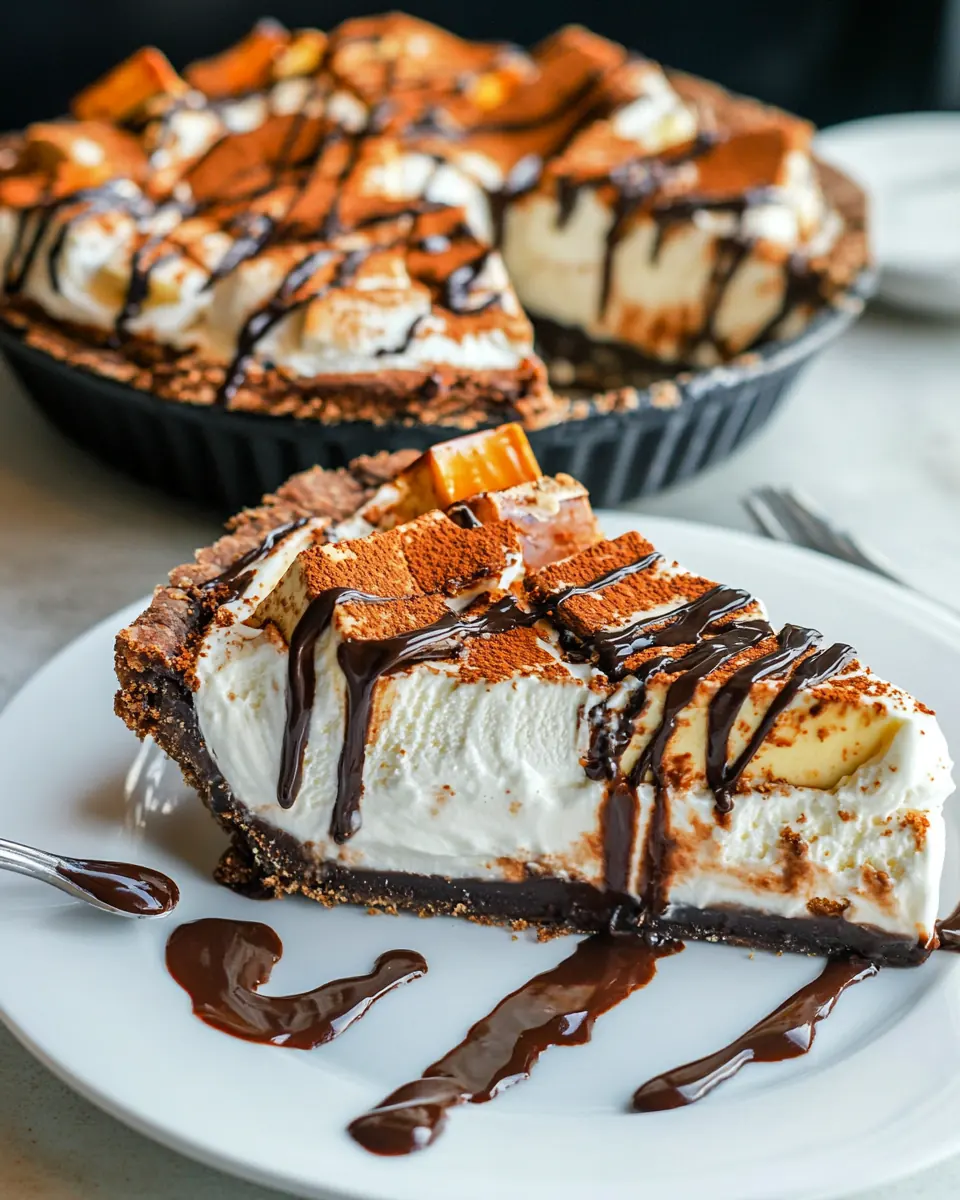
To finish the pie, turn on the broiler of your oven. Place the pie on an upper rack of the oven and until the top is browned, watching it carefully so it browns evenly and doesn't burn.: Refreezing the pie after filling gives the center time to firm so the marshmallow topping sits correctly on a stable surface. You'll feel the cold radiate from the pie when you place it back, reassuring you the structure is locking in. Skipping this refreeze risks the topping sliding or losing shape; allow enough time to reach a firm consistency.
Remove from the oven. To slice and serve, dip in a long, sharp knife in hot water and cut a slice of the pie, without wiping the blade: the hot water will prevent the marshmallow topping from sticking to the blade. For clean slices, you may need to rinse and wipe the blade of the knife clean between slices.: The gelatin blooms as it absorbs the water , swelling into a softer, granular mass and giving off a neutral scent. This hydration is crucial because it ensures the gelatin dissolves uniformly when warmed, preventing lumps that would ruin the topping's texture. Rushing this bloom is a typical mistake and can result in gritty strands in the final topping; give it the full five minutes.
Serve with warm salted butter chocolate sauce.: As the mixture warms you'll see it go from murky to gleaming, and steam will rise sweetly, hinting at the syrup's concentration. The candy thermometer is your guardrail for precision; proper temperatures create a stable marshmallow. A frequent error is skipping the thermometer, which risks an under or overcooked syrup and an unstable topping, so monitor the thermometer closely.
Put the egg whites in the bowl of a stand mixer fitted with the whip attachment: The whites will already smell faintly fresh and will whip to a soft, white foam that holds air and sheen. Whipping at the right moment ensures you incorporate the hot syrup into glossy, stable peaks. One mistake is starting with cold egg whites, which whip more slowly and to lower volume; room temperature whites are best.
When the syrup reaches about 210ºF (99ºC) begin whipping the egg whites: At this point you begin forming the structure that will receive the hot syrup, so the sound shifts to a steady, airy hum as the whites gain body. This coordination matters because the hot syrup must be poured into actively whipping whites to properly cook and stabilize them. If you wait too long to begin whipping, the whites may not incorporate the syrup smoothly, leading to uneven texture.
When the syrup reaches 245ºF (119ºC) with the mixer on high speed in a slow steady stream pour the hot syrup into the egg whites aiming between the whip and the side of the bowl: The stream of syrup hissing softly as it hits the bowl warms the whites and transforms them into a glossy, marshmallow mass. Pouring carefully prevents the syrup from splattering and ensures even integration. A common pitfall is pouring too quickly which can deflate the foam or cause uneven cooking; a thin, steady stream is crucial.
Scrape the gelatin into the still warm saucepan stirring it until the gelatin is dissolved then whip it into the egg whites: The faint steam and gentle scent of dissolved gelatin signal smooth incorporation, and once folded in, the mixture becomes thicker and silkier. This step stabilizes the topping so it stays lofty and sliceable. If the gelatin is not fully dissolved, you risk gritty bits in the topping, so stir until completely clear.
Continue to beat on high speed until the marshmallow topping is room temperature: As you beat, the topping will lose heat and become glossy and billowy, with a marshmallow scent developing as the sugars cool. Waiting for room temperature prevents the topping from melting the frozen filling beneath, and yields a spreadable, stable finish. A mistake here is stopping too early while the topping is warm, which makes it slump; cool fully to room temperature.
Remove the ice cream pie from the freezer and spread the topping over the pie: Spreading the topping creates soft peaks and a canvas for toasting, and you'll notice a sweet, airy aroma mingling with the cold scent of the pie. The contrast between the chilled filling and the room temperature topping is dramatic, and getting an even layer helps achieve clean slices later. Avoid pressing the topping too thin, which diminishes its visual and textural impact.
To finish the pie turn on the broiler of your oven and place the pie on an upper rack of the oven until the top is browned watching it carefully so it browns evenly and doesn't burn: Under the broiler the topping will singe to a rich amber, producing smoky caramel notes and a crisp surface that snaps slightly when you cut a slice. The visual is worth the attention, but the window between beautifully browned and burnt is narrow, so watch constantly. A common mistake is leaving the oven door open or stepping away, which risks charring; stay close and rotate as needed for even color.
Remove from the oven to slice and serve dip in a long sharp knife in hot water and cut a slice of the pie without wiping the blade: The hissing sound of a hot knife meeting cool topping is oddly satisfying, and the blade will slice cleanly through the toasted crust and frozen center. The hot water prevents the marshmallow from sticking, producing neat portions. If you wipe the blade between slices you may drag the topping, so instead reheat the knife as needed for tidy cuts.
Serve with warm salted butter chocolate sauce: The warm sauce pooled beside each slice melts the edge of the frozen center slightly, creating a tender contrast that enhances the pie's flavor spectrum. Pouring the sauce introduces a glossy, slightly salty note that ties together the sweet elements. Avoid drowning the slice in sauce, which can overwhelm the balanced textures; a modest drizzle is all you need.