First, in a small bowl combine water, yeast and sugar. Stir until dissolved. Set aside.: You should notice the water feels warm and comforting when you stir, and within five to ten minutes you may see a thin foamy cap forming which signals the yeast is awake. The aroma will be faintly yeasty and slightly sweet. This activation step matters because active yeast ensures a reliable rise and a tender crumb. A common mistake is using water that is too hot, which can kill the yeast; always test the temperature on your wrist. If no foam forms, give it another five to ten minutes, or start over with fresh yeast to avoid flat rolls.
Next, in a large bowl, make pudding mix according to package directions. Add butter, eggs and salt to the pudding mixture and mix well.: The pudding will thicken and smell of vanilla, creating a creamy base that helps tenderize the dough. When you add the melted 1/2 cup butter and the beaten 2 eggs , the mixture will look glossy and slightly richer in color. Mixing until smooth ensures even hydration and prevents lumps that could create dry pockets in the dough. One pitfall is adding hot butter that cooks the eggs; let the butter cool briefly so it blends seamlessly. The salt should be dissolved so flavor balances the sweetness later on.
Add the yeast mixture and mix together. Gradually add flour; knead until smooth. Add additional flour until dough is soft but not sticky (I added 7 cups total). Do not add too much flour.: As you incorporate the foamy yeast mixture, the batter will transition into a shaggy mass. As you gradually add the 6 cups all-purpose flour , the texture will firm. Kneading by hand or with a mixer develops gluten, giving the dough strength and elasticity, and you will feel it become smooth and springy under your palms. The right dough should be soft and tacky but not sticky, and it should hold shape when stretched. Overflouring leads to dry, dense rolls, so add flour incrementally and rely on feel rather than exact measures. If the dough seems too wet, pause and let it rest five minutes, as it often hydrates further.
Place in a greased bowl. Cover and let rise until doubled.: Once the dough is transferred to an oiled bowl, its surface will feel slightly tacky and look smooth. Covering keeps the surface from forming a crust while the yeast produces CO2, causing the dough to swell and double in volume. This rise can take anywhere from forty minutes to a couple of hours depending on room temperature; you want the dough to feel airy and show visible expansion. I place mine in a slightly warm, draft free corner. A common mistake is allowing the dough to overproof, which causes a collapse and a coarse crumb; watch for the right volume rather than relying solely on time.
Roll dough with a rolling pin onto a lightly floured surface about 34 X 21 inch rectangle in size. Take 1 cup soft butter and spread over surface. In bowl, mix the brown sugar and cinnamon. Sprinkle cinnamon filling over the top. Roll up very tightly starting with the long side. With knife put a notch every 1 1/2 inches. Cut with thread or serrated knife. Place on lightly greased baking dish 1 inch apart. Cover with a clean kitchen towel and let dough rise in a warm place until double again.: As you roll the dough into a large rectangle, the surface should be smooth and slightly springy. Spreading the soft 1 cup unsalted butter creates a glossy surface that helps the brown sugar and 2 tablespoons ground cinnamon adhere. The filling will look moist and fragrant, and when you roll it tightly you compress the layers so each slice has a swirl of filling. Use a sharp serrated knife or a length of thread to cut clean edges without squashing the roll structure. Arrange the rolls with some breathing room so they can puff and caramelize along the edges. During the second rise you will see them expand and puff up appreciably; this step is key to a soft interior. Avoid pressing down on them while rising, as this can deflate the rolls.
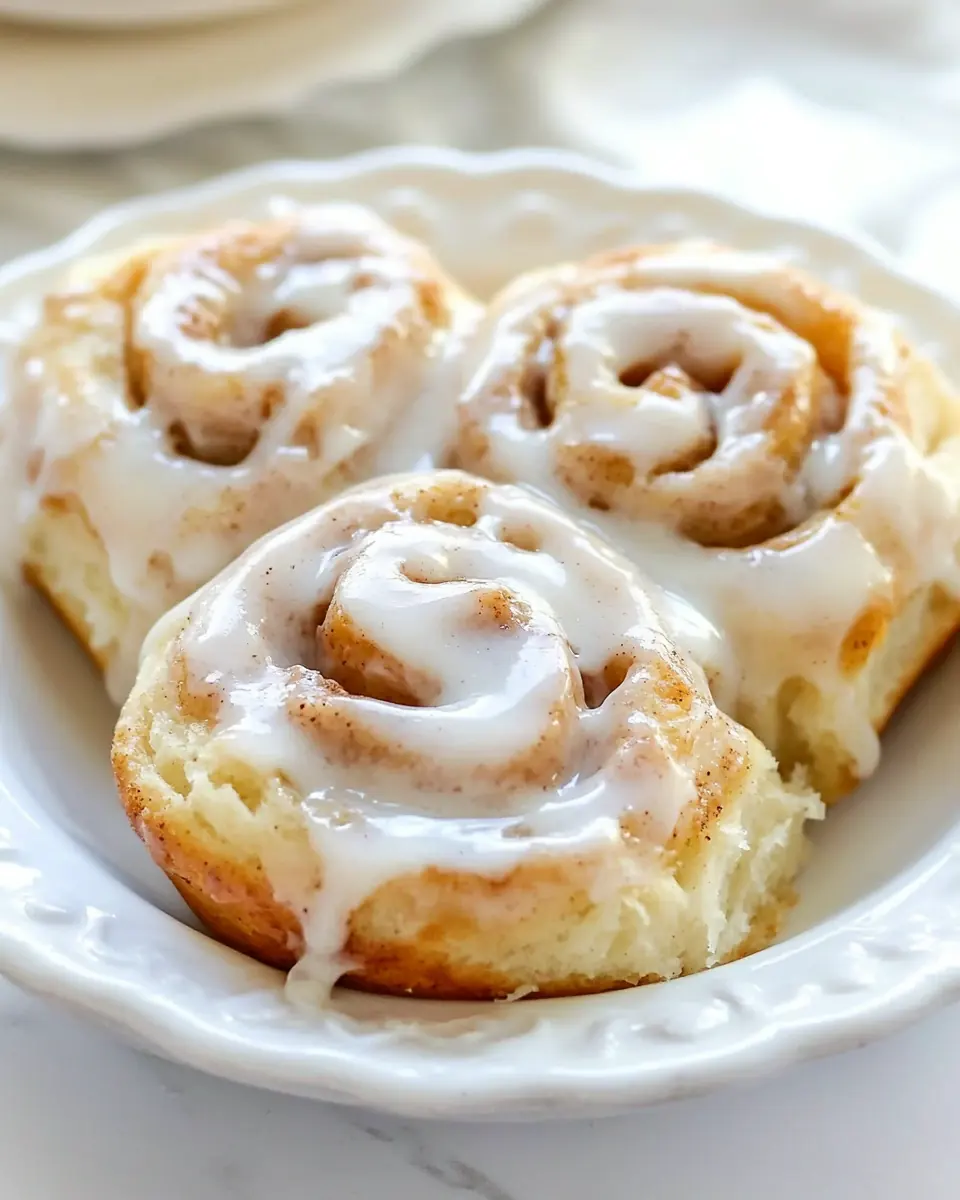
Bake at 350 degrees for 15-20 minutes. Remove when they start to turn golden brown. Do not overbake! Frost rolls after rolls have cooled just a couple of minutes (directions below). You still want to frost them with cream cheese icing while they’re warm just not super hot!: When the oven heat envelops the tray, you will hear a faint crackling and sniff the warm, toasty scent of caramelizing sugar. The tops should reach a light golden brown at the edges and remain tender to the touch. Overbaking dries the rolls and makes them lose that tender, soft character, so watch the clock and oven cues closely. Let them cool only briefly so the icing spreads but does not melt away; the frosting should soften and sink slightly into the warm swirls for a glossy finish. A common error is leaving them in too long, creating a dry interior, so err on the side of a touch underbaked for a moist interior.