Soft Cinnamon Rolls
Soft Cinnamon Rolls are the kind of baking I reach for when I want to slow down, tie on an apron, and fill the house with warmth. The first time I made these, I was chasing the memory of a weekend morning at my grandmother’s kitchen, where the air was thick with cinnamon and the sink was full of floury bowls. I remember the hush as the dough rose, and how the simple act of rolling felt like a small meditation. I keep that memory close when I make them, and I love how the recipe rewards patience with pillowy texture and an irresistible aroma.
I learned to treat the dough kindly, trusting time and warmth instead of rushing with too much flour. There’s a quiet joy in spreading the softened 1 cup unsalted butter and watching the cinnamon sugar melt into the folds as you roll. These are not showy pastries, they are comfort wrapped in dough, best shared with people you like to linger with. Over the years I’ve adjusted prove times and frosting temperature until I found the sweet spot where the rolls stay soft, the filling stays gooey, and the cream cheese icing still sinks just enough to be decadent without running off.
Recipe Snapshot
1 hr 20 mins
60 mins
20 mins
Medium
350 kcal
American
Gluten-Free, Low FODMAP
Breakfast
Mixing bowl, Rolling pin, Baking dish, Knife or thread
The Appeal of This Soft Cinnamon Rolls
Irresistible Texture
I adore how these Soft Cinnamon Rolls come out tender and pillowy. The combination of enriched dough and the pudding element in the mix gives a softer crumb, so each bite feels light yet satisfyingly substantial. I often pat the dough with my fingertips and I can tell when it has enough elasticity, it just springs back gently.
Flavor That Hooks You
The brown sugar and 2 tablespoons ground cinnamon filling creates a deep, toasty sweetness that keeps you going back for another roll. I always increase the cinnamon slightly, it makes the center aroma richer while keeping the outer crust delicately golden. The cream cheese frosting layered on warm rolls brings a tangy contrast that lifts the overall flavor.
Reliable, But Forgiving Method
I appreciate that this recipe is forgiving. You can adjust flour by feel, and minor variations in rise time still yield excellent results. I find that giving the dough patience during the two rises is the key, and even if the timing is a little off, the structure and flavor recover well.
Great Make Ahead Options
One of my favorite reasons to love these is how easy they are to prep ahead. You can roll and cut, then freeze individual rolls before the final rise. When I have a busy morning, I pull them from the freezer, let them thaw and rise, and bake warm rolls right when company arrives.
Comfort Food for Many Occasions
Whether it is a cozy fall breakfast or a celebratory brunch, the Soft Cinnamon Rolls feel appropriate. They are familiar, crowd pleasing, and versatile. I often bring them to gatherings because they travel well and are loved by kids and adults alike.
Ingredients Overview for Soft Cinnamon Rolls
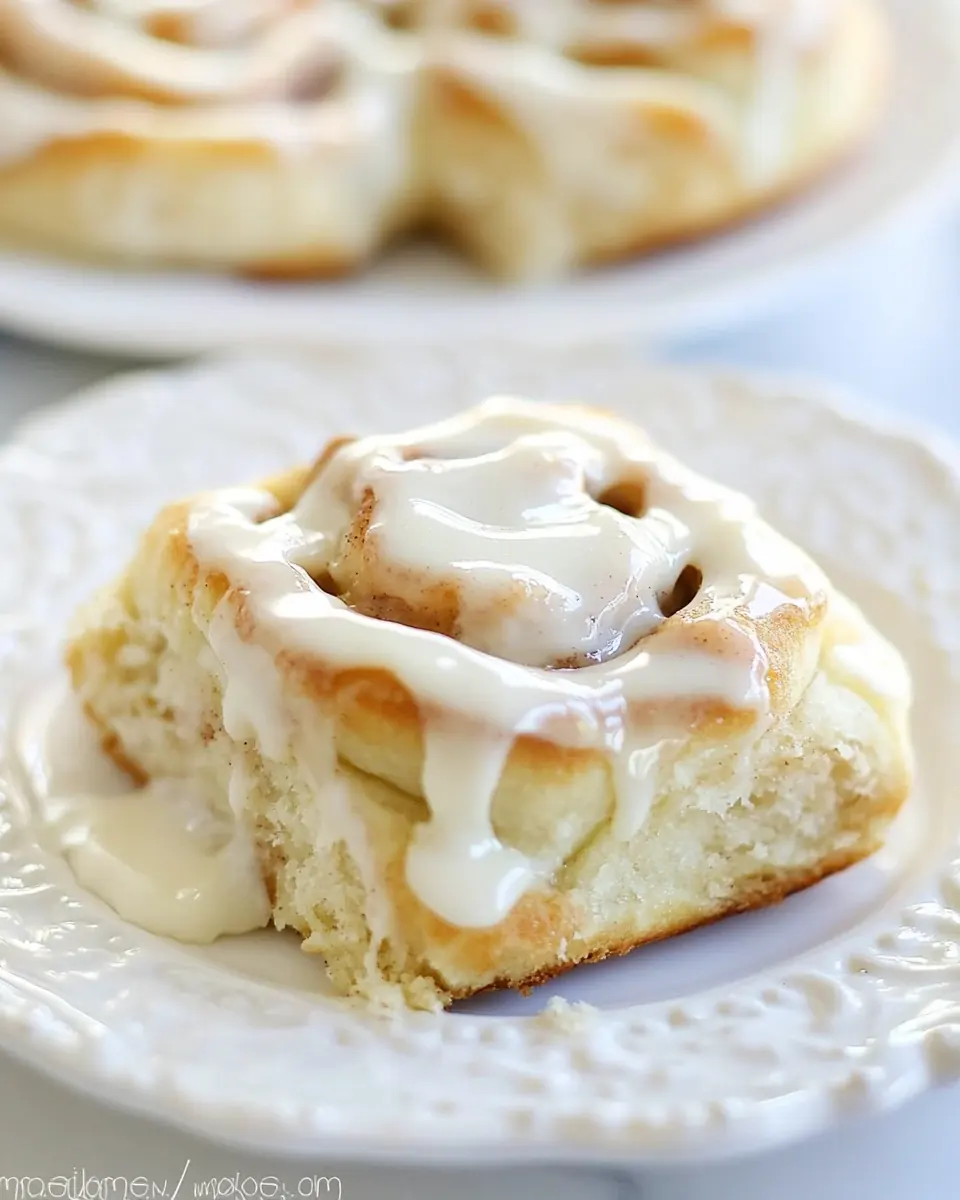
These ingredients work together to create a rich, elastic dough and a buttery, aromatic filling. The starches from 6 cups all-purpose flour give structure, while enriched additions like 2 eggs and pudding mix add tenderness. The dual butter entries act as both dough enrichers and a spreadable filling component, and the cream cheese icing finishes with a silky, slightly tangy glaze. Each player has a clear role in texture and flavor.
- 1/2 cup warm water: Provide warm liquid to activate yeast and help dissolve sugars; ensure temperature is around 100–110°F to avoid killing yeast. Promote dough hydration and help create a tender crumb by incorporating evenly into flour.
- 2 tablespoons active dry yeast: Activate and leaven the dough by producing carbon dioxide during fermentation; sprinkle into warm water with sugar to proof before mixing. Contribute to rise and airy texture when properly proofed and incorporated.
- 2 tablespoons white sugar: Add sweetness and aid yeast activation when dissolved in warm water; balance flavor in the dough and support browning during baking. Help create a caramelized crust and contribute minor moisture retention.
- 1 (3.4 ounce) package instant vanilla pudding (and milk called for to prepare it): Contribute moisture and flavor while adding structure due to its starches when prepared with milk; blend into dough for richer texture and subtle vanilla taste. Help tenderize the crumb and extend freshness of the rolls.
- 1/2 cup butter, melted: Provide fat for richness and tender crumb; melt before adding to dough to disperse evenly and incorporate smoothly. Help improve softness and mouthfeel while contributing to shelf life.
- 2 eggs: Add protein and moisture while helping with leavening and structure; beat eggs before adding to ensure even distribution. Contribute richness, color, and binding to the dough matrix.
- 1 teaspoon salt: Enhance overall flavor by balancing sweetness and strengthening gluten networks slightly; measure carefully to avoid overly salty dough. Help control yeast activity and improve crumb structure in small amounts.
- 6 cups all-purpose flour, (plus more as needed): Supply the bulk and structure of the dough by forming gluten when hydrated; sift or measure properly for consistent results. Allow for elasticity and chew while providing the base for all other ingredients.
- 1 cup unsalted butter, softened to room temperature: Provide a soft, spreadable fat for the filling to create creamy layers; bring to room temperature to blend smoothly with sugar and cinnamon. Contribute buttery flavor and help create tender, flaky spirals.
- 2 cups brown sugar: Offer deep, molasses-like sweetness for the filling and aid caramelization; cream with butter to form a cohesive, spreadable paste. Add moisture and texture contrast against the dough.
- 2 tablespoons ground cinnamon: Deliver warm, aromatic spice to the filling and define the classic cinnamon roll flavor; mix thoroughly with sugar to distribute evenly. Balance with other flavors and can be adjusted to taste for intensity.
- 8 ounces cream cheese: Create a tangy, creamy base for the frosting and add richness when softened and beaten with sugar; ensure room temperature for smooth blending. Contribute a slightly tart contrast to the sweet glaze.
- 1/2 cup unsalted butter, softened to room temperature: Add extra creaminess and butterfat to the frosting, helping achieve a spreadable consistency; soften to room temperature for easy incorporation. Provide buttery flavor and help stabilize the cream cheese glaze.
- 1 teaspoon vanilla: Impart sweet floral aroma and enhance overall flavor profile in the frosting; stir in sparingly and taste as you go. Help round out and elevate the cream cheese glaze.
- 4 cups confectioner’s sugar: Provide sweetness and structure to the frosting while dissolving into a smooth glaze; sift if clumpy for uniform texture. Help thicken and stabilize the frosting to hold on the rolls.
- 2 3 tablespoons whole milk or cream: Adjust the frosting consistency and add richness or creaminess; start with the lesser amount and add gradually to reach desired spreadability. Help thin the glaze for pouring or thicken it for spreading as preferred.
Step by Step Guide for Soft Cinnamon Rolls
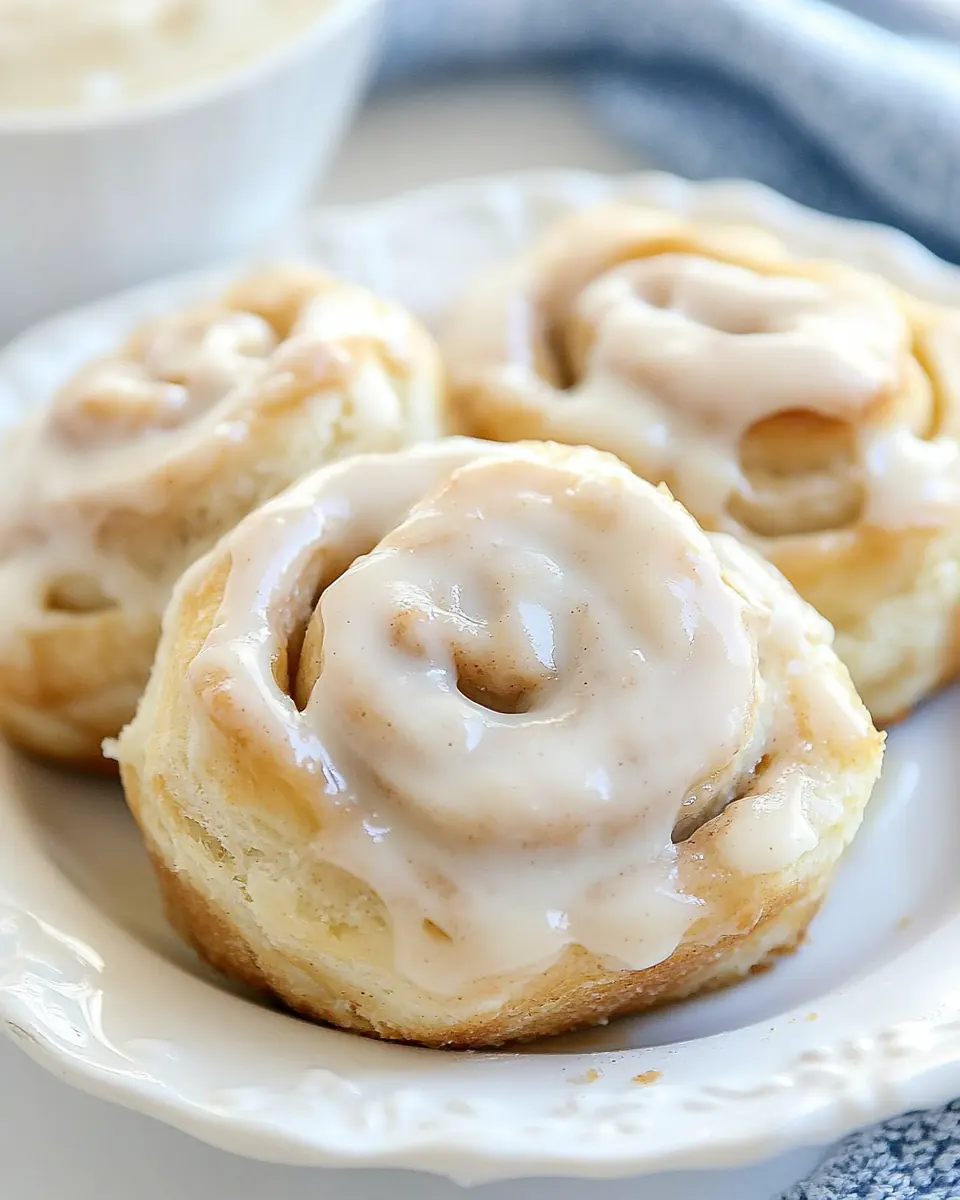
Below is a detailed, hands on walkthrough that mirrors how I work in my kitchen. I walk you through sensory cues, why each technique matters, and what to watch for so you get consistently soft, tender rolls. Keep a warm spot ready for rises and enjoy the ritual of shaping.
- First, in a small bowl combine water, yeast and sugar. Stir until dissolved. Set aside.: You should notice the water feels warm and comforting when you stir, and within five to ten minutes you may see a thin foamy cap forming which signals the yeast is awake. The aroma will be faintly yeasty and slightly sweet. This activation step matters because active yeast ensures a reliable rise and a tender crumb. A common mistake is using water that is too hot, which can kill the yeast; always test the temperature on your wrist. If no foam forms, give it another five to ten minutes, or start over with fresh yeast to avoid flat rolls.
- Next, in a large bowl, make pudding mix according to package directions. Add butter, eggs and salt to the pudding mixture and mix well.: The pudding will thicken and smell of vanilla, creating a creamy base that helps tenderize the dough. When you add the melted 1/2 cup butter and the beaten 2 eggs , the mixture will look glossy and slightly richer in color. Mixing until smooth ensures even hydration and prevents lumps that could create dry pockets in the dough. One pitfall is adding hot butter that cooks the eggs; let the butter cool briefly so it blends seamlessly. The salt should be dissolved so flavor balances the sweetness later on.
- Add the yeast mixture and mix together. Gradually add flour; knead until smooth. Add additional flour until dough is soft but not sticky (I added 7 cups total). Do not add too much flour.: As you incorporate the foamy yeast mixture, the batter will transition into a shaggy mass. As you gradually add the 6 cups all-purpose flour , the texture will firm. Kneading by hand or with a mixer develops gluten, giving the dough strength and elasticity, and you will feel it become smooth and springy under your palms. The right dough should be soft and tacky but not sticky, and it should hold shape when stretched. Overflouring leads to dry, dense rolls, so add flour incrementally and rely on feel rather than exact measures. If the dough seems too wet, pause and let it rest five minutes, as it often hydrates further.
- Place in a greased bowl. Cover and let rise until doubled.: Once the dough is transferred to an oiled bowl, its surface will feel slightly tacky and look smooth. Covering keeps the surface from forming a crust while the yeast produces CO2, causing the dough to swell and double in volume. This rise can take anywhere from forty minutes to a couple of hours depending on room temperature; you want the dough to feel airy and show visible expansion. I place mine in a slightly warm, draft free corner. A common mistake is allowing the dough to overproof, which causes a collapse and a coarse crumb; watch for the right volume rather than relying solely on time.
- Roll dough with a rolling pin onto a lightly floured surface about 34 X 21 inch rectangle in size. Take 1 cup soft butter and spread over surface. In bowl, mix the brown sugar and cinnamon. Sprinkle cinnamon filling over the top. Roll up very tightly starting with the long side. With knife put a notch every 1 1/2 inches. Cut with thread or serrated knife. Place on lightly greased baking dish 1 inch apart. Cover with a clean kitchen towel and let dough rise in a warm place until double again.: As you roll the dough into a large rectangle, the surface should be smooth and slightly springy. Spreading the soft 1 cup unsalted butter creates a glossy surface that helps the brown sugar and 2 tablespoons ground cinnamon adhere. The filling will look moist and fragrant, and when you roll it tightly you compress the layers so each slice has a swirl of filling. Use a sharp serrated knife or a length of thread to cut clean edges without squashing the roll structure. Arrange the rolls with some breathing room so they can puff and caramelize along the edges. During the second rise you will see them expand and puff up appreciably; this step is key to a soft interior. Avoid pressing down on them while rising, as this can deflate the rolls.
- Bake at 350 degrees for 15-20 minutes. Remove when they start to turn golden brown. Do not overbake! Frost rolls after rolls have cooled just a couple of minutes (directions below). You still want to frost them with cream cheese icing while they’re warm just not super hot!: When the oven heat envelops the tray, you will hear a faint crackling and sniff the warm, toasty scent of caramelizing sugar. The tops should reach a light golden brown at the edges and remain tender to the touch. Overbaking dries the rolls and makes them lose that tender, soft character, so watch the clock and oven cues closely. Let them cool only briefly so the icing spreads but does not melt away; the frosting should soften and sink slightly into the warm swirls for a glossy finish. A common error is leaving them in too long, creating a dry interior, so err on the side of a touch underbaked for a moist interior.
Ways to Adapt This Recipe
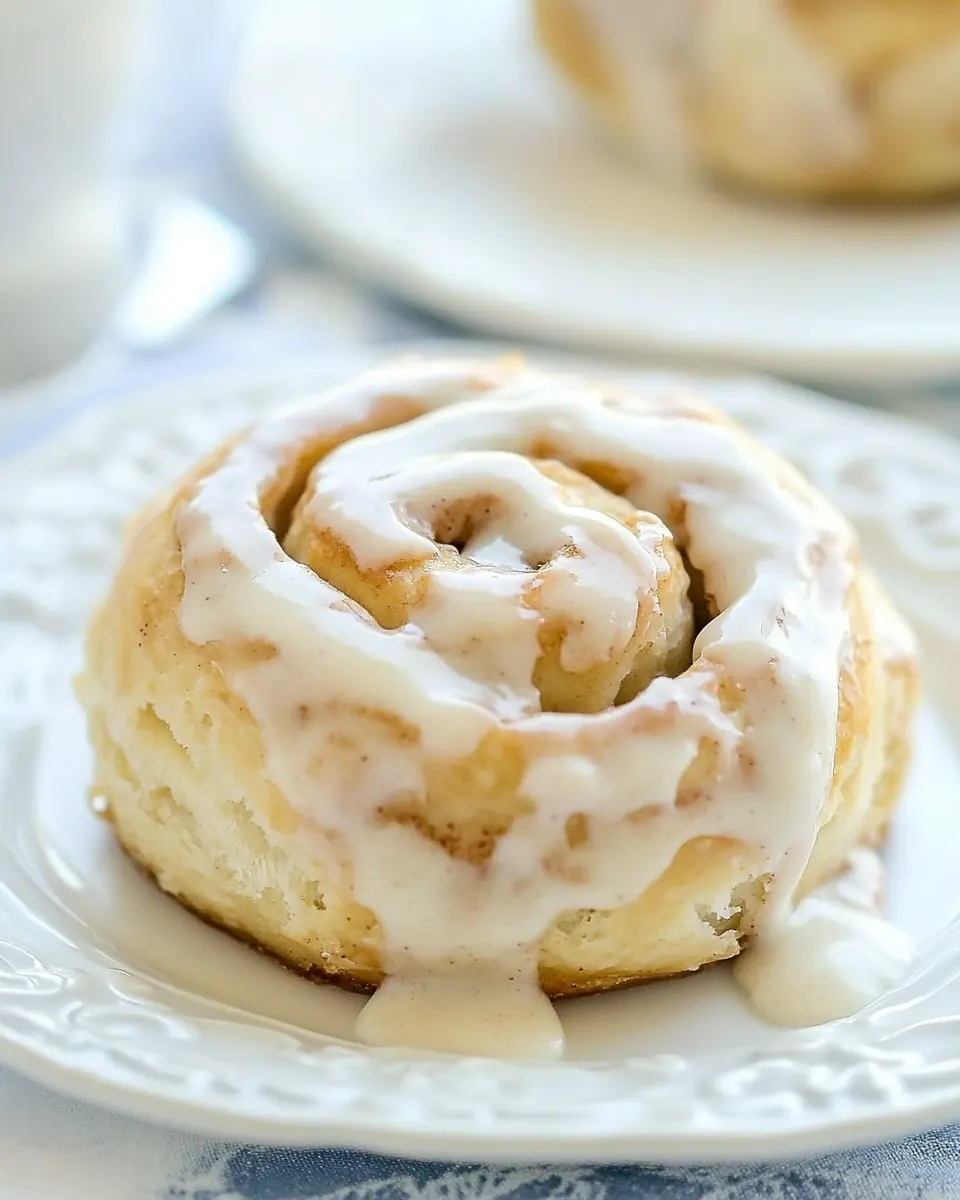
I like to offer small adjustments so these Soft Cinnamon Rolls fit your kitchen and schedule. Below are practical ideas that keep the core method intact while allowing flexibility for timing, texture, and flavor.
- Slightly reduce sugar: If you prefer a less sweet roll, reduce the 2 cups brown sugar in the filling by up to one quarter cup, and adjust the frosting amount. This preserves the cinnamon flavor while cutting cloying sweetness.
- Make ahead and freeze: Freeze rolled and cut unbaked rolls on a baking sheet, then wrap them tightly. When ready, thaw at room temperature, let rise, and bake according to the recipe for fresh baked results with minimal morning effort.
- Use whole milk or cream: Preparing the pudding and adding the optional cream yields a richer dough and a more tender crumb. It slightly increases fat content but improves mouthfeel and keeps rolls soft longer.
- Adjust cinnamon intensity: If you crave a bolder spice profile, increase the 2 tablespoons ground cinnamon by up to one tablespoon. Stir well with the 2 cups brown sugar to ensure even distribution and avoid pockets of spice.
- Frost while warm: Spread the 8 ounces cream cheese based frosting when rolls are warm but not piping hot. The heat will slightly melt the frosting for a lacy glaze that clings to each swirl without becoming runny.
What to Serve Alongside Soft Cinnamon Rolls
These rolls work well with a variety of beverages and light sides, and they fit many occasions from weekend breakfasts to holiday brunches. Below are suggestions for pairing, serving occasions, and storage ideas presented as a list so you can pick what suits your event.
- Warm beverage pairing: Serve with strong brewed coffee or spiced tea to balance the sweetness and complement the cinnamon aroma.
- Brunch buffet item: Present alongside fruit salads and savory quiches for a balanced spread that satisfies both sweet and savory preferences.
- Holiday morning: These rolls make a lovely addition to fall or winter holiday mornings, offering comfort and a bakeable item that can be prepared ahead.
- Casual breakfast: Offer with plain yogurt or a light fruit compote to offset richness while keeping the plate approachable.
- Serving temperature: Serve warm so the frosting melds into the swirls, improving texture and aroma; keep extras wrapped in foil to retain softness.
- Storage tips: Store in an airtight container at room temperature for up to two days, refrigerate for up to five days, or freeze unbaked as suggested to preserve freshness for longer.
- Occasion flexibility: Ideal for weekend family breakfasts, brunch gatherings, or anytime you want a cozy homemade treat that feels celebratory but easy to share.
FAQ
Conclusion
These Soft Cinnamon Rolls stand out for their tender, enriched dough and the comforting balance of buttery cinnamon filling with tangy cream cheese frosting. They reward patience and simple technique with generous aroma and satisfying texture, making them perfect for family breakfasts and special brunches. I encourage you to give them a try, take your time with the rises, and enjoy the ritual of rolling and sharing warm, gooey swirls. Baking these is a lovely way to make mornings feel a little more celebratory and connected.
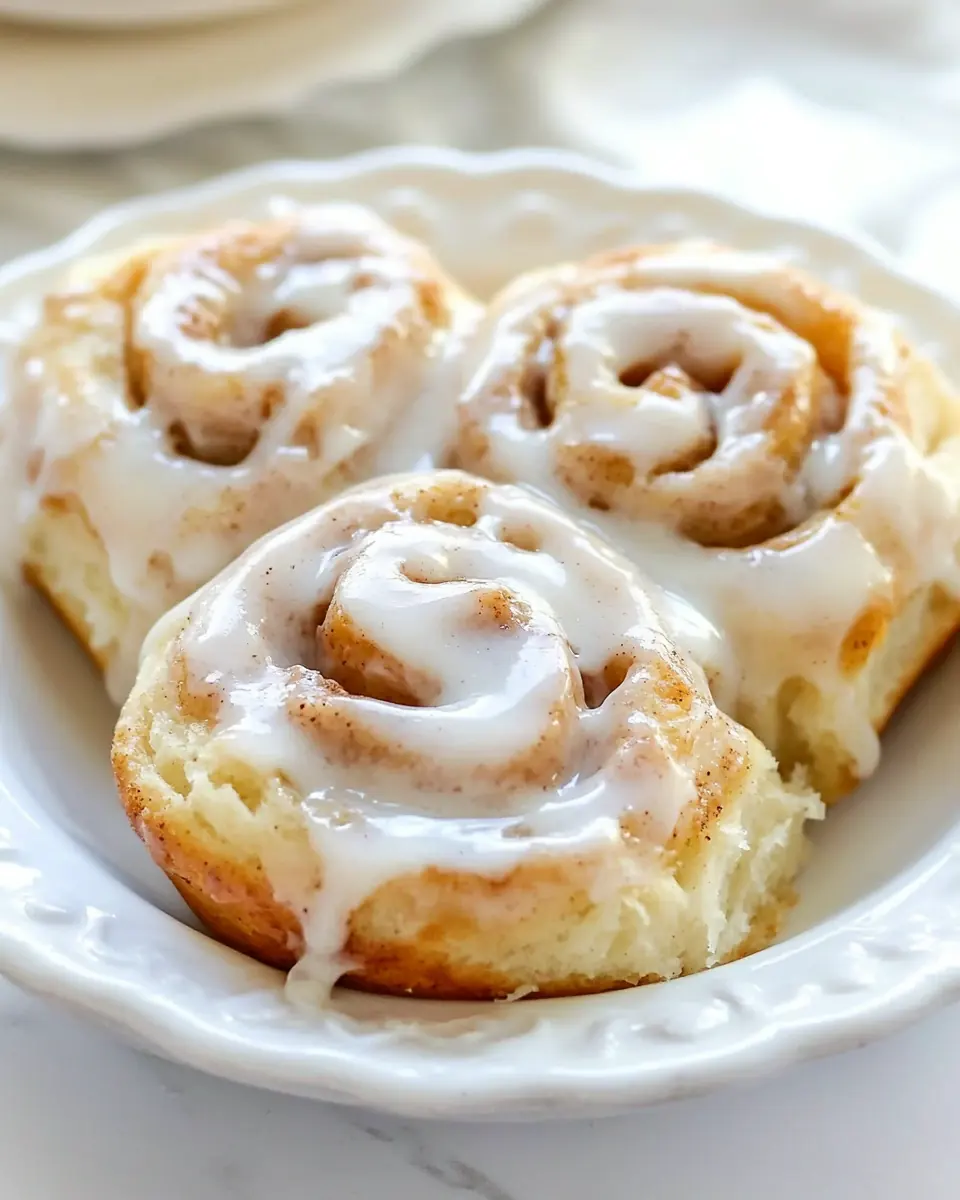
Soft Cinnamon Rolls
Ingredients
Equipment
Method
- First, in a small bowl combine water, yeast and sugar. Stir until dissolved. Set aside.: You should notice the water feels warm and comforting when you stir, and within five to ten minutes you may see a thin foamy cap forming which signals the yeast is awake. The aroma will be faintly yeasty and slightly sweet. This activation step matters because active yeast ensures a reliable rise and a tender crumb. A common mistake is using water that is too hot, which can kill the yeast; always test the temperature on your wrist. If no foam forms, give it another five to ten minutes, or start over with fresh yeast to avoid flat rolls.
- Next, in a large bowl, make pudding mix according to package directions. Add butter, eggs and salt to the pudding mixture and mix well.: The pudding will thicken and smell of vanilla, creating a creamy base that helps tenderize the dough. When you add the melted 1/2 cup butter and the beaten 2 eggs , the mixture will look glossy and slightly richer in color. Mixing until smooth ensures even hydration and prevents lumps that could create dry pockets in the dough. One pitfall is adding hot butter that cooks the eggs; let the butter cool briefly so it blends seamlessly. The salt should be dissolved so flavor balances the sweetness later on.
- Add the yeast mixture and mix together. Gradually add flour; knead until smooth. Add additional flour until dough is soft but not sticky (I added 7 cups total). Do not add too much flour.: As you incorporate the foamy yeast mixture, the batter will transition into a shaggy mass. As you gradually add the 6 cups all-purpose flour , the texture will firm. Kneading by hand or with a mixer develops gluten, giving the dough strength and elasticity, and you will feel it become smooth and springy under your palms. The right dough should be soft and tacky but not sticky, and it should hold shape when stretched. Overflouring leads to dry, dense rolls, so add flour incrementally and rely on feel rather than exact measures. If the dough seems too wet, pause and let it rest five minutes, as it often hydrates further.
- Place in a greased bowl. Cover and let rise until doubled.: Once the dough is transferred to an oiled bowl, its surface will feel slightly tacky and look smooth. Covering keeps the surface from forming a crust while the yeast produces CO2, causing the dough to swell and double in volume. This rise can take anywhere from forty minutes to a couple of hours depending on room temperature; you want the dough to feel airy and show visible expansion. I place mine in a slightly warm, draft free corner. A common mistake is allowing the dough to overproof, which causes a collapse and a coarse crumb; watch for the right volume rather than relying solely on time.
- Roll dough with a rolling pin onto a lightly floured surface about 34 X 21 inch rectangle in size. Take 1 cup soft butter and spread over surface. In bowl, mix the brown sugar and cinnamon. Sprinkle cinnamon filling over the top. Roll up very tightly starting with the long side. With knife put a notch every 1 1/2 inches. Cut with thread or serrated knife. Place on lightly greased baking dish 1 inch apart. Cover with a clean kitchen towel and let dough rise in a warm place until double again.: As you roll the dough into a large rectangle, the surface should be smooth and slightly springy. Spreading the soft 1 cup unsalted butter creates a glossy surface that helps the brown sugar and 2 tablespoons ground cinnamon adhere. The filling will look moist and fragrant, and when you roll it tightly you compress the layers so each slice has a swirl of filling. Use a sharp serrated knife or a length of thread to cut clean edges without squashing the roll structure. Arrange the rolls with some breathing room so they can puff and caramelize along the edges. During the second rise you will see them expand and puff up appreciably; this step is key to a soft interior. Avoid pressing down on them while rising, as this can deflate the rolls.
- Bake at 350 degrees for 15-20 minutes. Remove when they start to turn golden brown. Do not overbake! Frost rolls after rolls have cooled just a couple of minutes (directions below). You still want to frost them with cream cheese icing while they’re warm just not super hot!: When the oven heat envelops the tray, you will hear a faint crackling and sniff the warm, toasty scent of caramelizing sugar. The tops should reach a light golden brown at the edges and remain tender to the touch. Overbaking dries the rolls and makes them lose that tender, soft character, so watch the clock and oven cues closely. Let them cool only briefly so the icing spreads but does not melt away; the frosting should soften and sink slightly into the warm swirls for a glossy finish. A common error is leaving them in too long, creating a dry interior, so err on the side of a touch underbaked for a moist interior.
Notes
- Slightly reduce sugar: If you prefer a less sweet roll, reduce the 2 cups brown sugar in the filling by up to one quarter cup, and adjust the frosting amount. This preserves the cinnamon flavor while cutting cloying sweetness.
- Make ahead and freeze: Freeze rolled and cut unbaked rolls on a baking sheet, then wrap them tightly. When ready, thaw at room temperature, let rise, and bake according to the recipe for fresh baked results with minimal morning effort.
- Use whole milk or cream: Preparing the pudding and adding the optional cream yields a richer dough and a more tender crumb. It slightly increases fat content but improves mouthfeel and keeps rolls soft longer.
- Adjust cinnamon intensity: If you crave a bolder spice profile, increase the 2 tablespoons ground cinnamon by up to one tablespoon. Stir well with the 2 cups brown sugar to ensure even distribution and avoid pockets of spice.
- Frost while warm: Spread the 8 ounces cream cheese based frosting when rolls are warm but not piping hot. The heat will slightly melt the frosting for a lacy glaze that clings to each swirl without becoming runny.