Heat olive oil over medium heat in a large soup pot.: When the oil shimmers faintly and moves easily across the pot, the pan is ready. You'll hear a subtle thin sound as the oil spreads, and it will throw off a faint, warm aroma. This step matters because the oil carries heat to the aromatics and spices, releasing their flavor gently. A common mistake is heating the oil until it smokes, which will impart a bitter note, so keep the flame at medium, and if you see smoke, remove the pot from heat and let it cool slightly before proceeding.
Saute onions and garlic for about 5 minutes, until translucent and fragrant, taking care not to burn the garlic.: As the onion softens, it will turn glossy and nearly transparent at the edges, releasing a sweet scent that signals the Maillard reactions beginning. The garlic will add a bright, savory perfume, but it browns quickly, so stir frequently to keep it from sticking to the pan. This slow sweating builds the soup's savory foundation; rushing this step by using high heat will give harsh browned bits instead of gentle sweetness, so lower the heat if you see rapid browning.
Add cardamom and cumin, and toast lightly, careful not to burn.: When you add the ground spices, they'll bloom in the hot oil, releasing a heady fragrance that lifts from the pot in warm plumes. The scent should become more complex, with cardamom lending floral notes and cumin adding smoky earth. Keep the heat low and stir constantly for just a few breaths until the aroma intensifies. Burning the spices will create acrid flavors, so if you sense bitterness, remove the pot from heat and start fresh with new spices.
Add cubed squash and stir to coat with oil and spices.: As you tumble the 1 inch cubes into the pot, you'll see the spices cling to the flesh, and the surface will take on a glossy, spiced sheen. This coating step helps each piece absorb flavor as it cooks, and it encourages slight caramelization at the edges, which adds depth. Make sure pieces are evenly coated and spread in a single layer when possible; overcrowding the pot can trap steam and prevent that gentle browning, so use a wide pot and stir to distribute heat.
Pour in broth, stir, and bring to a boil.: When the vegetable broth hits the pot, it will lift any browned bits from the bottom, incorporating their flavor into the liquid. As you stir, you will see the surface move into rolling bubbles when it reaches a boil. Bringing the mixture to a boil kickstarts the cooking process, but keep an eye on the vigor; an aggressive boil can disintegrate the squash exterior while leaving centers firmer. Aim for a steady, lively boil then lower to a gentle cooking pace once boiling is achieved.
Reduce heat to a low boil, cover, and cook for 35-40 minutes, until vegetables are tender and easily mashed with a fork.: During this long, slow simmer the squash softens and the flavors meld. You should hear only a soft whisper of bubbles beneath the lid, and when you pierce a cube with a fork it should yield without resistance. This patient cooking extracts sweetness and allows the texture to become lusciously tender. A common issue is undercooking, which leaves fibrous bits, so test multiple cubes from different squashes to ensure uniform tenderness.
Strain vegetables, reserving about 2 cups of broth, more for thinner soup.: Pour the cooked mixture through a sieve into a bowl, catching the broth separately. The broth will be infused with spice and squash essence, and reserving it gives you control over final consistency. Straining also removes fibrous bits and any excess skins for a cleaner puree. Be careful when handling hot liquid, use a ladle and steady hands, and never force-push solids through the sieve which can lead to gritty texture.
Puree half the vegetables, reserving half of the squash cubes.: Use a blender or an immersion tool to puree only part of the cooked squash so the soup keeps a pleasing mix of silk and tender chunks. The puree should be smooth and creamy in texture, releasing a sweet, roasted aroma. Leaving half the cubes intact ensures each bowl has textural contrast. Over-pureeing every piece will yield a single texture that can feel heavy, while under-pureeing may leave the soup too chunky, so aim for balance.
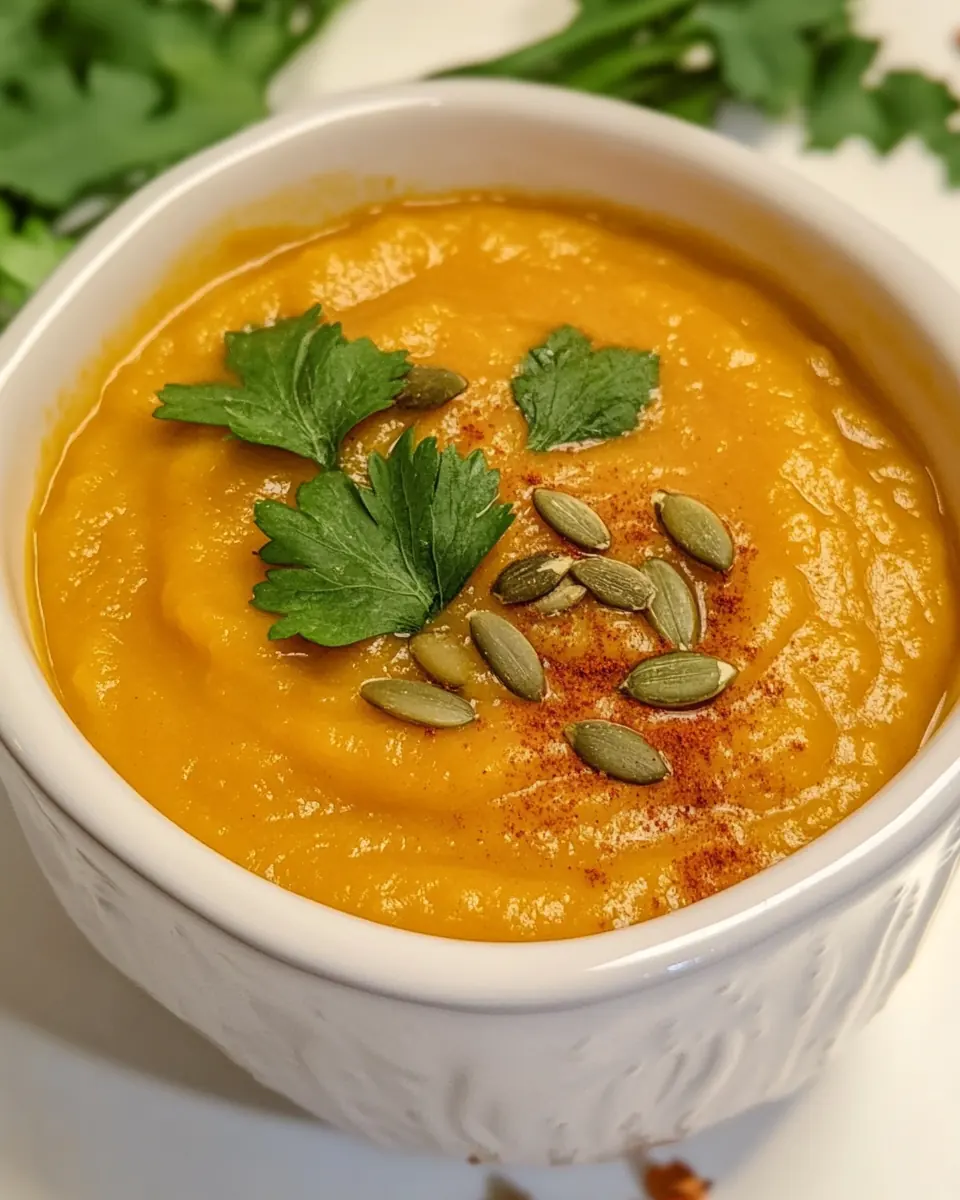
Pour pureed and cubed cooked squash back in pot, add coconut milk and stir. Salt and pepper to taste. Warm and stir to thicken. Serve hot.: Return the combined squash to the pot, then pour in the coconut milk , which will swirl into the deep orange puree in soft ribbons. Warm gently while stirring to integrate the creaminess; you should see the surface develop a satiny sheen. This step binds flavors and adds a subtle sweetness that keeps the soup rounded. Avoid boiling vigorously after adding coconut milk to prevent separation and an uneven texture.
Salt and pepper to taste. Warm and stir to thicken. Serve hot: Finish by seasoning with salt and black pepper , tasting as you go to hit the point where the spices sing and the sweetness is balanced. Warm the soup through until it develops a slightly thicker body and the surface looks glossy, then ladle into bowls while hot. A frequent mistake is over-salting at the beginning; always adjust at the end when flavors have concentrated, and if you overdo it, add a bit more reserved broth to mellow the saltiness.