Preheat oven to 350°F. Spray a 9×5-inch loaf pan with nonstick baking spray (the kind with flour in it) or grease and flour the pan.: As the oven warms to 350°F , you will notice a faint metallic hum and a gentle heat building in the kitchen. Preheating ensures the loaf begins to rise immediately when it hits the oven, producing an even crumb and a nicely domed top. Using a nonstick baking spray that contains flour creates a thin barrier that helps the loaf release cleanly, while greasing and flouring yields the same result when done well. Common mistakes include placing a cold batter in an underheated oven, which can lead to dense texture, so always wait until the oven reaches temperature. If the sides stick after cooling slightly, gently slide a thin knife around the loaf before inverting the pan.
Add banana to a large bowl. Mash with a fork or potato masher.: The mashed banana should be soft and fragrant, with a few small lumps remaining for texture. Mashing releases natural sugars and moisture that sweeten the batter and tenderize the crumb. Use a fork or potato masher and press until mostly smooth; overworking can make the mixture overly watery, while under-mashing leaves large chunks that may create uneven pockets. A common pitfall is using a banana that is not ripe enough, which reduces sweetness and moisture. If the mash is very thin, drain off a bit of excess liquid to avoid a soggy loaf.
Add eggs, water, 1 teaspoon vanilla, and oil. Stir.: When you add the eggs , water , vanilla extract , and vegetable oil , the batter will become glossy and silky, a visual cue that the wet ingredients are emulsifying. Stir until the mixture looks homogeneous but not foamy. The eggs provide structure, while the oil keeps the loaf tender and moist. One mistake is combining cold eggs directly with oil which can cause slight separation; bringing eggs to room temperature helps uniform mixing. If you see small beads of oil, stir gently until fully incorporated.
Add sugar and pancake mix. Stir to combine.: As you add the granulated sugar and Krusteaz Pancake Mix , the batter will thicken and become paler. The sugar helps with browning and flavor, while the pancake mix provides the leavening and structure needed for a light crumb. Stir gently until all streaks of dry mix are gone; overmixing at this stage can develop gluten and create toughness. A frequent error is vigorous mixing, which yields a denser loaf. Aim for a few small streaks disappearing rather than a vigorous blending, and stop once combined.
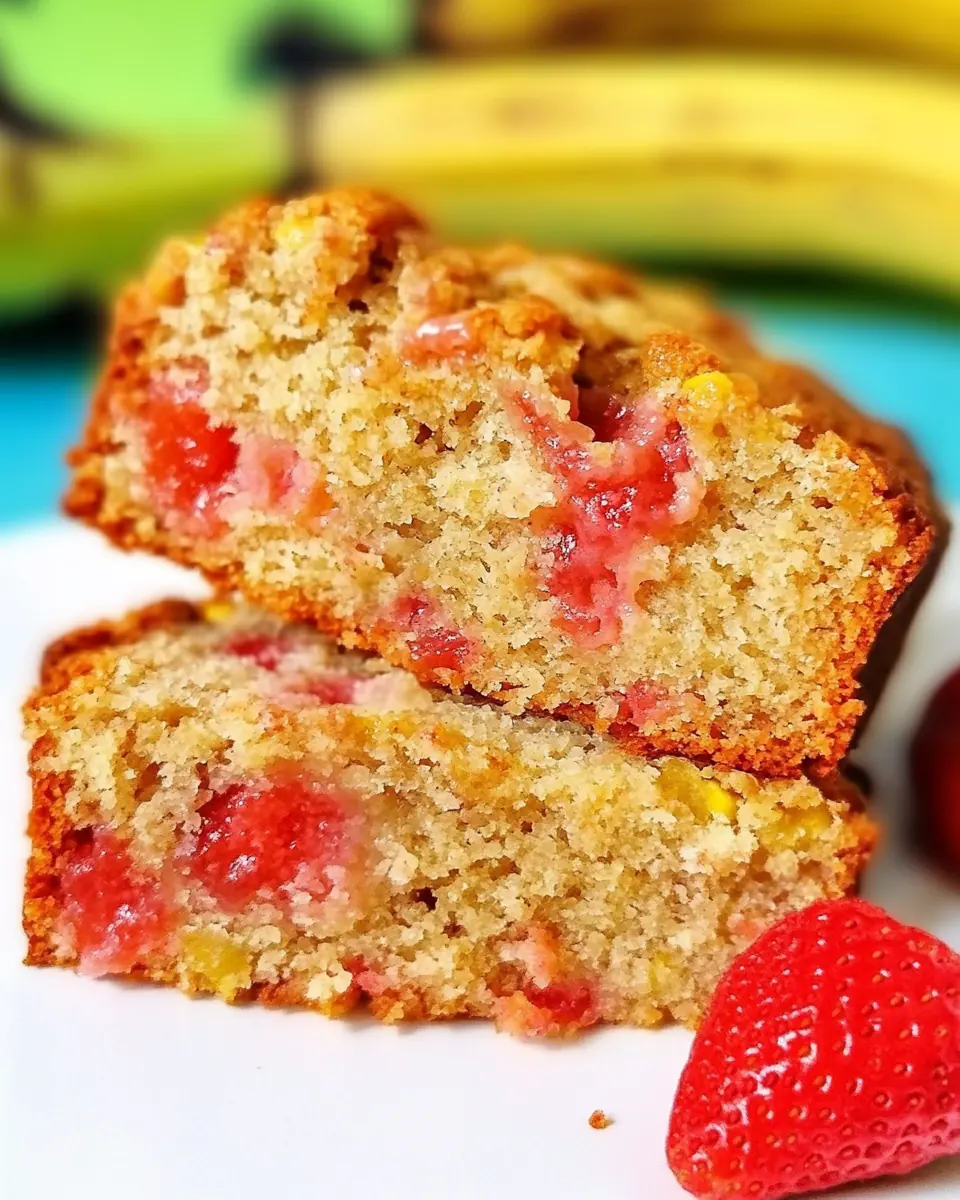
Gently fold in strawberries. Pour batter into prepared pan.: Folding in the chopped strawberries should be done with a soft, deliberate motion so the fruit remains intact and evenly distributed. You will see bright flecks of red against the batter, and the bowl will smell fresher and fruitier. Folding preserves the airiness of the batter and prevents the fruit from breaking down into mush. If you stir too aggressively, the strawberries will bleed and the batter may become overly wet, causing sinking. Spoon the batter into the pan and smooth the top gently so the loaf bakes evenly.
Bake for 40-50 minutes or until a toothpick comes out clean or with just a few crumbs right from the center of the loaf. Cool 15-20 minutes before removing from pan. Cool completely before frosting.: While the loaf bakes, the kitchen will fill with a warm, sweet aroma, and the top will deepen to a golden hue with slightly caramelized edges. The ideal sign of doneness is a clean or nearly clean toothpick from the center, indicating the interior is set but still moist. Allowing the loaf to cool in the pan for 15 to 20 minutes helps it firm up, preventing it from falling apart when removed. A common issue is opening the oven too early, which causes the center to sink; try to avoid peeking until at least 35 to 40 minutes have passed. If the top browns too quickly, tent with foil for the remaining time to prevent burning.
Make the glaze: whisk together powdered sugar with 1/2 teaspoon vanilla, strawberry extract (if using), and 2 tablespoons heavy cream. Add more cream as needed for consistency. Add food coloring, if desired. Frost bread. Frosting won't set completely but will get a crust on the outside.: whisk together powdered sugar with 1/2 teaspoon vanilla, strawberry extract (if using), and 2 tablespoons heavy cream. Add more cream as needed for consistency. Add food coloring, if desired. Frost bread. Frosting won't set completely but will get a crust on the outside. : The glaze should be glossy and smooth, with a silky pour that coats the back of a spoon. Whisking powdered sugar with vanilla extract , optional strawberry extract , and heavy whipping cream creates a sweet, fragrant topping that highlights the fruity notes. Adjust thickness by adding more cream for a thinner glaze or more powdered sugar for a thicker one. If the glaze is too runny the first time, add a bit more powdered sugar in small increments. A typical error is applying glaze while the loaf is too warm; wait until it is cool to the touch to avoid a melting, overly runny finish.
Store bread covered for up to 3 days on the counter or freeze unfrosted bread for up to 3 months.: Stored in an airtight container, slices will remain soft and flavorful for a few days at room temperature, and freezing unfrosted slices preserves freshness for months. When freezing, wrap tightly to prevent freezer burn and thaw slowly at room temperature before glazing. Avoid refrigerating the loaf uncovered, which can dry it out quickly; moisture loss is the main culprit for stale texture. If you notice dryness after a day, briefly warm a slice in a toaster oven to restore some softness.