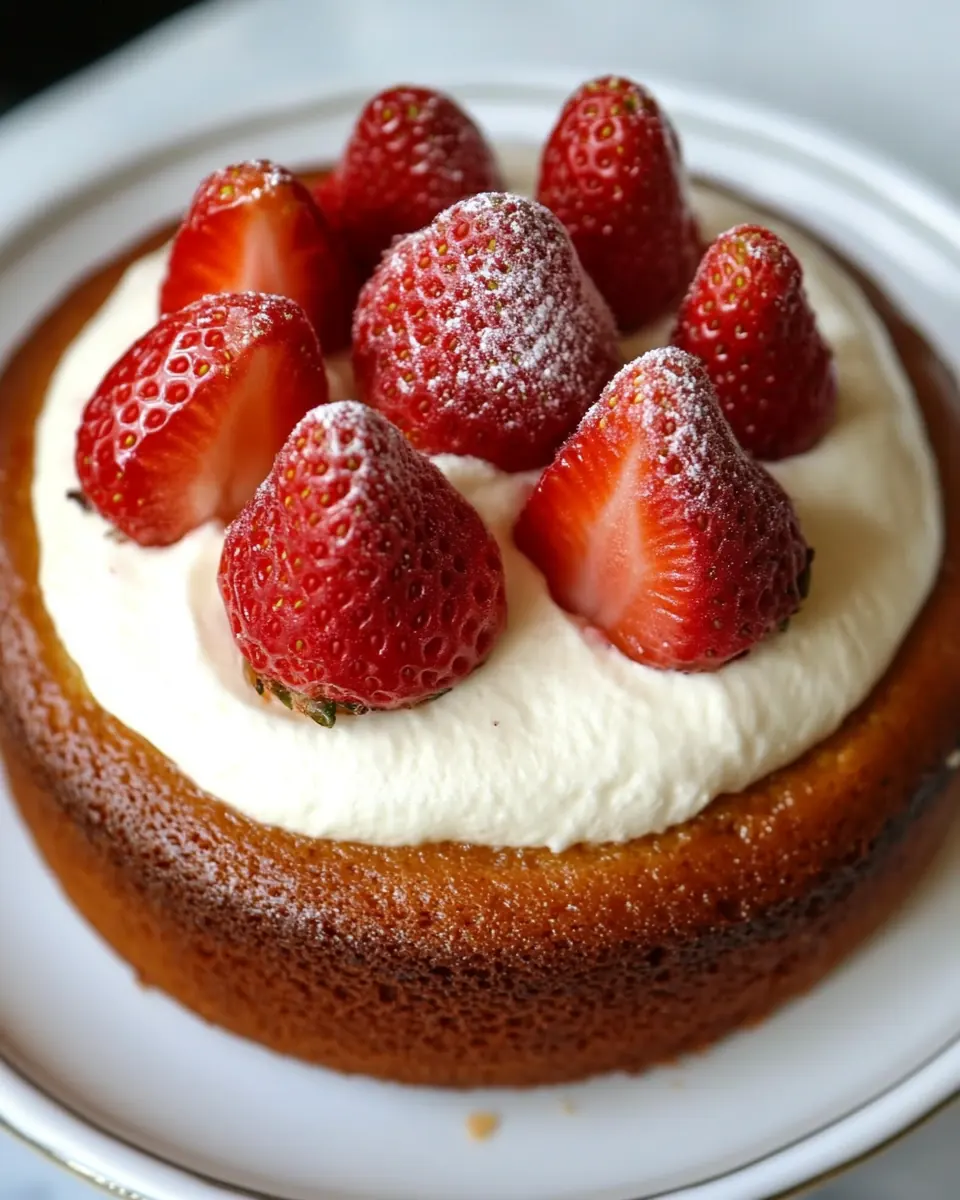
Preheat oven to 400°F with rack in middle. Butter and flour an 8-inch spring form cake pan or a 9-inch regular metal cake pan. If using a spring form cake pan, cut a round piece of parchment paper to fit the bottom of the pan and place in the pan.: The kitchen fills with a warm, anticipatory scent as the oven climbs to temperature, and preheating ensures even rise and predictable browning; you should feel the steady warmth if you hold your hand near the closed oven door. A common misstep is sliding the cake into an oven that is not fully heated, which can result in uneven rise and a dense center. Also, prepare your pan now by buttering and flouring an 8-inch spring form or a 9-inch regular metal cake pan so the batter will not stick. If you use a spring form, cutting a round piece of parchment for the bottom prevents leakage, and pressing it smoothly into the pan avoids wrinkled edges that affect the cake shape.
Whisk together flour, baking powder, baking soda, and salt and set aside. In a larger bowl, beat butter and sugar with an electric mixer at medium-high speed until pale and fluffy, then beat in vanilla and zest. Add the egg and beat well.: As you whisk, you will hear a gentle rustle and see the dry ingredients become uniformly pale and aerated; this even distribution prevents pockets of rising agent and ensures the cake lifts evenly. Mixing ahead keeps you organized and prevents overworking the batter later. A frequent mistake is skimping on whisking, which can leave lumps or uneven texture in the crumb, so take a moment here to get an even blend and then set the bowl aside.
At low speed, mix in flour mixture in three batches, alternating with buttermilk, beginning and ending with flour, and mixing until just combined. Spoon batter into prepared cake pan, smoothing out the top. Scatter strawberries evenly over top, loading in as many as you would like. Sprinkle the top of the batter with the lemon sugar.: Beating softened butter and sugar on medium-high speed traps tiny air pockets, and you will notice the color change to a lighter, almost creamy hue; this aeration contributes to a lighter cake structure. Add the vanilla and lemon zest next so their aroma infuses the fat. When you incorporate the large egg , the mixture will smell richer and the texture smoother. Overbeating at this stage can produce a batter that collapses when combined with liquids, so stop once the mixture is glossy and holds soft peaks for best results.
Bake until cake is golden and a wooden pick inserted into the center comes out clean, 20 to 25 minutes. Cool in the pan for 10 minutes, then remove the spring form or invert from your pan, and cool.: At low speed, add the dry ingredients in three batches, alternating with buttermilk , beginning and ending with the dry mix; you will notice the batter slowly thicken and take on a silky sheen. This technique prevents overdeveloping gluten, which keeps the crumb soft. Work just until combined, because overmixing will produce a tougher texture and visible strings of gluten. If the batter seems too stiff after the last addition, a few gentle folds with a spatula are better than prolonged mixing with the mixer.
To make the preserved strawberries, place the strawberries in a heavy, medium-size pot with the sugar and the lemon juice. Bring to a boil over medium heat – as the fruit begins to juice, the sugar will melt. Reduce the heat to a simmer and cook for about 30 minutes, skimming off the foam, if you’d like.: The batter should look creamy and have a satiny surface as you level it; use a spatula to create an even layer so the cake bakes uniformly. Then scatter a handful of fresh strawberries across the top, tucking them gently into the batter; you will get a pleasing pattern of berries peeking out after baking. Resist the urge to press the berries deeply, which can make the center sink, and avoid overloading the surface so heat still reaches the batter between berries.
Sprinkle the top of the batter with lemon sugar: As the cake bakes, the lemon sugar on top will caramelize lightly, giving a thin crackle and a citrus-kissed crunch that contrasts the tender crumb. The aroma of caramelizing sugar and citrus will become noticeable after a few minutes in the oven, and that scent is a good indicator you are on track. Use the correct amount because too much sugar can cause an overly hard crust or uneven browning.
Bake until golden and a wooden pick comes out clean: During baking you will see the edges pull away slightly from the pan and the top achieve a warm golden color; tapping the top gently should produce a slight spring. Start checking at 20 minutes and expect it to take 20 to 25 minutes total; the wooden pick should emerge with just a few moist crumbs, not wet batter. Opening the oven too often to check can cause temperature fluctuations and an uneven rise, so rely on visual cues and timed checks.
Cool in the pan for 10 minutes then remove and cool: After baking, the first ten minutes in the pan let the structure settle so the cake does not crack or fall. When you release the spring form or invert from a regular pan, you should feel the gentle warmth still present in the crumb and smell the mingled notes of butter and citrus. Cooling fully on a rack prevents residual steam from making the bottom soggy; slicing while too warm can cause crumbling, and chilling too long may make the cake firmer than desired.
Place strawberries, sugar, and lemon juice in a heavy pot: For the preserves, the pot will begin to steam and then bubble as the sugar draws moisture from the strawberries ; you will hear a rising chatter of bubbles and see the fruit soften and release bright red juices. Using a heavy pot ensures even heat distribution and prevents scorching as the syrup thickens. A common error is cooking too rapidly on high heat, which risks burnt fruit and an overly dark syrup; keep the heat moderate so the preserve cooks gently.
Bring to a boil then reduce to a simmer and cook about 30 minutes: As the mixture moves from a boil to a confident simmer, steam will rise and the aroma of cooked berries will deepen into a concentrated, jammy scent. Skimming foam if desired yields a clearer syrup, and the preserves will thicken as water evaporates and fruit breaks down. Stir occasionally to avoid sticking, and watch for the moment when syrup coats the back of a spoon for a good consistency; rushing this step results in runny preserves that will not cling to the cake.