Strawberry Buttermilk Cake with Preserved Whole Strawberries
Strawberry Buttermilk Cake with Preserved Whole Strawberries has been one of those recipes that instantly takes me back to sunlit kitchens and loud summer laughter.
I remember the first time I baked this cake, my hands sticky from stirring bowls while a radio crooned in the background, and the house smelled like warm sugar and bright citrus. I was nervous about loading the top with so many berries, but I wanted the fruit to feel generous, honest, and visible. That batch came out with a tender crumb soaked just enough by tangy buttermilk and flecks of lemon zest, while whole strawberries on top held their shape and burst with syrupy sweetness from the preserves. Friends arrived as I was finishing the glaze and the room filled with the sound of forks and delighted exclamations. I found myself grinning at the table, surprised at how simple tweaks elevate a humble cake.
Over seasons I refined small things, like the rhythm of folding batter and the exact number of berries to scatter, so the cake never sinks in the middle and each slice carries a ribbon of fruit. What I love most is how the preserved strawberries add a second act, a jewel like layer you can spoon over warm slices. When you serve this at brunch or for an afternoon tea, it reads as both rustic and considered. I hope you let this recipe be one you turn to when fresh berries are at their peak, or when you want to impress without fuss. Happy baking, and enjoy the little rituals that make kitchen time feel special.
Recipe Snapshot
50 mins
20 mins
30 mins
Medium
300 kcal
American
Gluten-Free, Low FODMAP
Desserts
8-inch spring form cake pan or 9-inch regular metal cake pan, Mixing bowls, Electric mixer, Heavy medium-size pot, Wooden pick or toothpick
Why This Strawberry Buttermilk Cake with Preserved Whole Strawberries Is a Winner
Bright, seasonally perfect flavor
I adore how strawberries and lemon zest play together in this cake, offering a bright contrast to the tang of buttermilk. The fruit keeps the cake from tasting cloying, and the tartness keeps every bite lively. I often reach for this when berries are at their sweetest, because it captures that fleeting moment.
Texture that’s surprising yet comforting
The crumb of this Strawberry Buttermilk Cake with Preserved Whole Strawberries is tender, with a gentle elasticity from the eggs and a soft crumb from the measured mixing. When baked correctly, the top browns lightly while the interior stays moist. I love how the preserved strawberries add a syrupy counterpoint that makes each forkful feel a little decadent without being heavy.
Straightforward technique with impressive results
What I appreciate most is that you do not need fancy equipment to succeed. Mixing the batter thoughtfully, alternating dry and wet ingredients, and arranging whole strawberries on top gives a professional look with home-kitchen ease. I teach this to friends because the steps are forgiving, and they get a confident outcome fast.
Versatile for many occasions
This cake can be a star at brunch, a relaxed dessert for a weeknight meal, or a lovely offering at a spring gathering. Because the preserved fruit keeps well, you can make it ahead, which frees up time on the day you serve. I often make the preserves the night before so the flavors can deepen overnight.
Celebratory but not finicky
The recipe feels celebratory because of the glossy preserved strawberries and the neat presentation when sliced, yet it embraces rustic charm. I love the contrast between the modest technique and the pretty result, which makes it an easy recipe to recommend when you want to impress without stress.
What Goes Into Strawberry Buttermilk Cake with Preserved Whole Strawberries
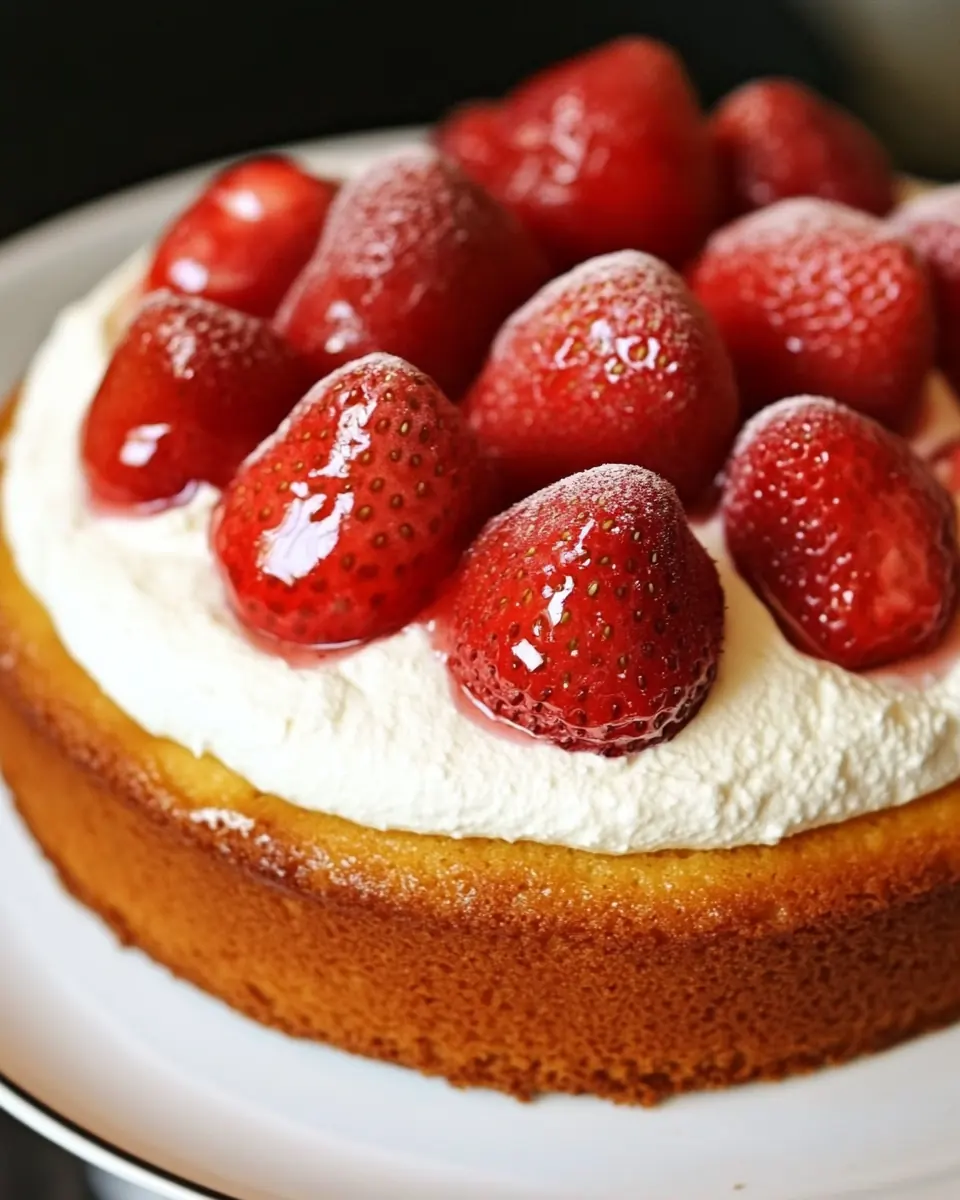
These ingredients are chosen to balance tenderness, lift, and bright fruit flavor. The key players are the all-purpose flour and leaveners that create structure, buttermilk and egg for richness and moisture, and the dual sugars that both sweeten and help the fruit release its juices. The preserved strawberries deepen the berry flavor and provide a syrupy finish that contrasts the cake’s gentle crumb.
- 1 cup all-purpose flour: Provides structure and bulk to the cake batter, forming the gluten network that traps gases during baking. Sifts or measures carefully to maintain a tender crumb and even texture. Works with leaveners to create proper rise and lightness.
- 1/2 teaspoon baking powder: Leavens the cake gently by releasing small amounts of gas when heated, contributing to subtle lift. Measures precisely to avoid a soapy or metallic taste in the finished cake. Balances with baking soda to achieve even texture and proper crumb.
- 1/2 teaspoon baking soda: Reacts with acidic components like buttermilk to produce carbon dioxide, giving the cake its rise and tender crumb. Helps neutralize excess acidity and promotes browning during baking. Requires accurate measurement to prevent over-doming or collapse.
- 1/4 teaspoon salt: Enhances overall flavor by balancing sweetness and acidity, while strengthening the dough's protein bonds slightly. Prevents blandness and supports leavening reactions. Use sparingly to avoid making the cake taste salty.
- 1/2 stick unsalted butter, softened: Adds moisture, richness, and flavor while contributing to tender crumb through fat coating flour proteins. Creams with sugar to incorporate air and help create a light texture. Softened butter ensures proper emulsification with wet ingredients.
- 2/3 cup sugar: Sweetens the cake and helps with tenderization by drawing moisture into the batter, aiding creaming with butter to form air cells. Dissolves into the batter to promote even browning and flavor distribution. Can be adjusted slightly for personal sweetness preference.
- 1 teaspoon homemade vanilla extract: Imparts aromatic depth and warm flavor from vanilla compounds, rounding out the cake's taste profile. Homemade extract can be more concentrated and complex than commercial versions. Adds a subtle sweet aroma without adding liquid imbalance when used in measured amounts.
- 1 teaspoon finely grated lemon zest: Contributes bright citrus aroma and a subtle acidic lift, enhancing strawberry and vanilla flavors in the cake. Finely grated zest disperses oils throughout the batter for concentrated citrus notes. Avoid grating into the bitter white pith to prevent off-flavors.
- 1 large egg: Binds ingredients and provides structure through coagulation of proteins during baking, aiding in rise and crumb formation. Adds richness and helps emulsify fats and liquids for a smooth batter. Beaten lightly or fully depending on the desired texture and aeration.
- 1/2 cup buttermilk: Adds acidity and moisture, reacting with baking soda to aid leavening and producing a tender, slightly tangy crumb. Thins the batter to a spreadable consistency and contributes flavor complexity. Can be cultured buttermilk or a buttermilk substitute for similar results.
- 1 handful fresh strawberries: Offers fresh, fruity bursts and aromatic, summery flavor when folded into or served with the cake. Handfuls can be sliced or lightly macerated to meld with batter or garnish without overpowering the cake. Use ripe, fragrant berries for best flavor impact.
- 1 1/2 tablespoon lemon sugar: Provides concentrated lemon sweetness that can be used as a finishing touch or for sprinkling to add a gentle citrus-sugar crust. Enhances presentation and gives a delicate tang to the cake surface when caramelized slightly. Store in a cool, dry place to keep the sugar texture.
- 1 pound cleaned and hulled strawberries, but kept whole: Serves as the preserved whole strawberries component, bringing intense fresh strawberry flavor and attractive whole-berry presentation. Must be cleaned and hulled yet kept whole to maintain shape during the simple preserving process. Works as both a filling and a striking garnish for slices.
- 1/2 cup sugar: Sweetens and helps macerate the preserved strawberries, drawing out their juices to form a syrup and balancing tartness. Dissolves into the berry juices to create a glossy simple syrup that coats the whole strawberries. Adjust amount if berries are exceptionally sweet or tart.
- 1/2 a lemon, juiced: Adds bright acidity to the preserved strawberries, balancing sweetness and helping the berries hold their color and texture. Fresh lemon juice acts as a natural preservative and flavor enhancer for the whole berries. Use freshly squeezed juice for best aromatic lift.
Preparation Steps for Strawberry Buttermilk Cake with Preserved Whole Strawberries
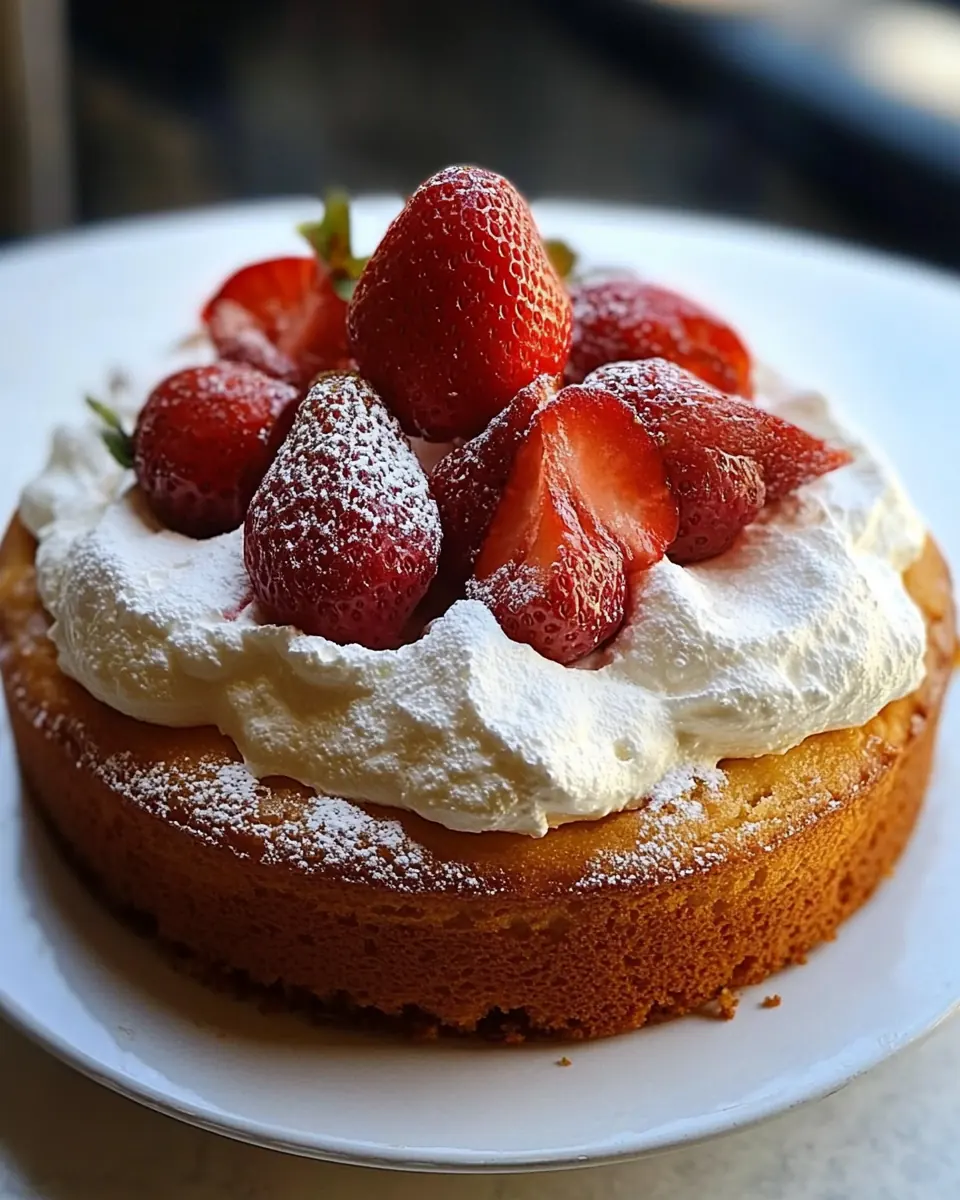
These steps will guide you through baking the cake and simmering the preserved strawberries. Take your time and pay attention to sensory cues so you know when each stage is right. I like to move methodically, because small details create a confident final result.
- Preheat oven to 400°F with rack in middle. Butter and flour an 8-inch spring form cake pan or a 9-inch regular metal cake pan. If using a spring form cake pan, cut a round piece of parchment paper to fit the bottom of the pan and place in the pan.: The kitchen fills with a warm, anticipatory scent as the oven climbs to temperature, and preheating ensures even rise and predictable browning; you should feel the steady warmth if you hold your hand near the closed oven door. A common misstep is sliding the cake into an oven that is not fully heated, which can result in uneven rise and a dense center. Also, prepare your pan now by buttering and flouring an 8-inch spring form or a 9-inch regular metal cake pan so the batter will not stick. If you use a spring form, cutting a round piece of parchment for the bottom prevents leakage, and pressing it smoothly into the pan avoids wrinkled edges that affect the cake shape.
- Whisk together flour, baking powder, baking soda, and salt and set aside. In a larger bowl, beat butter and sugar with an electric mixer at medium-high speed until pale and fluffy, then beat in vanilla and zest. Add the egg and beat well.: As you whisk, you will hear a gentle rustle and see the dry ingredients become uniformly pale and aerated; this even distribution prevents pockets of rising agent and ensures the cake lifts evenly. Mixing ahead keeps you organized and prevents overworking the batter later. A frequent mistake is skimping on whisking, which can leave lumps or uneven texture in the crumb, so take a moment here to get an even blend and then set the bowl aside.
- At low speed, mix in flour mixture in three batches, alternating with buttermilk, beginning and ending with flour, and mixing until just combined. Spoon batter into prepared cake pan, smoothing out the top. Scatter strawberries evenly over top, loading in as many as you would like. Sprinkle the top of the batter with the lemon sugar.: Beating softened butter and sugar on medium-high speed traps tiny air pockets, and you will notice the color change to a lighter, almost creamy hue; this aeration contributes to a lighter cake structure. Add the vanilla and lemon zest next so their aroma infuses the fat. When you incorporate the large egg , the mixture will smell richer and the texture smoother. Overbeating at this stage can produce a batter that collapses when combined with liquids, so stop once the mixture is glossy and holds soft peaks for best results.
- Bake until cake is golden and a wooden pick inserted into the center comes out clean, 20 to 25 minutes. Cool in the pan for 10 minutes, then remove the spring form or invert from your pan, and cool.: At low speed, add the dry ingredients in three batches, alternating with buttermilk , beginning and ending with the dry mix; you will notice the batter slowly thicken and take on a silky sheen. This technique prevents overdeveloping gluten, which keeps the crumb soft. Work just until combined, because overmixing will produce a tougher texture and visible strings of gluten. If the batter seems too stiff after the last addition, a few gentle folds with a spatula are better than prolonged mixing with the mixer.
- To make the preserved strawberries, place the strawberries in a heavy, medium-size pot with the sugar and the lemon juice. Bring to a boil over medium heat – as the fruit begins to juice, the sugar will melt. Reduce the heat to a simmer and cook for about 30 minutes, skimming off the foam, if you’d like.: The batter should look creamy and have a satiny surface as you level it; use a spatula to create an even layer so the cake bakes uniformly. Then scatter a handful of fresh strawberries across the top, tucking them gently into the batter; you will get a pleasing pattern of berries peeking out after baking. Resist the urge to press the berries deeply, which can make the center sink, and avoid overloading the surface so heat still reaches the batter between berries.
- Sprinkle the top of the batter with lemon sugar: As the cake bakes, the lemon sugar on top will caramelize lightly, giving a thin crackle and a citrus-kissed crunch that contrasts the tender crumb. The aroma of caramelizing sugar and citrus will become noticeable after a few minutes in the oven, and that scent is a good indicator you are on track. Use the correct amount because too much sugar can cause an overly hard crust or uneven browning.
- Bake until golden and a wooden pick comes out clean: During baking you will see the edges pull away slightly from the pan and the top achieve a warm golden color; tapping the top gently should produce a slight spring. Start checking at 20 minutes and expect it to take 20 to 25 minutes total; the wooden pick should emerge with just a few moist crumbs, not wet batter. Opening the oven too often to check can cause temperature fluctuations and an uneven rise, so rely on visual cues and timed checks.
- Cool in the pan for 10 minutes then remove and cool: After baking, the first ten minutes in the pan let the structure settle so the cake does not crack or fall. When you release the spring form or invert from a regular pan, you should feel the gentle warmth still present in the crumb and smell the mingled notes of butter and citrus. Cooling fully on a rack prevents residual steam from making the bottom soggy; slicing while too warm can cause crumbling, and chilling too long may make the cake firmer than desired.
- Place strawberries, sugar, and lemon juice in a heavy pot: For the preserves, the pot will begin to steam and then bubble as the sugar draws moisture from the strawberries ; you will hear a rising chatter of bubbles and see the fruit soften and release bright red juices. Using a heavy pot ensures even heat distribution and prevents scorching as the syrup thickens. A common error is cooking too rapidly on high heat, which risks burnt fruit and an overly dark syrup; keep the heat moderate so the preserve cooks gently.
- Bring to a boil then reduce to a simmer and cook about 30 minutes: As the mixture moves from a boil to a confident simmer, steam will rise and the aroma of cooked berries will deepen into a concentrated, jammy scent. Skimming foam if desired yields a clearer syrup, and the preserves will thicken as water evaporates and fruit breaks down. Stir occasionally to avoid sticking, and watch for the moment when syrup coats the back of a spoon for a good consistency; rushing this step results in runny preserves that will not cling to the cake.
Variations to Try
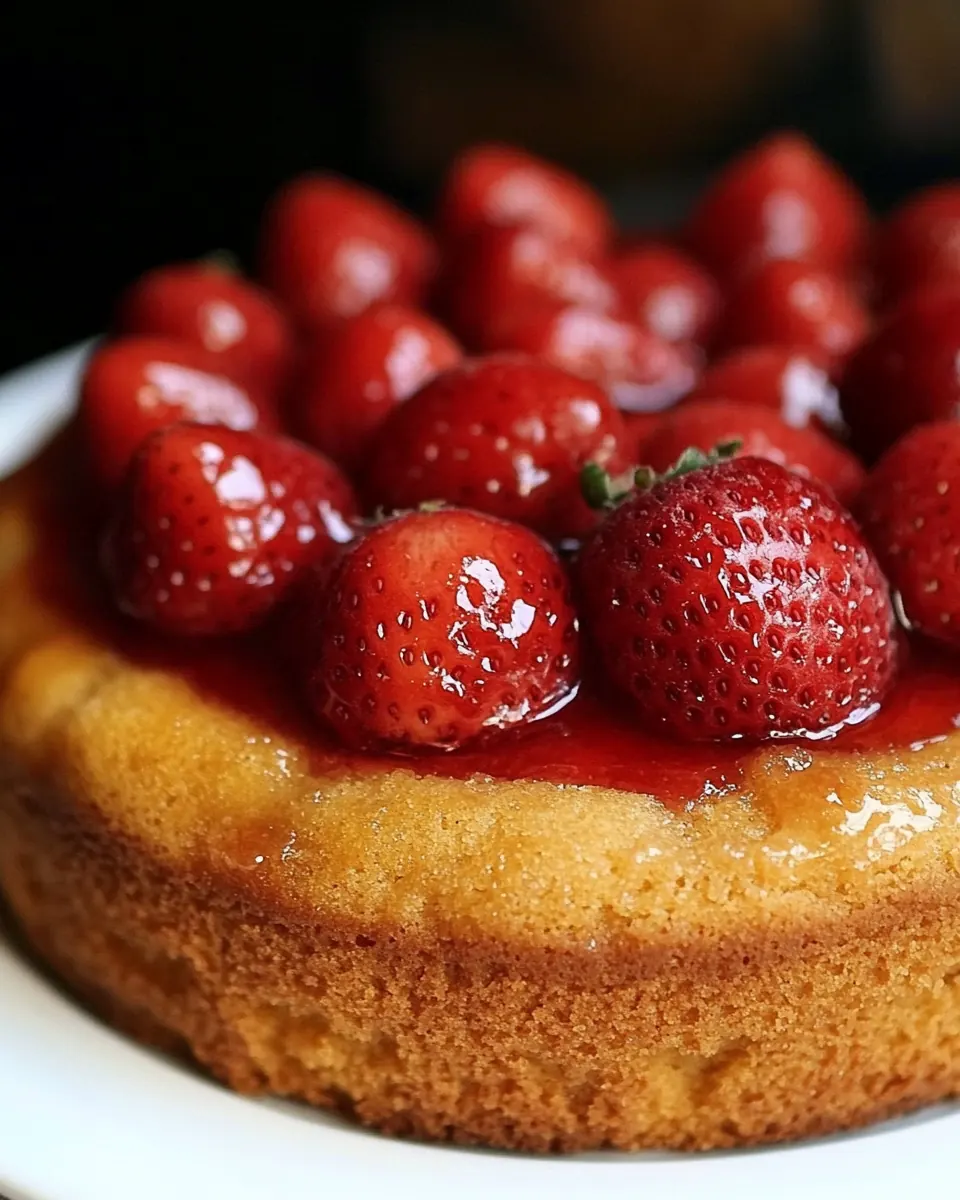
If you want to switch up textures or presentations, these variations keep the base cake but change the experience. Each idea focuses on simple adjustments that change the mouthfeel or the way the fruit is showcased. Try one at a time so you can notice how the change affects the final slice.
- Extra berry topping Add more fresh strawberries over the cake after baking and spoon warm preserved strawberries on top for an extra glossy finish that reads dramatic at the table.
- Lemon forward Increase the finely grated lemon zest slightly to heighten citrus notes, which brightens the whole cake and pairs beautifully with the preserved fruit.
- Syrupy soak Warm a few tablespoons of the preserved strawberry syrup and brush it onto the warm cake to add moisture and an intensified fruit flavor that penetrates the crumb.
- Smaller cakes Divide the batter into muffin tins to make individual cakes topped with a single whole strawberry, ideal for serving at gatherings where guests want single portions.
- Make ahead preserves Prepare the preserved strawberries one or two days in advance and store them refrigerated; this deepens flavor and simplifies the day you plan to serve.
Serve This Strawberry Buttermilk Cake with Preserved Whole Strawberries With
This cake works well across many occasions, from casual coffee to celebratory brunches. Think about temperature contrasts, complementary flavors, and simple accompaniments that let the fruit shine. Below are serving ideas and storage tips that keep the presentation fresh and the flavors balanced.
- Brunch centerpiece Serve slices on a large platter with a ladle of warm preserved strawberries so guests can spoon extras on their plate, creating a convivial sharing setup.
- Afternoon tea Pair with light tea or coffee, cutting the cake into modest slices so the bright berry flavor pairs without overpowering the drink.
- Spring gathering Present the cake on a cake stand surrounded by fresh strawberries and lemon slices to echo the flavors in the recipe and emphasize seasonal produce.
- Storage tip Refrigerate leftover slices in an airtight container for up to three days; rewarm briefly and spoon preserved strawberries over each slice before serving to refresh texture and flavor.
- Make ahead strategy Cook the preserved strawberries a day ahead and store them chilled, then bake the cake the next day so assembly is fast and stress free on the day of serving.
- Occasion pairing Lovely for casual lunches, small showers, or springtime celebrations when berries are at their peak, because the cake reads both festive and homey.
FAQ
Conclusion
This Strawberry Buttermilk Cake with Preserved Whole Strawberries stands out for its bright berry flavor, tender crumb, and the joyful contrast of whole fruit and syrupy preserves. It’s a recipe that presents beautifully while staying approachable, so you can serve something memorable without fuss. Try it the next time strawberries are at their best, and enjoy how a few careful steps transform simple ingredients into a beloved dessert that invites sharing and conversation.
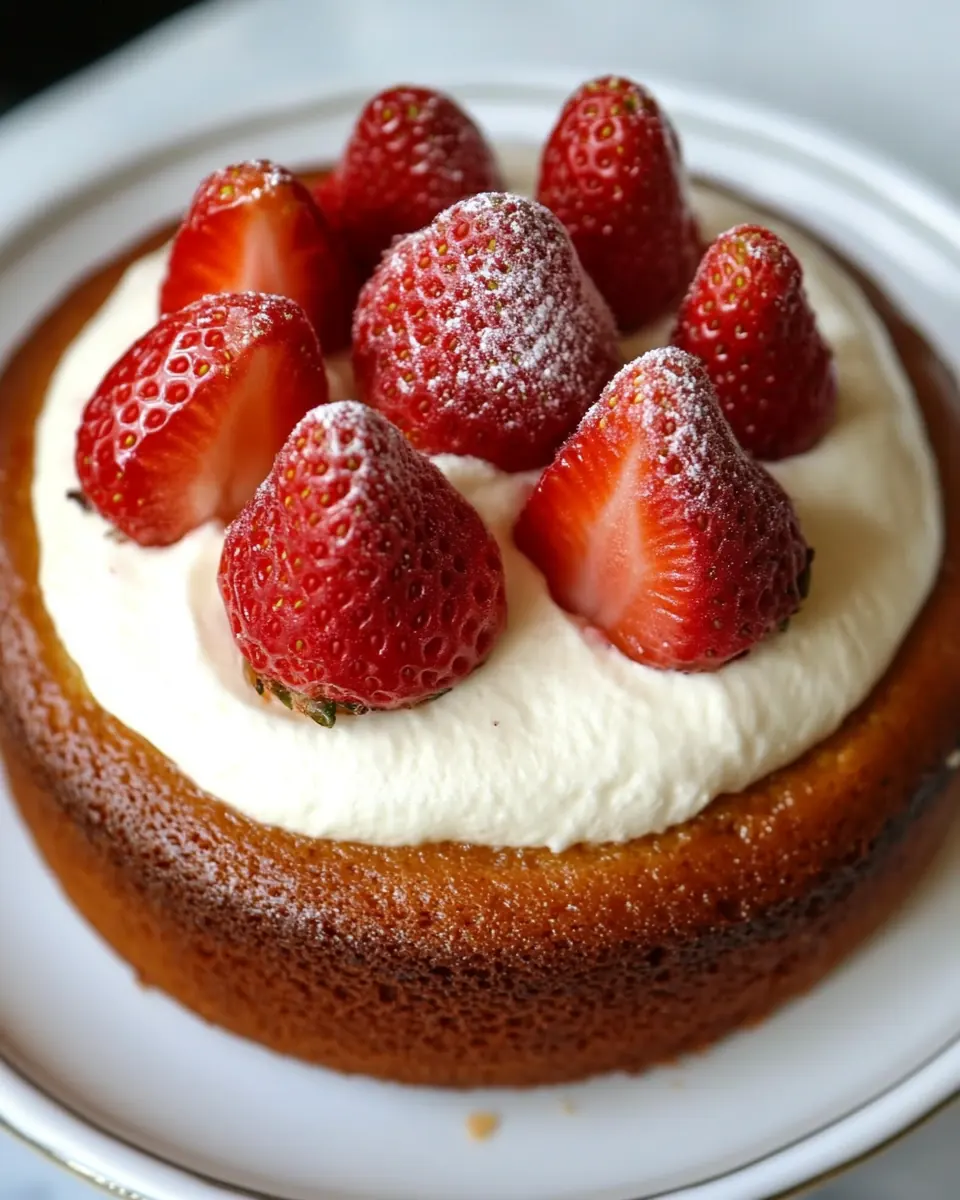
Strawberry Buttermilk Cake with Preserved Whole Strawberries
Ingredients
Equipment
Method
- Preheat oven to 400°F with rack in middle. Butter and flour an 8-inch spring form cake pan or a 9-inch regular metal cake pan. If using a spring form cake pan, cut a round piece of parchment paper to fit the bottom of the pan and place in the pan.: The kitchen fills with a warm, anticipatory scent as the oven climbs to temperature, and preheating ensures even rise and predictable browning; you should feel the steady warmth if you hold your hand near the closed oven door. A common misstep is sliding the cake into an oven that is not fully heated, which can result in uneven rise and a dense center. Also, prepare your pan now by buttering and flouring an 8-inch spring form or a 9-inch regular metal cake pan so the batter will not stick. If you use a spring form, cutting a round piece of parchment for the bottom prevents leakage, and pressing it smoothly into the pan avoids wrinkled edges that affect the cake shape.
- Whisk together flour, baking powder, baking soda, and salt and set aside. In a larger bowl, beat butter and sugar with an electric mixer at medium-high speed until pale and fluffy, then beat in vanilla and zest. Add the egg and beat well.: As you whisk, you will hear a gentle rustle and see the dry ingredients become uniformly pale and aerated; this even distribution prevents pockets of rising agent and ensures the cake lifts evenly. Mixing ahead keeps you organized and prevents overworking the batter later. A frequent mistake is skimping on whisking, which can leave lumps or uneven texture in the crumb, so take a moment here to get an even blend and then set the bowl aside.
- At low speed, mix in flour mixture in three batches, alternating with buttermilk, beginning and ending with flour, and mixing until just combined. Spoon batter into prepared cake pan, smoothing out the top. Scatter strawberries evenly over top, loading in as many as you would like. Sprinkle the top of the batter with the lemon sugar.: Beating softened butter and sugar on medium-high speed traps tiny air pockets, and you will notice the color change to a lighter, almost creamy hue; this aeration contributes to a lighter cake structure. Add the vanilla and lemon zest next so their aroma infuses the fat. When you incorporate the large egg , the mixture will smell richer and the texture smoother. Overbeating at this stage can produce a batter that collapses when combined with liquids, so stop once the mixture is glossy and holds soft peaks for best results.
- Bake until cake is golden and a wooden pick inserted into the center comes out clean, 20 to 25 minutes. Cool in the pan for 10 minutes, then remove the spring form or invert from your pan, and cool.: At low speed, add the dry ingredients in three batches, alternating with buttermilk , beginning and ending with the dry mix; you will notice the batter slowly thicken and take on a silky sheen. This technique prevents overdeveloping gluten, which keeps the crumb soft. Work just until combined, because overmixing will produce a tougher texture and visible strings of gluten. If the batter seems too stiff after the last addition, a few gentle folds with a spatula are better than prolonged mixing with the mixer.
- To make the preserved strawberries, place the strawberries in a heavy, medium-size pot with the sugar and the lemon juice. Bring to a boil over medium heat – as the fruit begins to juice, the sugar will melt. Reduce the heat to a simmer and cook for about 30 minutes, skimming off the foam, if you’d like.: The batter should look creamy and have a satiny surface as you level it; use a spatula to create an even layer so the cake bakes uniformly. Then scatter a handful of fresh strawberries across the top, tucking them gently into the batter; you will get a pleasing pattern of berries peeking out after baking. Resist the urge to press the berries deeply, which can make the center sink, and avoid overloading the surface so heat still reaches the batter between berries.
- Sprinkle the top of the batter with lemon sugar: As the cake bakes, the lemon sugar on top will caramelize lightly, giving a thin crackle and a citrus-kissed crunch that contrasts the tender crumb. The aroma of caramelizing sugar and citrus will become noticeable after a few minutes in the oven, and that scent is a good indicator you are on track. Use the correct amount because too much sugar can cause an overly hard crust or uneven browning.
- Bake until golden and a wooden pick comes out clean: During baking you will see the edges pull away slightly from the pan and the top achieve a warm golden color; tapping the top gently should produce a slight spring. Start checking at 20 minutes and expect it to take 20 to 25 minutes total; the wooden pick should emerge with just a few moist crumbs, not wet batter. Opening the oven too often to check can cause temperature fluctuations and an uneven rise, so rely on visual cues and timed checks.
- Cool in the pan for 10 minutes then remove and cool: After baking, the first ten minutes in the pan let the structure settle so the cake does not crack or fall. When you release the spring form or invert from a regular pan, you should feel the gentle warmth still present in the crumb and smell the mingled notes of butter and citrus. Cooling fully on a rack prevents residual steam from making the bottom soggy; slicing while too warm can cause crumbling, and chilling too long may make the cake firmer than desired.
- Place strawberries, sugar, and lemon juice in a heavy pot: For the preserves, the pot will begin to steam and then bubble as the sugar draws moisture from the strawberries ; you will hear a rising chatter of bubbles and see the fruit soften and release bright red juices. Using a heavy pot ensures even heat distribution and prevents scorching as the syrup thickens. A common error is cooking too rapidly on high heat, which risks burnt fruit and an overly dark syrup; keep the heat moderate so the preserve cooks gently.
- Bring to a boil then reduce to a simmer and cook about 30 minutes: As the mixture moves from a boil to a confident simmer, steam will rise and the aroma of cooked berries will deepen into a concentrated, jammy scent. Skimming foam if desired yields a clearer syrup, and the preserves will thicken as water evaporates and fruit breaks down. Stir occasionally to avoid sticking, and watch for the moment when syrup coats the back of a spoon for a good consistency; rushing this step results in runny preserves that will not cling to the cake.
Notes
- Extra berry topping Add more fresh strawberries over the cake after baking and spoon warm preserved strawberries on top for an extra glossy finish that reads dramatic at the table.
- Lemon forward Increase the finely grated lemon zest slightly to heighten citrus notes, which brightens the whole cake and pairs beautifully with the preserved fruit.
- Syrupy soak Warm a few tablespoons of the preserved strawberry syrup and brush it onto the warm cake to add moisture and an intensified fruit flavor that penetrates the crumb.
- Smaller cakes Divide the batter into muffin tins to make individual cakes topped with a single whole strawberry, ideal for serving at gatherings where guests want single portions.
- Make ahead preserves Prepare the preserved strawberries one or two days in advance and store them refrigerated; this deepens flavor and simplifies the day you plan to serve.