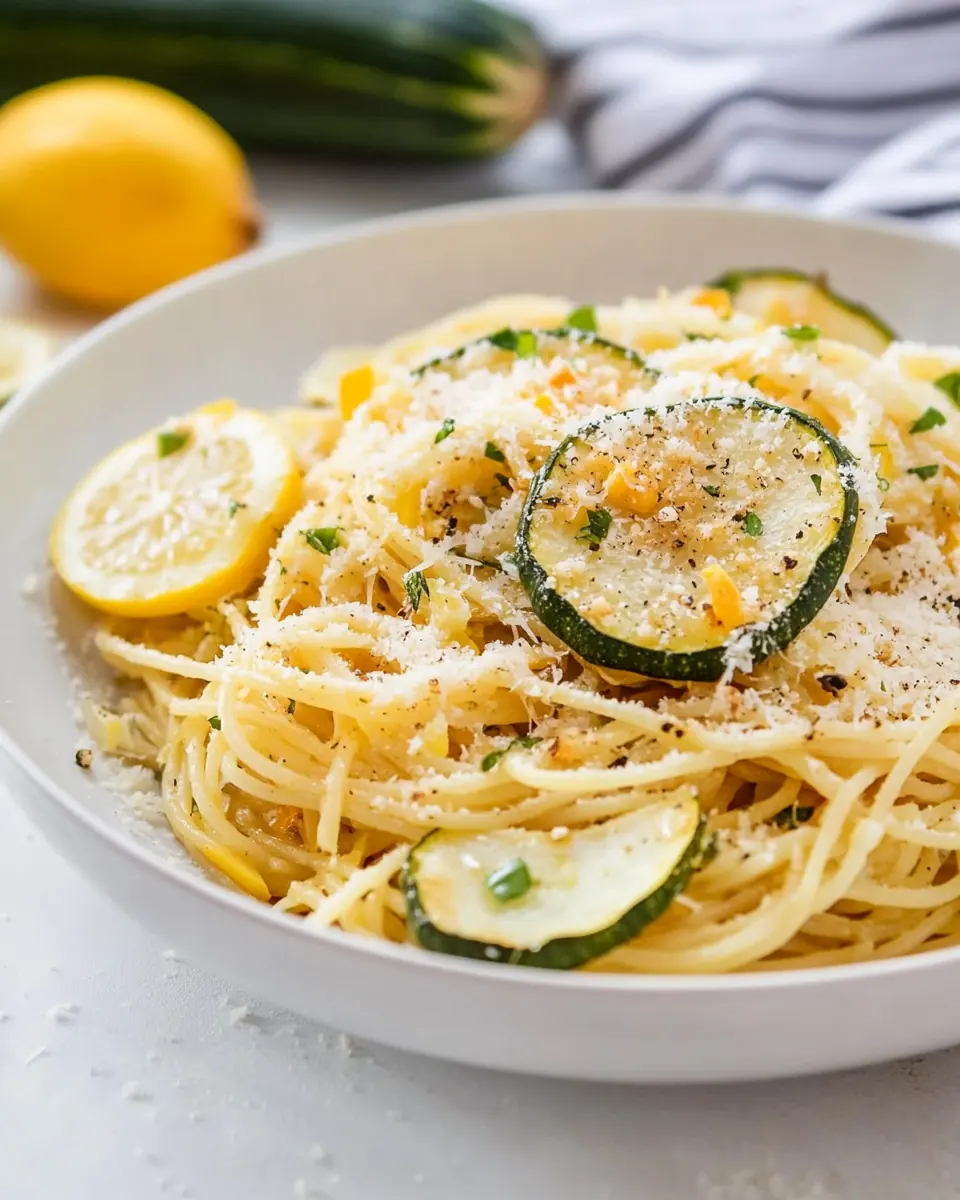
Prepare 1 (16-ounce) package spaghetti noodles according to the package directions. Drain when the noodles are done cooking and return the noodles to the pot.: As the water reaches a rolling boil, you will smell the faint wheaty steam that means the pot is ready. Cooking the spaghetti to al dente takes attention, watch the texture by tasting a strand so it still has a slight bite and is not floppy. Drain promptly to avoid residual heat continuing to soften the pasta. Leaving pasta water clinging to the noodles can help bind the sauce later, but too much water will make the dish soupy; drain until just a thin sheen remains. A common mistake is overcooking the pasta, which removes the satisfying tooth and makes the whole dish mushy, so set a timer and taste early.
Cut the squash and zucchini into half-moon shapes and measure 5 cups assorted zucchini and summer squash.: The cutting step changes the eating experience, producing uniform pieces that cook evenly. As you slice, notice the pale green flesh and the moist, slightly sweet scent that tells you the squash is fresh. Half moons create more surface area for flavor absorption and help them soften quickly in the pan. Uneven sizes cause some pieces to be undercooked while others fall apart, so aim for consistency. If your cuts are uneven, the visual contrast will be off and textures will not match across the dish.
Place 1/3 cup pine nuts, into the pan without any oil over medium heat. Lightly toast by stirring until lightly brown. They will burn easily so watch carefully. Remove them from the pan and set aside.: Toasting the pine nuts releases their nutty aroma and oils, creating a toasty note that elevates the whole plate. You will hear a delicate crackle and see a pale gold color emerge, and the smell shifts from neutral to pleasantly warm. Because they burn in an instant, stir continuously and remove them as soon as they are golden. If you miss the window and they blacken, discard them; burnt nuts taste sharply bitter and will spoil the flavor.
Next, combine the olive oil and garlic in a large saucepan over medium-low heat. Stir until fragrant.: As the olive oil heats, the minced garlic will release a soft, savory perfume that signals it is time to add the squash. Keep the flame moderate so the garlic becomes translucent and aromatic rather than browned. If the garlic starts to darken, it will taste acrid, so lower the heat or remove the pan from the burner briefly. The reason for gentle heat here is to infuse the oil without creating harsh flavors, which gives the finished dish a rounded base.
Add the chopped squash and zucchini to the olive oil mixture. Stir and cook until they are tender.: Add the prepared zucchini and summer squash and listen for a light sizzle, then stir so each piece is coated in the garlicky oil. As they cook, their scent sweetens and the edges may take on a pale golden color. Tenderness is your cue, when a fork pierces the flesh with little resistance. Overcrowding the pan causes steaming rather than sautéing, leaving them limp instead of caramelized, so work in batches if needed.
Add in 2/3 cup grated parmesan cheese and 2/3 cup plain breadcrumbs. Season to taste with salt and pepper. Stir until well combined.: When you stir in the parmesan cheese and breadcrumbs , the mixture will thicken slightly and become savory with a light, crispy texture. The cheese melts into the warm vegetables, adding umami and a slightly creamy mouthfeel, while the breadcrumbs absorb excess oil and create pleasant crunch pockets. Taste and season with salt and pepper gradually, because the parmesan cheese already brings saltiness. A common error is adding too much salt early; always adjust at the end.
Add the zucchini and squash mixture to the drained spaghetti. Add in 2-3 tablespoons lemon juice, and more salt and pepper to taste if needed. Add the toasted pine nuts if using and stir to combine.: At this final stage, the warm pasta will gently wilt the vegetable mix as the citrus brightens everything. When you pour the mixture over the spaghetti , you should hear a soft shuffle and see the strands glisten with olive oil . The lemon juice should be added incrementally, tasting as you go so the acidity balances the richness. Sprinkle the toasted pine nuts for crunch, and give a final stir until everything is evenly coated. If the plate tastes flat, a tiny pinch of salt can lift the flavors immediately; avoid overdoing it, as that cannot be undone.