Rinse the rice well.: The first sensory cue is the water running almost clear when you swish the arborio rice , it should shift from cloudy to mostly clear as surface starch is removed, which helps control thickening. Rinsing prevents an overly sticky final texture while still leaving enough starch for creaminess. A frequent mistake is rinsing so vigorously that you remove too much starch, leading to a thinner pudding, so aim for gentle swishing until the rinse water lightens.
In a saucepan, heat the water and add the rice.: Listen for a gentle simmer sound as the water warms, and you will see small bubbles form along the edges before a fuller simmer. This step rehydrates the rice and starts the softening process, which ensures even cooking when the milk is added. Avoid cranking the heat, which can cause the grains to stick to the pan bottom and cook unevenly; maintain a moderate heat so the grains plump gradually.
When the water starts to boil, roughly 3–5 minutes after, add the milk and simmer over low heat until the rice softens.: The aroma shifts to a gentle dairy sweetness once the milk is introduced, and you will notice the mixture becoming creamier as the starch releases. Watch for small, steady bubbles and a gentle steam rise, stirring occasionally to prevent a skin from forming. One common issue is turning the heat too high, which can scald the milk and give a caramelized edge instead of the clean, milky flavor you want.
Mix the cornstarch with 2 tablespoons of cold water.: The cold slurry should look translucent, with no visible lumps, creating a smooth texture when it hits the warm pudding. This prevents grainy pockets and helps the custard set uniformly. If you skip dissolving it properly, you risk getting gritty bits of starch in the finished dessert, which will be noticeable against the silky backdrop.
Add the cornstarch mix, vanilla pod, and sugar to the rice. Cook for another 2–3 minutes.: As the sugar dissolves and the vanilla pod infuses, the smell becomes warmly aromatic, and the mixture will thicken slightly. Stir continuously to incorporate the slurry and dissolve the sugar fully, producing a cohesive, glossy base. A pitfall here is undercooking after adding the slurry, which leaves a raw starchy taste and prevents proper thickening, so give it a few minutes to mellow and integrate.
Take 8 ramekins and pour the hot mixture.: You will feel the warmth radiate as you ladle into the dishes, and the surface should be smooth and slightly glossy. Portioning while hot helps create a uniform skin on top that will brown attractively in the oven. Be cautious when filling, as the mixture is hot and can scald; use an oven mitt and steady ladling to avoid spills.
Mix the eggs with 10 tablespoons (a ladleful) of liquid from the rice. Divide the mixture evenly and drizzle it over the pudding in the ramekins.: The tempered eggs should feel like silk once combined with the warm liquid, and when you drizzle them they blend into the surface, increasing richness without curdling. This technique adds a custardy lift that sets gently. A typical mistake is adding hot liquid too fast to the eggs, which causes scrambling, so add the ladleful gradually while whisking to keep the texture smooth.
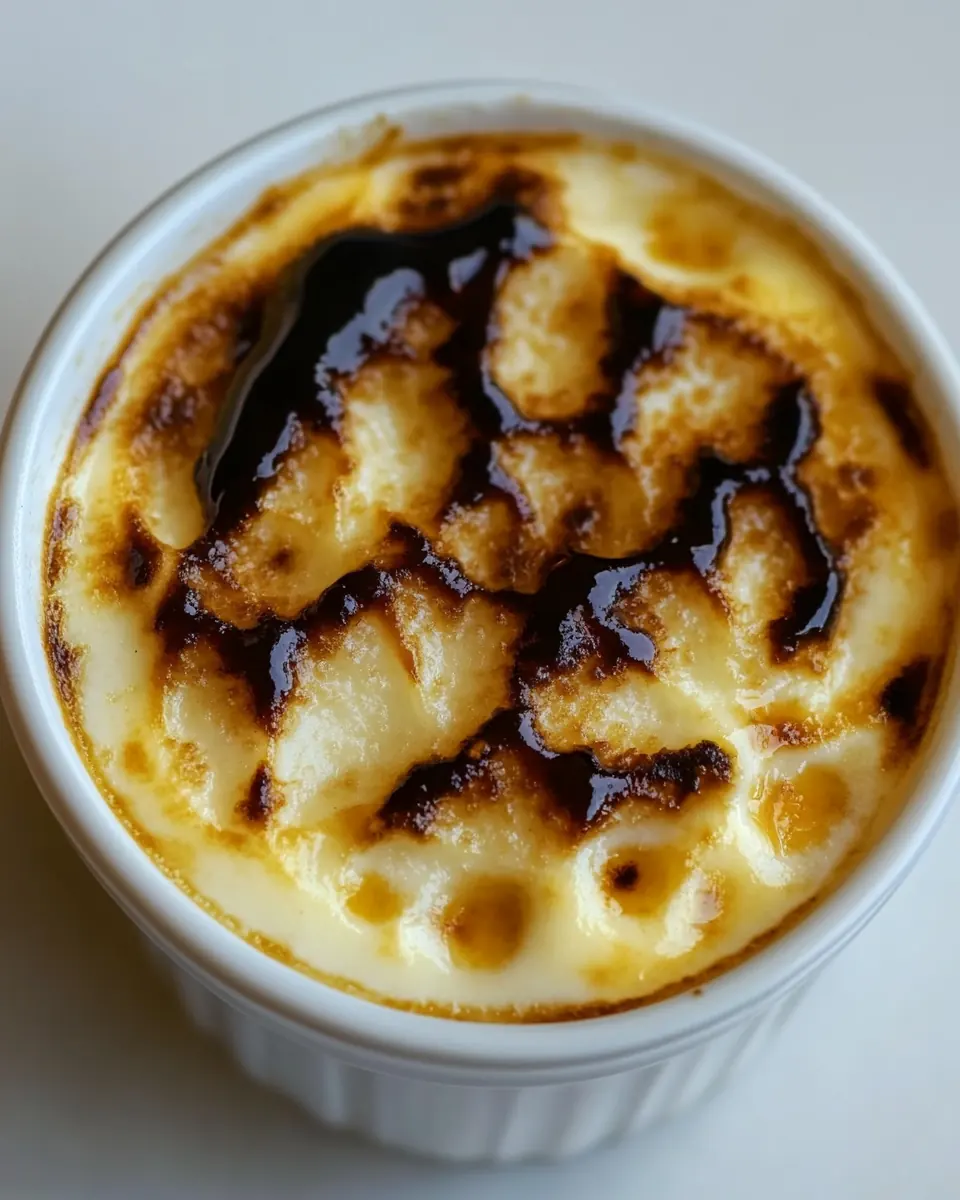
Preheat the oven to 350 °F (177 °C). Bake the pudding for 10 minutes, until the tops brown.: The oven's heat will produce a faint crackle as the tops caramelize slightly and develop a pale golden to deeper brown color, adding a toasty flavor. Keep a close eye during the final minutes, as browning can progress quickly. Avoid overbaking which leads to a dry, firm texture instead of a creamy set; pull them when the tops show a pleasant color and the centers still wiggle slightly.
Let the pudding cool at room temperature and then refrigerate it for several hours.: Cooling allows flavors to settle and the custard to firm, with the aroma becoming more integrated and the texture smoothing out. After chilling, the pudding should hold its shape while remaining tender and spoonable. Do not skip adequate refrigeration, as serving it too warm will make the texture seem loose and less satisfying.
Enjoy!: The final sensory reward is a spoonful that is cool, creamy, and aromatic, with delicate rice pearls and a browned top that adds a whisper of caramel. Serve chilled, savoring the contrast between the silky custard and the small bits of rice . A common misstep is reheating leftovers too quickly, which can break the texture; instead, enjoy it cold straight from the fridge for the best experience.