Sütlaç Turkish Rice Pudding
Sütlaç Turkish Rice Pudding is a dessert that always brings me back to evenings spent at my grandmother’s small kitchen table, where the warm, milky aroma seemed to hug the whole house. I remember her gently stirring a pot while telling stories about neighbors and celebrations, and how the simple act of cooking rice into creamy pudding felt like an act of care. That first sentence still holds the memory, and it’s why I keep this recipe in my rotation, ready whenever I want something comforting and gently sweet.
Over the years I’ve adapted a few tiny habits from her technique, like toasting a bit of rice first or resting the pudding in the fridge overnight so the flavors settle and the texture firms into that silky, spoonable perfection. When I serve Sütlaç Turkish Rice Pudding to friends, they always comment on how it tastes both nostalgic and refined, a balance I chase in many recipes. You will find this pudding to be straightforward yet impressive, with a few small steps that make a big difference.
Recipe Snapshot
1 hr 14 mins
30 mins
44 mins
Medium
200 kcal
Turkish
Gluten-Free, Low FODMAP
Desserts
Saucepan, Ramekins, Whisk, Oven, Ladle
The Charm of This Sütlaç Turkish Rice Pudding
Comforting texture that feels like home
I love the way Sütlaç Turkish Rice Pudding thickens into a luxuriously smooth custard, with tiny pearls of tender rice suspended in creamy liquid. This contrast is the core reason I reach for it when I want to serve something both soothing and texturally interesting. Each spoonful is soft and slightly chewy, and that mouthfeel keeps people coming back for another bite.
Simple ingredients, big flavor
One of the things I appreciate most is how honest the ingredient list is. With pantry staples like arborio rice, milk, and granulated white sugar, you get a dessert that tastes far more complex than its parts. I often tell friends that good technique amplifies modest ingredients, and with Sütlaç Turkish Rice Pudding, the gentle cooking and the careful addition of a vanilla pod deliver depth without fuss.
Flexible for serving and occasions
I find this pudding perfect for quiet weeknights and festive gatherings alike. You can portion it into individual ramekins for a dinner party, or scoop it into a bowl for a cozy solo treat. Because it chills well, I often prepare it ahead, freeing up time to enjoy company. For me, that convenience makes it a reliably satisfying option.
Technique driven results
The few technical steps here are worth mastering. Slow simmering allows the starch in the rice to release gradually, creating that signature creaminess, and tempering the eggs prevents curdling while adding richness. Once you understand the why behind each move, you can replicate the result consistently, and that empowerment is something I really value.
Elegant simplicity
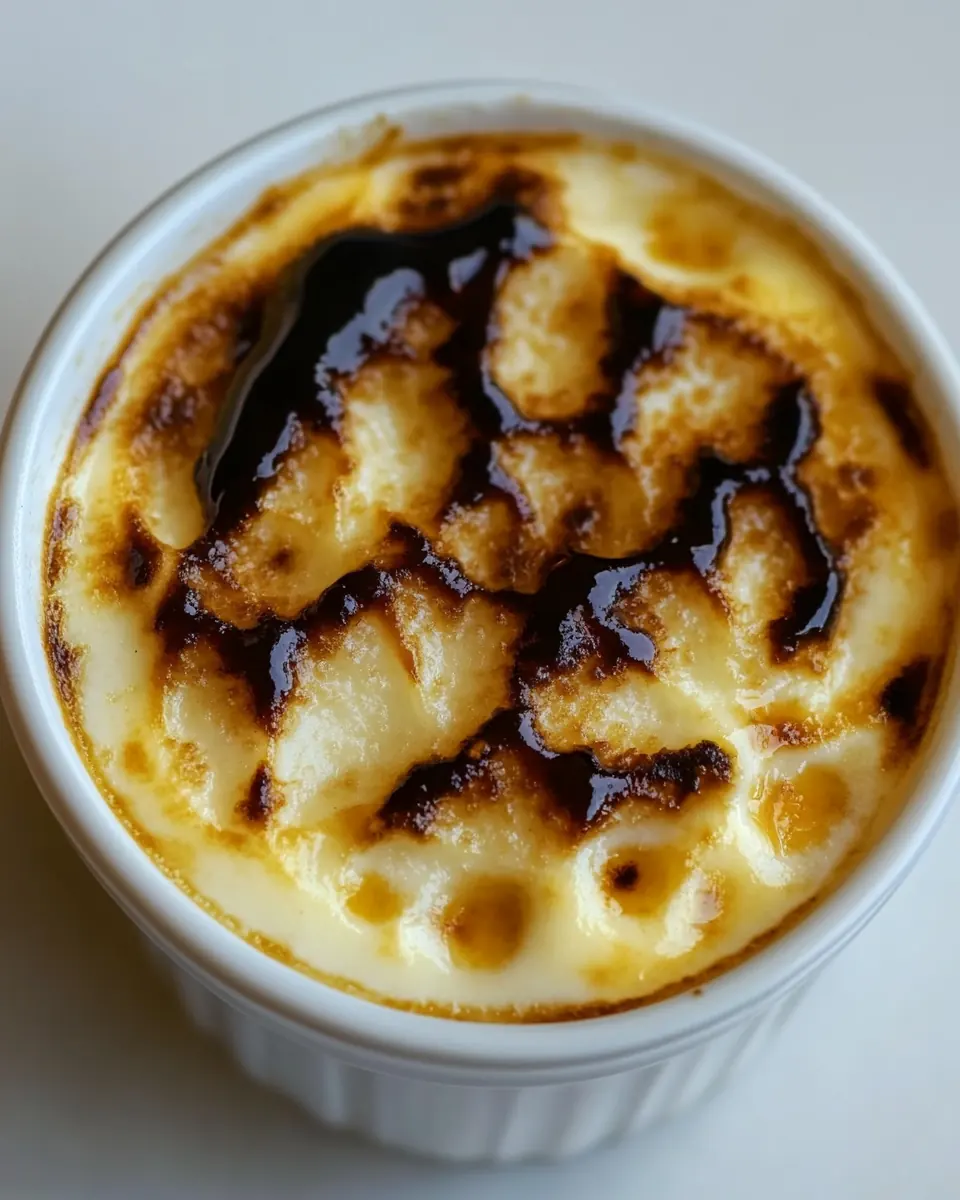
Finally, there is an understated elegance to Sütlaç Turkish Rice Pudding. It is not flashy, but its restrained sweetness and silky texture feel refined. When I plate it with a light browning on top, guests often think it took much longer or required fancier ingredients than it actually did. That makes it one of my treasured recipes to share.
Ingredients to Make Sütlaç Turkish Rice Pudding
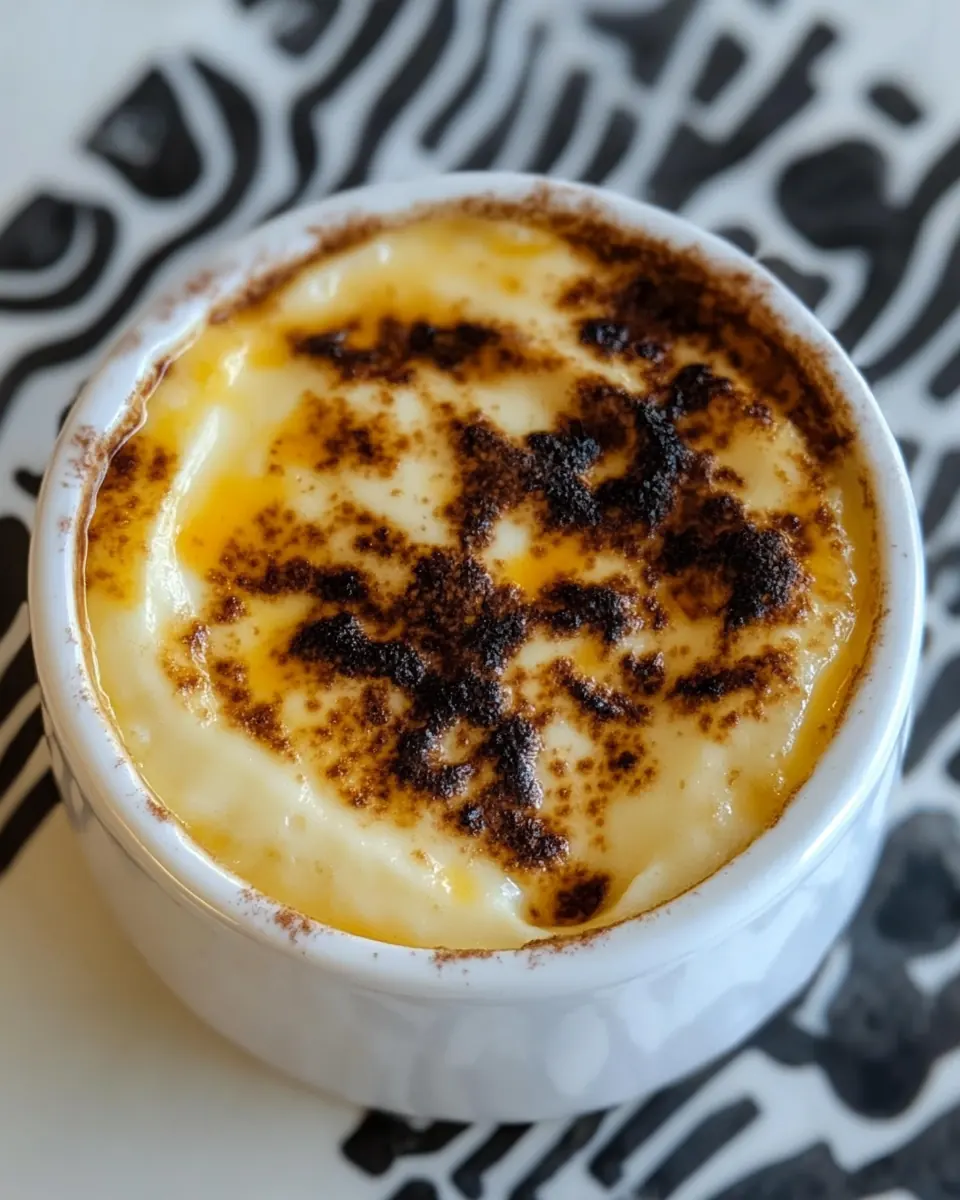
The philosophy behind these ingredients is restraint and harmony. Each item plays a clear role: the arborio rice provides starch and gentle chew, the milk builds creaminess, eggs enrich and set the custard, and the vanilla pod adds aromatic depth. Simple sweetening with granulated white sugar lets the dairy and rice shine, while measured use of cornstarch gives a velvet finish without heaviness.
- 1 cup arborio rice short grain rice: Rinse and simmer to provide the starchy base that thickens and gives the pudding its creamy rice texture; use short–grain arborio for its high starch content that yields a velvety mouthfeel. Cook gently until tender so grains release starch without becoming mushy, creating the signature body of sütlaç.
- 1 cup water: Boil and absorb to soften the rice during initial cooking stages and help it break down slightly, contributing liquid for gelatinization of starches. Add gradually to control cooking consistency and prevent scorching on the pot bottom.
- 2 tbsp cornstarch: Dissolve and thicken as a slurry to stabilize the pudding and add extra body without excessive cooking time; cornstarch prevents separation and helps achieve a smooth, silky finish. Mix into a small amount of cold liquid before incorporating to avoid lumps and ensure even thickening.
- 2 cups milk: Heat and enrich by adding creaminess and volume; whole milk imparts a rich dairy flavor and helps create the traditional custard-like texture of sütlaç. Simmer gently with the cooked rice so milk absorbs into the grains and melds flavors without curdling.
- 3/4 cup granulated white sugar: Sweeten and balance by providing the primary sweetness that enhances the dairy and rice flavors; granulated white sugar dissolves readily for even sweetness throughout the pudding. Adjust quantity to taste while remembering sugar also affects texture and caramelization when broiled or baked.
- 2 eggs: Temper and enrich by creating a richer, custard-like consistency when beaten and tempered into the hot milk–rice mixture; eggs add protein that sets slightly, giving structure and silkiness to the final pudding. Whisk thoroughly and temper carefully to prevent scrambling, then cook briefly to gently thicken without curdling.
- 1 tbsp cornstarch: Stabilize and refine by acting as an additional thickening agent when used modestly to achieve a smoother, more consistent pudding body; cornstarch complements the rice starch and eggs for a reliable set. Dissolve in cool liquid first and incorporate near the end of cooking to avoid over-thickening during prolonged heat.
- 1 vanilla pod: Infuse and aromatize by splitting and scraping to release tiny seeds that impart a delicate, warm vanilla fragrance and flavor throughout the pudding. Simmer the pod with milk to extract maximum aroma, then remove the pod before serving for a subtle, authentic vanilla note.
The Method for Sütlaç Turkish Rice Pudding
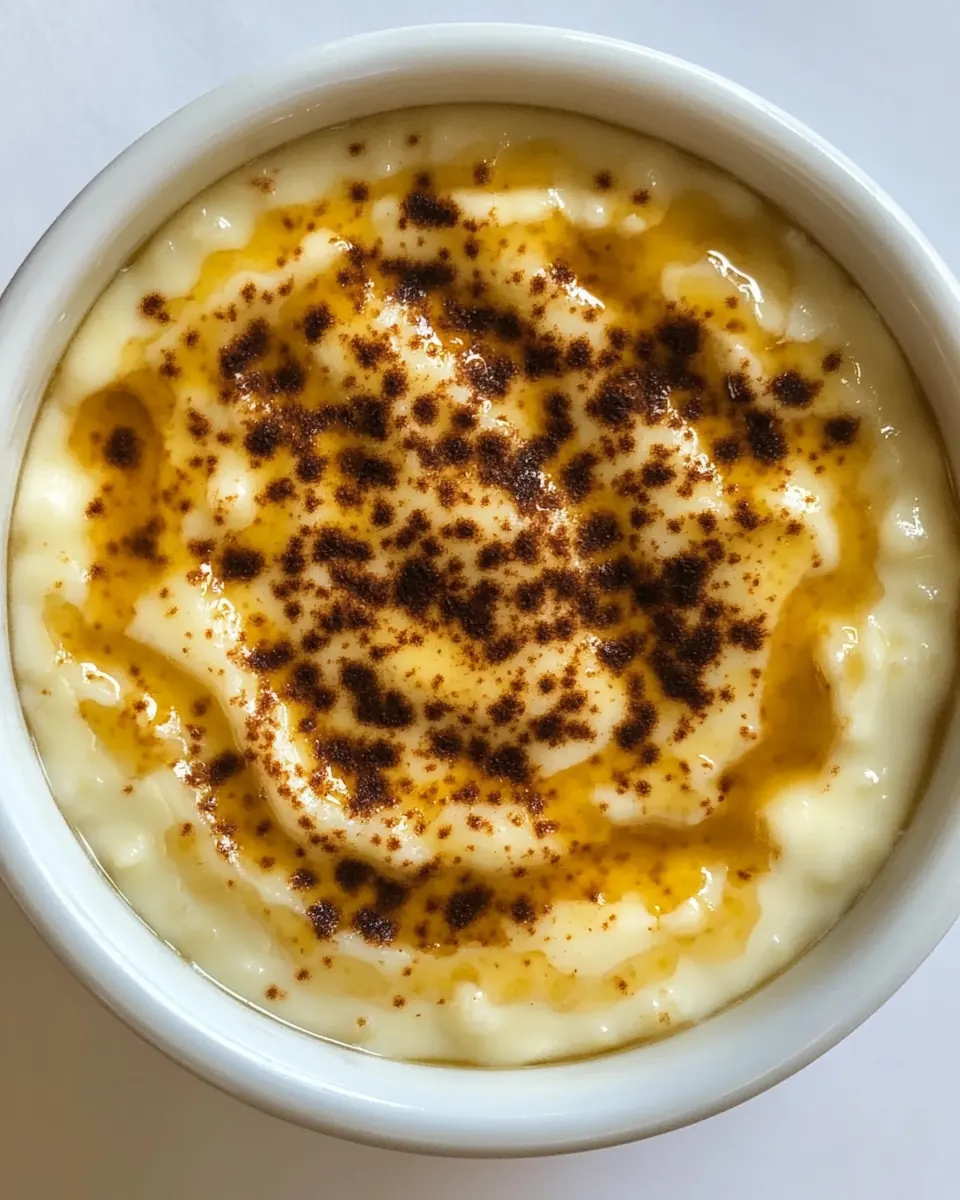
I like to approach the cooking method like a slow conversation with the pot, paying attention to the subtle changes as the mixture transforms. These steps will guide you through from rinsing the rice to chilling the final ramekins, with sensory cues so you know you are on track.
- Rinse the rice well.: The first sensory cue is the water running almost clear when you swish the arborio rice , it should shift from cloudy to mostly clear as surface starch is removed, which helps control thickening. Rinsing prevents an overly sticky final texture while still leaving enough starch for creaminess. A frequent mistake is rinsing so vigorously that you remove too much starch, leading to a thinner pudding, so aim for gentle swishing until the rinse water lightens.
- In a saucepan, heat the water and add the rice.: Listen for a gentle simmer sound as the water warms, and you will see small bubbles form along the edges before a fuller simmer. This step rehydrates the rice and starts the softening process, which ensures even cooking when the milk is added. Avoid cranking the heat, which can cause the grains to stick to the pan bottom and cook unevenly; maintain a moderate heat so the grains plump gradually.
- When the water starts to boil, roughly 3–5 minutes after, add the milk and simmer over low heat until the rice softens.: The aroma shifts to a gentle dairy sweetness once the milk is introduced, and you will notice the mixture becoming creamier as the starch releases. Watch for small, steady bubbles and a gentle steam rise, stirring occasionally to prevent a skin from forming. One common issue is turning the heat too high, which can scald the milk and give a caramelized edge instead of the clean, milky flavor you want.
- Mix the cornstarch with 2 tablespoons of cold water.: The cold slurry should look translucent, with no visible lumps, creating a smooth texture when it hits the warm pudding. This prevents grainy pockets and helps the custard set uniformly. If you skip dissolving it properly, you risk getting gritty bits of starch in the finished dessert, which will be noticeable against the silky backdrop.
- Add the cornstarch mix, vanilla pod, and sugar to the rice. Cook for another 2–3 minutes.: As the sugar dissolves and the vanilla pod infuses, the smell becomes warmly aromatic, and the mixture will thicken slightly. Stir continuously to incorporate the slurry and dissolve the sugar fully, producing a cohesive, glossy base. A pitfall here is undercooking after adding the slurry, which leaves a raw starchy taste and prevents proper thickening, so give it a few minutes to mellow and integrate.
- Take 8 ramekins and pour the hot mixture.: You will feel the warmth radiate as you ladle into the dishes, and the surface should be smooth and slightly glossy. Portioning while hot helps create a uniform skin on top that will brown attractively in the oven. Be cautious when filling, as the mixture is hot and can scald; use an oven mitt and steady ladling to avoid spills.
- Mix the eggs with 10 tablespoons (a ladleful) of liquid from the rice. Divide the mixture evenly and drizzle it over the pudding in the ramekins.: The tempered eggs should feel like silk once combined with the warm liquid, and when you drizzle them they blend into the surface, increasing richness without curdling. This technique adds a custardy lift that sets gently. A typical mistake is adding hot liquid too fast to the eggs, which causes scrambling, so add the ladleful gradually while whisking to keep the texture smooth.
- Preheat the oven to 350 °F (177 °C). Bake the pudding for 10 minutes, until the tops brown.: The oven's heat will produce a faint crackle as the tops caramelize slightly and develop a pale golden to deeper brown color, adding a toasty flavor. Keep a close eye during the final minutes, as browning can progress quickly. Avoid overbaking which leads to a dry, firm texture instead of a creamy set; pull them when the tops show a pleasant color and the centers still wiggle slightly.
- Let the pudding cool at room temperature and then refrigerate it for several hours.: Cooling allows flavors to settle and the custard to firm, with the aroma becoming more integrated and the texture smoothing out. After chilling, the pudding should hold its shape while remaining tender and spoonable. Do not skip adequate refrigeration, as serving it too warm will make the texture seem loose and less satisfying.
- Enjoy!: The final sensory reward is a spoonful that is cool, creamy, and aromatic, with delicate rice pearls and a browned top that adds a whisper of caramel. Serve chilled, savoring the contrast between the silky custard and the small bits of rice . A common misstep is reheating leftovers too quickly, which can break the texture; instead, enjoy it cold straight from the fridge for the best experience.
Recipe Tips about Sütlaç Turkish Rice Pudding
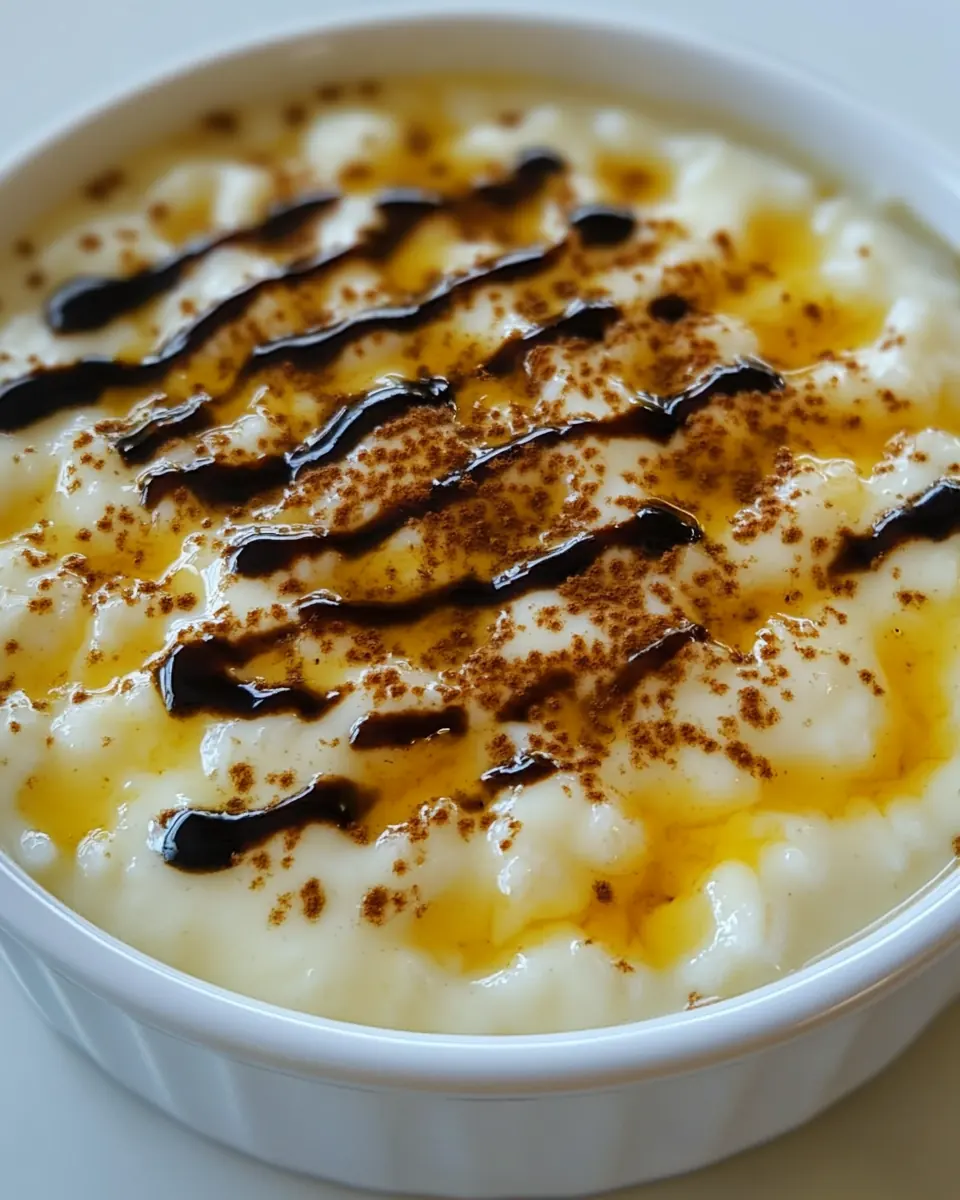
These tips expand on small decisions that have outsized effects on texture and flavor. Follow them for consistent, restaurant quality results each time you make this pudding.
- Choose high starch rice: Arborio rice releases starch as it cooks, creating the creamy body that defines the pudding. If you use a lower starch rice the texture will be thinner and the grains will remain separate.
- Warm, then simmer slowly: Bringing the mixture to a gentle simmer rather than a vigorous boil preserves the milk‘s freshness and prevents scorching, producing a clean milky taste rather than a caramelized edge.
- Temper the eggs carefully: When you whisk a ladleful of hot liquid into the eggs, go slowly while whisking to avoid scrambled bits and to ensure a smooth, integrated custard.
- Scrape the vanilla pod: The tiny seeds hold intense aromatic compounds, so scraping and adding both seeds and pod during simmering delivers a natural, floral vanilla note that elevates the pudding.
- Control sweetness: Taste before chilling if possible, because chilling slightly mutes sweetness; adjust during cooking to keep the final balance just right.
- Chill thoroughly: Allow several hours or overnight refrigeration so the pudding sets cleanly and the flavors meld, yielding a more refined mouthfeel.
Serving Options for Sütlaç Turkish Rice Pudding
This pudding is versatile enough for everyday comfort and festive tables. The following serving suggestions show how to present it for different occasions and how to store leftovers correctly.
- Individual ramekins for dinner parties: Portion into small dishes for elegant single servings, finish with a quick broil to brown the tops and serve chilled for contrast between warm surface and cool interior.
- Family style bowls for cozy nights: Spoon into a communal bowl for relaxed sharing, with a small bowl of extra sugar available for those who prefer a sweeter finish.
- Ramadan or festive tables: Prepare ahead and chill overnight so the dessert is ready to serve after a long day, offering a comforting, gently sweet finish that complements savory mains.
- Seasonal garnishes: Add a light dusting of cinnamon or a sprinkle of chopped nuts just before serving for texture and aromatic lift, keeping the pudding visually inviting.
- Storage tips: Cover tightly and refrigerate for up to three days, and avoid reheating in the microwave to prevent breaking the custard; enjoy cold straight from the fridge for best texture.
- Occasion pairing: Works well after heavy meals because it is not overly rich, making it a great dessert for celebratory dinners or casual weeknight suppers.
FAQ
Conclusion
What makes this recipe special is its blend of humble ingredients with technique driven results, producing a creamy, fragrant pudding that feels both comforting and elegant. I encourage you to try Sütlaç Turkish Rice Pudding because the steps are approachable and the payoff is a dessert that brings warmth and nostalgia to the table. Enjoy the process of slow simmering, tempering the eggs, and watching the pudding set into a silky finale that will likely become a favorite in your rotation.
Sütlaç Turkish Rice Pudding
Ingredients
Equipment
Method
- Rinse the rice well.: The first sensory cue is the water running almost clear when you swish the arborio rice , it should shift from cloudy to mostly clear as surface starch is removed, which helps control thickening. Rinsing prevents an overly sticky final texture while still leaving enough starch for creaminess. A frequent mistake is rinsing so vigorously that you remove too much starch, leading to a thinner pudding, so aim for gentle swishing until the rinse water lightens.
- In a saucepan, heat the water and add the rice.: Listen for a gentle simmer sound as the water warms, and you will see small bubbles form along the edges before a fuller simmer. This step rehydrates the rice and starts the softening process, which ensures even cooking when the milk is added. Avoid cranking the heat, which can cause the grains to stick to the pan bottom and cook unevenly; maintain a moderate heat so the grains plump gradually.
- When the water starts to boil, roughly 3–5 minutes after, add the milk and simmer over low heat until the rice softens.: The aroma shifts to a gentle dairy sweetness once the milk is introduced, and you will notice the mixture becoming creamier as the starch releases. Watch for small, steady bubbles and a gentle steam rise, stirring occasionally to prevent a skin from forming. One common issue is turning the heat too high, which can scald the milk and give a caramelized edge instead of the clean, milky flavor you want.
- Mix the cornstarch with 2 tablespoons of cold water.: The cold slurry should look translucent, with no visible lumps, creating a smooth texture when it hits the warm pudding. This prevents grainy pockets and helps the custard set uniformly. If you skip dissolving it properly, you risk getting gritty bits of starch in the finished dessert, which will be noticeable against the silky backdrop.
- Add the cornstarch mix, vanilla pod, and sugar to the rice. Cook for another 2–3 minutes.: As the sugar dissolves and the vanilla pod infuses, the smell becomes warmly aromatic, and the mixture will thicken slightly. Stir continuously to incorporate the slurry and dissolve the sugar fully, producing a cohesive, glossy base. A pitfall here is undercooking after adding the slurry, which leaves a raw starchy taste and prevents proper thickening, so give it a few minutes to mellow and integrate.
- Take 8 ramekins and pour the hot mixture.: You will feel the warmth radiate as you ladle into the dishes, and the surface should be smooth and slightly glossy. Portioning while hot helps create a uniform skin on top that will brown attractively in the oven. Be cautious when filling, as the mixture is hot and can scald; use an oven mitt and steady ladling to avoid spills.
- Mix the eggs with 10 tablespoons (a ladleful) of liquid from the rice. Divide the mixture evenly and drizzle it over the pudding in the ramekins.: The tempered eggs should feel like silk once combined with the warm liquid, and when you drizzle them they blend into the surface, increasing richness without curdling. This technique adds a custardy lift that sets gently. A typical mistake is adding hot liquid too fast to the eggs, which causes scrambling, so add the ladleful gradually while whisking to keep the texture smooth.
- Preheat the oven to 350 °F (177 °C). Bake the pudding for 10 minutes, until the tops brown.: The oven's heat will produce a faint crackle as the tops caramelize slightly and develop a pale golden to deeper brown color, adding a toasty flavor. Keep a close eye during the final minutes, as browning can progress quickly. Avoid overbaking which leads to a dry, firm texture instead of a creamy set; pull them when the tops show a pleasant color and the centers still wiggle slightly.
- Let the pudding cool at room temperature and then refrigerate it for several hours.: Cooling allows flavors to settle and the custard to firm, with the aroma becoming more integrated and the texture smoothing out. After chilling, the pudding should hold its shape while remaining tender and spoonable. Do not skip adequate refrigeration, as serving it too warm will make the texture seem loose and less satisfying.
- Enjoy!: The final sensory reward is a spoonful that is cool, creamy, and aromatic, with delicate rice pearls and a browned top that adds a whisper of caramel. Serve chilled, savoring the contrast between the silky custard and the small bits of rice . A common misstep is reheating leftovers too quickly, which can break the texture; instead, enjoy it cold straight from the fridge for the best experience.
Notes
- Choose high starch rice: Arborio rice releases starch as it cooks, creating the creamy body that defines the pudding. If you use a lower starch rice the texture will be thinner and the grains will remain separate.
- Warm, then simmer slowly: Bringing the mixture to a gentle simmer rather than a vigorous boil preserves the milk's freshness and prevents scorching, producing a clean milky taste rather than a caramelized edge.
- Temper the eggs carefully: When you whisk a ladleful of hot liquid into the eggs, go slowly while whisking to avoid scrambled bits and to ensure a smooth, integrated custard.
- Scrape the vanilla pod: The tiny seeds hold intense aromatic compounds, so scraping and adding both seeds and pod during simmering delivers a natural, floral vanilla note that elevates the pudding.
- Control sweetness: Taste before chilling if possible, because chilling slightly mutes sweetness; adjust during cooking to keep the final balance just right.
- Chill thoroughly: Allow several hours or overnight refrigeration so the pudding sets cleanly and the flavors meld, yielding a more refined mouthfeel.