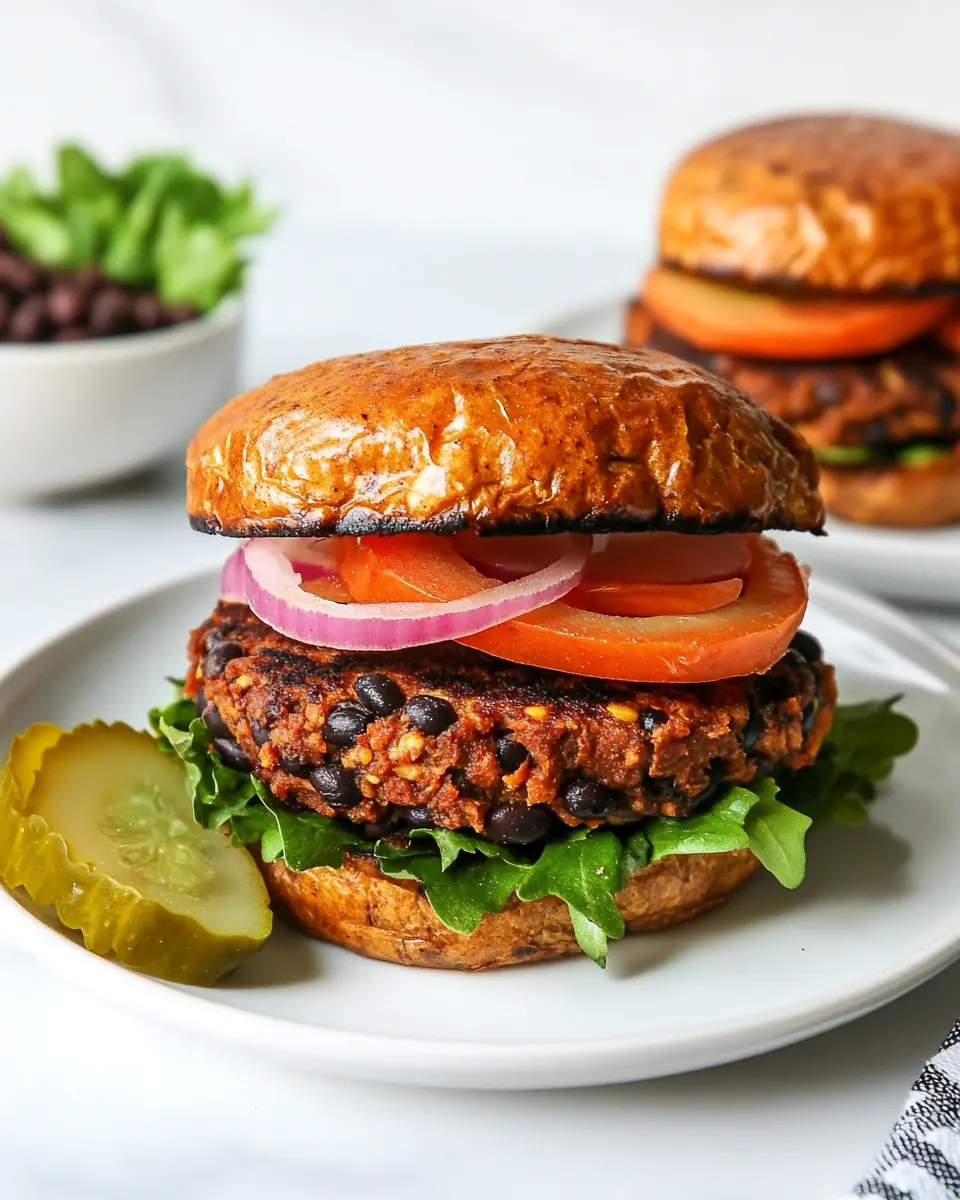
Preheat the oven to 350ºF. Spread out the black beans on a large rimmed baking sheet so that they are in a single layer. Place them in the oven to dry out until they start to split, about 15 minutes.: You will notice the oven warming and a steady, even heat that will help evaporate surface moisture from the black beans , which is essential for texture. The beans will begin to dry and make a faint roasted bean aroma as their skins start to split. This drying concentrates bean flavor, which matters for bite and structure. One common mistake is skipping this step, which leads to overly moist patties that fall apart when shaping.
Meanwhile, heat the olive oil in a skillet over medium high heat. Saute the onion until softened, about 5 minutes, then add in the garlic and stir for one more minute. Remove from the heat.: As the beans sizzle gently in the dry oven air, you should see some skins wrinkle and no large clumps remain. Single layering ensures even drying, so keep them separate with a spatula if they stick together. If you pile them, some beans will steam instead of drying, creating inconsistent texture.
In a large bowl, combine the sauteed onion and garlic, beans, sweet potato, oat flour (or flax seed), BBQ sauce, cumin and salt. Use a fork to stir the mixture, mashing the beans to help the batter stick together. You don't want to mash all of the beans, as they help add texture, but you want it mashed enough that you can form and shape the burger patties.: Watch for tiny fissures on the bean skins and a faint nutty scent, signs that they are releasing moisture. The sound is subtle, but the visual cue of splitting beans is key. Avoid leaving them too long, as they can brown deeply and change flavor; check at 12 minutes if your oven runs hot.
Using the same baking sheet from earlier, line it with parchment paper. With a 1/3 cup measure, scoop the black bean mixture and place the mound on the prepared baking sheet. Use your hands to shape it into a burger about 3/4-inch thick. (Wet hands will help prevent sticking, if necessary.) This recipe should make 8 to 9 burgers.: The oil should shimmer but not smoke, which gives you the right temperature for sautéing. As the oil warms, it will release a soft savory scent, indicating readiness to accept the yellow onion . Too low heat yields a pale, stewed onion, while too high heat causes rapid charring.
Bake the burgers at 350ºF for 20 minutes, then use a spatula to gently flip them over and bake for another 5 to 10 minutes. The finished burgers will feel a little dry around the edges, but still slightly soft to the touch in the center. As they cool, they will firm up and dry out a bit more, so you don't want to over cook them.: You will see the yellow onion turn translucent and slightly golden at the edges, and the kitchen will fill with sweet, savory aromatics. Add the garlic briefly so it becomes fragrant without burning. A mistake is leaving the garlic in too long which causes bitterness.
Serve the burgers warm with your favorite buns and toppings. Leftovers can be stored in an airtight container in the fridge for up to a week, or in the freezer for up to 3 months.: The pan will remain hot, so transferring now stops further cooking and preserves the delicate garlic flavors. The residual heat will keep the aromatics warm without pushing them into caramelization. Leaving them on the heat risks overcooking, which dulls their vibrancy.
In a large bowl, combine the sauteed onion and garlic, beans, sweet potato, oat flour (or flax seed), BBQ sauce, cumin and salt: As you fold these components together, you should hear a soft, sticky scrape against the bowl and smell the mingling of sweet sweet potato and warm ground cumin . The mixture should look cohesive with streaks of whole beans and mashed sweet potato . If it feels overly wet, it will not form firm patties, so add a touch more binder only if necessary.
Use a fork to stir the mixture, mashing the beans to help the batter stick together: The texture should be a mix of mashed and whole black beans , giving both creaminess and bite. You will notice the mixture slightly thicken as the starches bind. Avoid overmashing every bean because that eliminates the contrasting textures that make the burgers interesting.
You don't want to mash all of the beans, as they help add texture, but you want it mashed enough that you can form and shape the burger patties: At this point, press a small portion in your hand, and it should hold shape but still feel tender in the center. If it crumbles, it needs more binder; if it feels pasty, it has been overworked. A frequent error is testing with cold hands, which can be misleading; damp hands give a more accurate sense of how the mixture will behave when baked.
Using the same baking sheet from earlier, line it with parchment paper: The paper prevents sticking and helps the bottoms brown slightly without tearing the patties. You will hear a soft, dry thud when placing each patty on the sheet. Skip the paper only if you have a well seasoned sheet, otherwise removal becomes messy.
With a 1/3 cup measure, scoop the black bean mixture and place the mound on the prepared baking sheet: Scooping ensures uniform size so patties bake evenly. The mounds should feel dense but springy, and when set on the sheet they keep form. If you use inconsistent scoops, some patties will overcook while others stay underdone.
Use your hands to shape it into a burger about 3/4-inch thick: Wetting your hands slightly will stop sticking and allow for neat shaping. Look for a smooth outer surface with visible bean texture peeking through. If you press too hard, the patties become compacted and dense, losing the light interior you want.
(Wet hands will help prevent sticking, if necessary.): As you work, the surface of each patty should feel tacky but not sloppy. This tactile feedback tells you they are ready for baking. A common misstep is adding more binder mid shaping instead of adjusting pressure, which can throw off the texture balance.
This recipe should make 8 to 9 burgers: Counting as you form patties helps manage oven space so everything bakes evenly. If your batch yields too many small patties, they will cook too quickly and dry out. Conversely, oversized patties may remain undercooked at the center.
Bake the burgers at 350ºF for 20 minutes: The oven heat will create a gentle crust and deepen flavors. After 20 minutes, the edges should look dryer and begin to firm, and the top should feel set but not hard. If the oven temperature is higher, reduce time to avoid hardening the exterior while the center stays soft.
Use a spatula to gently flip them over and bake for another 5 to 10 minutes: After flipping, you will see the underside take on light browning and the aroma will intensify. The second bake firms the patties through while preserving moistness inside. Flipping roughly can cause crumbling, so use a wide spatula and support the patty as you turn it.
The finished burgers will feel a little dry around the edges, but still slightly soft to the touch in the center: This balance means they will firm as they cool but remain tender when eaten. Press gently in the center for a slight give, rather than complete hardness. Overcooking will yield a dry, mealy texture that nobody enjoys.
As they cool, they will firm up and dry out a bit more, so you don't want to over cook them: Allow them to rest on the sheet for a few minutes; this finishes the setting process and concentrates flavors. The cooling period also makes them easier to transfer to buns without falling apart. Cutting into them too soon risks breakage.
Serve the burgers warm with your favorite buns and toppings: Warm patties will meld best with condiments and produce the most appealing mouthfeel. Notice how the aroma carries through the bun and toppings, tying everything together. Serving them cold will mute flavors and make the texture denser.
Leftovers can be stored in an airtight container in the fridge for up to a week, or in the freezer for up to 3 months: Chilled burgers hold shape and reheat well in a skillet or oven to restore crisp edges. When freezing, separate layers with parchment to avoid sticking. A common storage error is sealing still-warm patties, which creates condensation and sogginess.