Sweet Potato Black Bean Burgers
Sweet Potato Black Bean Burgers arrived in my kitchen on a rainy afternoon when I wanted something hearty, bright, and easy to pull together from pantry staples. I remember opening the cupboards, spotting a couple of cans of black beans and a lonely baked sweet potato in the fridge, and deciding to turn them into something more than just a side. That first bite, warm from the oven, with a slight crust and a tender, peppery interior, convinced me this combination belongs in the regular rotation.
Over time I’ve adapted the method to make the patties hold together without feeling gluey, and I learned small tricks about drying the beans and folding in the mashed sweet potato so the texture is both tender and satisfying. I like how these burgers feel substantial without being heavy, and how the natural sweetness of the sweet potato balances the earthy notes of the black beans. Friends and family who usually reach for meat rarely miss it when I serve these.
Recipe Snapshot
45 mins
15 mins
30 mins
Medium
200 kcal
American
Vegan, Gluten-Free
Dinner
Oven, Rimmed baking sheet, Skillet, Mixing bowl, Spatula
The Beauty of This Sweet Potato Black Bean Burgers
1. Texture that sings
I love how Sweet Potato Black Bean Burgers combine contrasting textures. The partially mashed black beans provide a soft, creamy base while the roasted edges crisp up in the oven, giving you that satisfying bite. I respect textures because they make each mouthful interesting, and when you follow the bean drying and shaping steps, you get patties that hold up to a bun without becoming dense.
2. Flavor balance that’s welcoming
I always point out how the natural sugars in the sweet potato work with the smokiness of a good BBQ sauce and the warmth of ground cumin. This trio creates a layered, savory sweet profile that feels familiar but lively. I find that this balance makes the burgers approachable for both vegans and omnivores at the table.
3. Pantry friendly and adaptable
I appreciate recipes that let me cook without a long shopping list. These burgers are mostly cans and staples, such as oat flour and a baked sweet potato, so I can pull them together quickly. Because the technique focuses on bean texture rather than exact measurements, I often adapt quantities and still end up with great results.
4. Healthy comfort food
I love serving something that feels indulgent but is packed with fiber and plant protein. The combination of black beans and sweet potato gives a filling mouthfeel without excessive fat. For weeknights when we want comfort without remorse, this recipe fits perfectly.
5. Great make ahead and freezer friendly
I often double the batch and freeze patties for rushed evenings. The recipe freezes beautifully, and reheating preserves both flavor and texture. In my kitchen workflow, having ready burgers changes dinner from frantic to easy, and that reliability is a big part of why I keep coming back to this dish.
Recipe Ingredients for Sweet Potato Black Bean Burgers
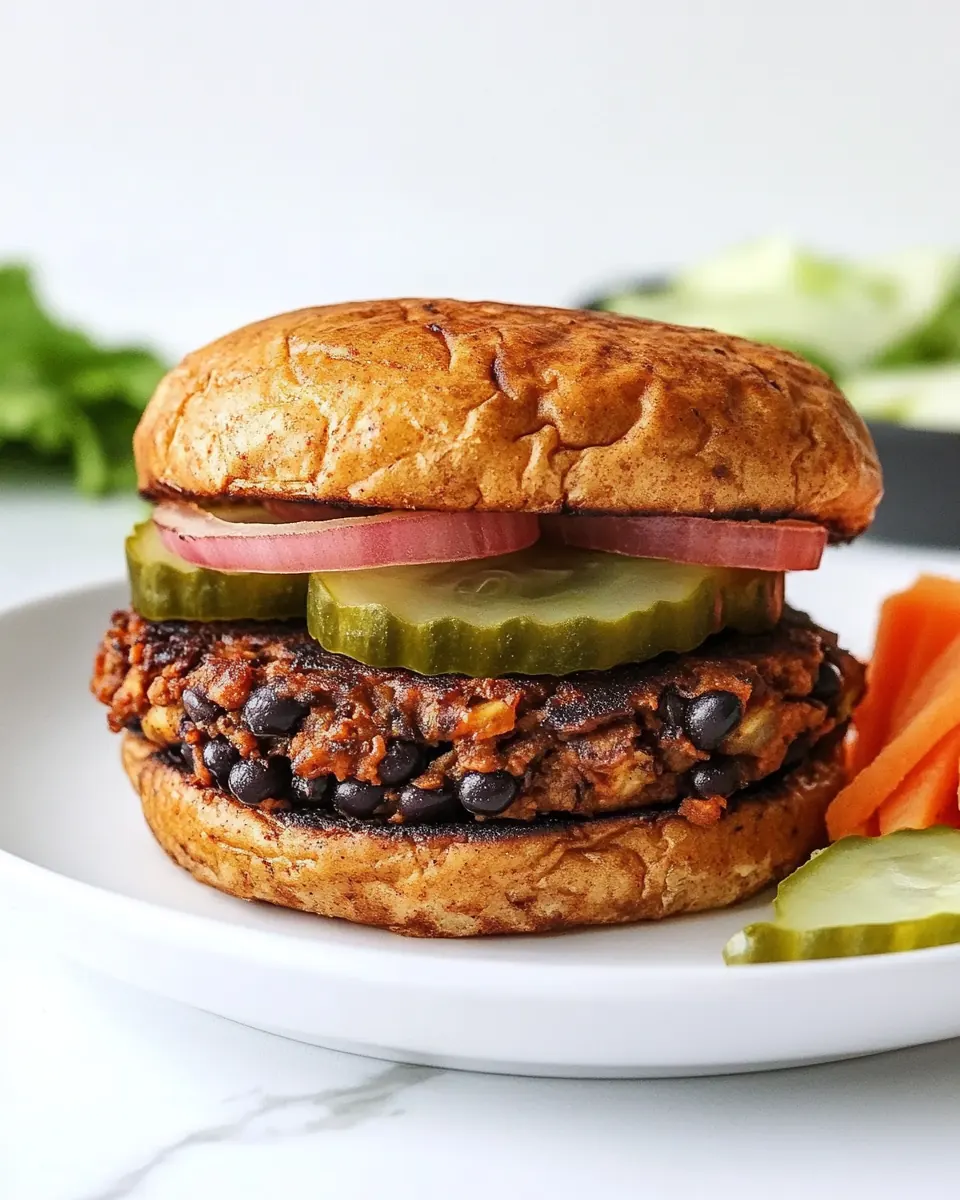
These ingredients are intentionally simple, yet they play different roles. The black beans are the protein and body, the sweet potato adds moisture and natural sweetness, and the oat flour helps bind the patties while keeping them light. Aromatics like yellow onion and garlic build savory depth, and a touch of BBQ sauce plus ground cumin brings a warm, smoky note that lifts the whole burger.
- 2 (15 oz.) cans black beans, drained and rinsed: Provide a hearty, protein-rich base that holds the burger together and adds earthy flavor; mash partially to create a cohesive mixture while leaving some whole beans for texture and bite. Rinse thoroughly to remove canning liquid and reduce sodium, and drain well to prevent excess moisture in the patties.
- 1 tablespoon extra-virgin olive oil: Add a subtle fruity richness and help sauté aromatics without burning; heat gently before adding onions and garlic to bloom their flavors. Use sparingly to keep the burgers moist without making them greasy, contributing to a pleasant mouthfeel when cooked.
- 1/2 yellow onion, chopped (about 1 cup): Impart sweet, aromatic depth and soft texture when cooked down; chop finely so the onion integrates into the patty mixture and cooks evenly. Sauté until translucent to release natural sugars that complement the sweet potato and spices.
- 3 garlic cloves, minced: Introduce pungent, savory warmth and a subtle sharpness that enhances overall flavor; mince finely to distribute evenly throughout the mixture. Sauté briefly with onion to mellow its bite and infuse the patties with layered savory notes.
- 1/2 cup mashed sweet potato (from a baked sweet potato): Provide natural sweetness, moisture, and binding capability to the burgers; mash smooth so it blends well with beans and flours to help form cohesive patties. Use baked sweet potato for concentrated flavor and a creamy texture that balances spices and savory elements.
- 1/4 cup oat flour, or ground flax seeds: Act as a gluten-free binder and light floury texture to absorb excess moisture and firm up patties; use oat flour or ground flax to suit dietary preferences. Add gradually to reach desired consistency, ensuring patties hold shape without becoming dry.
- 1/4 cup BBQ sauce (see notes): Contribute sweet-tangy depth and sticky cohesion to help bind ingredients while adding barbecue flavor; choose a flavor profile that complements cumin and sweet potato. Stir in enough to taste so it enhances rather than overpowers the other components.
- 1/2 teaspoon ground cumin: Deliver warm, earthy spice that ties savory and sweet elements together; measure carefully to avoid overpowering the mixture. Toast lightly in the pan with aromatics to awaken its flavor before combining into the patty mix.
- 1/2 teaspoon fine sea salt: Season evenly to enhance and balance all flavors while controlling overall saltiness; dissolve into wet ingredients for consistent distribution. Adjust according to canned beans and barbecue sauce sodium to avoid over-seasoning.
Sweet Potato Black Bean Burgers Instructions
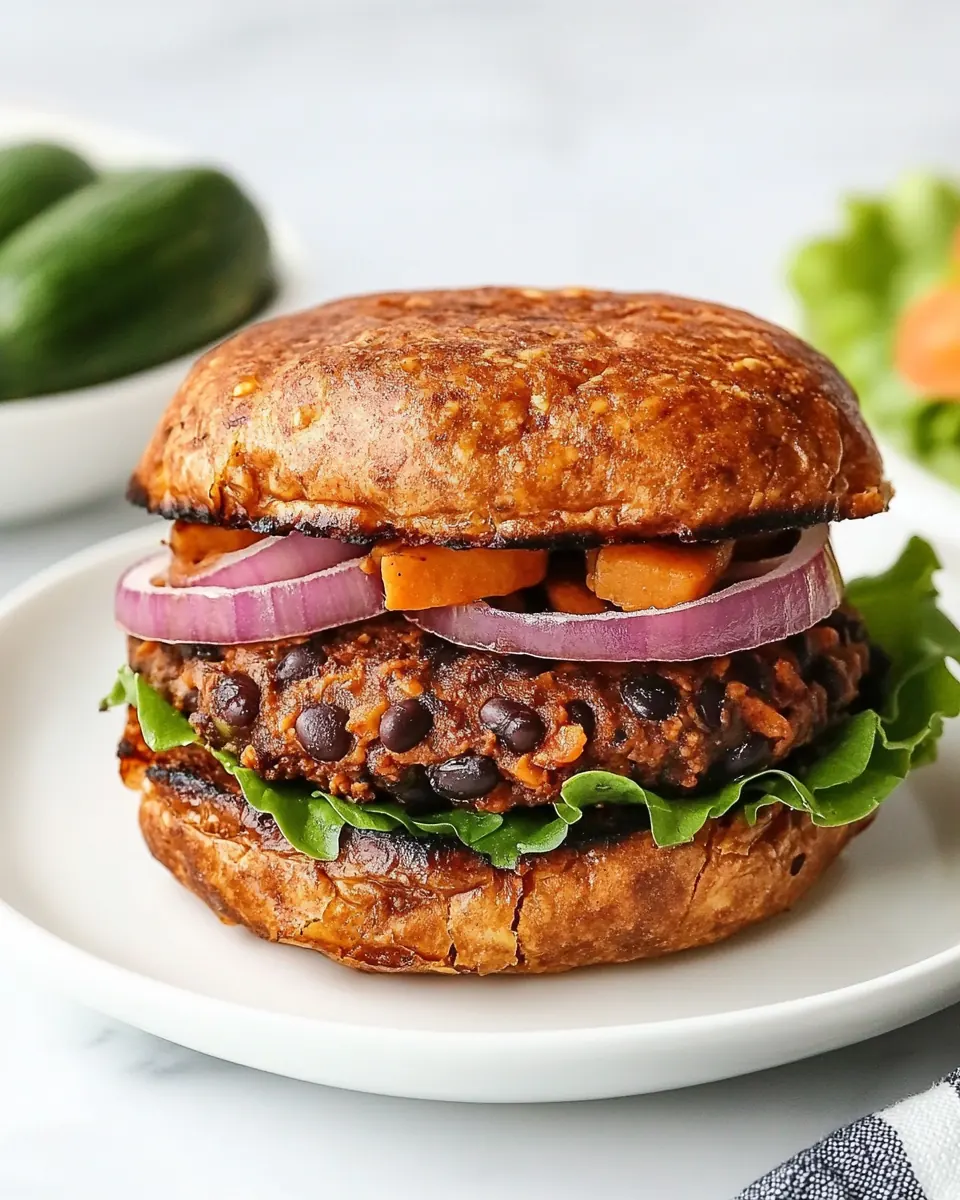
These instructions focus on technique, texture, and timing so you can confidently shape and bake each patty. Follow each step to capture the drying, sautéing, and shaping tricks that produce reliable, flavorful patties. I’ll walk you through sensory cues and what to avoid at every turn.
- Preheat the oven to 350ºF. Spread out the black beans on a large rimmed baking sheet so that they are in a single layer. Place them in the oven to dry out until they start to split, about 15 minutes.: You will notice the oven warming and a steady, even heat that will help evaporate surface moisture from the black beans , which is essential for texture. The beans will begin to dry and make a faint roasted bean aroma as their skins start to split. This drying concentrates bean flavor, which matters for bite and structure. One common mistake is skipping this step, which leads to overly moist patties that fall apart when shaping.
- Meanwhile, heat the olive oil in a skillet over medium high heat. Saute the onion until softened, about 5 minutes, then add in the garlic and stir for one more minute. Remove from the heat.: As the beans sizzle gently in the dry oven air, you should see some skins wrinkle and no large clumps remain. Single layering ensures even drying, so keep them separate with a spatula if they stick together. If you pile them, some beans will steam instead of drying, creating inconsistent texture.
- In a large bowl, combine the sauteed onion and garlic, beans, sweet potato, oat flour (or flax seed), BBQ sauce, cumin and salt. Use a fork to stir the mixture, mashing the beans to help the batter stick together. You don't want to mash all of the beans, as they help add texture, but you want it mashed enough that you can form and shape the burger patties.: Watch for tiny fissures on the bean skins and a faint nutty scent, signs that they are releasing moisture. The sound is subtle, but the visual cue of splitting beans is key. Avoid leaving them too long, as they can brown deeply and change flavor; check at 12 minutes if your oven runs hot.
- Using the same baking sheet from earlier, line it with parchment paper. With a 1/3 cup measure, scoop the black bean mixture and place the mound on the prepared baking sheet. Use your hands to shape it into a burger about 3/4-inch thick. (Wet hands will help prevent sticking, if necessary.) This recipe should make 8 to 9 burgers.: The oil should shimmer but not smoke, which gives you the right temperature for sautéing. As the oil warms, it will release a soft savory scent, indicating readiness to accept the yellow onion . Too low heat yields a pale, stewed onion, while too high heat causes rapid charring.
- Bake the burgers at 350ºF for 20 minutes, then use a spatula to gently flip them over and bake for another 5 to 10 minutes. The finished burgers will feel a little dry around the edges, but still slightly soft to the touch in the center. As they cool, they will firm up and dry out a bit more, so you don't want to over cook them.: You will see the yellow onion turn translucent and slightly golden at the edges, and the kitchen will fill with sweet, savory aromatics. Add the garlic briefly so it becomes fragrant without burning. A mistake is leaving the garlic in too long which causes bitterness.
- Serve the burgers warm with your favorite buns and toppings. Leftovers can be stored in an airtight container in the fridge for up to a week, or in the freezer for up to 3 months.: The pan will remain hot, so transferring now stops further cooking and preserves the delicate garlic flavors. The residual heat will keep the aromatics warm without pushing them into caramelization. Leaving them on the heat risks overcooking, which dulls their vibrancy.
- In a large bowl, combine the sauteed onion and garlic, beans, sweet potato, oat flour (or flax seed), BBQ sauce, cumin and salt: As you fold these components together, you should hear a soft, sticky scrape against the bowl and smell the mingling of sweet sweet potato and warm ground cumin . The mixture should look cohesive with streaks of whole beans and mashed sweet potato . If it feels overly wet, it will not form firm patties, so add a touch more binder only if necessary.
- Use a fork to stir the mixture, mashing the beans to help the batter stick together: The texture should be a mix of mashed and whole black beans , giving both creaminess and bite. You will notice the mixture slightly thicken as the starches bind. Avoid overmashing every bean because that eliminates the contrasting textures that make the burgers interesting.
- You don't want to mash all of the beans, as they help add texture, but you want it mashed enough that you can form and shape the burger patties: At this point, press a small portion in your hand, and it should hold shape but still feel tender in the center. If it crumbles, it needs more binder; if it feels pasty, it has been overworked. A frequent error is testing with cold hands, which can be misleading; damp hands give a more accurate sense of how the mixture will behave when baked.
- Using the same baking sheet from earlier, line it with parchment paper: The paper prevents sticking and helps the bottoms brown slightly without tearing the patties. You will hear a soft, dry thud when placing each patty on the sheet. Skip the paper only if you have a well seasoned sheet, otherwise removal becomes messy.
- With a 1/3 cup measure, scoop the black bean mixture and place the mound on the prepared baking sheet: Scooping ensures uniform size so patties bake evenly. The mounds should feel dense but springy, and when set on the sheet they keep form. If you use inconsistent scoops, some patties will overcook while others stay underdone.
- Use your hands to shape it into a burger about 3/4-inch thick: Wetting your hands slightly will stop sticking and allow for neat shaping. Look for a smooth outer surface with visible bean texture peeking through. If you press too hard, the patties become compacted and dense, losing the light interior you want.
- (Wet hands will help prevent sticking, if necessary.): As you work, the surface of each patty should feel tacky but not sloppy. This tactile feedback tells you they are ready for baking. A common misstep is adding more binder mid shaping instead of adjusting pressure, which can throw off the texture balance.
- This recipe should make 8 to 9 burgers: Counting as you form patties helps manage oven space so everything bakes evenly. If your batch yields too many small patties, they will cook too quickly and dry out. Conversely, oversized patties may remain undercooked at the center.
- Bake the burgers at 350ºF for 20 minutes: The oven heat will create a gentle crust and deepen flavors. After 20 minutes, the edges should look dryer and begin to firm, and the top should feel set but not hard. If the oven temperature is higher, reduce time to avoid hardening the exterior while the center stays soft.
- Use a spatula to gently flip them over and bake for another 5 to 10 minutes: After flipping, you will see the underside take on light browning and the aroma will intensify. The second bake firms the patties through while preserving moistness inside. Flipping roughly can cause crumbling, so use a wide spatula and support the patty as you turn it.
- The finished burgers will feel a little dry around the edges, but still slightly soft to the touch in the center: This balance means they will firm as they cool but remain tender when eaten. Press gently in the center for a slight give, rather than complete hardness. Overcooking will yield a dry, mealy texture that nobody enjoys.
- As they cool, they will firm up and dry out a bit more, so you don't want to over cook them: Allow them to rest on the sheet for a few minutes; this finishes the setting process and concentrates flavors. The cooling period also makes them easier to transfer to buns without falling apart. Cutting into them too soon risks breakage.
- Serve the burgers warm with your favorite buns and toppings: Warm patties will meld best with condiments and produce the most appealing mouthfeel. Notice how the aroma carries through the bun and toppings, tying everything together. Serving them cold will mute flavors and make the texture denser.
- Leftovers can be stored in an airtight container in the fridge for up to a week, or in the freezer for up to 3 months: Chilled burgers hold shape and reheat well in a skillet or oven to restore crisp edges. When freezing, separate layers with parchment to avoid sticking. A common storage error is sealing still-warm patties, which creates condensation and sogginess.
Making Adjustments
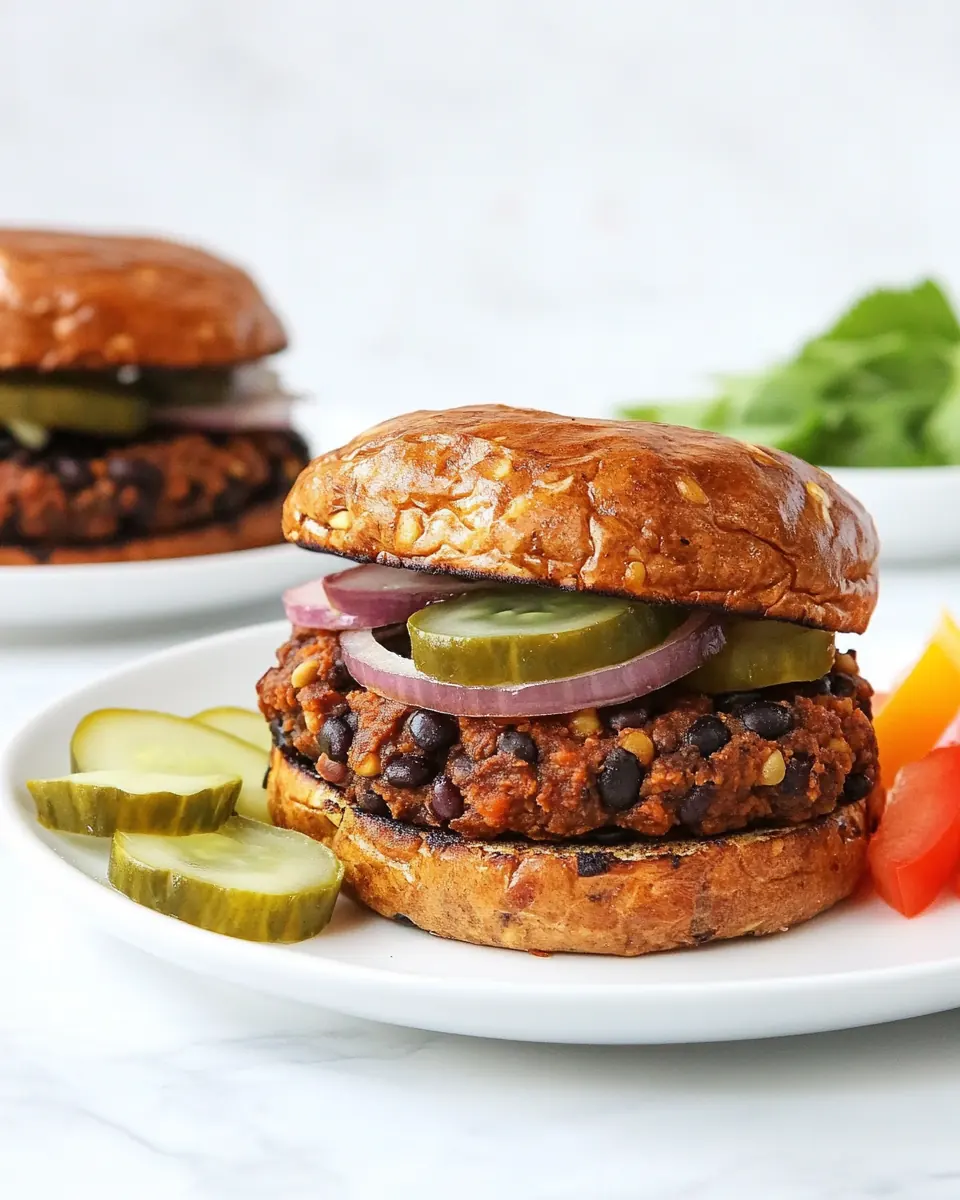
These adjustments let you tailor texture, flavor, and cook method to your pantry and preferences. Play with binders, seasoning, and baking time to get the balance you like, and take notes so you can repeat your favorite version.
- Add more binder sparingly, increase oat flour by a tablespoon at a time if the mixture will not hold together; too much will dry the patties and change the mouthfeel.
- Try ground flax sparingly as a substitute for oat flour, using the same volume initially, but be aware it introduces a denser, nuttier texture that some prefer.
- Control moisture by ensuring the mashed sweet potato is dry enough; if it is watery, spread it thin on a plate to cool and release excess steam before measuring.
- Oven timing tweak, if your oven runs hot reduce the second bake to five minutes and monitor browning so patties stay tender in the center.
- Flavor boost, if you prefer smokier notes, choose a barbecue sauce with smoked elements, but keep quantity the same to preserve binding.
- Batch freezing, freeze raw shaped patties on a sheet first, then store in a bag so you can cook from frozen without them sticking together.
- Serving temp, reheat gently in a skillet to refresh the crust; microwaving will warm them but will soften the edges too much.
How to Serve Sweet Potato Black Bean Burgers
These burgers are versatile enough for casual weeknights or relaxed weekend cookouts. Think about pairing textures and temperatures to balance the warm, soft patties with crisp and tangy elements on the plate.
- Classic burger assembly, place a warm patty on a toasted bun with crisp greens and pickles for crunch, letting the bun soak up some burger juices without becoming soggy.
- As a bowl, serve the patty over a bed of greens and grains, sliced into wedges so the texture contrasts with a crunchy topping and a creamy dressing.
- Meal occasions, this recipe fits lunch or dinner, and it scales easily for gatherings when you need crowd friendly options that satisfy many diets.
- Storage notes, refrigerate up to a week in an airtight container, or freeze for up to three months; thaw in the fridge overnight before reheating for best texture.
- Seasonal pairing, in fall the earthy sweet potato ties well to roasted vegetable sides, while in warmer months a crisp salad and chilled beverage lighten the plate.
- Serving style, offer a variety of condiments on the side so guests can customize, which keeps the burgers approachable for different palates.
FAQ
Conclusion
Sweet Potato Black Bean Burgers stand out because they pair pantry simplicity with satisfying texture and balanced flavor. The drying trick for canned beans, combined with mashed sweet potato and a modest binder, yields patties that are tender inside and slightly crisp around the edges. I encourage you to give them a try this week, especially if you want a make ahead, freezer friendly option that still feels special. They are the kind of recipe you can tweak and return to, and once you find your preferred toppings and method, these burgers will likely become a dependable favorite.
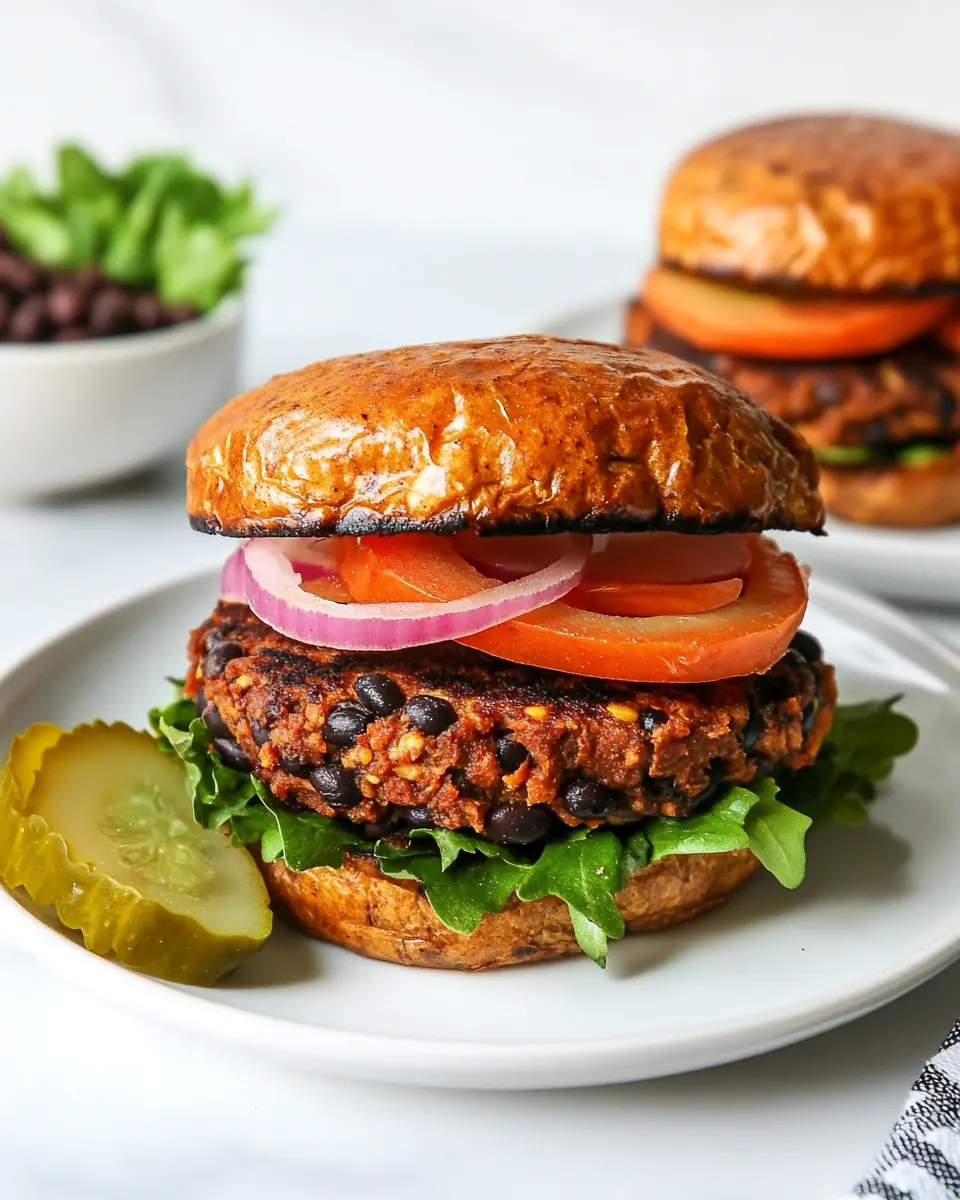
Sweet Potato Black Bean Burgers
Ingredients
Equipment
Method
- Preheat the oven to 350ºF. Spread out the black beans on a large rimmed baking sheet so that they are in a single layer. Place them in the oven to dry out until they start to split, about 15 minutes.: You will notice the oven warming and a steady, even heat that will help evaporate surface moisture from the black beans , which is essential for texture. The beans will begin to dry and make a faint roasted bean aroma as their skins start to split. This drying concentrates bean flavor, which matters for bite and structure. One common mistake is skipping this step, which leads to overly moist patties that fall apart when shaping.
- Meanwhile, heat the olive oil in a skillet over medium high heat. Saute the onion until softened, about 5 minutes, then add in the garlic and stir for one more minute. Remove from the heat.: As the beans sizzle gently in the dry oven air, you should see some skins wrinkle and no large clumps remain. Single layering ensures even drying, so keep them separate with a spatula if they stick together. If you pile them, some beans will steam instead of drying, creating inconsistent texture.
- In a large bowl, combine the sauteed onion and garlic, beans, sweet potato, oat flour (or flax seed), BBQ sauce, cumin and salt. Use a fork to stir the mixture, mashing the beans to help the batter stick together. You don't want to mash all of the beans, as they help add texture, but you want it mashed enough that you can form and shape the burger patties.: Watch for tiny fissures on the bean skins and a faint nutty scent, signs that they are releasing moisture. The sound is subtle, but the visual cue of splitting beans is key. Avoid leaving them too long, as they can brown deeply and change flavor; check at 12 minutes if your oven runs hot.
- Using the same baking sheet from earlier, line it with parchment paper. With a 1/3 cup measure, scoop the black bean mixture and place the mound on the prepared baking sheet. Use your hands to shape it into a burger about 3/4-inch thick. (Wet hands will help prevent sticking, if necessary.) This recipe should make 8 to 9 burgers.: The oil should shimmer but not smoke, which gives you the right temperature for sautéing. As the oil warms, it will release a soft savory scent, indicating readiness to accept the yellow onion . Too low heat yields a pale, stewed onion, while too high heat causes rapid charring.
- Bake the burgers at 350ºF for 20 minutes, then use a spatula to gently flip them over and bake for another 5 to 10 minutes. The finished burgers will feel a little dry around the edges, but still slightly soft to the touch in the center. As they cool, they will firm up and dry out a bit more, so you don't want to over cook them.: You will see the yellow onion turn translucent and slightly golden at the edges, and the kitchen will fill with sweet, savory aromatics. Add the garlic briefly so it becomes fragrant without burning. A mistake is leaving the garlic in too long which causes bitterness.
- Serve the burgers warm with your favorite buns and toppings. Leftovers can be stored in an airtight container in the fridge for up to a week, or in the freezer for up to 3 months.: The pan will remain hot, so transferring now stops further cooking and preserves the delicate garlic flavors. The residual heat will keep the aromatics warm without pushing them into caramelization. Leaving them on the heat risks overcooking, which dulls their vibrancy.
- In a large bowl, combine the sauteed onion and garlic, beans, sweet potato, oat flour (or flax seed), BBQ sauce, cumin and salt: As you fold these components together, you should hear a soft, sticky scrape against the bowl and smell the mingling of sweet sweet potato and warm ground cumin . The mixture should look cohesive with streaks of whole beans and mashed sweet potato . If it feels overly wet, it will not form firm patties, so add a touch more binder only if necessary.
- Use a fork to stir the mixture, mashing the beans to help the batter stick together: The texture should be a mix of mashed and whole black beans , giving both creaminess and bite. You will notice the mixture slightly thicken as the starches bind. Avoid overmashing every bean because that eliminates the contrasting textures that make the burgers interesting.
- You don't want to mash all of the beans, as they help add texture, but you want it mashed enough that you can form and shape the burger patties: At this point, press a small portion in your hand, and it should hold shape but still feel tender in the center. If it crumbles, it needs more binder; if it feels pasty, it has been overworked. A frequent error is testing with cold hands, which can be misleading; damp hands give a more accurate sense of how the mixture will behave when baked.
- Using the same baking sheet from earlier, line it with parchment paper: The paper prevents sticking and helps the bottoms brown slightly without tearing the patties. You will hear a soft, dry thud when placing each patty on the sheet. Skip the paper only if you have a well seasoned sheet, otherwise removal becomes messy.
- With a 1/3 cup measure, scoop the black bean mixture and place the mound on the prepared baking sheet: Scooping ensures uniform size so patties bake evenly. The mounds should feel dense but springy, and when set on the sheet they keep form. If you use inconsistent scoops, some patties will overcook while others stay underdone.
- Use your hands to shape it into a burger about 3/4-inch thick: Wetting your hands slightly will stop sticking and allow for neat shaping. Look for a smooth outer surface with visible bean texture peeking through. If you press too hard, the patties become compacted and dense, losing the light interior you want.
- (Wet hands will help prevent sticking, if necessary.): As you work, the surface of each patty should feel tacky but not sloppy. This tactile feedback tells you they are ready for baking. A common misstep is adding more binder mid shaping instead of adjusting pressure, which can throw off the texture balance.
- This recipe should make 8 to 9 burgers: Counting as you form patties helps manage oven space so everything bakes evenly. If your batch yields too many small patties, they will cook too quickly and dry out. Conversely, oversized patties may remain undercooked at the center.
- Bake the burgers at 350ºF for 20 minutes: The oven heat will create a gentle crust and deepen flavors. After 20 minutes, the edges should look dryer and begin to firm, and the top should feel set but not hard. If the oven temperature is higher, reduce time to avoid hardening the exterior while the center stays soft.
- Use a spatula to gently flip them over and bake for another 5 to 10 minutes: After flipping, you will see the underside take on light browning and the aroma will intensify. The second bake firms the patties through while preserving moistness inside. Flipping roughly can cause crumbling, so use a wide spatula and support the patty as you turn it.
- The finished burgers will feel a little dry around the edges, but still slightly soft to the touch in the center: This balance means they will firm as they cool but remain tender when eaten. Press gently in the center for a slight give, rather than complete hardness. Overcooking will yield a dry, mealy texture that nobody enjoys.
- As they cool, they will firm up and dry out a bit more, so you don't want to over cook them: Allow them to rest on the sheet for a few minutes; this finishes the setting process and concentrates flavors. The cooling period also makes them easier to transfer to buns without falling apart. Cutting into them too soon risks breakage.
- Serve the burgers warm with your favorite buns and toppings: Warm patties will meld best with condiments and produce the most appealing mouthfeel. Notice how the aroma carries through the bun and toppings, tying everything together. Serving them cold will mute flavors and make the texture denser.
- Leftovers can be stored in an airtight container in the fridge for up to a week, or in the freezer for up to 3 months: Chilled burgers hold shape and reheat well in a skillet or oven to restore crisp edges. When freezing, separate layers with parchment to avoid sticking. A common storage error is sealing still-warm patties, which creates condensation and sogginess.
Notes
- Add more binder sparingly, increase oat flour by a tablespoon at a time if the mixture will not hold together; too much will dry the patties and change the mouthfeel.
- Try ground flax sparingly as a substitute for oat flour, using the same volume initially, but be aware it introduces a denser, nuttier texture that some prefer.
- Control moisture by ensuring the mashed sweet potato is dry enough; if it is watery, spread it thin on a plate to cool and release excess steam before measuring.
- Oven timing tweak, if your oven runs hot reduce the second bake to five minutes and monitor browning so patties stay tender in the center.
- Flavor boost, if you prefer smokier notes, choose a barbecue sauce with smoked elements, but keep quantity the same to preserve binding.
- Batch freezing, freeze raw shaped patties on a sheet first, then store in a bag so you can cook from frozen without them sticking together.
- Serving temp, reheat gently in a skillet to refresh the crust; microwaving will warm them but will soften the edges too much.