Preheat the oven to 400°F (200°C).: You should feel the anticipation as the oven warms, because the final bake melts toppings and crisps edges. The oven's steady heat ensures the cheese melts uniformly and the crust edges brown slightly. A common mistake is not preheating, which can leave the cheese set but the crust soft. If your oven has hot spots, rotate the pan midway through baking for even color.
Add the cooked sweet potato to a bowl. Mash until smooth. If there's excess moisture, blot with a paper towel. Add the coconut flour and tapioca starch and mix until combined.: On touching the bowl, the mash should be warm, smooth, and slightly glossy. The aroma will be earthy and sweet, indicating readiness. Properly mashed sweet potato blends with the flours more evenly, preventing pockets of dry flour. If your mash feels very loose, blot a small amount on a paper towel to remove excess water before mixing, otherwise the dough will be sticky and hard to shape.
Knead to form a ball of dough. Divide into 4 equal-sized balls. Roll out each to about 1/2 inch thickness.: As you press with a fork or masher, listen for no resistance and look for a silky texture. A smooth mash ensures uniform hydration when you add the dry ingredients. Lumps can create weak spots in the crust that tear when you roll it out. If lumps persist, use a hand mixer briefly or pass the mash through a sieve for an ultra smooth base.
Carefully transfer to a non-stick pan and cook for 4-5 minutes per side over medium heat. It will stick at first, but loosen as it cooks; that’s how you know it’s ready to flip. Repeat with each crust.: Gently pressing the surface will absorb free water that would otherwise make the dough runny. This small action changes the dough from too wet to workable, preventing a collapsed crust during cooking. Avoid over blotting, which removes flavor and leaves the mash too dry. The goal is slightly tacky, not sloppy.
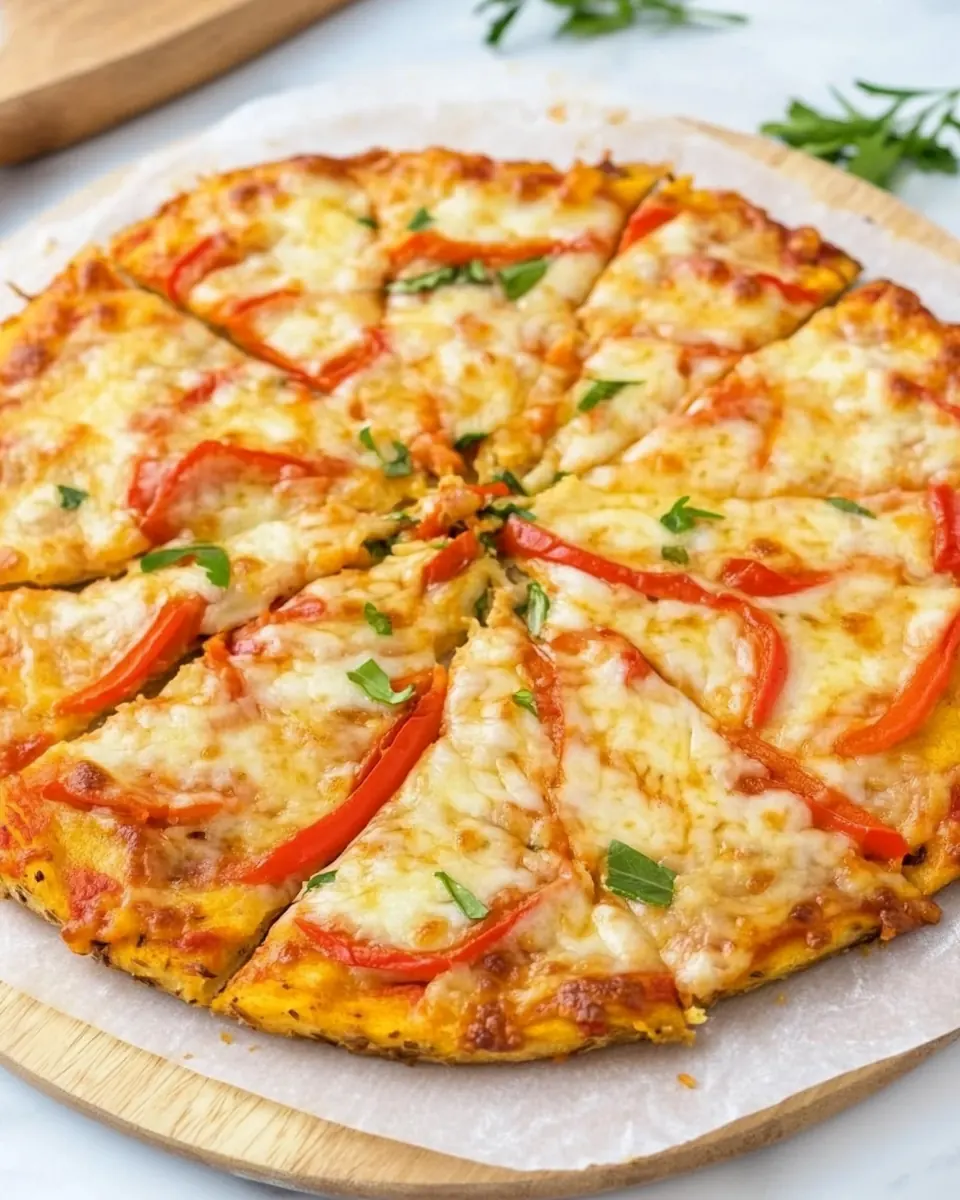
Top each crust with pizza sauce and your choice of toppings. Bake for approximately 10 minutes or until the cheese is melted and the crusts are slightly brown on the edges.: When the flours meet the mash, you will see the mixture come together into a thicker mass and the color deepen. Mixing by hand helps you sense the right texture. This step is vital because the coconut flour soaks moisture and the tapioca starch adds stretch; together they create the dough matrix. A frequent error is overmixing, which can make the dough dry and crumbly, so stop once ingredients are evenly distributed.
Cool briefly and then slice and enjoy.: Kneading feels tactile and reassuring as the dough becomes cohesive and slightly elastic. Use light pressure and fold the dough rather than pounding it; you want a smooth surface. Proper kneading activates the starches and integrates the flours for structure. If the dough cracks as you knead, it is likely too dry, so press in a teaspoon of water to bring it together.
Divide into 4 equal sized balls: Hold each ball and feel for similar weight and firmness so the crusts cook evenly. Even division yields consistent thickness and predictable baking times. I weigh them or eyeball equal portions by sight. Unequal balls will result in some crusts being overcooked while others remain underdone, so aim for uniformity.
Roll out each to about 1/2 inch thickness: The tactile cue here is a firm, even surface about the thickness of a thumb. Rolling between parchment paper or on a lightly floured surface prevents sticking. Consistent thickness ensures a balance of tender interior and crisp edge. If you roll too thin, the crust may crisp too much and lose tenderness; if too thick, it may stay doughy inside.
Carefully transfer to a non stick pan and cook for 4 to 5 minutes per side over medium heat: When you place the crust in the warm pan, listen for a soft sizzle and watch the edge start to dry and set. Initially it may stick, then release once a golden sear forms, signaling it is ready to flip. That audible change helps you know it is safe to turn. Flipping prematurely will tear the crust, so wait until it loosens naturally.
It will stick at first, but loosen as it cooks; that is how you know it is ready to flip: The moment of release is satisfying, and the bottom should be golden brown with a faint crisp. That sear develops flavor through caramelization. If you find it still clings after several minutes, reduce the heat slightly and give it more time, or use a thin spatula to ease it free. Rushing this can cause breakage.
Repeat with each crust: With each successive crust you will refine timing and heat control, as pans heat differently. The aroma will build as each crust browns, and you will notice improved release with experience. Keep the cooked crusts warm on a rack to avoid steaming, which can soften the underside. A common slip is stacking hot crusts, which traps steam and makes them limp.
Top each crust with pizza sauce and your choice of toppings: As you assemble, the contrast of the warm crust and cool toppings is delightful, and the pizza sauce should spread smoothly without over saturating the surface. Less is more here, because excess sauce can make the crust soggy. If you overload with heavy, wet toppings, consider parbaking them or draining excess liquid first.
Bake for approximately 10 minutes or until the cheese is melted and the crusts are slightly brown on the edges: The oven time finishes the job by melting cheese and crisping edges. Watch for bubbling cheese and a light browning at the rim. Ovens vary, so check a bit earlier if your oven runs hot. Leaving them too long will dry the crust and toughen the texture.
Cool briefly and then slice and enjoy: Cooling for a few minutes lets the toppings settle, making slicing cleaner and preventing burns from molten cheese . The crust firms slightly as it cools, improving bite. Cutting too soon can cause toppings to slide off, so be patient for the best presentation and eating experience.