Sweet Potato Pizza Crust
Sweet Potato Pizza Crust became my go to when I wanted pizza without guilt, and the first bite still surprises me every time.
I remember the afternoon I developed this recipe, juggling a busy kitchen and a picky eater who refuses anything labeled “healthy.” I swapped in a mashed sweet potato for traditional dough and watched skepticism turn into delight as the crust crisped and held toppings beautifully. That moment reminded me why I test odd ideas until they work, because sometimes a small swap creates a whole new favorite. The texture here is tender yet sturdy, and the slightly sweet background of sweet potato plays nicely with savory sauce and cheese.
Over the years I have streamlined this into a short, dependable process that fits weeknights, and I like to keep a batch of cooked sweet potato ready for crusts. It feels indulgent, but it is deceptively simple, and you can make it in a skillet then finish in the oven for melty toppings. I love how adaptable it is, and how it holds together even when you load it up. If you enjoy a little kitchen creativity, this is a recipe that rewards small experiments with big flavor.
Recipe Snapshot
20 mins
5 mins
15 mins
Easy
220 kcal
American
Paleo, Vegan
Dinner
Non stick pan, Oven, Mixing bowl, Spatula
Why This Sweet Potato Pizza Crust Works
1. Texture that surprises
I love how the Sweet Potato Pizza Crust delivers a tender interior and a slightly crisp edge. The combination of cooked sweet potato with coconut flour and tapioca starch gives body and chew without needing conventional wheat dough. When you cook the crust in a pan first, that initial sticking and release creates an irresistible sear and satisfying mouthfeel.
2. Naturally flavorful base
The natural sweetness from the sweet potato complements savory toppings instead of competing with them. I find that this gentle sweetness balances tangy pizza sauce and cheese, so you get a rounded bite. Using minimal added ingredients lets the vegetable shine, and the result tastes intentional rather than like a substitute.
3. Quick and weeknight friendly
This crust comes together fast, especially if you have cooked sweet potato on hand. The recipe uses simple mixing and a quick skillet step followed by a short bake, so you can have pizza on the table with little fuss. For busy evenings, that speed is a real advantage, and it keeps dinner feeling homemade rather than rushed.
4. Flexible for toppings and diets
Because the crust is mild and sturdy, you can load it up with a wide variety of toppings and still have it hold together. I often use this for lighter Mediterranean styles or a simple cheese and herb option. It adapts well to personal preferences, and the method works if you want smaller personal pizzas or a larger sharing pie.
5. Make ahead and store
I appreciate that these crusts store and freeze well. Preparing a batch ahead saves time later, and the texture holds up after reheating on the stovetop. For busy households, having crusts tucked away in the fridge or freezer is a small change that makes homemade pizza possible any night.
Ingredients to Make Sweet Potato Pizza Crust
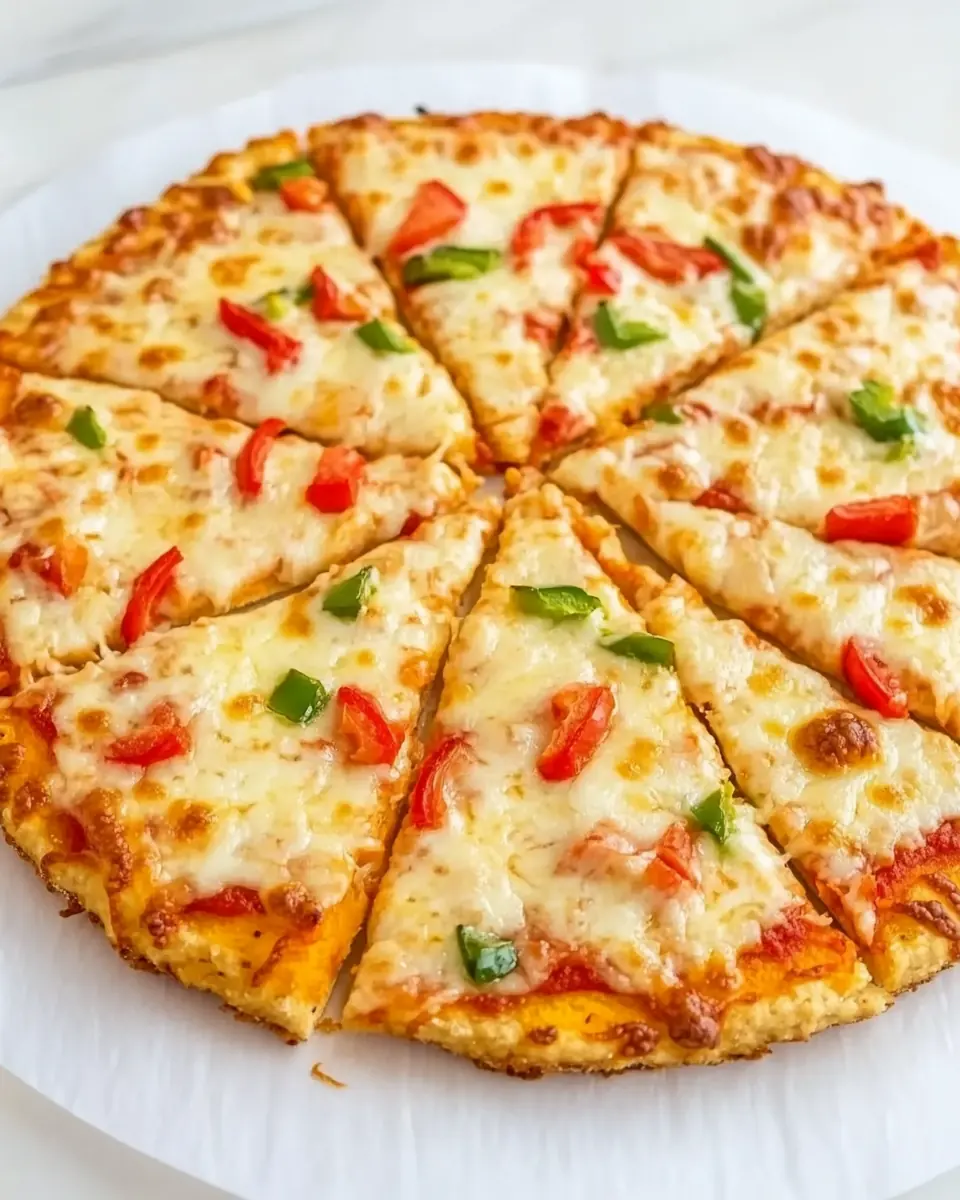
These ingredients are intentionally short and focused. The sweet potato is the structural and flavorful star, while the coconut flour and tapioca starch provide dryness and elasticity so the dough forms and holds. Together they balance moisture, texture, and binding so you can pan sear the crust to a golden edge then finish in the oven without collapse.
- 2 cups cooked sweet potato Approximately 2 medium potatoes: Providing moist texture and natural sweetness, mashed cooked sweet potato helps bind the crust while keeping it tender; its starches gelatinize during baking to create structure. Adds moisture that reduces the need for additional fats and contributes a subtly sweet, earthy flavor that complements savory toppings. Also supplies nutrients and a vibrant color that makes the crust visually appealing and satisfying.
- 1/2 cup coconut flour: Absorbing excess moisture and contributing body, coconut flour creates a firm, sliceable base by drawing in wet ingredients and preventing sogginess. Offers a mildly sweet, nutty undertone that balances the starchier components and helps the crust hold together when baked. Adds fiber and contributes to a denser, gluten-free texture suited for grain-free recipes.
- 1/4 cup tapioca starch Can sub for arrowroot starch: Thickening and improving elasticity, tapioca starch (or arrowroot substitute) lends chewiness and helps bind the dough for a cohesive crust that crisps slightly when baked. Enhances stretch and structure by forming a glossy, pliable network with the sweet potato and coconut flour. Keeps the final crust light while preventing it from becoming crumbly.
Cooking Instructions for Sweet Potato Pizza Crust
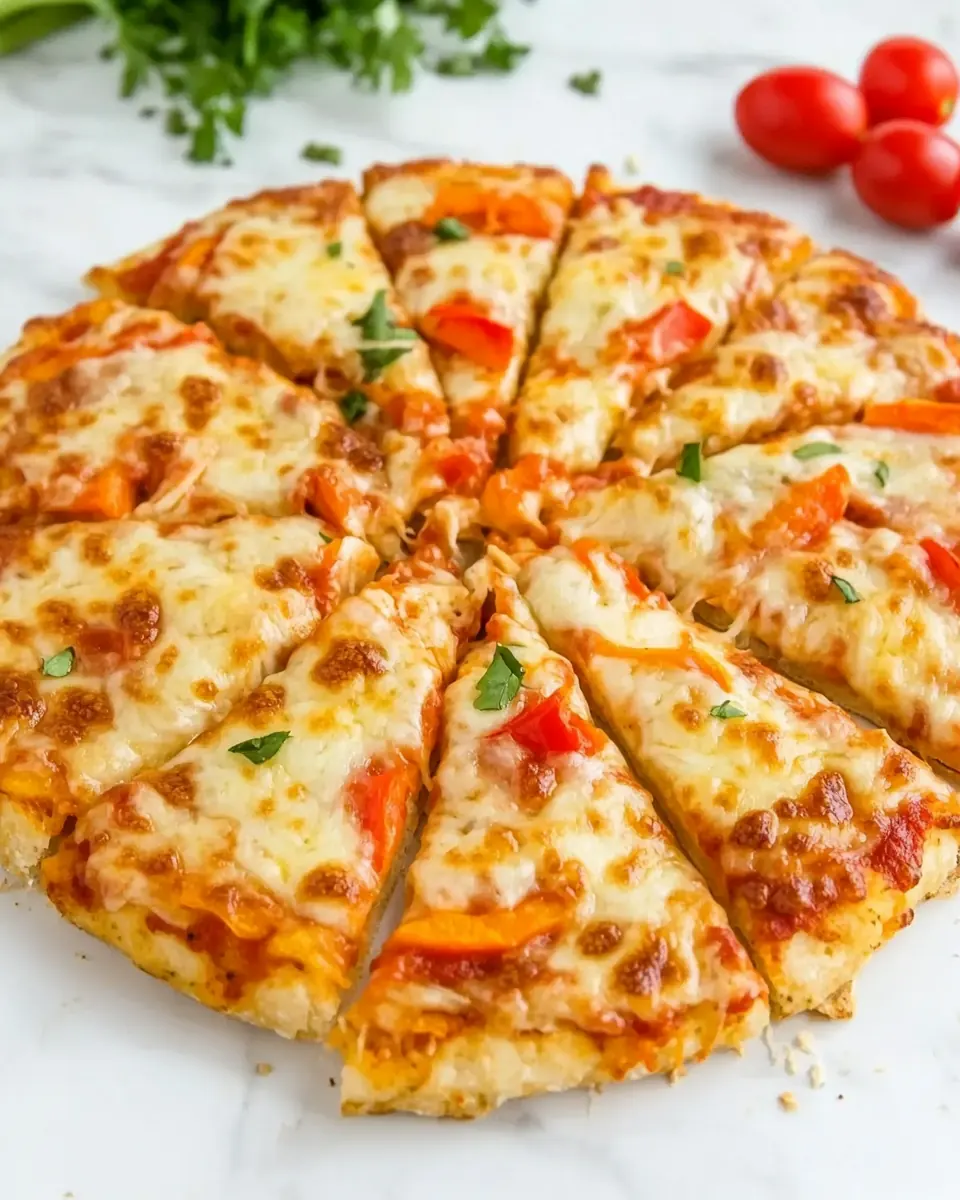
These steps guide you through building and cooking the crust from mash to finished pizza. I walk you through sensations to watch for, why each technique matters, and common slip ups so you can reproduce the result with confidence.
- Preheat the oven to 400°F (200°C).: You should feel the anticipation as the oven warms, because the final bake melts toppings and crisps edges. The oven's steady heat ensures the cheese melts uniformly and the crust edges brown slightly. A common mistake is not preheating, which can leave the cheese set but the crust soft. If your oven has hot spots, rotate the pan midway through baking for even color.
- Add the cooked sweet potato to a bowl. Mash until smooth. If there's excess moisture, blot with a paper towel. Add the coconut flour and tapioca starch and mix until combined.: On touching the bowl, the mash should be warm, smooth, and slightly glossy. The aroma will be earthy and sweet, indicating readiness. Properly mashed sweet potato blends with the flours more evenly, preventing pockets of dry flour. If your mash feels very loose, blot a small amount on a paper towel to remove excess water before mixing, otherwise the dough will be sticky and hard to shape.
- Knead to form a ball of dough. Divide into 4 equal-sized balls. Roll out each to about 1/2 inch thickness.: As you press with a fork or masher, listen for no resistance and look for a silky texture. A smooth mash ensures uniform hydration when you add the dry ingredients. Lumps can create weak spots in the crust that tear when you roll it out. If lumps persist, use a hand mixer briefly or pass the mash through a sieve for an ultra smooth base.
- Carefully transfer to a non-stick pan and cook for 4-5 minutes per side over medium heat. It will stick at first, but loosen as it cooks; that’s how you know it’s ready to flip. Repeat with each crust.: Gently pressing the surface will absorb free water that would otherwise make the dough runny. This small action changes the dough from too wet to workable, preventing a collapsed crust during cooking. Avoid over blotting, which removes flavor and leaves the mash too dry. The goal is slightly tacky, not sloppy.
- Top each crust with pizza sauce and your choice of toppings. Bake for approximately 10 minutes or until the cheese is melted and the crusts are slightly brown on the edges.: When the flours meet the mash, you will see the mixture come together into a thicker mass and the color deepen. Mixing by hand helps you sense the right texture. This step is vital because the coconut flour soaks moisture and the tapioca starch adds stretch; together they create the dough matrix. A frequent error is overmixing, which can make the dough dry and crumbly, so stop once ingredients are evenly distributed.
- Cool briefly and then slice and enjoy.: Kneading feels tactile and reassuring as the dough becomes cohesive and slightly elastic. Use light pressure and fold the dough rather than pounding it; you want a smooth surface. Proper kneading activates the starches and integrates the flours for structure. If the dough cracks as you knead, it is likely too dry, so press in a teaspoon of water to bring it together.
- Divide into 4 equal sized balls: Hold each ball and feel for similar weight and firmness so the crusts cook evenly. Even division yields consistent thickness and predictable baking times. I weigh them or eyeball equal portions by sight. Unequal balls will result in some crusts being overcooked while others remain underdone, so aim for uniformity.
- Roll out each to about 1/2 inch thickness: The tactile cue here is a firm, even surface about the thickness of a thumb. Rolling between parchment paper or on a lightly floured surface prevents sticking. Consistent thickness ensures a balance of tender interior and crisp edge. If you roll too thin, the crust may crisp too much and lose tenderness; if too thick, it may stay doughy inside.
- Carefully transfer to a non stick pan and cook for 4 to 5 minutes per side over medium heat: When you place the crust in the warm pan, listen for a soft sizzle and watch the edge start to dry and set. Initially it may stick, then release once a golden sear forms, signaling it is ready to flip. That audible change helps you know it is safe to turn. Flipping prematurely will tear the crust, so wait until it loosens naturally.
- It will stick at first, but loosen as it cooks; that is how you know it is ready to flip: The moment of release is satisfying, and the bottom should be golden brown with a faint crisp. That sear develops flavor through caramelization. If you find it still clings after several minutes, reduce the heat slightly and give it more time, or use a thin spatula to ease it free. Rushing this can cause breakage.
- Repeat with each crust: With each successive crust you will refine timing and heat control, as pans heat differently. The aroma will build as each crust browns, and you will notice improved release with experience. Keep the cooked crusts warm on a rack to avoid steaming, which can soften the underside. A common slip is stacking hot crusts, which traps steam and makes them limp.
- Top each crust with pizza sauce and your choice of toppings: As you assemble, the contrast of the warm crust and cool toppings is delightful, and the pizza sauce should spread smoothly without over saturating the surface. Less is more here, because excess sauce can make the crust soggy. If you overload with heavy, wet toppings, consider parbaking them or draining excess liquid first.
- Bake for approximately 10 minutes or until the cheese is melted and the crusts are slightly brown on the edges: The oven time finishes the job by melting cheese and crisping edges. Watch for bubbling cheese and a light browning at the rim. Ovens vary, so check a bit earlier if your oven runs hot. Leaving them too long will dry the crust and toughen the texture.
- Cool briefly and then slice and enjoy: Cooling for a few minutes lets the toppings settle, making slicing cleaner and preventing burns from molten cheese . The crust firms slightly as it cools, improving bite. Cutting too soon can cause toppings to slide off, so be patient for the best presentation and eating experience.
Expert Tips about Sweet Potato Pizza Crust
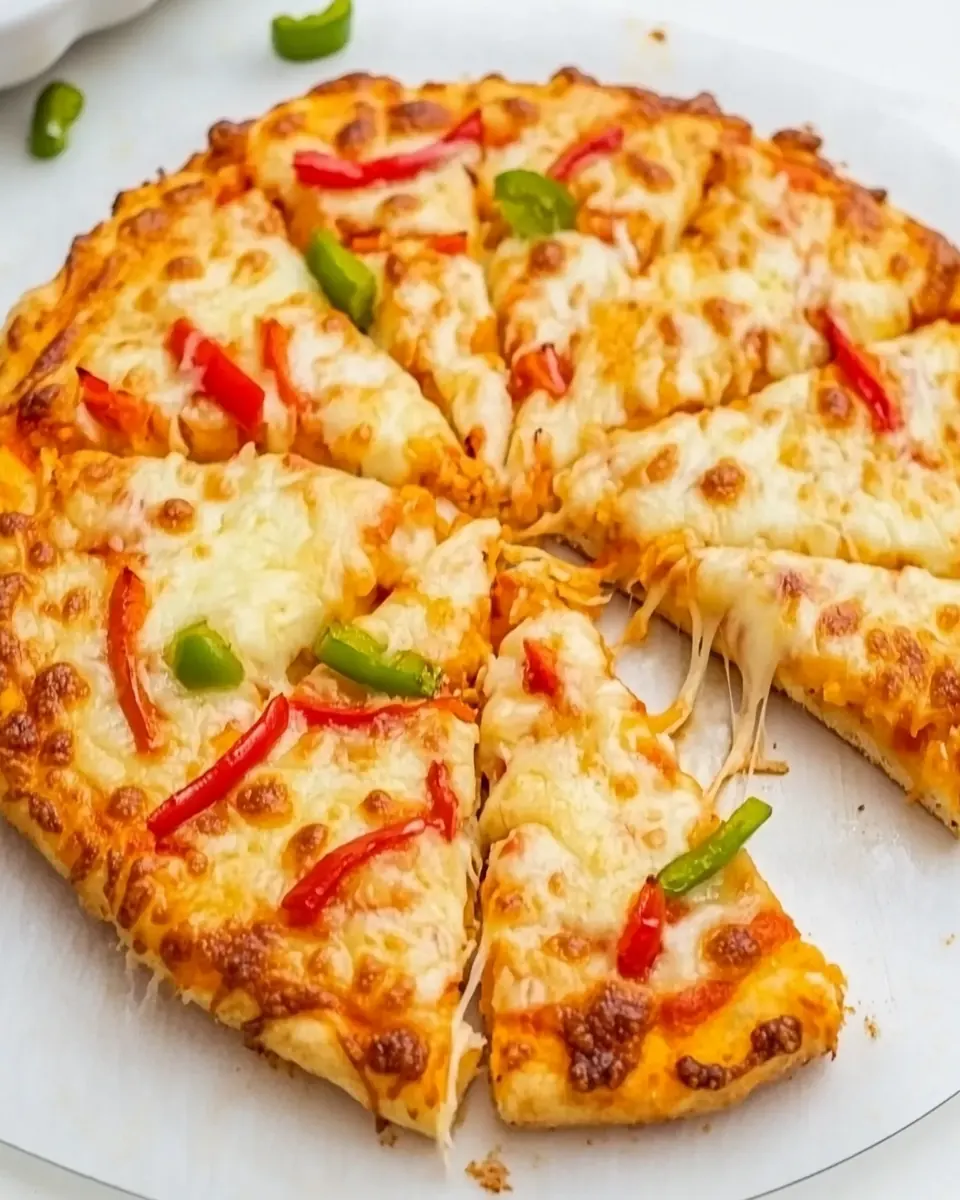
I usually keep a few of these crusts ready in the fridge, because they make weeknight dinners feel special. Below are practical tips I use every time, drawn from repeated trials and small adjustments that saved the texture and flavor.
- Measure flours precisely because coconut flour soaks up moisture quickly, and the right balance with tapioca starch prevents a dry or gummy crust.
- Remove excess moisture by blotting the mashed sweet potato if needed, this small step ensures the dough binds instead of becoming sticky and unworkable.
- Work warm mash but not piping hot, warm mash mixes more uniformly yet avoids creating steam that will water down the dough when you add the flours.
- Pan sear before baking to develop a golden crust that resists sogginess under sauce, that initial contact with heat creates flavor through caramelization.
- Keep crusts separate for storage, use parchment between them in the fridge or freezer so they do not stick and tear when you reheat.
- Finish in a hot oven so toppings melt quickly and edges brown, which preserves the interior tenderness while giving a satisfying crispness.
Great Combinations for Sweet Potato Pizza Crust
This crust pairs beautifully with a range of toppings and occasions, and it adapts to small gatherings or a solo dinner. Below I outline serving ideas, storage notes, and seasonal pairings that help you plan meals around this versatile base.
- Simple weeknight Margherita, spread a thin layer of pizza sauce, add slices of cheese, and finish with fresh herbs. This is perfect for a quick dinner when time is short.
- Family pizza night, prepare several crusts and set up a toppings station so everyone assembles their own. The personal size and sturdiness make it fun and interactive for children and adults.
- Holiday side for fall gatherings, serve small slices alongside roasted vegetables and salads. The subtle sweetness is in harmony with autumn flavors and works well on a Thanksgiving appetizer table.
- Storage for make ahead meals, refrigerate crusts without toppings for 3 to 4 days, or freeze wrapped for longer. Thaw thoroughly before reheating on the stovetop to avoid a soggy underside.
- Seasonal pairing, use heartier toppings like roasted root vegetables in cooler months, or fresh tomatoes and basil in warmer months for a lighter bite. The crust’s mild profile complements both styles.
- Occasion ideas, serve as a casual lunch with a green salad, or slice into small wedges for a party appetizer. Its adaptability makes it suitable for everyday dinners and more festive events.
FAQ
Conclusion
The Sweet Potato Pizza Crust stands out for its balance of tender interior and crisp edge, plus the natural sweetness that pairs effortlessly with savory toppings. Give it a try on a busy evening or for a weekend experiment, because it proves that a vegetable based crust can be both satisfying and simple to make. I hope this inspires you to keep a batch of cooked sweet potato on hand and to enjoy pizza night with a lighter, flavorful twist.
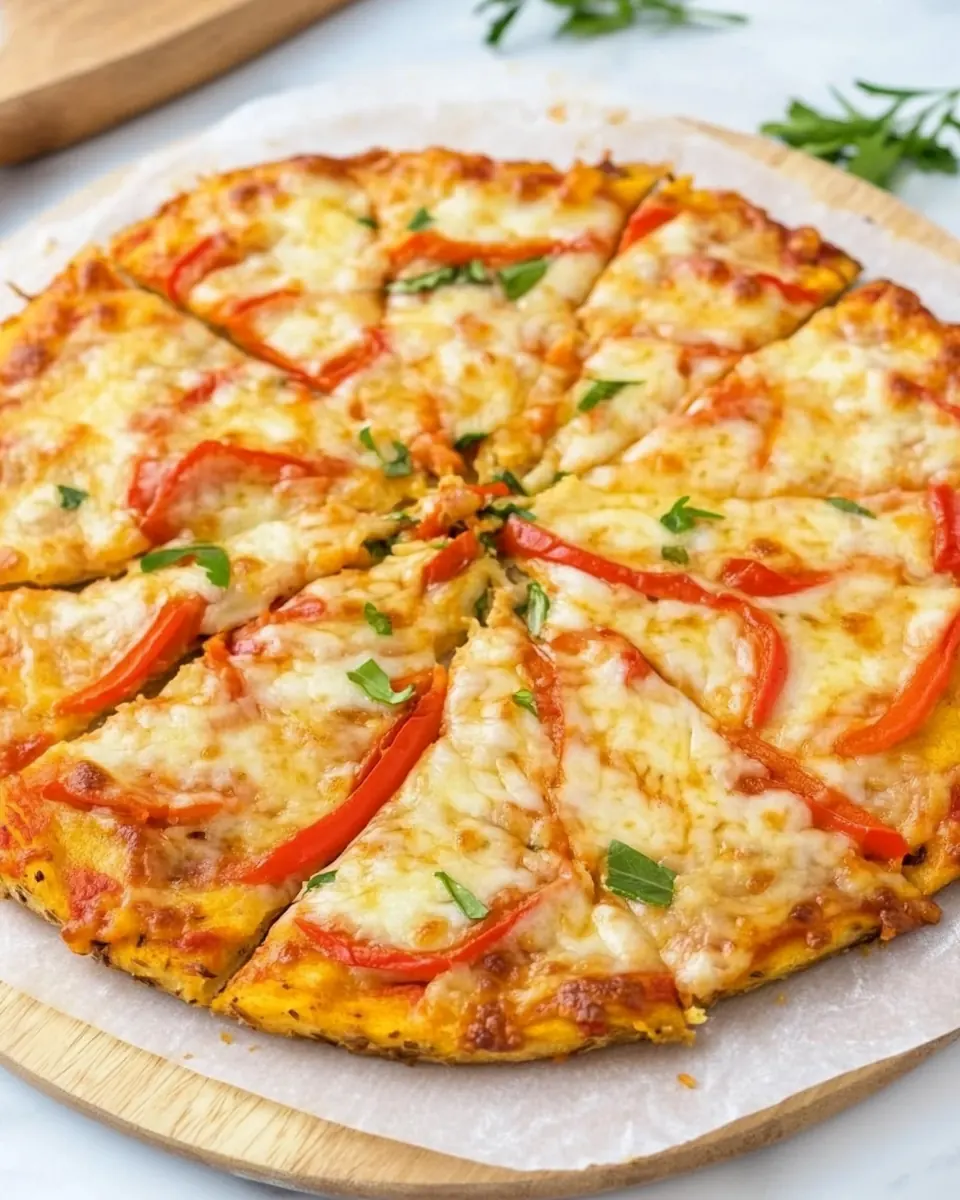
Sweet Potato Pizza Crust
Ingredients
Equipment
Method
- Preheat the oven to 400°F (200°C).: You should feel the anticipation as the oven warms, because the final bake melts toppings and crisps edges. The oven's steady heat ensures the cheese melts uniformly and the crust edges brown slightly. A common mistake is not preheating, which can leave the cheese set but the crust soft. If your oven has hot spots, rotate the pan midway through baking for even color.
- Add the cooked sweet potato to a bowl. Mash until smooth. If there's excess moisture, blot with a paper towel. Add the coconut flour and tapioca starch and mix until combined.: On touching the bowl, the mash should be warm, smooth, and slightly glossy. The aroma will be earthy and sweet, indicating readiness. Properly mashed sweet potato blends with the flours more evenly, preventing pockets of dry flour. If your mash feels very loose, blot a small amount on a paper towel to remove excess water before mixing, otherwise the dough will be sticky and hard to shape.
- Knead to form a ball of dough. Divide into 4 equal-sized balls. Roll out each to about 1/2 inch thickness.: As you press with a fork or masher, listen for no resistance and look for a silky texture. A smooth mash ensures uniform hydration when you add the dry ingredients. Lumps can create weak spots in the crust that tear when you roll it out. If lumps persist, use a hand mixer briefly or pass the mash through a sieve for an ultra smooth base.
- Carefully transfer to a non-stick pan and cook for 4-5 minutes per side over medium heat. It will stick at first, but loosen as it cooks; that’s how you know it’s ready to flip. Repeat with each crust.: Gently pressing the surface will absorb free water that would otherwise make the dough runny. This small action changes the dough from too wet to workable, preventing a collapsed crust during cooking. Avoid over blotting, which removes flavor and leaves the mash too dry. The goal is slightly tacky, not sloppy.
- Top each crust with pizza sauce and your choice of toppings. Bake for approximately 10 minutes or until the cheese is melted and the crusts are slightly brown on the edges.: When the flours meet the mash, you will see the mixture come together into a thicker mass and the color deepen. Mixing by hand helps you sense the right texture. This step is vital because the coconut flour soaks moisture and the tapioca starch adds stretch; together they create the dough matrix. A frequent error is overmixing, which can make the dough dry and crumbly, so stop once ingredients are evenly distributed.
- Cool briefly and then slice and enjoy.: Kneading feels tactile and reassuring as the dough becomes cohesive and slightly elastic. Use light pressure and fold the dough rather than pounding it; you want a smooth surface. Proper kneading activates the starches and integrates the flours for structure. If the dough cracks as you knead, it is likely too dry, so press in a teaspoon of water to bring it together.
- Divide into 4 equal sized balls: Hold each ball and feel for similar weight and firmness so the crusts cook evenly. Even division yields consistent thickness and predictable baking times. I weigh them or eyeball equal portions by sight. Unequal balls will result in some crusts being overcooked while others remain underdone, so aim for uniformity.
- Roll out each to about 1/2 inch thickness: The tactile cue here is a firm, even surface about the thickness of a thumb. Rolling between parchment paper or on a lightly floured surface prevents sticking. Consistent thickness ensures a balance of tender interior and crisp edge. If you roll too thin, the crust may crisp too much and lose tenderness; if too thick, it may stay doughy inside.
- Carefully transfer to a non stick pan and cook for 4 to 5 minutes per side over medium heat: When you place the crust in the warm pan, listen for a soft sizzle and watch the edge start to dry and set. Initially it may stick, then release once a golden sear forms, signaling it is ready to flip. That audible change helps you know it is safe to turn. Flipping prematurely will tear the crust, so wait until it loosens naturally.
- It will stick at first, but loosen as it cooks; that is how you know it is ready to flip: The moment of release is satisfying, and the bottom should be golden brown with a faint crisp. That sear develops flavor through caramelization. If you find it still clings after several minutes, reduce the heat slightly and give it more time, or use a thin spatula to ease it free. Rushing this can cause breakage.
- Repeat with each crust: With each successive crust you will refine timing and heat control, as pans heat differently. The aroma will build as each crust browns, and you will notice improved release with experience. Keep the cooked crusts warm on a rack to avoid steaming, which can soften the underside. A common slip is stacking hot crusts, which traps steam and makes them limp.
- Top each crust with pizza sauce and your choice of toppings: As you assemble, the contrast of the warm crust and cool toppings is delightful, and the pizza sauce should spread smoothly without over saturating the surface. Less is more here, because excess sauce can make the crust soggy. If you overload with heavy, wet toppings, consider parbaking them or draining excess liquid first.
- Bake for approximately 10 minutes or until the cheese is melted and the crusts are slightly brown on the edges: The oven time finishes the job by melting cheese and crisping edges. Watch for bubbling cheese and a light browning at the rim. Ovens vary, so check a bit earlier if your oven runs hot. Leaving them too long will dry the crust and toughen the texture.
- Cool briefly and then slice and enjoy: Cooling for a few minutes lets the toppings settle, making slicing cleaner and preventing burns from molten cheese . The crust firms slightly as it cools, improving bite. Cutting too soon can cause toppings to slide off, so be patient for the best presentation and eating experience.
Notes
- Measure flours precisely because coconut flour soaks up moisture quickly, and the right balance with tapioca starch prevents a dry or gummy crust.
- Remove excess moisture by blotting the mashed sweet potato if needed, this small step ensures the dough binds instead of becoming sticky and unworkable.
- Work warm mash but not piping hot, warm mash mixes more uniformly yet avoids creating steam that will water down the dough when you add the flours.
- Pan sear before baking to develop a golden crust that resists sogginess under sauce, that initial contact with heat creates flavor through caramelization.
- Keep crusts separate for storage, use parchment between them in the fridge or freezer so they do not stick and tear when you reheat.
- Finish in a hot oven so toppings melt quickly and edges brown, which preserves the interior tenderness while giving a satisfying crispness.