Place all marinade ingredients in a large sealable plastic bag. Mix to combine. 3/4 cup plain yogurt, 3 cloves garlic, 1 inch fresh ginger, 1 tablespoon olive oil, 2 teaspoons ground garam masala, 1 teaspoon chili powder, 1/2 teaspoon ground turmeric, 1/2 teaspoon kosher salt, 1 tablespoon lemon juice: You will notice the cool, creamy texture of the yogurt smoothing as the spices fold in, releasing a warm, fragrant perfume. Mix gently with your hands or a spoon so the minced garlic and ginger are evenly distributed, and the olive oil breaks into small ribbons, which helps the mixture cling to the chicken . This step matters because an even coating guarantees uniform flavor and browning during cooking. Watch for pockets of unmixed spice, which can scorch and taste bitter, and avoid overworking the mixture which can make it runny. If the marinade seems too thick to coat, let it sit for a few minutes to allow the salt and acid to meld and loosen the texture.
Add the chicken breasts to the bag and toss gently to coat them in the marinade. Seal the bag. 1 1/2 - 2 pounds boneless, skinless chicken breasts: As you massage the marinade around the chicken , you should feel the meat soften slightly under the coating, and the aroma will become more pronounced. The bag allows full contact with minimal cleanup, and tossing ensures every surface is covered. This contact is critical for the tenderizing action of the yogurt and acid. A common error is tossing too roughly, which can tear the meat and cause uneven cooking; be gentle. If any pieces remain dry, press the bag flat to redistribute the marinade and reposition the breasts for better coverage.
Place the bag of marinade and chicken in the refrigerator for at least 1 hour, or up to 8 hours.: During this resting period the tangy yogurt and the lemon juice will start to break down the surface proteins, so you will notice a silkier texture after marinating. The spices will also infuse the interior, giving deeper flavor with time. I recommend a minimum of one hour for a clear difference, and up to eight hours if you want maximum tenderness. Avoid marinating beyond the suggested time, because the acid can begin to make the surface mushy. If you need to speed things up, bring the meat closer to room temperature briefly before cooking for more even results.
When ready to cook, heat the grill to medium-high heat (375-450°F).: The grill should be hot enough that the chicken sizzles when it hits the grate, which seals the exterior and gives those desirable charred edges. Preheating also reduces sticking, and a quick oiling of the grates adds a protective barrier. This temperature range balances a good sear with enough time for the interior to reach safe doneness without drying. A frequent mistake is starting on a grill that is too cool, which causes the meat to overcook before it browns. Use a thermometer to confirm grill heat, and if you have hot spots, move pieces around as needed for even cooking.
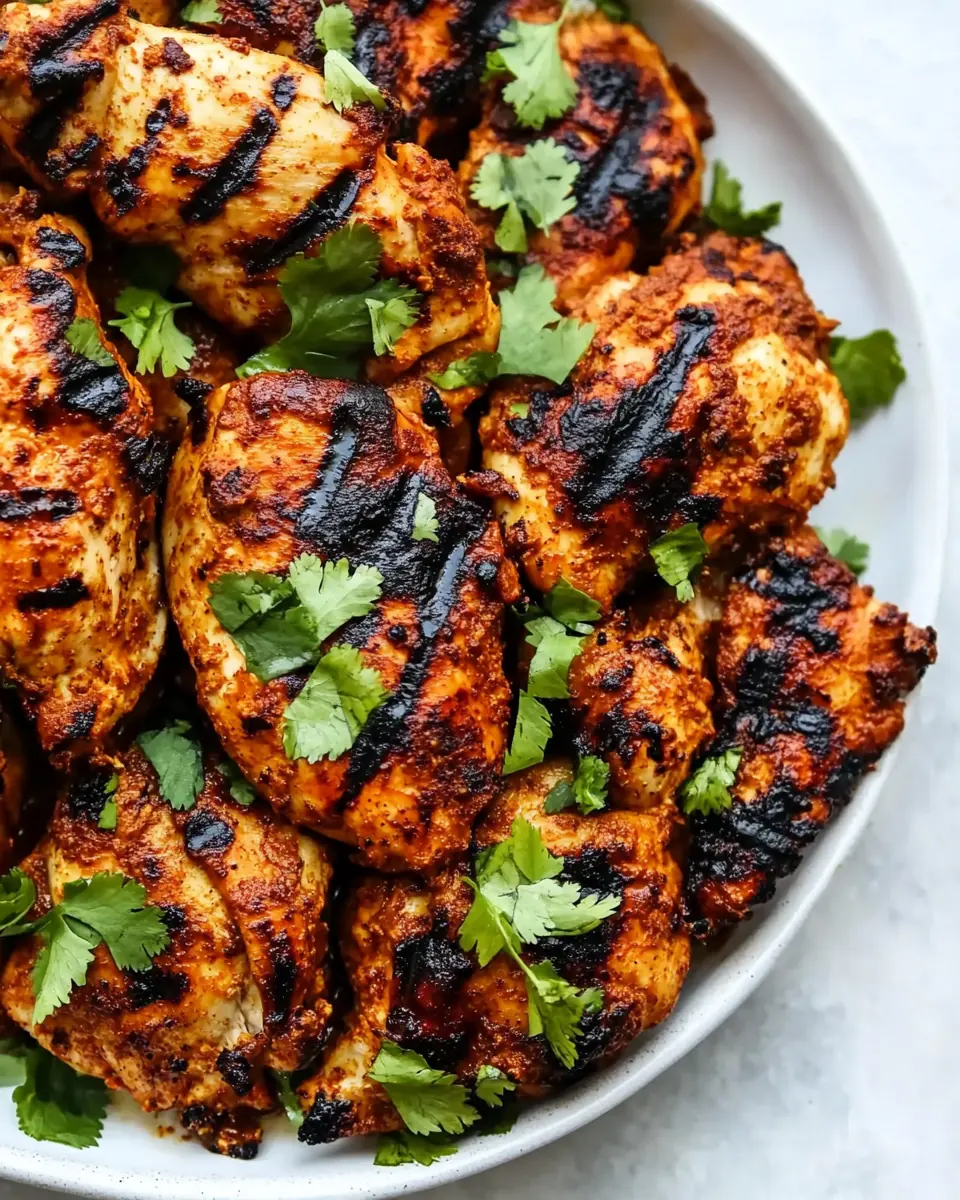
Once hot, place the chicken breasts on the grill. Cook for 6-8 minutes, flip, and cook for another 6-8 minutes until the chicken is slightly charred on the edges and cooked through (165°F internal temperature). Serve and enjoy.: You will hear a steady sizzle and see the marinade tighten and darken as sugars and proteins caramelize, producing toasted notes and a touch of smoke. Look for clear grill marks and a firm, springy texture when pressed. The internal temperature reaching 165°F is the most reliable doneness cue, and removing the breasts slightly earlier to rest will keep them juicier as carryover heat finishes the job. Avoid repeatedly flipping which interrupts searing and can dry the surface. If you encounter sticking, let the meat sit for another minute to release naturally before turning. After resting, slice against the grain for the best tenderness and serve while warm to preserve juiciness.