Tandoori Chicken Marinade
Tandoori Chicken Marinade has been my secret shortcut for bright, spiced grilled chicken ever since a summer backyard party taught me how simple bold flavors can transform weeknight cooking.
I remember the afternoon clearly, a warm breeze and the smell of charcoal as I mixed a bowl of thick, cool yogurt with fragrant spices. I felt like I was layering flavor the way a painter layers color, and the result was juicy chicken with just enough char to make everyone lean in for a bite. Since then, I keep this mix in my rotation when I want something impressive without fuss.
Over time I tweaked the balance so the tartness from lemon juice brightens the spice, while the ginger and garlic anchor the profile in savory depth. I love that most of the work happens ahead of time, letting the flavors do the heavy lifting while I get on with other dishes. When I fire up the grill, I can almost hear the sizzle and smell the aroma that tells me dinner is going to be worth the wait.
Recipe Snapshot
30 mins
10 mins
20 mins
Easy
350 kcal
Indian
Keto, Gluten-Free
Dinner
Grill, Sealable plastic bag, Meat thermometer
The Magic of This Tandoori Chicken Marinade
Bold, focused flavor without complexity
I love how Tandoori Chicken Marinade concentrates vibrant spices into an easy paste. The combination of tangy yogurt and warm spices means you get deep flavor without juggling a dozen steps. I find this comforting when I want standout taste with minimal fuss.
Versatile for grilling or oven roasting
We often switch between the grill and the oven depending on weather. This marinade clings to chicken beautifully, so whether you get a smoky char outside or a roasted finish inside, the result is reliably juicy and well seasoned. I appreciate that flexibility for different occasions.
Quick prep, great payoff
It takes me only a few minutes to put everything together, then the fridge does the rest. Marinating for even an hour gives you a noticeable increase in tenderness and depth. I like recipes that reward a little patience with a big return at the table.
Minimal ingredients, maximum impact
This recipe uses a handful of pantry staples, which is one reason I keep these spices stocked. The garam masala adds complex warmth while the turmeric gives color and a subtle earthiness. You get layered taste with very little prep time, and that efficiency is something I truly value.
Reliable for gatherings
I trust this marinade for casual dinners and small parties alike. It scales easily, holds up well if you marinate longer, and presents beautifully when sliced for sharing. I always recommend planning a little extra time, because when guests smell the grill they tend to arrive hungry and eager for the first bite.
Ingredient List for Tandoori Chicken Marinade
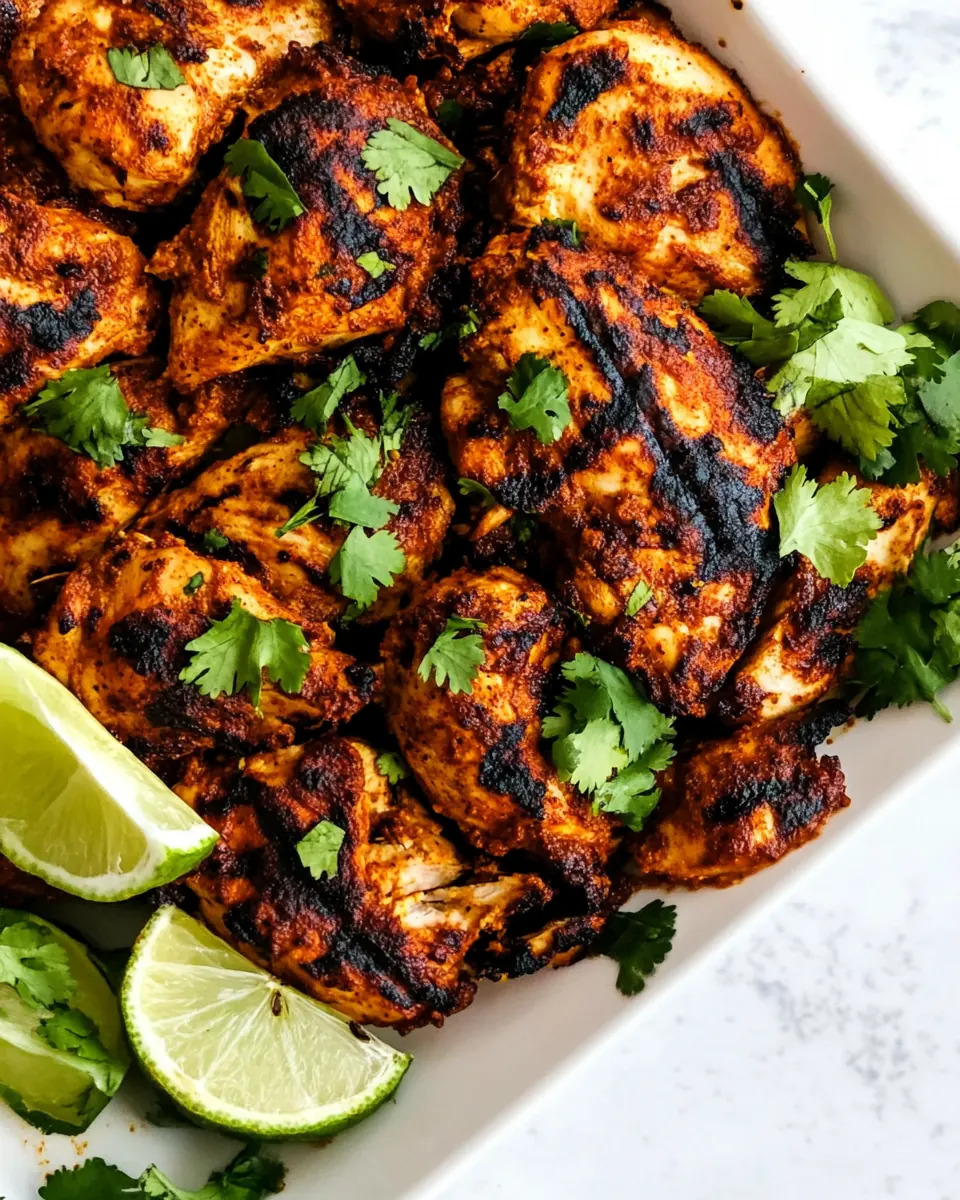
These ingredients form a simple but purposeful group. The creamy yogurt tenderizes the chicken, acids like lemon juice brighten the spice mix, and aromatics such as garlic and ginger provide savory backbone. The dry spices are the key players, each contributing a layer of warmth, heat, or color so the final grilled chicken feels balanced and complex.
- 1 1/2 2 pounds boneless, skinless chicken breasts (*): Provide lean protein for the dish and absorb marinade flavors; slice or butterfly evenly so heat and spices penetrate for juicy results.
- 3/4 cup plain yogurt (**): Add creamy tang and tenderizing acidity to help break down proteins; whisk smooth to create a consistent marinade base that clings to the chicken.
- 3 cloves garlic (minced): Lend sharp, pungent aromatics that brighten the marinade; mince finely so the garlic disperses evenly and infuses savory depth throughout the meat.
- 1 inch fresh ginger (minced ***): Impart warm, zesty notes and tenderizing enzymes; grate or mince finely to distribute its bright, slightly spicy character into the yogurt mixture.
- 1 tablespoon olive oil: Contribute a light fat that helps carry fat-soluble flavors and provide slight browning during cooking; mix in thoroughly to coat the chicken pieces.
- 2 teaspoons ground garam masala: Introduce complex warm spice and earthy notes typical of North Indian cuisine; measure precisely to avoid overpowering the marinade while adding authentic flavor.
- 1 teaspoon chili powder: Bring heat and a smoky, chili-forward flavor to the mix; add carefully to control the overall spiciness based on taste preferences.
- 1/2 teaspoon ground turmeric: Provide a warm, slightly bitter color and subtle earthiness that balances the spice blend; use sparingly to avoid dominating the other flavors.
- 1/2 teaspoon kosher salt: Enhance overall seasoning and help draw out moisture for better flavor penetration; dissolve into the yogurt so salt is evenly distributed.
- 1 tablespoon lemon juice (from 1/2 of a small lemon): Offer bright acidity to balance richness and help tenderize the meat; squeeze fresh for the cleanest citrus flavor and mix well into the marinade.
Recipe Directions for Tandoori Chicken Marinade
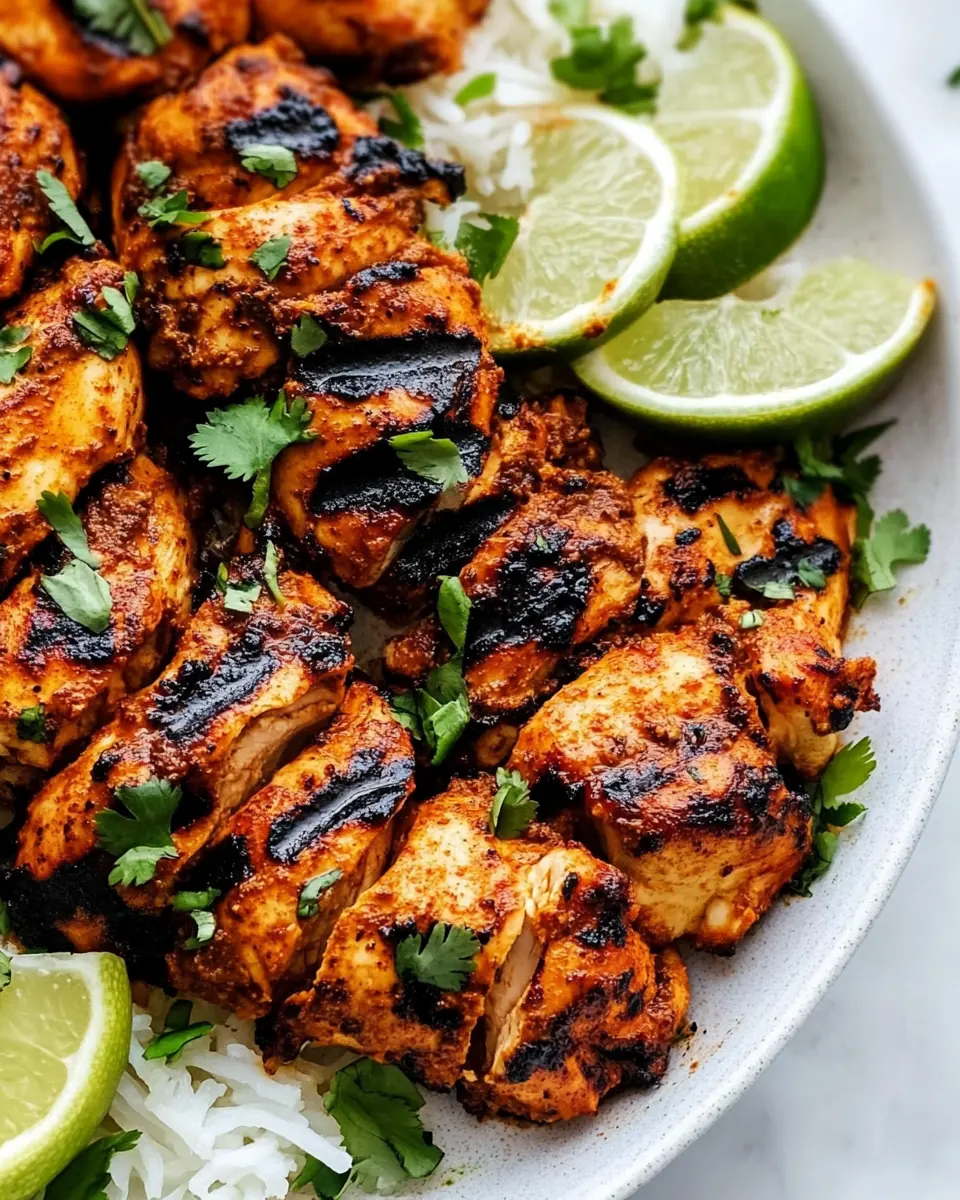
These directions are straightforward and reliable, designed to get you juicy, flavorful chicken with a pleasing char. Read through once before starting so you have all ingredients and tools on hand, then follow each step patiently. The sensory cues I describe will help you know you are on track.
- Place all marinade ingredients in a large sealable plastic bag. Mix to combine. 3/4 cup plain yogurt, 3 cloves garlic, 1 inch fresh ginger, 1 tablespoon olive oil, 2 teaspoons ground garam masala, 1 teaspoon chili powder, 1/2 teaspoon ground turmeric, 1/2 teaspoon kosher salt, 1 tablespoon lemon juice: You will notice the cool, creamy texture of the yogurt smoothing as the spices fold in, releasing a warm, fragrant perfume. Mix gently with your hands or a spoon so the minced garlic and ginger are evenly distributed, and the olive oil breaks into small ribbons, which helps the mixture cling to the chicken . This step matters because an even coating guarantees uniform flavor and browning during cooking. Watch for pockets of unmixed spice, which can scorch and taste bitter, and avoid overworking the mixture which can make it runny. If the marinade seems too thick to coat, let it sit for a few minutes to allow the salt and acid to meld and loosen the texture.
- Add the chicken breasts to the bag and toss gently to coat them in the marinade. Seal the bag. 1 1/2 – 2 pounds boneless, skinless chicken breasts: As you massage the marinade around the chicken , you should feel the meat soften slightly under the coating, and the aroma will become more pronounced. The bag allows full contact with minimal cleanup, and tossing ensures every surface is covered. This contact is critical for the tenderizing action of the yogurt and acid. A common error is tossing too roughly, which can tear the meat and cause uneven cooking; be gentle. If any pieces remain dry, press the bag flat to redistribute the marinade and reposition the breasts for better coverage.
- Place the bag of marinade and chicken in the refrigerator for at least 1 hour, or up to 8 hours.: During this resting period the tangy yogurt and the lemon juice will start to break down the surface proteins, so you will notice a silkier texture after marinating. The spices will also infuse the interior, giving deeper flavor with time. I recommend a minimum of one hour for a clear difference, and up to eight hours if you want maximum tenderness. Avoid marinating beyond the suggested time, because the acid can begin to make the surface mushy. If you need to speed things up, bring the meat closer to room temperature briefly before cooking for more even results.
- When ready to cook, heat the grill to medium-high heat (375-450°F).: The grill should be hot enough that the chicken sizzles when it hits the grate, which seals the exterior and gives those desirable charred edges. Preheating also reduces sticking, and a quick oiling of the grates adds a protective barrier. This temperature range balances a good sear with enough time for the interior to reach safe doneness without drying. A frequent mistake is starting on a grill that is too cool, which causes the meat to overcook before it browns. Use a thermometer to confirm grill heat, and if you have hot spots, move pieces around as needed for even cooking.
- Once hot, place the chicken breasts on the grill. Cook for 6-8 minutes, flip, and cook for another 6-8 minutes until the chicken is slightly charred on the edges and cooked through (165°F internal temperature). Serve and enjoy.: You will hear a steady sizzle and see the marinade tighten and darken as sugars and proteins caramelize, producing toasted notes and a touch of smoke. Look for clear grill marks and a firm, springy texture when pressed. The internal temperature reaching 165°F is the most reliable doneness cue, and removing the breasts slightly earlier to rest will keep them juicier as carryover heat finishes the job. Avoid repeatedly flipping which interrupts searing and can dry the surface. If you encounter sticking, let the meat sit for another minute to release naturally before turning. After resting, slice against the grain for the best tenderness and serve while warm to preserve juiciness.
Tips and Tricks about Tandoori Chicken Marinade
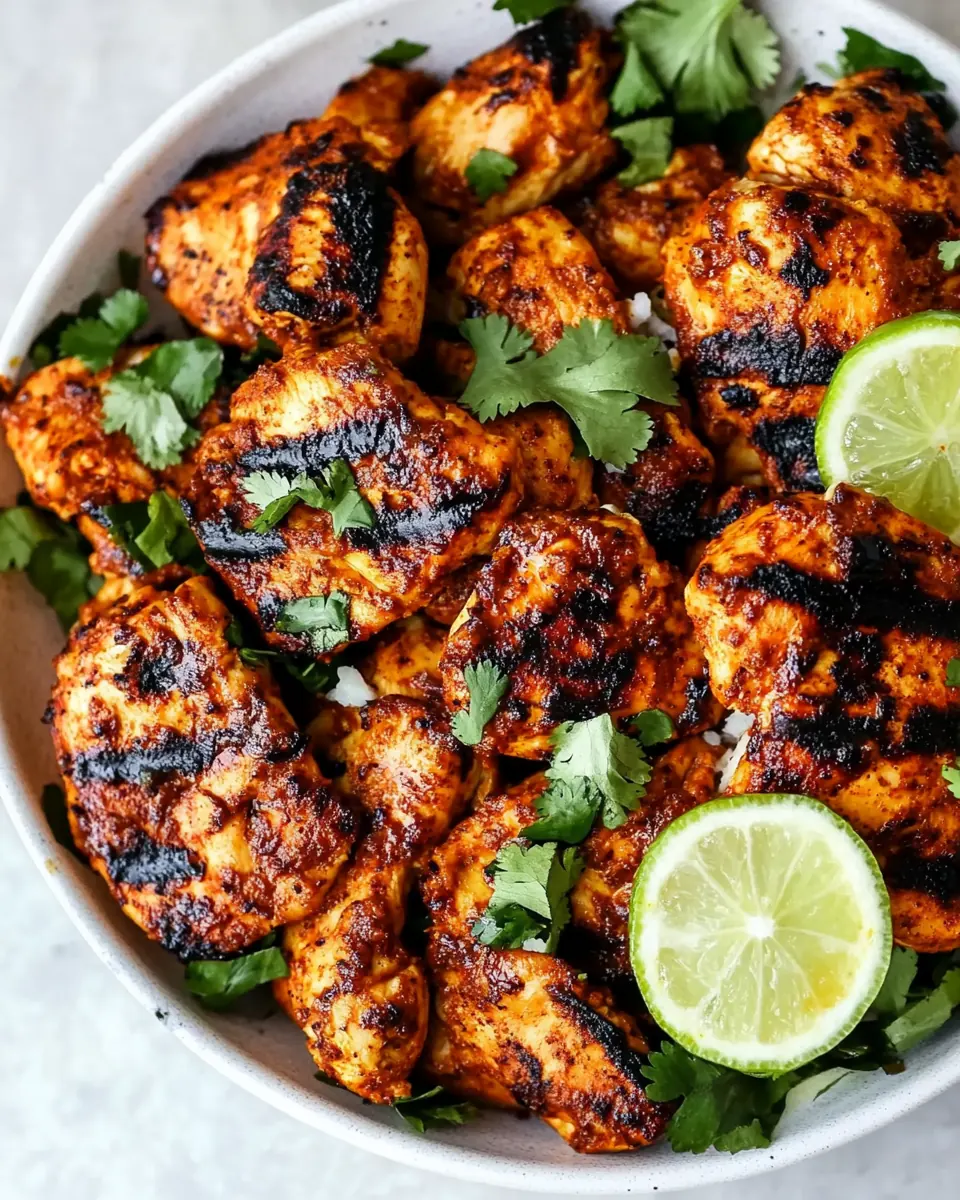
This collection of practical tips will help you get consistent, flavorful results every time you make Tandoori Chicken Marinade. Read them before you start and keep them nearby while you cook.
- Boost the color: If you want a more vivid hue, add one to two additional teaspoons of turmeric cautiously, because too much can add a bitter note.
- Marinate time matters: For best results marinate the chicken for one to eight hours, which balances tenderness and texture without breaking down the meat.
- Safety first: Always discard any leftover marinade that has contacted raw chicken, or bring it to a full boil for several minutes before using as a sauce.
- Prevent sticking: Preheat and oil the grill grates to reduce sticking and get clean sear marks on the chicken.
- Rest for juiciness: For the juiciest results remove the chicken at around 162°F, tent it loosely in foil for five to ten minutes, then let the internal temperature rise to 165°F before serving.
Serving Ideas for Tandoori Chicken Marinade
Serving this marinated chicken offers many options from weeknight dinners to festive summer gatherings. Below are ideas to help you pair, present, and store the finished dish depending on the occasion.
- Casual summer dinner: Serve the grilled chicken with simple steamed rice and a crisp green salad for an easy, balanced meal ideal for warm evenings.
- Shared platter for guests: Slice the chicken and arrange it with lemon wedges and a cooling yogurt sauce so friends can graze and assemble their own bites.
- Ramadan iftar option: Offer the chicken alongside warm flatbreads and roasted vegetables to create a satisfying, communal spread suitable for breaking fast.
- Leftover storage: Refrigerate cooled, sliced chicken in an airtight container for up to three days, or freeze for up to one month. Reheat gently to avoid drying out the meat.
- Seasonal pairings: In summer highlight fresh herbs and citrus, while in cooler months pair with roasted root vegetables and warm grain salads to complement the spice profile.
- Presentation tip: Garnish with a squeeze of fresh lemon juice and a sprinkle of extra garam masala for aroma just before serving to refresh the flavors.
FAQ
Conclusion
What makes this Tandoori Chicken Marinade special is its ability to deliver complex, layered flavor with minimal effort. The marriage of tangy yogurt, aromatic spices, and fresh aromatics creates juicy, well seasoned chicken that works for casual dinners and small gatherings alike. Give it a try the next time you want a memorable grilled meal without spending hours in the kitchen. I hope it becomes a reliable favorite in your rotation, offering both convenience and impressive taste every time.
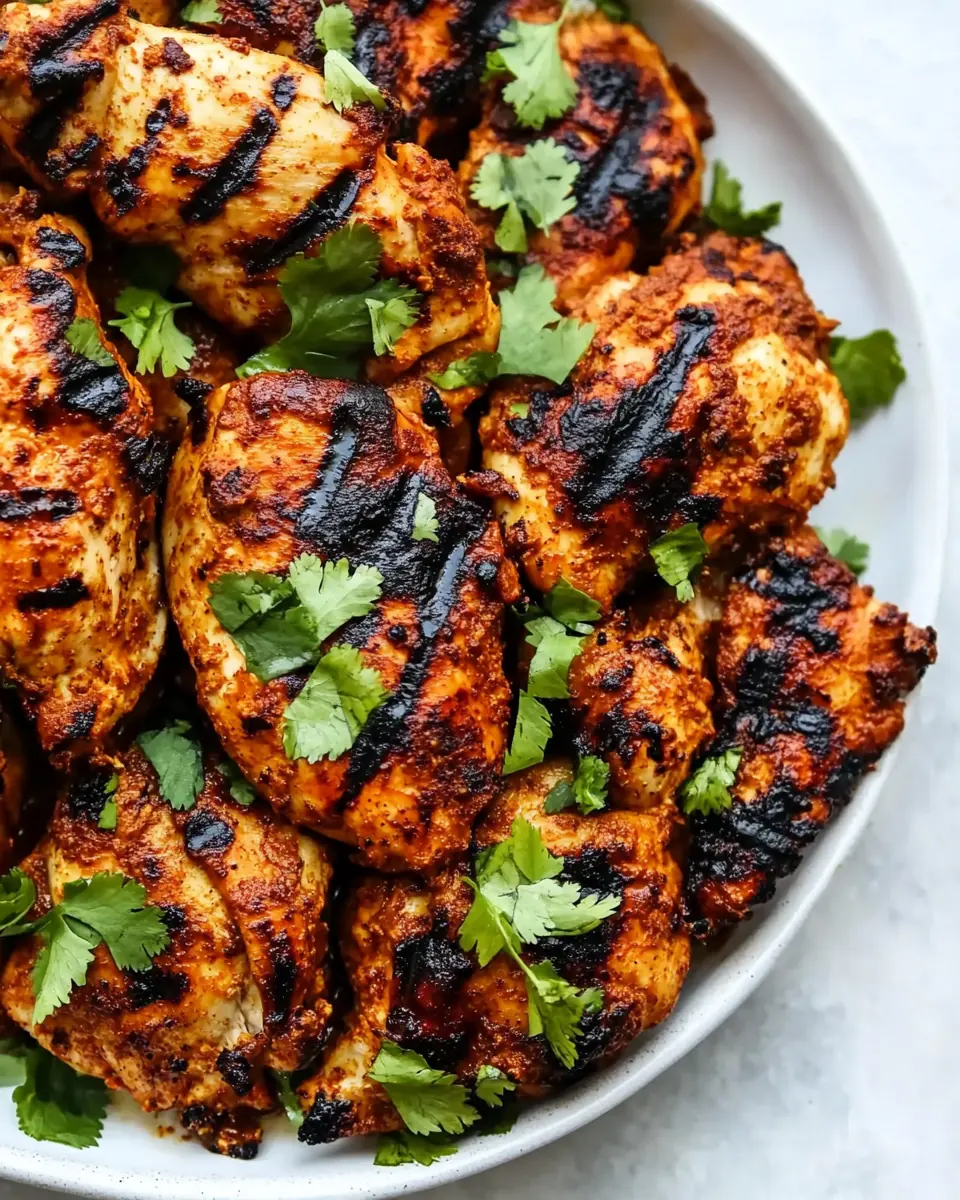
Tandoori Chicken Marinade
Ingredients
Equipment
Method
- Place all marinade ingredients in a large sealable plastic bag. Mix to combine. 3/4 cup plain yogurt, 3 cloves garlic, 1 inch fresh ginger, 1 tablespoon olive oil, 2 teaspoons ground garam masala, 1 teaspoon chili powder, 1/2 teaspoon ground turmeric, 1/2 teaspoon kosher salt, 1 tablespoon lemon juice: You will notice the cool, creamy texture of the yogurt smoothing as the spices fold in, releasing a warm, fragrant perfume. Mix gently with your hands or a spoon so the minced garlic and ginger are evenly distributed, and the olive oil breaks into small ribbons, which helps the mixture cling to the chicken . This step matters because an even coating guarantees uniform flavor and browning during cooking. Watch for pockets of unmixed spice, which can scorch and taste bitter, and avoid overworking the mixture which can make it runny. If the marinade seems too thick to coat, let it sit for a few minutes to allow the salt and acid to meld and loosen the texture.
- Add the chicken breasts to the bag and toss gently to coat them in the marinade. Seal the bag. 1 1/2 - 2 pounds boneless, skinless chicken breasts: As you massage the marinade around the chicken , you should feel the meat soften slightly under the coating, and the aroma will become more pronounced. The bag allows full contact with minimal cleanup, and tossing ensures every surface is covered. This contact is critical for the tenderizing action of the yogurt and acid. A common error is tossing too roughly, which can tear the meat and cause uneven cooking; be gentle. If any pieces remain dry, press the bag flat to redistribute the marinade and reposition the breasts for better coverage.
- Place the bag of marinade and chicken in the refrigerator for at least 1 hour, or up to 8 hours.: During this resting period the tangy yogurt and the lemon juice will start to break down the surface proteins, so you will notice a silkier texture after marinating. The spices will also infuse the interior, giving deeper flavor with time. I recommend a minimum of one hour for a clear difference, and up to eight hours if you want maximum tenderness. Avoid marinating beyond the suggested time, because the acid can begin to make the surface mushy. If you need to speed things up, bring the meat closer to room temperature briefly before cooking for more even results.
- When ready to cook, heat the grill to medium-high heat (375-450°F).: The grill should be hot enough that the chicken sizzles when it hits the grate, which seals the exterior and gives those desirable charred edges. Preheating also reduces sticking, and a quick oiling of the grates adds a protective barrier. This temperature range balances a good sear with enough time for the interior to reach safe doneness without drying. A frequent mistake is starting on a grill that is too cool, which causes the meat to overcook before it browns. Use a thermometer to confirm grill heat, and if you have hot spots, move pieces around as needed for even cooking.
- Once hot, place the chicken breasts on the grill. Cook for 6-8 minutes, flip, and cook for another 6-8 minutes until the chicken is slightly charred on the edges and cooked through (165°F internal temperature). Serve and enjoy.: You will hear a steady sizzle and see the marinade tighten and darken as sugars and proteins caramelize, producing toasted notes and a touch of smoke. Look for clear grill marks and a firm, springy texture when pressed. The internal temperature reaching 165°F is the most reliable doneness cue, and removing the breasts slightly earlier to rest will keep them juicier as carryover heat finishes the job. Avoid repeatedly flipping which interrupts searing and can dry the surface. If you encounter sticking, let the meat sit for another minute to release naturally before turning. After resting, slice against the grain for the best tenderness and serve while warm to preserve juiciness.
Notes
- Boost the color: If you want a more vivid hue, add one to two additional teaspoons of turmeric cautiously, because too much can add a bitter note.
- Marinate time matters: For best results marinate the chicken for one to eight hours, which balances tenderness and texture without breaking down the meat.
- Safety first: Always discard any leftover marinade that has contacted raw chicken, or bring it to a full boil for several minutes before using as a sauce.
- Prevent sticking: Preheat and oil the grill grates to reduce sticking and get clean sear marks on the chicken.
- Rest for juiciness: For the juiciest results remove the chicken at around 162°F, tent it loosely in foil for five to ten minutes, then let the internal temperature rise to 165°F before serving.